
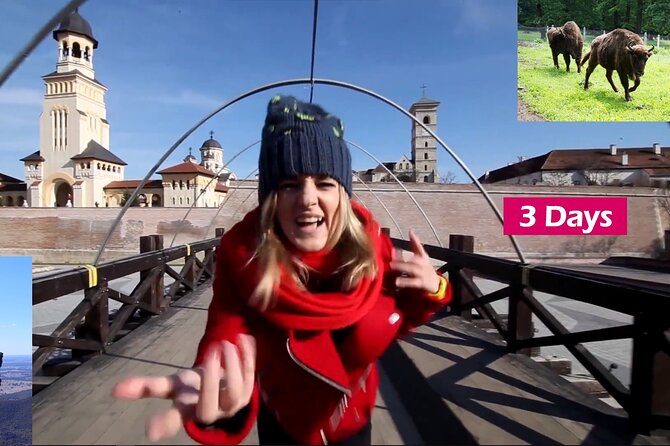
Reviewed · TRANSFĂGĂRĂȘAN ROAD TRIPS
3 Days Private Tour in Romania with Transfagarasan Road
Romania packs a lot into three days here: two high mountain roads, medieval castles, Orthodox monasteries, a cave, and towns shaped by royal and religious history. The highlight is the road itself, especially the sweeping Transfagarasan, but the best moments come from how the route connects mountain scenery with places you would struggle to reach by public transport.
I like the private car and flexible schedule, since you can spend longer at a castle or move on when a stop has had its moment. I also like having Nicolas, or Nicu, as an English-speaking guide and driver throughout the trip. The main drawback is pace: this is a full three days of moving around, and the 1,156.44 USD per person price is high unless your group values private transport and personal guiding.
Key points to know before booking
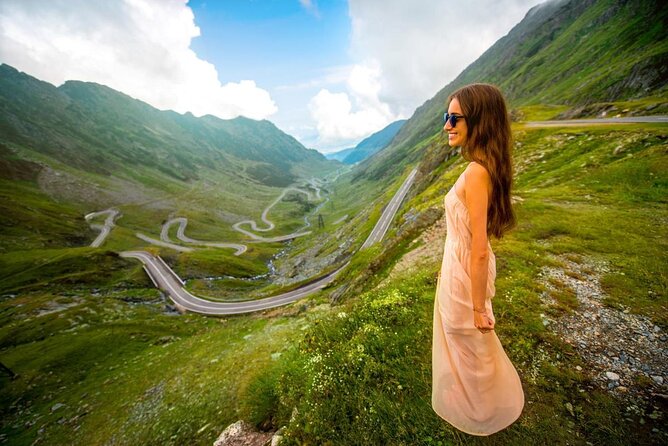
- Transfagarasan Highway: Allow three hours for mountain views, bends, and photo stops on one of Romania’s great road journeys.
- Poienari Fortress: Reaching the ruins means climbing 1,480 stairs, so this is not a casual castle visit.
- Private touring: Only your group travels in the car or minibus, with room to adjust the daily plan.
- Historic variety: The route includes Sibiu, Corvin Castle, Alba Iulia, Densus Church, and several important monasteries.
- Costs to watch: Accommodation, meals, drinks, and entrance tickets are not included in the per-person price.
- Good guide fit: Nicolas handles the driving and English-language guiding, while also helping suggest hotels within your budget.
Why this three-day Romanian route works
This is not a simple Bucharest day trip repeated three times. It is a cross-country circuit through Wallachia and Transylvania, with long drives balanced by memorable stops. You begin with royal tombs and a fortress linked to Vlad the Impaler, then move through Sibiu and Hunedoara before returning through Alba Iulia, the Transalpina, and southern Romania.
The route suits you best if you want a private road trip rather than a fixed coach tour. The vehicle is reserved for your family or friends, and the guide can make changes after the tour begins. That matters on a packed schedule, since not every group wants the same amount of time in a church, castle, cave, or mountain viewpoint.
Nicolas is both guide and driver. The supplied information describes him as an English-speaking licensed professional who stays with you throughout the tour. Direct feedback highlights his interesting explanations about Romanian cities, the country, and its people, along with his friendly manner. One practical detail comes through clearly: he can adjust time at each site to suit your group, which is especially useful if someone in your party needs a slower pace.
The price is 1,156.44 USD per person. That buys the private vehicle, fuel, parking, road tolls, Wi-Fi in the car, the guide’s accommodation and meals, and entrance fees for the guide. It does not cover your own hotel, food, drinks, or admission tickets.
That makes the value depend heavily on group size. For a couple, it is a serious spend. For a family or group of friends sharing a private car, the cost may feel more reasonable because you are paying for door-to-door transport, a dedicated guide, and a route that would be awkward to arrange independently in three days.
More Transfagarasan road trips:
- Bucharest: Top Gear Road Transfagarasan Day Trip
★ 4.8 · 293 reviews - Small group Bears ‘Safari’ on Transfăgărășan -max 7 tourists
★ 4.8 · 159 reviews - From Bucharest: Top Gear Road – Transfăgărășan Highway Day Trip
★ 4.0 · 68 reviews
Day one: royal tombs, Dracula’s fortress, and the Transfagarasan
Curtea de Arges Monastery and the Manole legend
The first stop is Curtea de Arges Monastery, one of Romania’s most famous religious monuments. The visit lasts about 45 minutes, and the admission ticket is not included.
The church is tied to the old Wallachian princely court and important royal tombs. Its story also carries a grim legend. Master Manole and nine stonemasons supposedly found that their work collapsed each night, leading to a sacrifice before the building could endure.
You do not need to treat the tale as fact to appreciate its purpose. It gives the monument an emotional edge and helps explain why Romanian church traditions often connect beauty with sacrifice. The stop also offers a useful introduction to Wallachia before the route turns toward the mountains.
Poienari Fortress and 1,480 stairs
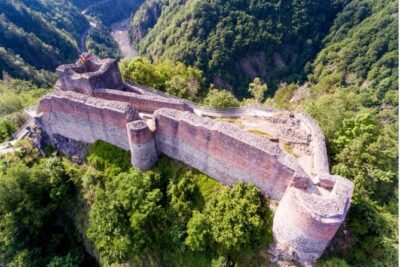
Poienari Fortress is the day’s most physically demanding stop. The ruined stronghold sits at about 860 meters and is linked to Vlad the Impaler, the historical figure associated with the Dracula legend.
The climb involves 1,480 stairs and takes around two hours as a scheduled visit. That includes the ascent, time among the ruins, and the return. Admission is not included.
This is a better choice for you if you enjoy a challenge and want a castle visit with a strong sense of place. It is not ideal if steep stair climbing is difficult, or if your group prefers easy access and long indoor visits. Wear practical shoes, take your time, and treat the climb as part of the experience rather than a chore blocking the castle.
The fortress is ruined, so do not expect furnished rooms or a polished royal interior. Its appeal lies in the mountains, the climb, and the connection to Vlad. That makes it quite different from Corvin Castle on day two.
A few more Bucharest day trips to weigh up
- 3-Day Medieval Transylvania Package Tour
★ 4.7 · 31 reviews - 3-Day Explore Transylvania from Bucharest
★ 5.0 · 17 reviews - 3-Day Tour of Transylvania’s Landmarks from Bucharest
★ 5.0 · 16 reviews - 3-Day Private Tour of Medieval Transylvania from Bucharest
★ 5.0 · 15 reviews
Vidraru Dam and the road into the mountains
The stop at Vidraru Dam is brief, about 15 minutes, with no admission charge. The dam holds back a reservoir on the Arges River and gives you a close look at one of Romania’s major engineering projects.
Fifteen minutes is enough for a quick view and photographs, but not for a detailed visit. The dam works best as a pause between the fortress and the highway, giving you a change from medieval stories to modern infrastructure.
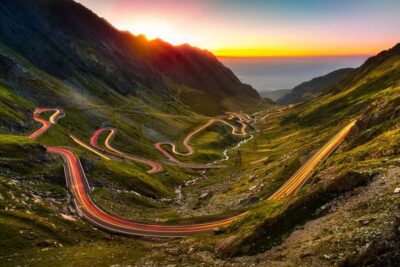
Three hours on the Transfagarasan Highway
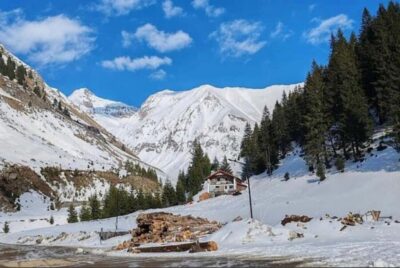
The Transfagarasan is the star of day one. You have about three hours for this mountain road, and that time allows the drive to be more than a quick crossing. You can stop for views and let the bends unfold at a human pace.
The road is famous for its dramatic mountain scenery and its appearance on the television program Top Gear, which called it one of the world’s most beautiful roads. The useful point for you is not the television label. It is the chance to experience a road built for the journey itself, with changing views at every turn.
Road conditions and access can affect mountain routes, but no seasonal operating details are provided for this tour. Confirm the planned dates and road status before booking, especially if the Transfagarasan is the main reason you are coming.
Day two: Sibiu, a gothic castle, and old Romanian churches
Sibiu’s Big Square and the Evangelical Cathedral
Day two begins in Sibiu, with about one hour around Big Square and the old city center. Admission is free for the listed stop.
Sibiu is a strong town visit because you get both urban history and a pleasant break from the car. The square, the Evangelical Cathedral, and the surrounding center give you a compact introduction to Transylvania’s cultural mix. The city was chosen as a European Capital of Culture, and the route gives you enough time to get your bearings without turning the day into a long museum program.
One hour is useful but limited. You can see the core sights and enjoy the atmosphere, but you will not cover every street or collection. If Sibiu is especially important to you, ask Nicolas whether the schedule can shift slightly, since the tour allows flexibility.
Corvin Castle and medieval scale
Castelul Corvinilor, also called Corvin or Hunyadi Castle, receives about 90 minutes. Admission is not included.
This is the most complete castle experience on the route. Unlike Poienari, it is a restored architectural complex with towers, defenses, and museum spaces. The castle served military and residential purposes from the 15th century, then underwent major restoration after a damaging fire.
I would save time for the defense towers. They provide strong views and good photo angles, and the tour information specifically points to them as a useful selfie spot. The restoration means the castle is not untouched medieval fabric, so you should see it as a historic building shaped by later work, not a perfectly preserved time capsule.
The one and a half hour visit should give you a solid look without making the day drag. Admission costs extra, so account for that alongside the other paid stops.
Prislop Monastery and Father Arsenie Boca
Prislop Monastery is a 45-minute stop with free admission. It is an important Orthodox pilgrimage site associated with Father Arsenie Boca, a monk and abbot regarded by many worshippers as a saint. His canonization is described as pending.
The setting and religious meaning are the main reasons to stop. You will find a working place of worship, not simply a historic building arranged for sightseeing. Dress and behave respectfully, and expect the atmosphere to be shaped by prayer and pilgrimage.
This is a short visit. It gives you a sense of the monastery’s importance, but it is not designed as a long spiritual retreat. If religious sites are a major interest, the combination of Prislop, Densus, and Horezu gives the trip real depth.
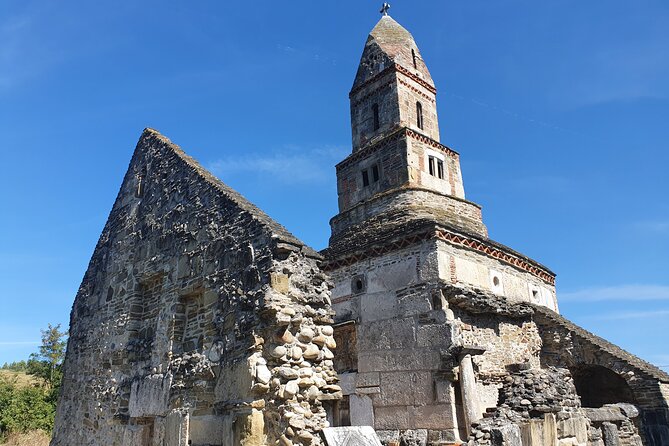
Densus Church and reused stones
Densus Church is one of the most unusual buildings on the route. The 45-minute stop costs extra for admission.
The church was built in stages on the remains of an earlier structure dating to the fourth century, with final changes made in the 13th century. Its appearance reflects that layered past. Ancient stones, later construction, and interior mural paintings dating to 1443 come together in a building that does not fit a single neat style.
That is precisely the appeal. Densus is not as grand as a major castle, but it rewards close attention. You are looking at a small religious monument shaped over many centuries, and its proposed place on the UNESCO list reflects its importance.
The available description cuts off before completing the interior details, so ask Nicolas what is open during your visit. The admission fee is not included.
Day three: Alba Iulia, Romania’s high road, and the return south
Alba Iulia’s seven-corner citadel
Alba Iulia receives two hours, with free admission for the listed visit. Its Alba Carolina Citadel is a Vauban-style fortress built around a seven-corner star design. Three lines of fortification surround the complex.
Two hours is generous enough to appreciate the scale and layout. This is not just a quick gate-and-photo stop. You can walk through the fortress area and understand how its design aimed to make attack difficult.
I like placing Alba Iulia on the final day because it gives the route a strong historical finish before the mountain drive. The citadel also provides a different kind of fortification from Poienari and Corvin Castle: more formal, geometric, and military in design.
Transalpina, Romania’s highest road
The Transalpina is described as Romania’s highest road, reaching 2,145 meters. The listed timing is only two minutes, so treat this as a viewpoint or drive-by rather than a full mountain-road excursion.
That short timing is worth clarifying before you book. The road may be a major part of the day’s scenery, but the schedule does not promise hours of stops there. The route’s historical nickname, The Devil’s Path, is linked to the shepherds who crossed it during seasonal movement between the Sibiu area and Wallachia.
You will get a sharp burst of mountain air and high views, but your actual experience depends on how much time the group spends on the road. Ask for a clear plan if Transalpina is high on your wish list.
Polovragi Cave’s 800-meter visit
Polovragi Cave takes about 90 minutes, and admission is not included. The cave extends for more than 10 kilometers, but only 800 meters are open for visits.
The contrast with the open mountain roads is welcome. Inside, you can see named formations and chambers, including the Spring of Hope, Bloody Vault, White Room, Divine Chamber, Dacian Oven, and King and Queen. The cave is warm and humid, so this stop has a different physical feel from the high roads.
Do not confuse the accessible section with a full underground expedition. You are seeing a selected 800-meter route, not the entire cave system. Still, an hour and a half gives the visit enough room to feel substantial.
Horezu Monastery and Romanian craft
The final stop is Horezu Monastery, also called Hurezi Monastery. The visit lasts about 45 minutes, and admission is not included.
Horezu is valued for its Romanian architectural style and is part of the UNESCO World Heritage list. The monastery also connects the tour with Horezu ceramics, one of the region’s best-known traditional crafts.
This is a fitting ending because it brings together faith, architecture, and local art. The stop is short, so you may not have time for an extended look at nearby workshops or shops. Still, it gives you a final cultural note after three days of roads, fortresses, and mountain scenery.
What is included, and what you still pay for
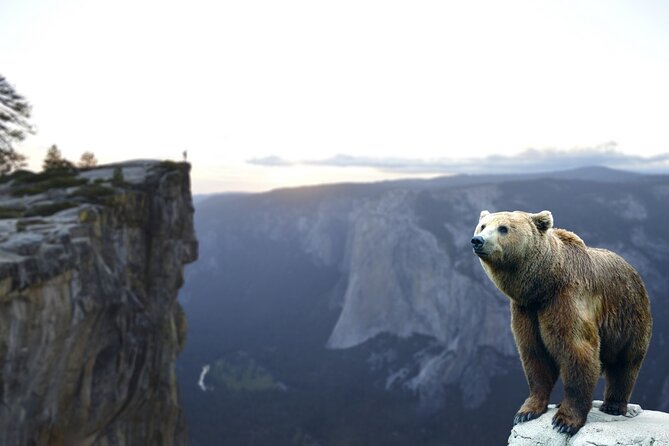
The private car or minibus is for your group alone. Included costs cover fuel, parking, road tolls, and complimentary wireless internet in the vehicle. Your guide’s accommodation, meals, and entrance fees are also covered.
You pay separately for your own:
- Hotel accommodation
- Meals and drinks
- Entrance tickets at Curtea de Arges Monastery, Poienari Fortress, Corvin Castle, Densus Church, Polovragi Cave, and Horezu Monastery
Hotel recommendations can be made according to your budget, but the hotel itself is not included. This arrangement gives you more control than a package with fixed lodging, though you need to make sure the final total is higher than the headline price.
The tour offers free cancellation up to 24 hours before the start time. Changes made inside that window are not accepted, and late cancellation is not refunded.
Who should book this private tour

I would choose this for a small group that wants to cover a lot of Romania without managing the driving. It works especially well for people interested in mountain roads, castles, Orthodox churches, and a guide who can explain the local setting as you go.
It is less suitable if you want slow travel, long museum visits, or a single base. The schedule includes many stops and substantial road time. Poienari also requires a serious stair climb, while the two mountain roads make weather and road access important points to confirm.
The tour is also a good fit if you are joining a river cruise or have only three free days before another part of your trip. One person who booked well ahead did so to secure Nicolas during the summer season, so early planning may matter if you want this specific guide.
Should you book it?
Book this tour if your priority is maximum variety with private guiding. In three days, you reach places that are spread across several Romanian regions, from royal Curtea de Arges to Sibiu, Corvin Castle, Alba Iulia, and the high Carpathian roads.
Think twice if the price does not fit your group, or if you prefer to spend a full day in one town. Before paying, confirm hotel costs, ticket prices, the expected Transfagarasan and Transalpina conditions, and how much time will actually be available on the Transalpina.
For an active group that wants Romania’s major mountain-road experience alongside castles and monasteries, this is an ambitious and memorable route. Nicolas’s personal guiding and the ability to adjust the schedule make the demanding pace easier to manage.
FAQ
Where does the three-day tour begin?
The tour is based in Bucharest, Romania, and pickup is offered.
Is this a private tour?
Yes. Only your group participates, using a private car or minibus reserved for you and your friends or family.
Is an English-speaking guide included?
Yes. A licensed English-speaking guide and driver, identified as Nicolas and also referred to as Nicu, is available throughout the tour.
Are hotels included in the price?
No. Accommodation is not included, but hotel recommendations can be provided according to your budget.
Are meals and drinks included?
No. Your meals and beverages are not included. The tour does cover the guide’s meals and accommodation.
Are entrance tickets included?
No. Entrance fees for the sites listed in the route are not included for your group. The guide’s entrance fees are covered.
How many stairs lead to Poienari Fortress?
The climb to Poienari Fortress involves 1,480 stairs.
Does the tour include the Transfagarasan Highway?
Yes. The first day allows about three hours on the Transfagarasan Highway.
Can the daily schedule be changed?
Yes. The tour offers flexibility for changes to the daily route, including after the tour has started.
What is the cancellation policy?
You can cancel for a full refund up to 24 hours before the experience begins. Cancellations or changes made less than 24 hours before the start time are not accepted for a refund.
Just added around Bucharest
- Private Full Day Tour of Bucharest★ 5.0 · 3 reviews
- Veliko Tarnovo and Medieval Bulgaria Private Day Trip from Bucharest★ 5.0 · 3 reviews
- Bucharest VIP Bar Crawl in Lipscani ‘Old Town’★ 5.0 · 3 reviews
- Muddy Volcanoes and Salt Mine Private Tour★ 5.0 · 3 reviews
- Bucharest Private City Tour★ 5.0 · 3 reviews
- Legends & Stories from Transylvania -2 Castles & Brasov Old Town★ 5.0 · 3 reviews
- 7-Day Dracula Tour in Romania from Bucharest including ‘The Ritual of Killing of a Living Dead’★ 5.0 · 3 reviews
- Transfagarasan Private Tour from Bucharest – 2 Days★ 5.0 · 3 reviews
Transfăgărășan Road Trips, compared.
Small group Bears ‘Safari’ on Transfăgărășan -max 7 tourists
Read our review →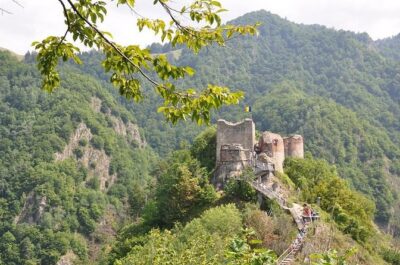
Brasov Private Tour: Transfagarasan road & Poienari Fortress
Read our review →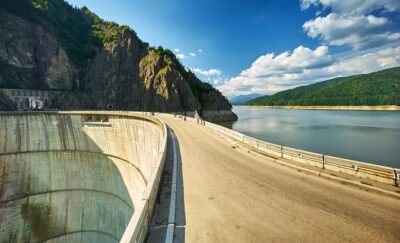
Small group max 7, Transfăgărășan the Top Gear Road
Read our review →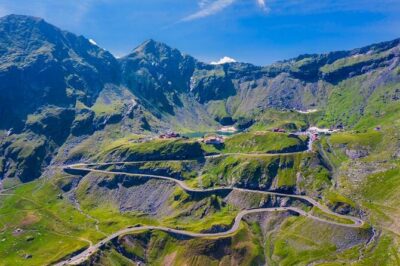
Transfăgărășan Highway & Balea Lake – Private Tour from Bucharest
Read our review →
Transfagarasan Highway, Balea Lake & Carta Monastery
Read our review →
SB09-Transfăgărășan Wonders:Journey through Bâlea Lake,Avrig
Read our review →Browse the lists this tour appears in