
Reviewed · BUCHAREST TOURS
4h Executive Private Tour Bucharest City – Fabulos Experience
The most striking part of this Bucharest tour is the sharp contrast between the Palace of Parliament, a vast monument to communist power, and the modest wooden homes at the National Village Museum. In one morning, you move from political megalomania to rural tradition, then along grand boulevards shaped by kings, dictatorship, and revolution.
I like the private car and flexible route, since you can adjust the day around what you have already seen. I also like the personal guiding: Nicolas or Dan can explain the city in English, answer questions, and avoid repeating sights you visited earlier.
The main consideration is time. The advertised duration is about four hours, while the listed stops add up to a little more than that. Entrance tickets are also extra, and the tour works best as a fast introduction rather than a slow visit to every site.
Key points to know before booking
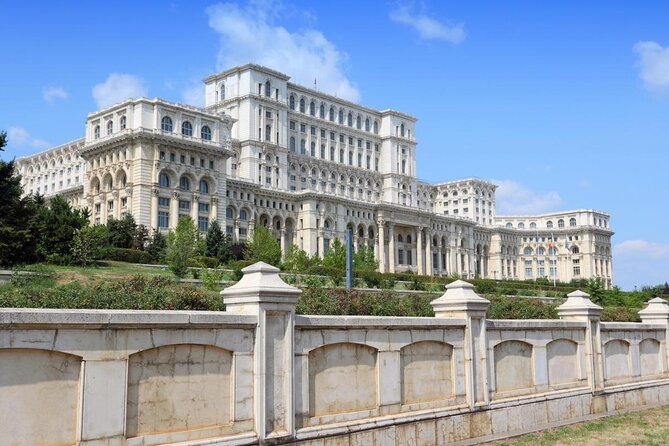
- Palace of Parliament focus: Spend about 90 minutes facing one of the world’s largest administrative buildings and learning how communist ambition reshaped Bucharest.
- Private transport: Your own car or minibus includes hotel pickup, drop-off, fuel, parking, road tolls, and taxes.
- Useful local flexibility: The guide can alter the day even after the tour begins, a real help if you have already visited central sights.
- Romanian traditions in one place: The Village Museum gathers traditional houses, mills, wooden churches, and rural buildings from across the country.
- Revolution history: Revolution Square links the former Communist Party headquarters with the December 1989 uprising that removed Nicolae Ceausescu.
- Tickets cost extra: Admission to the Palace of Parliament, Village Museum, Patriarchate, and Romanian Athenaeum is not included.
Why this four-hour route works for a first look at Bucharest
Bucharest can be hard to read at street level. Royal buildings sit near communist offices. Orthodox churches appear beside modern shops. Elegant avenues carry memories of monarchy, dictatorship, and the 1989 revolution, often within a few minutes of one another.
This private tour gives those contrasts a clear shape. You are not simply driven past famous buildings. The route connects political power, village life, religion, music, and public protest, giving you a useful first picture of Romania’s capital.
The private format matters. You travel only with your own group, family, or friends, and the guide can change the order or skip places you have already visited. That flexibility was especially useful for one couple who had spent several days in Bucharest before booking the tour. Their guide, Dan, adjusted the route instead of sending them back to the same sights.
Nicolas is another named guide associated with the tour. He drove a clean, comfortable car, answered questions patiently, and helped cover many major Bucharest highlights in four hours. The practical lesson is simple: tell the company what you have already seen before the morning begins, then repeat that request when the guide arrives.
A few more Bucharest day trips to weigh up
- Bucharest: Dracula’s Castle, Peles Castle, & Brasov Old Town
★ 4.5 · 17,858 reviews - Bucharest: Dracula Castle, Peles Castle & Brasov Old Town
★ 4.6 · 10,891 reviews - Bucharest: Dracula’s Castle, Peleș Castle & Brașov Day Trip
★ 4.5 · 5,919 reviews
Palace of Parliament: communist power in concrete and marble
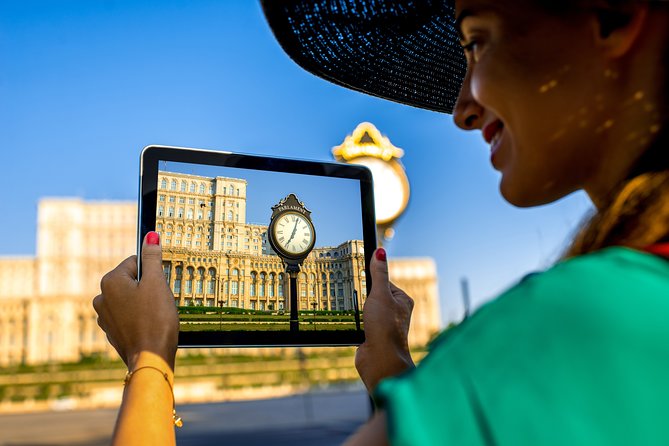
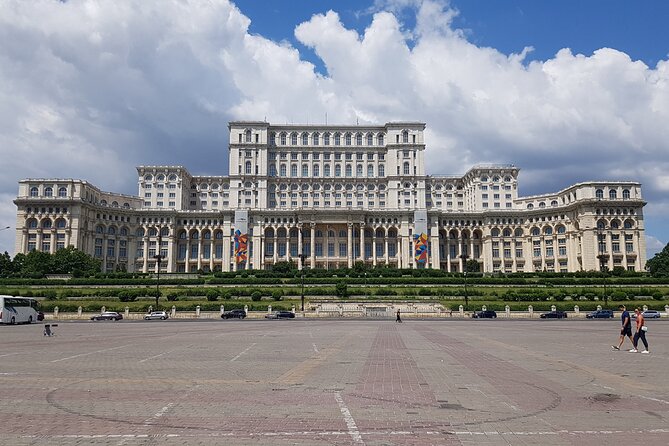
The tour usually gives the Palace of Parliament about 1 hour and 30 minutes, the longest stop of the day. That makes sense. This is not a building you understand from a quick photo outside.
Known during the communist era as the People’s House, the palace was ordered by Nicolae Ceausescu as part of a grand reconstruction of central Bucharest. Its scale is the point. The building represents how an authoritarian government could redirect enormous national resources toward one leader’s vision while ordinary people faced shortages and strict control.
Your guide’s role here is important. The walls, halls, and oversized rooms can feel impressive, but the moral lesson is more useful than the spectacle alone. You will consider how totalitarian power turns architecture into propaganda, and how grand public projects can conceal human costs.
Admission is not included, so add the ticket cost to the advertised tour price. The supplied details do not give a ticket price, opening schedule, or exact entry procedure, so confirm those points when booking.
You should also keep the timing in mind. Ninety minutes may allow a solid visit, but not an unhurried look at every section if entry or movement through the building takes time. If the palace is your main reason for booking, tell the guide early and protect this part of the route.
At $153.63 per person, the tour is not a bargain for a solo visitor. For a small private group, though, the figure pays for a dedicated guide, private transport, pickup, fuel, parking, and the ability to shape the morning. The value is strongest when you want context and convenience, not simply a ride between buildings.
Village Museum: rural Romania beside the city
The National Village Museum, officially the Muzeul National al Satului Dimitrie Gusti, gets about 45 minutes. It offers the tour’s clearest change of mood.
Here you see traditional Romanian houses made from wood, adobe, stone, and other local materials. The collection represents rural areas from across the country, so the visit acts as a compact introduction to regional building styles and village life.
The point is not just that the homes look old. The museum shows how families built practical surroundings from available materials and organized daily life around work, belief, and the seasons. Mills, wooden churches, and other national symbols help explain how communities preserved customs and a shared identity over many generations.
Forty-five minutes is enough for orientation and a guided walk, but it is short for a large open-air museum. You will not have time to inspect every house or linger at every structure. If traditional architecture interests you most, ask whether the guide can adjust the balance between this stop and the city-center drive.
Admission is extra. Wear practical shoes and be ready for outdoor walking, since the visit takes place among scattered buildings rather than inside one compact hall. The details supplied do not promise a particular route through the museum, so your guide’s choices will shape what you see.
This stop also keeps the tour from becoming only a lesson in dictatorship. Bucharest’s identity is not limited to its twentieth-century political scars. The museum gives you a look at the quieter foundations of Romanian life.
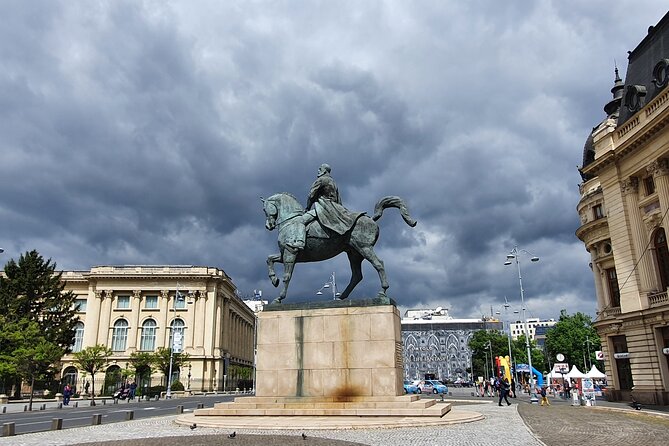
Calea Victoriei: royal elegance beside communist power
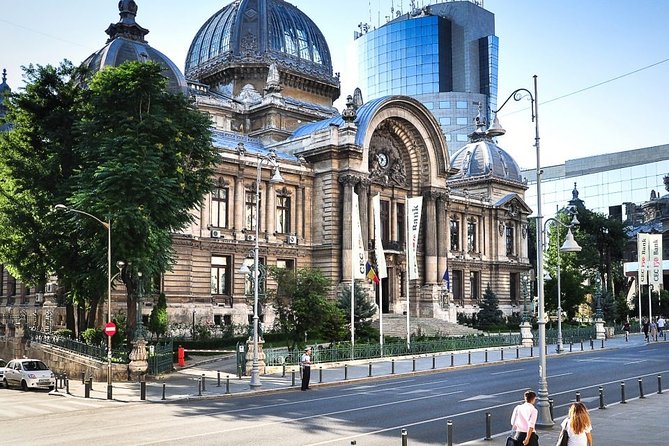
Calea Victoriei is the tour’s moving street scene, with roughly 45 minutes devoted to the avenue and its major sights. This is where Bucharest’s contradictions come into focus.
Along the route, you may see the Royal Palace on one side and the former Central Committee of the Romanian Communist Party near Revolution Square on the other. The contrast is not merely architectural. It reflects two systems of power that shaped the capital in different ways.
The avenue also brings together old Orthodox churches, museums, theatres, casinos, restaurants, tea shops, music stores, retail businesses, and souvenir shops. The National History Museum, Romanian Athenaeum, and CEC Palace are among the notable buildings mentioned for this part of the route.
Do not expect a long interior visit at every address. The schedule is designed to give you a guided overview, with the private vehicle helping you cover ground. If you want to enter the Athenaeum or another museum, ask about the plan before the tour starts. Some admissions are not included, and the short duration makes several interior visits unrealistic.
I like this section because it gives you the city as it really is: layered, imperfect, and full of reused spaces. A royal building, a communist office, a church, and a modern shop can all belong to the same short stretch of road.
Same corner of the country, a completely different day out:
- Bucharest: Palace of Parliament Tickets and Guide
★ 4.3 · 3,182 reviews - Bucharest: Day Trip to Dracula Castle, Peles Castle & Brașov
★ 4.4 · 3,049 reviews - Bucharest to Dracula Castle, Peles Castle and Brasov Guided Tour
★ 4.5 · 2,933 reviews - Bucharest: Palace of Parliament Tickets and Guided Tour
★ 4.4 · 1,877 reviews
Revolution Square: the moment the old regime cracked
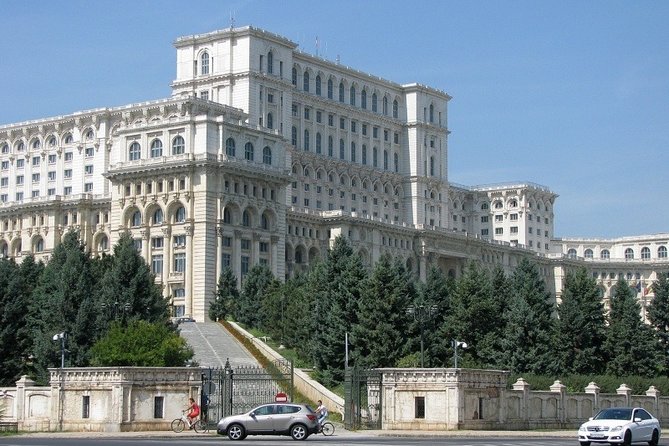
Revolution Square receives about 15 minutes, so treat it as a focused historical stop. The location matters more than the amount of time spent there.
In December 1989, the revolution that removed Ceausescu from power began around the former Central Committee building, now associated with the Senate Palace. The square is tied to the dramatic moment when Ceausescu fled by helicopter after losing control of the crowd.
A guide can make this stop much clearer than a quick photograph. You will hear about the political breakdown, the public uprising, and the questions that followed about state security, Ceausescu’s fortune, and alleged offshore accounts.
Fifteen minutes is brief. You will likely get the essential explanation and a chance to look around, not a full treatment of Romania’s communist period. If this subject matters greatly to you, use the drive between stops to ask questions. The private setting makes that possible.
The square works well after Calea Victoriei because you have already seen the old political center. The buildings stop being isolated sights and become evidence of a dramatic change in power.
Patriarchate Palace and Romanian Orthodox identity
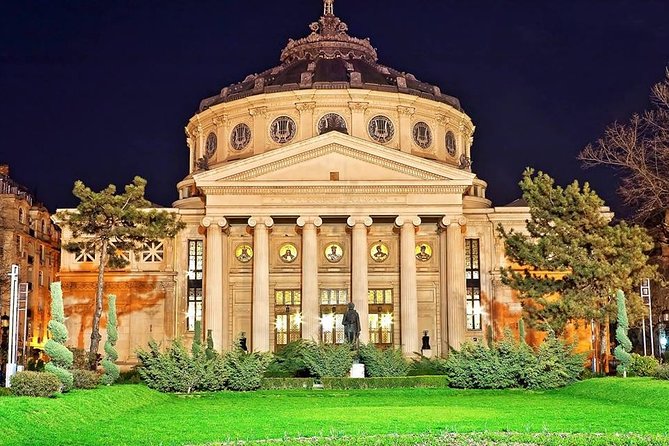
Palatul Patriarhiei is allotted about 30 minutes. The supplied description focuses on the role of patriarchs in Eastern Orthodoxy, Oriental Orthodoxy, Catholicism, the Hussite Church, and the Church of the East.
That makes this a religious and institutional stop rather than another communist-history lesson. You can use it to place Romania’s Orthodox tradition within the wider Christian world and to understand why religious buildings and church leadership remain important parts of the capital’s public identity.
Admission is not included. The information provided does not specify exactly which rooms are visited or whether the time includes a full interior tour, so ask the guide what is available on your date.
Thirty minutes gives the stop more weight than a passing view but less than a dedicated religious tour. It suits you if you want a broad city introduction. If you prefer architecture over institutional background, make that clear so the guide can explain the building’s visual and historical features in the way you find most useful.
Romanian Athenaeum: a short look at Bucharest’s musical landmark
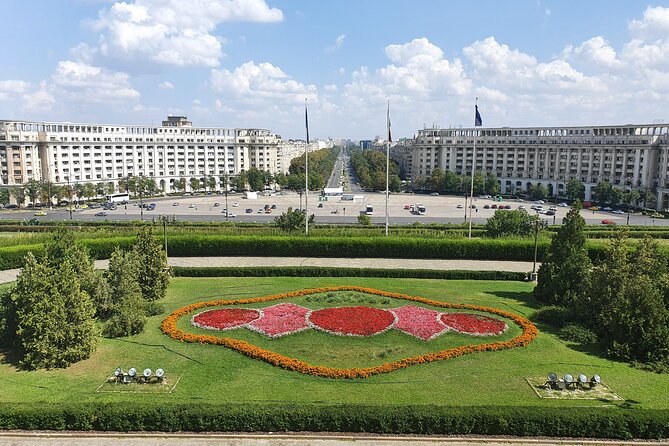
The final listed stop is the Ateneul Roman, or Romanian Athenaeum, with about 15 minutes. Opened in 1888, this ornate domed concert hall is home to the George Enescu Philharmonic and the George Enescu Festival.
Even with limited time, the Athenaeum adds a cultural note to a route otherwise dominated by political buildings and national institutions. Its role as a concert hall shows another side of Bucharest, one tied to music, performance, and civic pride.
Admission is not included. Fifteen minutes may be enough for an exterior explanation or a short look inside if access is available, but do not assume a concert or full interior visit is part of the tour. The details do not promise either.
This is a good example of why you should set priorities before pickup. If you want the Palace of Parliament and Revolution Square, the schedule already supports those aims. If you want time inside the Athenaeum or Village Museum, ask the guide to protect those minutes rather than treating every stop as fixed.
What the private car and guide add
Hotel pickup and drop-off are included throughout Bucharest. You wait in the lobby, or on the sidewalk if your address has no lobby. Airport pickup is also available: a representative waits near the InfoDesk in Arrivals on the main floor with a sign showing your name, then begins the tour and can later take you to a Bucharest address, hotel, or back to the airport.
That flexibility is useful if you have limited time or are fitting the tour around a flight. Still, do not assume the four-hour tour can absorb major delays. Confirm the pickup details and tell the company your flight plans clearly.
The private vehicle is listed as a tourism car or minibus, depending on your group. Gasoline, parking, road tolls, and taxes are covered. Food, drinks, and entrance fees are not.
The guide is a licensed English speaker and remains with you throughout the tour. Nicolas and Dan are named in the available comments, with Nicolas specifically praised for his clean car, patient answers, strong English, and broad coverage of Bucharest highlights. Dan is noted for arriving on time, speaking very good English, and changing the route to avoid repeated sights.
Those details point to the tour’s strongest feature: human adjustment. A fixed bus route can show you the same landmarks as everyone else. A private guide can ask what you care about and make better use of a short morning.
Price, timing, and who gets the best value
The price is $153.63 per person. Since the tour is private, the value depends heavily on group size. A single person pays a high premium for private service, while friends or family sharing the vehicle may find the cost more reasonable.
You are paying for more than transportation. The price includes pickup and drop-off, a private car or minibus, a licensed English-speaking guide, fuel, parking, road tolls, and taxes. That can be worthwhile in Bucharest if you want to cover several separated sights without arranging taxis or public transport.
The schedule needs careful reading. The listed stop times total about four hours and 20 minutes, before accounting for driving, pickup, traffic, and any entry process. Treat the times as a guide rather than a promise that every stop receives its full allocation.
The tour is booked an average of 58 days ahead, so planning early is sensible if you need a particular date. Confirmation arrives at booking. You can cancel for a full refund up to 24 hours before the start time, but cancellations or changes inside that window are not accepted and are not refunded.
Who should book this Bucharest tour
I would choose this tour for a first visit, a short stay, or a family group that wants the city explained without managing transport. It also suits you if communist-era architecture, the 1989 revolution, and the contrast between city institutions and rural traditions are high on your list.
It is a good fit for people who value questions and personal pacing. The guide can alter the route after the tour begins, and the experience is limited to your own group.
I would be more cautious if you want long museum visits, detailed church interiors, or a relaxed photographic walk. The route covers many subjects quickly, admission is extra, and several stops receive only 15 or 30 minutes.
FAQ
How long is the Bucharest private tour?
The tour lasts approximately four hours.
What language is the tour offered in?
The tour is offered in English with a private licensed English-speaking guide and driver.
Is hotel pickup included?
Yes. Hotel pickup and drop-off in Bucharest are included. You should wait in the lobby, or on the sidewalk if your address does not have a lobby.
Can I be picked up at Bucharest Airport?
Yes. A representative waits near the InfoDesk in Arrivals on the main floor with a placard showing your name. Airport drop-off is also available.
Are entrance tickets included?
No. Entrance tickets are not included for the Palace of Parliament, Village Museum, Patriarchate Palace, or Romanian Athenaeum.
Are food and drinks included?
No. Food and drinks are not included.
Can the itinerary be changed during the tour?
Yes. The tour includes flexibility for changes to the daily itinerary, even after the tour has started.
Is this a shared group tour?
No. This is a private activity, and only your own group participates. A private car or minibus is provided for you and your friends or family.
Should you book it?
Book it if you want a fast, guided introduction to Bucharest with private transport and room to change the plan. The Palace of Parliament, Village Museum, Calea Victoriei, and Revolution Square give you four very different ways to understand the capital in one morning.
The best value comes with two or more people, especially if you want hotel or airport pickup and a guide who can explain the city in clear English. Before paying, confirm which interiors you most want to enter and budget separately for admission tickets.
Skip it if you prefer to spend half a day inside one museum or explore at a slow pace. For everyone else, this is a practical way to connect Bucharest’s royal past, communist scars, rural traditions, religious life, and 1989 revolution without wasting time finding your way between them.
Just added around Bucharest
- Private Full Day Tour of Bucharest★ 5.0 · 3 reviews
- Veliko Tarnovo and Medieval Bulgaria Private Day Trip from Bucharest★ 5.0 · 3 reviews
- Bucharest VIP Bar Crawl in Lipscani ‘Old Town’★ 5.0 · 3 reviews
- Bucharest Private City Tour★ 5.0 · 3 reviews
- Muddy Volcanoes and Salt Mine Private Tour★ 5.0 · 3 reviews
- Legends & Stories from Transylvania -2 Castles & Brasov Old Town★ 5.0 · 3 reviews
- Transfagarasan Private Tour from Bucharest – 2 Days★ 5.0 · 3 reviews
- 7-Day Dracula Tour in Romania from Bucharest including ‘The Ritual of Killing of a Living Dead’★ 5.0 · 3 reviews
Bucharest Tours, compared.
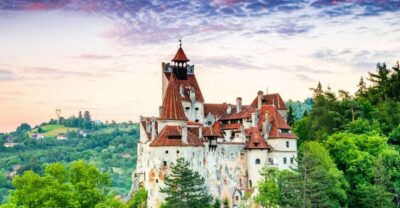
Dracula’s Castle, Peles Castle, & Brasov Old Town
Read our review →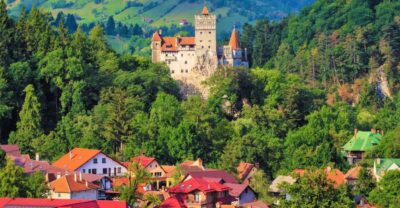
Dracula Castle, Peles Castle & Brasov Old Town
Read our review →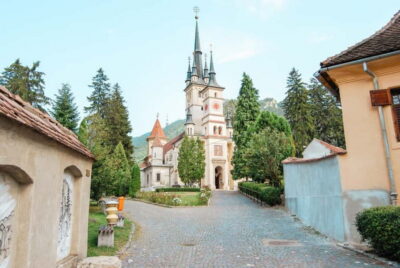
Dracula’s Castle, Peleș Castle & Brașov Day Trip
Read our review →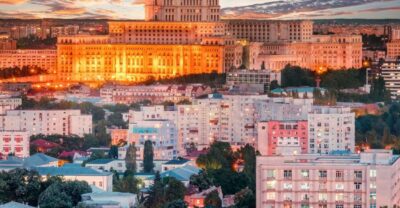
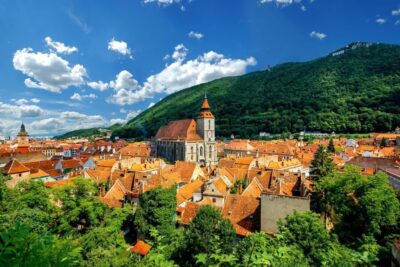
Day Trip to Dracula Castle, Peles Castle & Brașov
Read our review →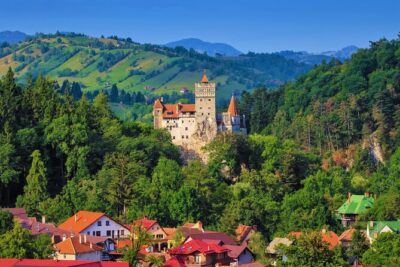
Bucharest to Dracula Castle, Peles Castle and Brasov Guided Tour
Read our review →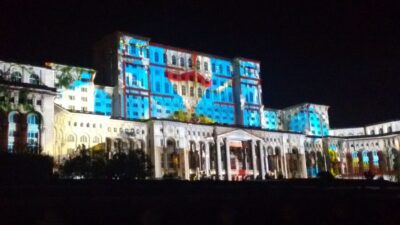
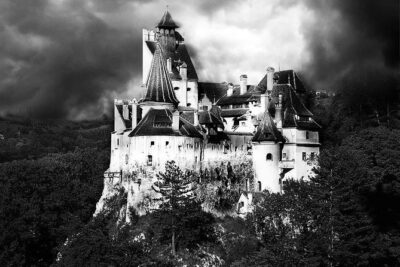
Dracula’s Castle, Peles Castle and Brasov Day Trip from Bucharest
Read our review →Browse the lists this tour appears in