Reviewed · BUCHAREST TOURS
8 Days Private Romania Tour from Bucharest
Romania reveals itself slowly, and this eight-day private circuit gives you time to see far more than Bucharest and Bran Castle. You travel from Wallachian monasteries and Dracula country to wooden churches, painted Moldavian monasteries, communist-era memorials, and high mountain roads.
I like the freedom of having your own car and guide, especially on a route with this much ground to cover. I also like the human touches: funny stories, local food stops, colorful villages, and places such as the Nicolae Popa Museum that larger tours often skip.
The trade-off is clear: there is a lot of driving. The route is rewarding, but some days are long, and the price of $2,825.81 per person does not include your hotels, meals, drinks, or attraction tickets. You pay for privacy, flexibility, and a guide who stays with you throughout.
Key points to know before booking
- Poienari Fortress requires time and effort: The ruined castle sits high above the Arges River and connects directly to Vlad the Impaler.
- The Transfagarasan is seasonal: The famous mountain road is usually fully open only from June through October.
- The route reaches remote cultural sites: Maramures, Ciocanesti, and Bucovina offer a side of Romania that is easy to miss without a private vehicle.
- Five painted monasteries fill one busy day: Voronet, Humor, Sucevita, and Moldovita are the main highlights, with the Lucia Condrea egg museum added to the mix.
- The guide matters greatly: Nicolas is described as punctual, friendly, well prepared, and generous with local stories and jokes.
- Costs need careful planning: Accommodation, food, drinks, and entrance fees are all paid separately.
A private Romanian road trip with real range
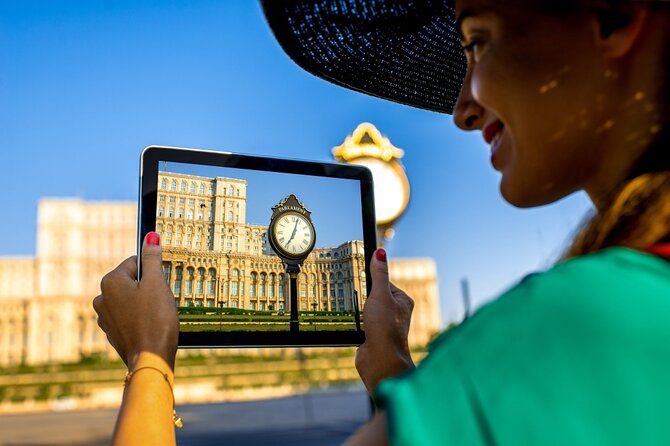
This is not a relaxed stay in one region. It is a moving journey across much of Romania, with a private car or minibus reserved for your group. A licensed English-speaking guide and driver remains available throughout the tour, and the itinerary can be changed after the trip begins.
That flexibility is valuable here. Mountain weather, road conditions, opening times, and your own energy can all affect the day. If a monastery visit takes longer than expected, or you want more time in an old town, a private guide can adjust the pace more easily than a fixed group departure.
The car includes wireless internet, fuel, parking, and road tolls. Your guide’s accommodation and meals are also covered, but yours are not. The operator can recommend hotels according to your budget, which is useful because you will need to arrange several nights in different parts of the country.
A few more Bucharest day trips to weigh up
- Bucharest: Dracula’s Castle, Peles Castle, & Brasov Old Town
★ 4.5 · 17,858 reviews - Bucharest: Dracula Castle, Peles Castle & Brasov Old Town
★ 4.6 · 10,891 reviews - Bucharest: Dracula’s Castle, Peleș Castle & Brașov Day Trip
★ 4.5 · 5,919 reviews
Day 1: Curtea de Arges, Poienari, Sibiu, and the Transfagarasan
The opening day quickly shows you the shape of the trip: sacred sites, medieval history, dramatic roads, and plenty of time in the car.
At Curtea de Arges, you see the remains of the Wallachian princely court, the 13th century Royal Church, and Curtea de Arges Monastery. The monastery is especially important because it contains royal tombs. Allow about 30 minutes here, with the admission ticket paid separately.
Poienari Fortress is more rugged and dramatic. The ruins sit on a cliff above the Arges River, at the edge of the Carpathians. Vlad the Impaler repaired the fortress and used it as one of his main strongholds. When Ottoman forces captured it in 1462, Vlad escaped through a secret mountain passage.
The visit lasts about two hours, and this is one of the places where you should ask your guide about the physical demands before setting out. The fortress is high on a cliff, so it is not simply a roadside castle stop. The reward is the setting and the connection to Vlad, not polished rooms or intact furniture.
Sibiu gives you a change of pace. In the Big Square, you can see the Evangelical Cathedral, the old center, and the handsome architecture that helped the city earn European Capital of Culture status. You have about an hour, enough for a first walk and photographs, but not enough for a slow museum day.
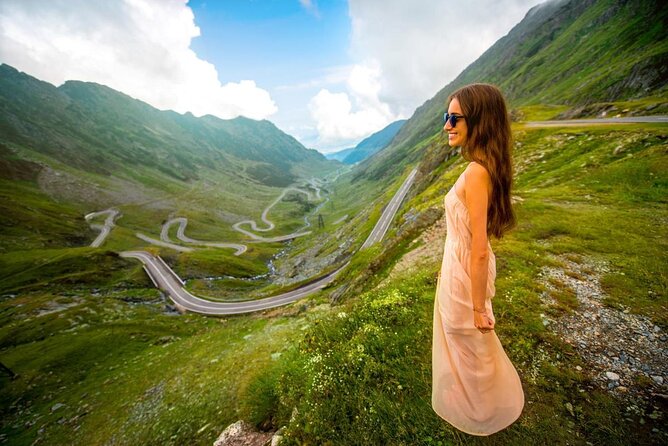
The Transfagarasan Highway is the day’s grand finale. The road stretches for more than 150 kilometers and reaches 2,042 meters at the tunnel near Balea Lake. Its hairpin turns and mountain views are the main attraction, though weather and seasonal closures matter. Fully open access is generally limited to June through October, so confirm conditions before you book.
Day 2: Salt mines, Cluj, and Maramures woodwork
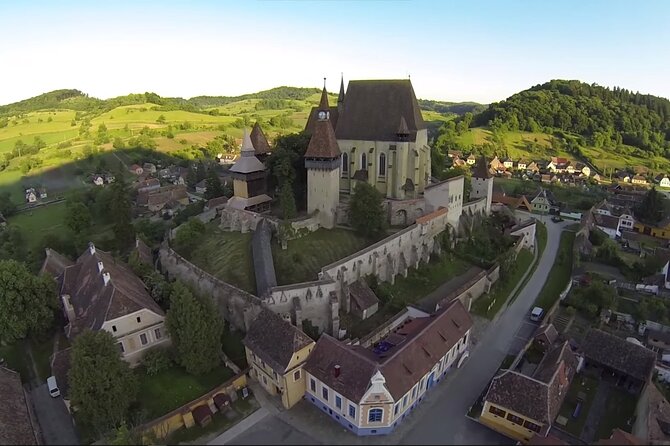
Salina Turda is one of the tour’s most unusual stops. Thousands of years of salt mining have left behind Roman-era traces, old machinery, carved details, and large underground chambers. You see the Iosif, Terezia, and Rudolf mines, along with a salt altar and the Stairway of the Rich.
The saline air is often promoted as helpful for respiratory problems, allergies, or asthma. Treat that as a pleasant feature rather than medical treatment, but the underground setting alone makes the visit worthwhile. Two hours gives you time to take in the scale without rushing.
Next comes the Alexandru Borza Botanical Garden in Cluj-Napoca, with about 90 minutes scheduled. The city itself has Baroque, Renaissance, and Gothic buildings, along with restaurants known for local food. If you want a proper meal in Cluj, tell your guide early so the schedule can allow for it.
Surdesti Wooden Church offers a sharp contrast to the underground mine and city streets. Built in 1721, the church is known for its remarkable tower and careful timber construction. The visit lasts about 45 minutes. It is a short stop, but it gives you a useful introduction to the wooden religious architecture that becomes more important in Maramures.
This day is a good example of the tour’s variety, but it is also a reminder that the schedule is ambitious. You move from Turda to Cluj and onward toward the northern regions. The route works best if you enjoy changing scenery and do not need long, unplanned breaks.
Day 3: Humor in the Merry Cemetery and hard truths at Sighet
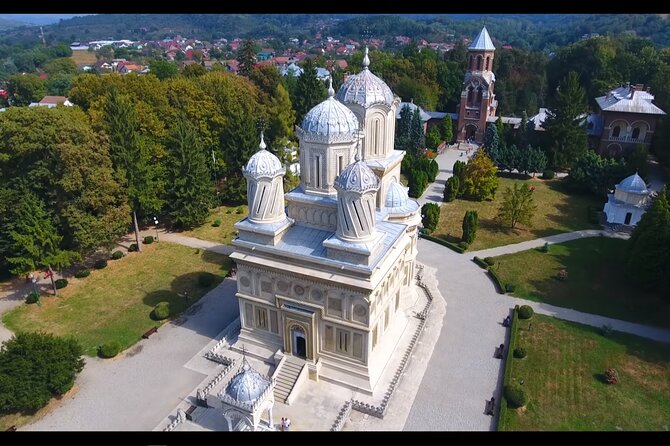
Sapunța’s Merry Cemetery is unlike any ordinary cemetery. Brightly painted crosses carry humorous poems about the people buried there. The tone can be surprising, even playful, but it reflects a local way of facing death with storytelling rather than silence.
You have about an hour here. Take time to read the carvings if you can, since the words matter as much as the colors. An English-speaking guide is especially useful because the humor and local references do not always translate at a glance.
The Memorial of the Victims of Communism and of the Resistance in Sighet changes the mood completely. Set aside two hours for this museum. It examines political imprisonment, oppression, and the suffering caused by Romania’s totalitarian regime.
This is one of the most important stops for understanding modern Romania. Castles and churches show you the country’s older story, but this memorial helps explain the fear, resistance, and social scars left by communism. It is serious and emotionally demanding, so do not plan it as a quick photo stop.
The day ends at Sapanta-Peri Monastery, a wooden church associated with Maramures. The site is set near Sapunta village in a dendrology park, and the stop lasts about 45 minutes. Together, the cemetery, memorial, and monastery create a thoughtful day: humor, grief, faith, and memory are all part of the experience.
Same corner of the country, a completely different day out:
- Bucharest: Palace of Parliament Tickets and Guide
★ 4.3 · 3,182 reviews - Bucharest: Day Trip to Dracula Castle, Peles Castle & Brașov
★ 4.4 · 3,049 reviews - Bucharest to Dracula Castle, Peles Castle and Brasov Guided Tour
★ 4.5 · 2,933 reviews - Bucharest: Palace of Parliament Tickets and Guided Tour
★ 4.4 · 1,877 reviews
Day 4: Barsana, the Borgo Pass, and painted village life
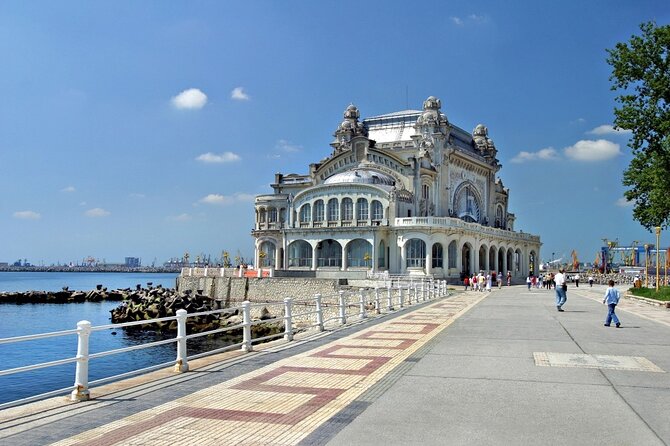
Barsana Monastery is one of the most graceful sites on the route. Its wooden church reaches about 57 meters, and the complex has a strong sense of place among the hills of Maramures. You have 45 minutes, enough to walk through the grounds and appreciate the timber work.
The three-hour drive through Tihuta Pass, also called Borgo Pass, is less about a single attraction and more about seeing how people move through Romania’s mountain country. The pass reaches about 1,201 meters and links Moldavia with Transylvania.
Traffic can slow the journey, especially behind trucks. That is an important practical point. You are not on a fast transfer route, and the road may take longer than a map suggests. Still, the road conditions are described as good, and there are relatively few villages along the route.
Ciocanesti adds color and local character. Houses in this northern village are decorated with elaborate patterns inspired by traditional designs, making the whole settlement feel different from the stone towns and fortified churches elsewhere on the route. You have an hour to look around.
This is one of the best days for an unhurried guide. Ask Nicolas about the village designs, local customs, and the road through the pass. His reputation for jokes and local stories is particularly useful during the long stretches between stops.
Day 5: Bucovina’s painted monasteries

Day five is devoted to some of Romania’s most important religious art. Voronet Monastery is the star for many people, thanks to the intense blue used in its exterior frescoes. The monastery was built by Stephen the Great in 1488 in only three months and three weeks, according to its traditional account.
You have 45 minutes at Voronet. Look closely at the painted walls rather than rushing through for a single photograph. The biblical scenes are designed to be read visually, and your guide can help explain what you are seeing.
Humor Monastery is another fortified religious site, built roughly 500 years ago. Its survival reflects the importance of faith and defense in this region, where monasteries had to protect their spiritual and artistic treasures through repeated periods of danger.
Sucevita Monastery is known for its fortified walls and extensive painted scenes. It is part of the UNESCO cultural heritage of the region, and the artwork makes the church feel like a large illustrated book. Give yourself time to compare the colors and themes with those at Voronet and Humor.
Moldovita Monastery combines Byzantine, Gothic, and Moldavian elements. The murals cover both interior and exterior surfaces, making the church feel larger than its modest scale. Again, the scheduled visit is about 45 minutes, so the overall day moves quickly.
The Lucia Condrea International Egg Museum is a welcome change after so many churches. It displays more than 5,500 decorated eggs across two floors and 56 cases. The collection gives you a direct look at regional craft traditions, and the hour and a half scheduled here should allow a proper visit.
Five cultural sites in one day is a lot. I would not choose this tour if you prefer to spend half a day studying one monastery. But if you want a broad look at Bucovina’s art, faith, and folk traditions, this concentrated schedule makes good use of your time.
Day 6: Bicaz Gorge, Red Lake, and an artist’s house
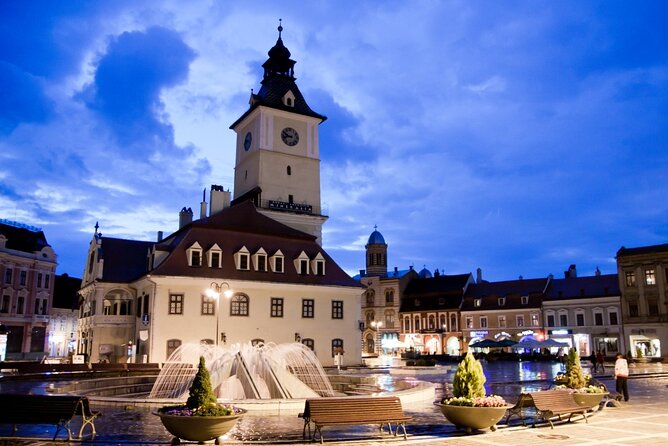
Bicaz Gorge brings the trip back outdoors. The road cuts through about eight kilometers of ravines, with rock walls on one side and steep drops on the other. It is one of Romania’s most striking drives and also a known climbing area.
The gorge is a passage between Moldavia and Transylvania. Keep your camera ready, but also watch the road and traffic. This is an active mountain route, not a quiet walking trail for the entire two-hour stop.
Nearby Red Lake sits at about 980 meters. A landslide formed the lake in the 19th century, though the exact year and causes remain debated. You have 45 minutes, enough for a short look at the water and the traditional cabins, hotels, and mountain setting around it.
The Popa Museum in Tarpești is a smaller, more personal attraction. Sculptor Nicolae Popa founded it in his own home during the 1970s. After being wounded in the Second World War and imprisoned by the communist regime, he devoted himself to Romanian folk values and naive sculpture.
That backstory gives the museum weight beyond its size. You are not just visiting a formal institution. You are seeing the work and home of an artist who used his craft to hold on to local identity during difficult times.
Day 7: Sighisoara, Viscri, and Brasov
Sighisoara is the medieval centerpiece of the final part of the journey. Its citadel has remained inhabited for more than 700 years, which makes the old town feel like a living neighborhood rather than a preserved stage set.
The Clock Tower and Arms Museum are included in a two-hour visit. The tower gives you a strong starting point for understanding the old fortress, while the town’s link to Vlad the Impaler adds another connection to the Dracula story.
Viscri offers a quieter village experience. Its fortified church dates back to the 12th century, and the village became well known through Prince Charles’s visits and the work of the Mihai Eminescu Trust. You have two hours here, which is generous compared with several earlier stops.
The village is valuable because it shows how rural Transylvania can look beyond the famous castles. You see a place shaped by local traditions, preservation work, and renewed interest from outside Romania.
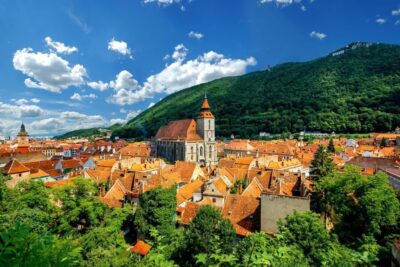
In Brasov, the Council Square is surrounded by 18th and 19th century buildings and has served as a market setting for centuries. The two-hour stop lets you walk the historic center at a comfortable pace. It is a good place to take stock of the trip before the final day’s major castles.
Day 8: Bran Castle, Peles Castle, and Sinaia Monastery
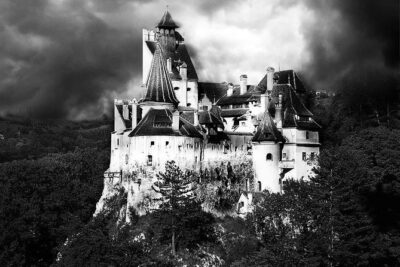
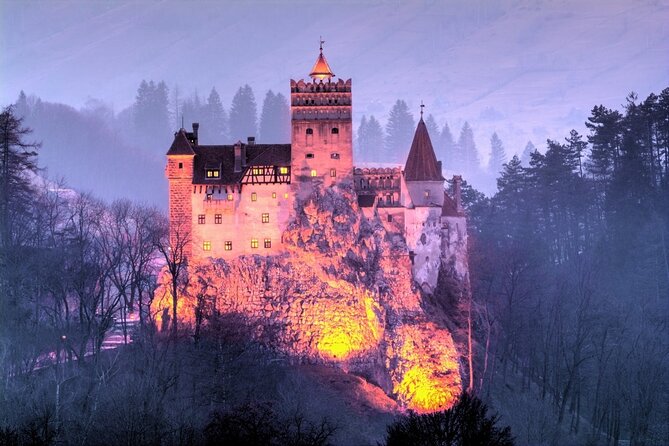
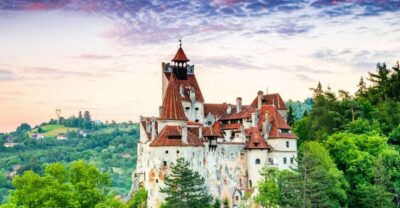
Bran Castle is the famous Dracula stop, though its connection to Bram Stoker’s fictional castle is based more on appearance and later popular imagination than on a direct historical link. The castle itself is still worth seeing for its hilltop setting, rooms, and connection to Romanian royal and medieval stories.
Plan on two hours, with admission extra. Outside, you can sample traditional foods such as handmade cheeses, plum or pear brandy, ham, and sausages. These tastings help make Bran more than a quick castle photograph.
Peles Castle is the more refined architectural experience. It served as the Romanian royal family’s summer residence and is often the castle that surprises people most. You have two hours, though the time may pass quickly if you want to study the rooms and details.
Sinaia Monastery completes the tour with a quieter religious stop. Founded in 1695 by Prince Mihail Cantacuzino, it was named after Saint Catherine’s Monastery on Mount Sinai. The monastery remains home to Orthodox monks, and the scheduled visit lasts about 30 minutes.
The final day gives you the contrast this tour does best: popular legend at Bran, royal grandeur at Peles, and living religious tradition at Sinaia.
Is $2,825.81 per person good value?
The price is high for Romania, but the comparison needs care. This is not simply eight days of transport. You receive a private vehicle, a licensed English-speaking guide and driver, fuel, parking, tolls, internet in the car, and the ability to alter the route for your own group.
Still, you must add accommodation, meals, drinks, and every entrance fee. That means the final cost will be noticeably higher than the advertised amount. Ask for a clear hotel plan and a realistic estimate of admission costs before committing.
The value is strongest for families or friends who would otherwise need to arrange several hotels, long transfers, and regional tours on their own. A private group can also split the vehicle cost, and group discounts may be available.
The value is weaker if you are happy with public transport, independent planning, or a slower trip based in just one or two towns. Romania rewards independent exploration, but this route reaches places that are difficult to connect efficiently without a car.
Who should book this Romanian tour?
I would choose it if you want a broad first look at the country and enjoy road trips. It suits people who want medieval towns, castles, folk art, religious architecture, mountains, and difficult modern history in one journey.
Families may appreciate the private format, especially since the daily pace can be adjusted. Couples and friends will also benefit from having the car to themselves rather than managing a large group.
I would think twice if long drives make you miserable. Several days include three hours on the road, and the full route covers a large part of Romania. You should also be comfortable with busy sightseeing days, changing hotels, and paying extra for most major attractions.
The guide can make or break a trip like this. Nicolas is described as punctual, friendly, prepared with information, and quick with a joke. Those details matter when you spend so much time together in a vehicle.
Should you book it?
Book this tour if your goal is to understand Romania through its roads, villages, churches, castles, and stories rather than through one city. The route is unusually broad, and the private format gives you control that a fixed group tour cannot.
Before paying, confirm the season for the Transfagarasan, the exact hotel standards, the expected vehicle size, and the total cost of admission fees. If you accept the long drives and extra expenses, this is a strong choice for a first Romanian circuit, especially when shared by a family or small group.
FAQ
Is this tour private?
Yes. Only your group participates, and the tour uses a private car or minibus for you and your friends or family.
Is an English-speaking guide included?
Yes. A private licensed English-speaking guide and driver is available throughout the tour. Nicolas is the guide name associated with the experience details.
Are hotels included in the price?
No. Accommodation is not included. The operator can recommend hotels based on your budget.
Are meals and entrance fees included?
No. Your meals, beverages, and entrance fees are extra. The guide’s accommodation, meals, and entrance fees are included.
Is the Transfagarasan Highway open all year?
The highway is fully open only from about June through October. Seasonal access can affect the itinerary.
Can the itinerary be changed during the tour?
Yes. The private format allows flexibility, including changes to the daily itinerary after the tour has started.
Just added around Bucharest
- Private Full Day Tour of Bucharest★ 5.0 · 3 reviews
- Veliko Tarnovo and Medieval Bulgaria Private Day Trip from Bucharest★ 5.0 · 3 reviews
- Bucharest VIP Bar Crawl in Lipscani ‘Old Town’★ 5.0 · 3 reviews
- Muddy Volcanoes and Salt Mine Private Tour★ 5.0 · 3 reviews
- Bucharest Private City Tour★ 5.0 · 3 reviews
- Legends & Stories from Transylvania -2 Castles & Brasov Old Town★ 5.0 · 3 reviews
- 7-Day Dracula Tour in Romania from Bucharest including ‘The Ritual of Killing of a Living Dead’★ 5.0 · 3 reviews
- Transfagarasan Private Tour from Bucharest – 2 Days★ 5.0 · 3 reviews
Bucharest Tours, compared.
Dracula’s Castle, Peles Castle, & Brasov Old Town
Read our review →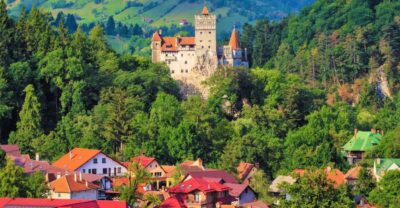
Dracula Castle, Peles Castle & Brasov Old Town
Read our review →
Dracula’s Castle, Peleș Castle & Brașov Day Trip
Read our review →
Day Trip to Dracula Castle, Peles Castle & Brașov
Read our review →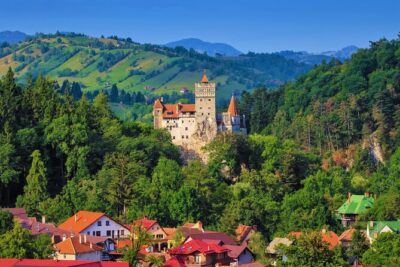
Bucharest to Dracula Castle, Peles Castle and Brasov Guided Tour
Read our review →