
Reviewed · SELF-GUIDED TOURS
Orsova: Entire Area Boat Tours with Audio Guide
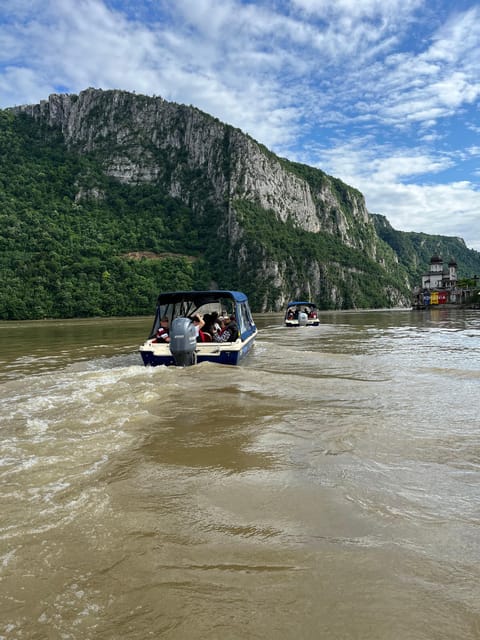
The most striking part of this Danube boat tour is the sudden change from open water to the narrow Cauldrons, where steep cliffs press close to the river. You’ll also see the famous Decebalus rock sculpture from the water, an unforgettable sight and one of the main reasons to make this trip from Orșova.
I like the private group format for up to six people, since you are not packed into a large sightseeing vessel. I also like the mix of natural sights, Roman-era remains, caves, a monastery, and modern engineering. The main consideration is that this is a long sitting excursion with transfers onto cave pontoons, so it is not suitable for wheelchair users, people with serious back problems, recent surgery, or pregnancy.
Key points to know before boarding
- The Decebalus sculpture is the visual highlight: You get a clear river-level view of Europe’s tallest rock sculpture.
- Eight major stops pack plenty into 140 minutes: The route includes caves, Roman remains, a monastery, the Iron Gates, and sunken Ada-Kaleh.
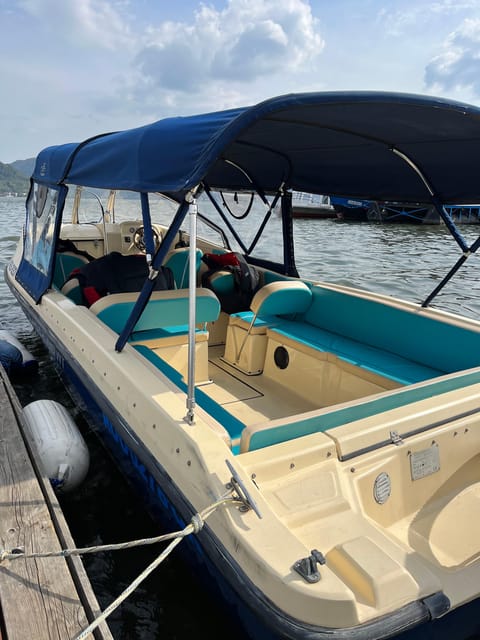
- A 14-seat boat keeps the trip personal: The vessel has a sunroof, engine-powered cruising, life jackets, and room for a small private group.
- Veterani Cave costs extra: Entry is about $2, and the cave visit is led by another local guide.
- The audio guide covers four languages: English, Hungarian, Spanish, and German are available, while the host or greeter speaks English and Romanian.
- The price works best for a full group: At $392 for up to six people, the cost is much easier to justify when shared among family or friends.
Orșova and the start at Cerna Bay
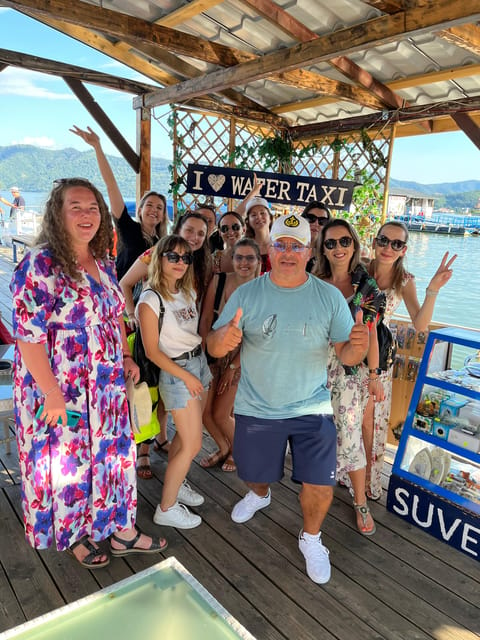
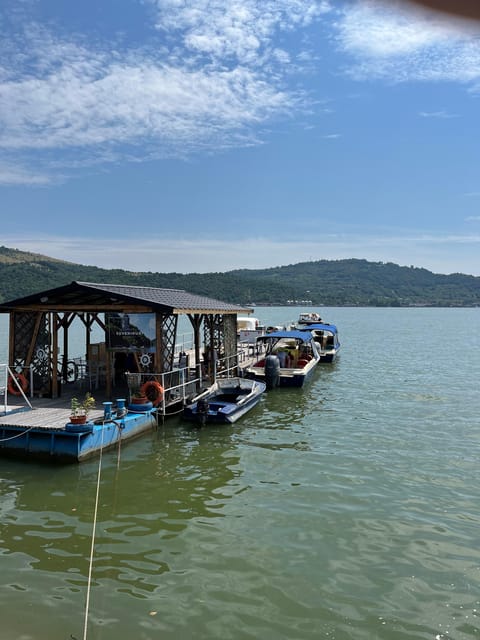
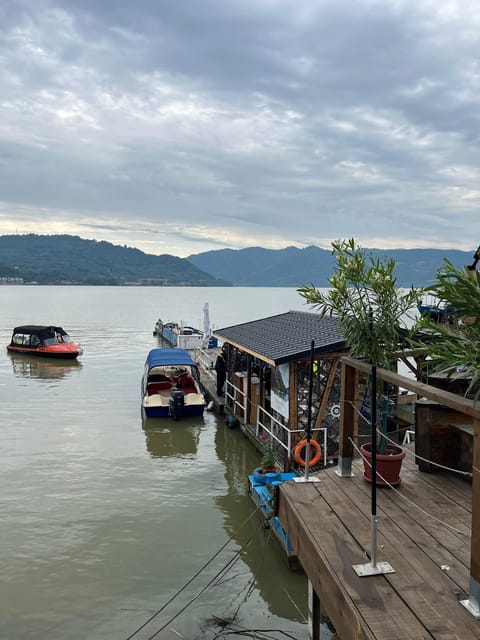
The tour begins at Debarcader WT, a wooden platform beside the riverside walking path in Orșova. Look for the black-roofed pontoon and the two banners bearing the operator’s logo. The platform is close to Hotel Apolodor, which makes it easier to find than a vague riverside meeting point.
Orșova sits beside Cerna Bay, the broad stretch of water created after the Iron Gates I Dam was completed in the early 1970s. That detail matters because the scenery here is not simply a natural river valley. You are looking at a place reshaped by one of Europe’s major river engineering projects.
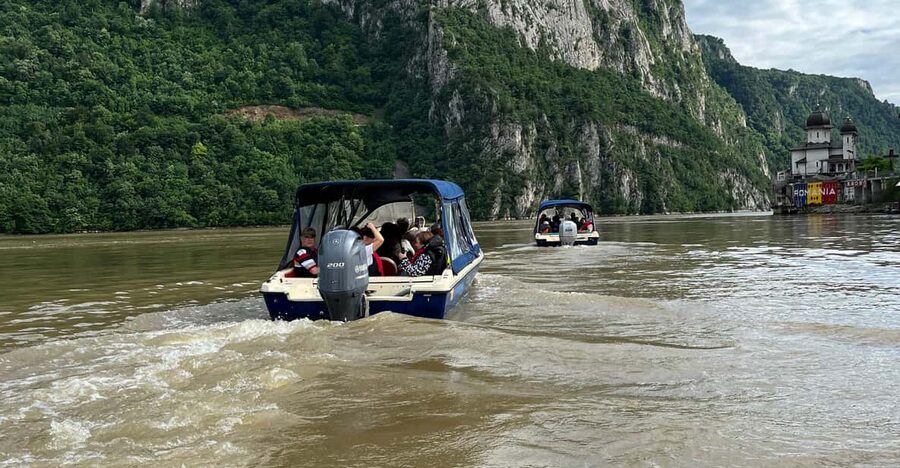
The boat holds 14 people, though this booking is sold as a private group for up to six. That gives you a quieter ride than a large public cruise and makes it easier to hear the audio narration. The sunroof is useful on bright days, but bring sunglasses, sunscreen, and comfortable clothing because you will be exposed to the open river for much of the trip.
Life jackets are provided for everyone. You should also bring cash, especially if you plan to enter Veterani Cave, and headphones if you prefer to listen to the audio guide privately.
A few more Romania day trips to weigh up
- Orsova: Danube’s Cauldrons Boat Tours with Audio Guide
★ 4.8 · 28 reviews - Danube Delta – Private Tour with Boat Trip & Traditional Lunch
★ 4.5 · 24 reviews - Boat Trip to Caraorman Forest – Danube Delta (6–7 hours)
★ 4.8 · 21 reviews
Trajan’s Plaque and the Roman frontier
One of the first important stops is Trajan’s Plaque, also known as Tabula Traiana. This Roman inscription has watched over the Danube for more than 2,000 years.
The plaque commemorates the road built by Roman Emperor Trajan during the campaigns against the Dacians. You will see it from the river, with time for photographs and an audio explanation. Its position on the rock face is part of the appeal. This is not a museum object behind glass. It remains tied to the river route that made the frontier strategically important.
The stop is mainly for sightseeing and photographs rather than a long shore visit. If you want a detailed understanding of the Roman campaigns, listen closely to the audio guide and keep your camera ready. The boat pauses, but you will not have unlimited time to frame every shot.
Decebalus, the Danube’s most dramatic photo stop
The Rock Sculpture of Decebalus is the moment when the tour becomes instantly recognizable. Carved into the cliff above the river, the enormous face of the Dacian king dominates the waterway.
The sculpture is described as Europe’s tallest rock monument and the third-largest rock sculpture in the world. From the boat, its size is difficult to judge at first. Then the features come into focus, and you realize how much cliff has been shaped into a single face.
This is one of the best reasons to take the boat instead of relying only on a roadside viewpoint. The river gives you a broad, unobstructed angle, and the stop is designed for photographs and guided sightseeing.
You may find that the sun affects your pictures, depending on the time of day. Still, the river-level perspective is the thing to remember. I would keep this stop in mind when deciding how much camera equipment to bring, since the sculpture is likely to produce the most memorable images of the outing.
Mraconia Monastery beside the water
Mraconia Monastery provides a quieter change of pace after the giant sculpture. The monastery sits near the river, framed by cliffs and water, and the boat pauses for photographs and narration.
This stop is more about atmosphere and setting than a long interior visit. The monastery’s position beside the Danube gives it a strong visual connection to the river route. You can listen to the explanation, take a few pictures, and appreciate how religious sites, old trade routes, and the reservoir share the same narrow corridor.
The tour does not promise an extended visit inside the monastery, so plan on seeing it from the boat rather than treating this as a full monastery tour. That is not a flaw, but it helps set expectations.
Same corner of the country, a completely different day out:
- Bucharest: Dracula’s Castle, Peles Castle, & Brasov Old Town
★ 4.5 · 17,858 reviews - Bucharest: Dracula Castle, Peles Castle & Brasov Old Town
★ 4.6 · 10,891 reviews - Bucharest: Dracula’s Castle, Peleș Castle & Brașov Day Trip
★ 4.5 · 5,919 reviews - Bucharest: Palace of Parliament Tickets and Guide
★ 4.3 · 3,182 reviews
Veterani Cave and the extra entrance fee
Veterani Cave has both natural appeal and military history. It was once used as a strategic military hideout, making it more than just a dark opening in the cliff.
The boat may stop at the cave’s pontoon, but the landing depends on security measures at the time. If everyone in your group agrees to visit, you pay an additional entrance fee of about $2 per person. The cave visit lasts about 20 minutes and is conducted by another local guide, not by the boat company’s guide.
That arrangement is worth understanding before you board. The cave admission is not included in the $392 price, and the boat company cannot promise the landing in every situation. If you skip the cave, you still receive the audio information from the boat.
Bring cash for this stop. Also wear shoes with a good grip. The tour specifically recommends comfortable shoes, and that advice makes sense for a cave landing and short visit.
Ponicova Cave, a passage through the rock
Ponicova Cave is a different sort of cave experience because it has a through-and-through formation. The river route lets you see how water and rock have created a natural passage through the cliffs.
The stop includes a visit, guided information, and time for photographs. It is one of the more unusual parts of the trip because you are not simply looking at a cave entrance from the water. The shape of the cave connects the river to the rock in a way that is easy to understand when you are close to it.
As with Veterani Cave, the visit is not a long hiking excursion. The attraction works best as part of the wider route, giving you a short look at a geological feature before the boat continues through the gorge.
Tabula Széchenyi and the engineering story
Tabula Széchenyi recalls the engineering work connected with the Danube. It is a useful counterpoint to the ancient Roman plaque and the natural caves.
The tour presents this stop as a celebration of engineering ingenuity. You will receive guided information and time to take photographs, but the main value comes from seeing the marker in its setting. The Danube here is not only a scenic river. It has been measured, controlled, crossed, and reshaped for centuries.
I appreciate this part of the route because it keeps the experience from becoming a simple succession of pretty viewpoints. The audio guide helps connect the rock formations and historic markers to the practical challenge of navigating this section of the river.
The Iron Gates and the final downstream views
The route continues toward the Iron Gates, the major river passage associated with the dam and the dramatic gorge scenery. This section gives you a broader look at the relationship between the Danube and the surrounding mountains.
The tour details describe an additional 40-minute downstream section close to the Iron Gates. It includes extra views and historical information connected with Ada-Kaleh. Check the exact arrangement when booking, since the advertised duration is 140 minutes while the main description also refers to a 2.5-hour journey.
That timing difference is the one point I would clarify in advance. The experience is described as 140 minutes, but some wording presents the full outing as about two and a half hours. If you have a tight schedule, ask the operator which duration applies to your chosen departure.
Ada-Kaleh, an island beneath the reservoir
Ada-Kaleh adds a poignant human story to the trip. The former island had a Turkish character, but it now lies about 30 meters beneath the water after the reservoir was created.
You will not visit the island itself. Instead, the boat passes through the area while the audio guide explains its past and disappearance. This is a sightseeing and history stop, not a landing.
The submerged island gives the tour an emotional edge. Much of the route shows what remains beside the river, while Ada-Kaleh reminds you of what was lost when the dam changed the valley. It is a brief stop, but it adds meaning to the otherwise scenic downstream ride.
How the boat, guide, and timing affect the experience
The 14-seat boat is designed for comfort rather than speed or luxury. It has an engine for steady cruising, a sunroof, and safety jackets for every passenger. The smaller capacity should help you get a better view and avoid the crowded feel of a large sightseeing ship.
The host or greeter speaks English and Romanian. The recorded audio guide is available in English, Hungarian, Spanish, and German. No individual guide’s name is provided, so do not book this expecting a named historian or a fully live commentary in every language.
The audio format has clear advantages. It allows the operator to offer several languages and keeps the narration consistent at each stop. The tradeoff is that you may not be able to ask detailed questions in your preferred language as you would on a fully guided private excursion.
The crew’s strongest qualities are friendliness, support, and practical problem-solving. The boat is described as clean and comfortable, with modern technology, and one booking noted an issue at the start before the rest of the trip went very well. I would allow a little patience at departure and confirm the meeting point carefully.
Is $392 good value for six people?
The listed price is $392 per group of up to six, not $392 per person. Filled to capacity, that works out to about $65 per person for a private river outing of roughly 140 minutes, before the small cave fee and any food or drinks.
That is a fairer comparison than placing the price beside a cheap shared cruise. You are paying for a private group, the boat, round-trip travel from Orșova, the guided route, and stops at eight principal attractions. For a family or group of friends, the cost can make good sense.
For one or two people, the value is harder to judge. The private format remains appealing, but the per-person cost rises quickly. You should also budget for transport to the dock, since that is not included, and bring cash for Veterani Cave if you want to enter.
There is no food or drink included, so eat before departure or bring only what the operator permits. Oversize luggage, large bags, alcohol, and drugs are not allowed on board.
Who should book this Danube tour?
I would recommend this trip to families, couples, small friend groups, photographers, and anyone interested in the overlap of nature, Roman-era sites, military history, and river engineering.
It suits you especially well if you want to see several major points in one outing without organizing separate transport. The private group setup is also useful for families who want to keep together and couples who prefer a quieter ride.
This is not the right choice if you need a fully accessible boat excursion. It is listed as unsuitable for wheelchair users, people with mobility impairments, pregnant women, people with back problems, and anyone recovering from recent surgery.
The caves also require a little flexibility. Veterani’s landing depends on security conditions, the fee is extra, and the visit is operated by another guide. If you would rather avoid the cave transfer, you can remain on the boat and use the audio guide.
Practical booking advice
Free cancellation is available up to 24 hours before departure, and you can reserve now while paying later. Starting times vary, so check availability for the date you want.
Arrive at the black-roofed pontoon near Hotel Apolodor, not simply somewhere along the waterfront. Wear comfortable clothes and shoes, bring sunglasses and sunscreen, and keep cash handy.
I would also bring headphones if you want to follow the multilingual narration clearly. Since there are many stops in a compact time frame, listen for the historical explanations while keeping your camera ready for the sculpture, plaques, cliffs, caves, and monastery.
Should you book it?
Book this tour if you want a small-group Danube route that combines the Cauldrons with Decebalus, Tabula Traiana, two caves, Mraconia Monastery, Iron Gates, and the lost island of Ada-Kaleh.
The strongest reasons to go are the river-level views, the clean and comfortable boat, the friendly crew, and the amount of ground covered in one trip. The main cautions are the high total price for a small party, the extra cave fee, the unclear 140-minute versus 2.5-hour wording, and the physical limits around cave access.
For six people sharing the booking, I consider it good value. For a solo visitor or couple, compare the cost carefully. If the Danube Cauldrons and Decebalus are priorities, this private boat route gives you a practical and memorable way to see them.
FAQ
Where does the boat tour start?
The tour starts at Debarcader WT, on a wooden platform beside the riverside walking path in Orșova. Look for a black-roofed pontoon and two banners with the operator’s logo, near Hotel Apolodor.
How long does the tour last?
The stated duration is 140 minutes. The tour description also refers to a 2.5-hour journey and mentions a 40-minute downstream section, so confirm the exact timing when choosing your departure.
How many people can join the private group?
The boat accommodates 14 passengers, while this private booking is available for a group of up to six people.
Which attractions are included?
The route includes Trajan’s Plaque, the Decebalus Rock Sculpture, Mraconia Monastery, Veterani Cave, Ponicova Cave, Tabula Széchenyi, the Iron Gates, and the area of Ada-Kaleh.
Is the cave entrance included?
No. Entry to Veterani Cave costs about $2 and is paid separately at the entrance. The visit depends on security measures, and the cave tour is led by another guide.
What languages are available?
The host or greeter speaks English and Romanian. The audio guide is available in English, Hungarian, Spanish, and German.
Is food included?
No. Food and drinks are not included in the tour price.
Is the tour suitable for wheelchair users?
No. The experience is listed as unsuitable for wheelchair users, people with mobility impairments, pregnant women, people with back problems, and people who have had recent surgery.
More Self-Guided Tours in Romania
- Sibiu Old Town Exploration Game and Self-Guided Tour
★ 4.5 · 82 reviews - Sighisoara Fortress Quest: Exploration Game and Tour
★ 4.5 · 33 reviews - King Matia Secret Treasure Exploration Game in Cluj-Napoca
★ 4.5 · 30 reviews
Just added around Romania
- Abandoned and haunted military base – the ghosts tour★ 5.0 · 9 reviews
- Airport transfer Otopeni to Bucharest★ 3.0 · 9 reviews
- Guided visit in Spanish to the Castle of Dracula in Bran (native Spanish guide).★ 5.0 · 9 reviews
- Medieval Brașov: Interactive City Game & Walking Tour★ 5.0 · 9 reviews
- 6 Days Private Tour in Romania Spectacular Places from Bucharest★ 5.0 · 9 reviews
- Peles, Dracula’s Castles & Brasov: Private Day Trip & Pickup★ 5.0 · 9 reviews
- Salt Mine – Slanic Prahova★ 5.0 · 9 reviews
- Two days tour to Maramures: local experiences and culture★ 5.0 · 9 reviews
Self-Guided Tours, compared.
Sibiu Old Town Exploration Game and Self-Guided Tour
Read our review →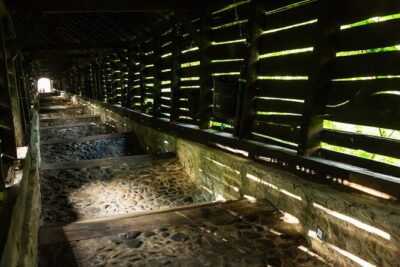
Sighisoara Fortress Quest: Exploration Game and Tour
Read our review →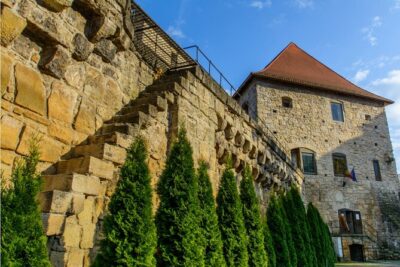
King Matia Secret Treasure Exploration Game in Cluj-Napoca
Read our review →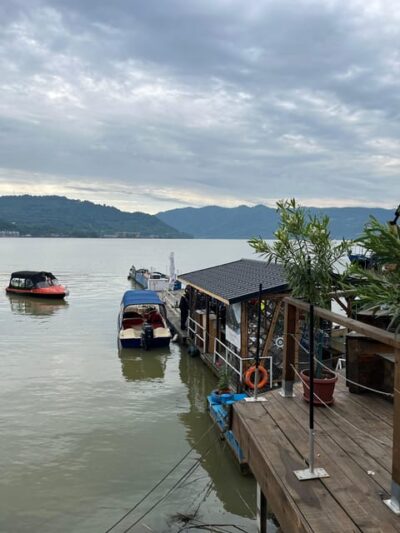
Browse the lists this tour appears in