
Reviewed · TRANSYLVANIA DAY TRIPS
3-Day Medieval Transylvania Package Tour
Romania packs a remarkable amount into three days: painted monasteries, Saxon villages, fortified churches, royal castles, and old towns with crooked lanes. This tour connects the best-known sights between Bucharest and Transylvania without making you arrange several hotels or figure out the mountain roads yourself.
I especially like the small group limit of 16 and the overnight stays in central Sibiu and Brașov. I also like the mix of famous places and quieter stops, from Cozia Monastery to Biertan. The catch is the pace: you spend long stretches in the vehicle, and entrance fees, lunch, and dinner are extra.
Key points to know before booking
- Three countries’ worth of history in one compact route: Wallachian monasteries, Saxon Transylvania, Romanian royalty, and the Dracula story all appear in three days.
- Central hotel locations: Staying in Sibiu and Brașov gives you a better base than sleeping beside a highway.
- Small-group transport: A car or minibus carries no more than 16 people, with hotel pickup in Bucharest.
- A strong castle lineup: You visit Bran Castle and Peleș Castle, though both can have queues.
- Traditional stops matter: Cozia, Biertan, and Sinaia Monastery add religious and local history beyond the headline sights.
- The route changes on weekends: Saturday and Sunday departures run in reverse, and Peleș Castle is closed Mondays and Tuesdays.
What this three-day route really covers
At $588 per person, this is not a bargain-basement bus outing. It is a compact package with transport, fuel, parking, an English-speaking driver-guide, two nights in 3-star hotels, and breakfast. You are paying for the route design as much as the sightseeing. The itinerary links places that are awkward to reach by public transport in one continuous trip.
The price becomes easier to justify if you value convenience. You do not need to rent a car, navigate Romania’s mountain roads, or arrange separate accommodation in Sibiu and Brașov. The two hotels have been described as comfortable, well located, and paired with good breakfasts, although the accommodation is practical rather than luxurious.
You should budget extra for all entrance tickets, lunches, and dinners. The first day includes a traditional Romanian restaurant stop, and traditional meals are also part of the plan on later days, but they are not included in the tour price. Ask your guide what is planned each day so you can carry enough Romanian lei or a payment card.
The group size is limited to 16, but the actual group can be much smaller. One recent departure had only four people, which made the vehicle time more relaxed and allowed the guide to keep the group together easily. The driver-guide Matthew, also spelled Mathew in one account, has been praised for safe driving, humor, and strong knowledge of Romanian history. That said, one account found the guide more of a driver and escort than an active interpreter, so the guiding style may vary.
More Transylvania day trips:
- Transylvania and Dracula Castle Full Day Tour from Bucharest
★ 4.5 · 1,589 reviews - Castles of Transylvania: Private Day Trip from Bucharest
★ 4.5 · 248 reviews - 2-Day Medieval Transylvania with Brasov,Sibiu and Sighisoara Tour from Bucharest
★ 4.5 · 145 reviews
Day one: Curtea de Argeș, Cozia, and Sibiu
The first day takes you from Bucharest toward the mountains and into Transylvania. The opening stop is Curtea de Argeș Monastery, built in 1514 under Wallachian ruler Prince Neagoe Basarab. Its Moorish-influenced design makes it different from the Gothic churches and Saxon fortifications later in the route.
This is an important early lesson in Romanian history. The journey is not only about Dracula or medieval German towns. Wallachia had its own rulers, churches, and artistic traditions, and Curtea de Argeș gives you that setting before you cross into the Transylvanian region.
The itinerary then continues to Cozia Monastery, a smaller religious site and one of Romania’s important examples of medieval art. The stop adds a quieter note to the day. Rather than rushing from one famous castle to another, you see how faith and local rulers shaped the country’s architecture.
Wear shoes you can walk in comfortably. The tour involves old-town streets, monastery grounds, castle interiors, and standing in lines. People with mobility impairments may find the combination of uneven surfaces, stairs, and long sightseeing days difficult.
After lunch at a traditional Romanian restaurant, the road climbs through mountain scenery toward Sibiu. The drive is part of the experience, but it is also where the schedule can feel tight. One account praised the forests and roadside views, while another wished the guide had paused more often for unexpected sights, including possible bear sightings in the mountain area. You should treat such sightings as luck, not a promised part of the tour.
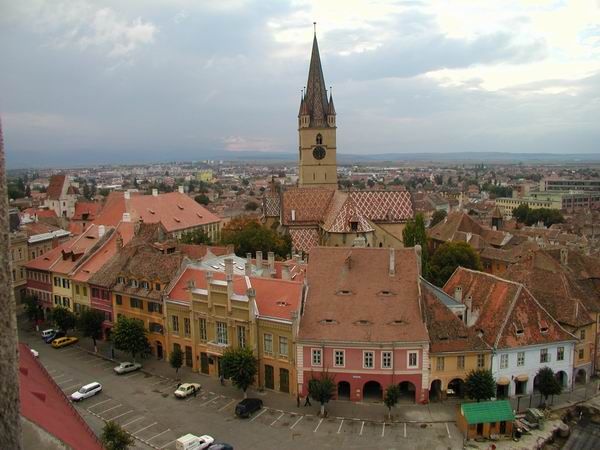
Sibiu is the first major overnight stop and one of the trip’s strongest moments. It was the historic capital of the Principality of Transylvania and has records reaching back to 1191. Its old center reflects the city’s German Saxon past, with historic buildings, public squares, and a compact layout that works well for a guided walk.
I like having the evening in Sibiu rather than visiting only for a quick photo stop. After the walking tour, you sleep in the town center and have time to appreciate the setting at a slower pace. The traditional Romanian dinner is not included, but the central location should give you restaurant choices within walking distance.
Day two: Saxon fortifications and Sighișoara’s Clock Tower
After breakfast, you leave Sibiu for Biertan, one of the most important Saxon villages in Transylvania. Its fortified church was built between 1490 and 1524 and is described as the largest fortified church in the region.
Biertan explains why Transylvanian churches often look more like defensive strongholds than peaceful country chapels. The fortifications reflect a period when villages had to protect both their religious centers and their communities. The village setting also gives you a glimpse of the Saxon character that shaped much of southern Transylvania.
The stop is fairly short, so you should pay attention to the details rather than expect a large museum visit. Biertan works best as a compact, atmospheric stop between two major towns. It also provides a useful contrast with Sighișoara, where the old center feels more urban and theatrical.
Sighișoara dates to 1280 and is known for its inhabited medieval citadel. Its old houses, steep lanes, and defensive towers make it one of the most memorable places on the route. The walking tour includes the Clock Tower, the city’s best-known landmark, with views across the old rooftops.
The Clock Tower is a practical scheduling issue. It is closed on Mondays, so the day’s exact sights depend on your departure date. If the tower is open, the climb and panoramic view are worth prioritizing. If it is closed, you still have the citadel streets and old buildings, but you lose the main elevated viewpoint.
Lunch follows before the trip continues to Brașov. Again, plan for a full day with plenty of walking and some time in the vehicle. The appeal of this route is its range, but range requires movement.
Brașov after dark, then the Black Church
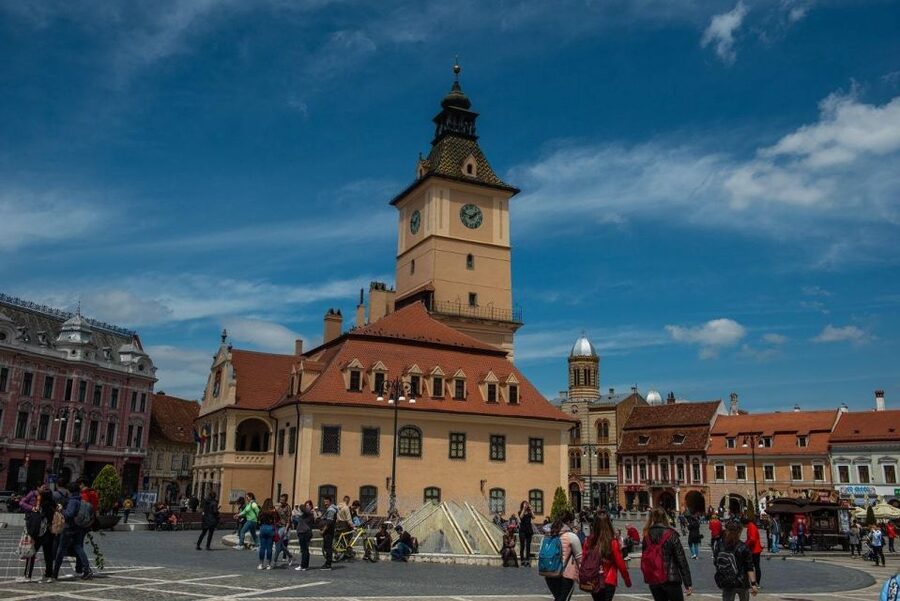
Brașov sits near the Southern Carpathians and has a long medieval record, with documentation dating to 1235. Its old center brings together Gothic religious architecture, medieval buildings, and narrow streets. The tour also points out the narrowest street in Romania, a small curiosity that adds character to the walk.
The city has several layers beyond its medieval appearance. It was briefly renamed Stalin City during the Communist period, and it is linked with the birthplace of the Romanian national anthem. Those details help you see Brașov as a living Romanian city, not simply a preserved film set.
The second night is in Brașov. This is another smart overnight choice because it reduces the pressure of seeing the city and then immediately driving on. Hotel quality has been described as basic but comfortable, with good breakfasts. Do not book this expecting a luxury stay, but the accommodation appears suited to a busy sightseeing trip.
The next morning begins at the Black Church, built in 1383 and considered Brașov’s most important tourist site. Its name refers to the darkened exterior caused by a major fire, and the building is one of the city’s clearest examples of Gothic architecture.
Your time inside depends on the day’s schedule and local opening arrangements, but the visit gives the morning a clear focus before the next castle. If churches matter to you, this stop is one of the reasons the tour feels more substantial than a simple Dracula circuit.
A few more Bucharest day trips to weigh up
- 3-Day Explore Transylvania from Bucharest
★ 5.0 · 17 reviews - 3-Day Tour of Transylvania’s Landmarks from Bucharest
★ 5.0 · 16 reviews - 3-Day Private Tour of Medieval Transylvania from Bucharest
★ 5.0 · 15 reviews - Medieval Transylvania: Shared 3-Day Tour from Bucharest
★ 5.0 · 12 reviews
Bran Castle and the Dracula question
Bran Castle is the tour’s biggest popular-culture stop. It sits between Transylvania and Wallachia and is linked in the public imagination with Bram Stoker’s Count Dracula.
The useful thing to remember is that the Dracula connection is mainly literary and commercial, not a simple statement of historical fact. The castle itself has real architectural and regional importance, and the museum and grounds give you plenty to examine. Go for the setting, the medieval atmosphere, and the Dracula story, but do not expect a perfectly preserved residence belonging to the fictional count.
Bran can be busy. You may wait in lines for entry and restrooms, especially during popular periods. One account specifically found the queues at Bran and Peleș tiring. That is worth knowing before you book: the tour gives you access to major sights, but it cannot remove their popularity.
A traditional lunch follows the castle visit, with the cost separate from the tour. This is a good point to pace yourself. By the third day, you have already walked through several old centers, monasteries, and fortified sites, so a proper meal is more useful than trying to rush straight onward.
Peleș Castle and Sinaia Monastery
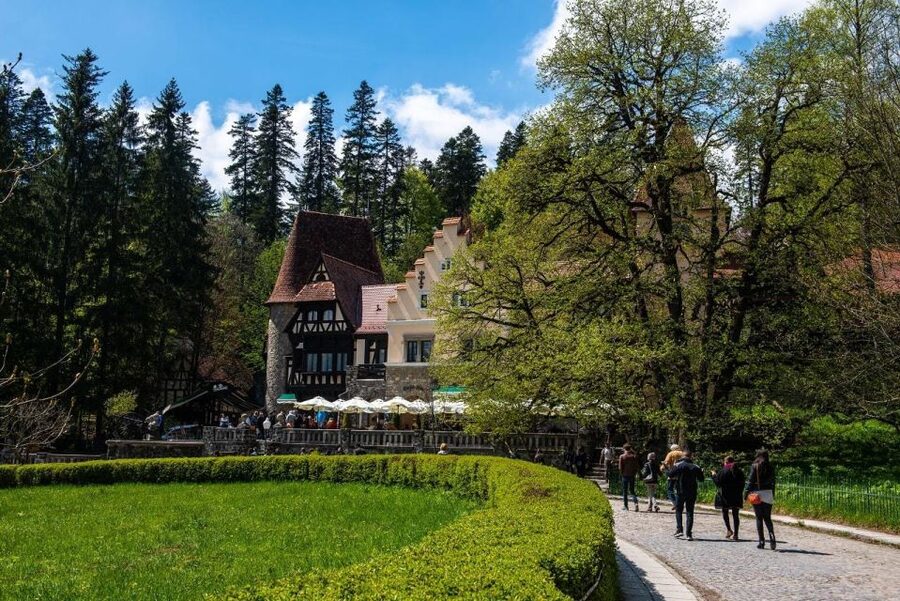
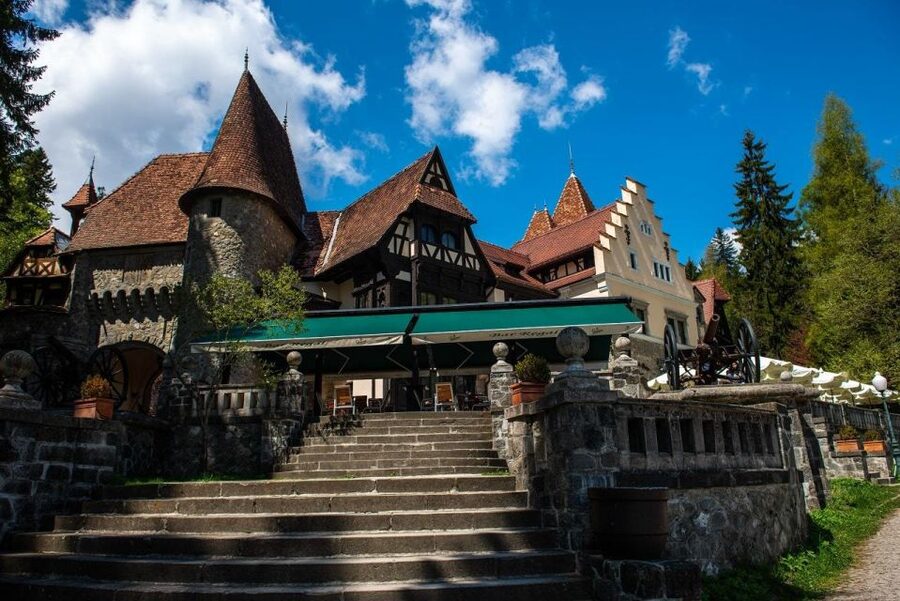
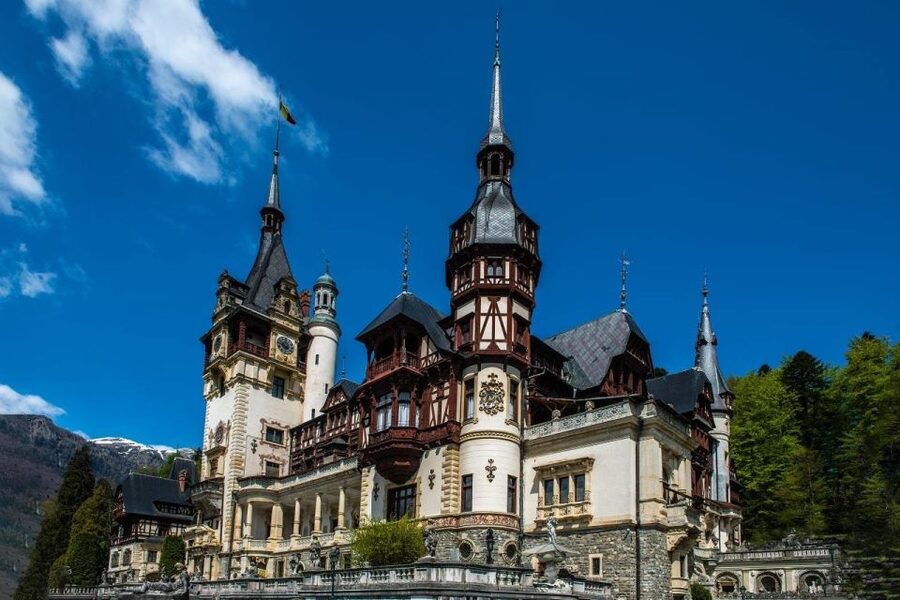
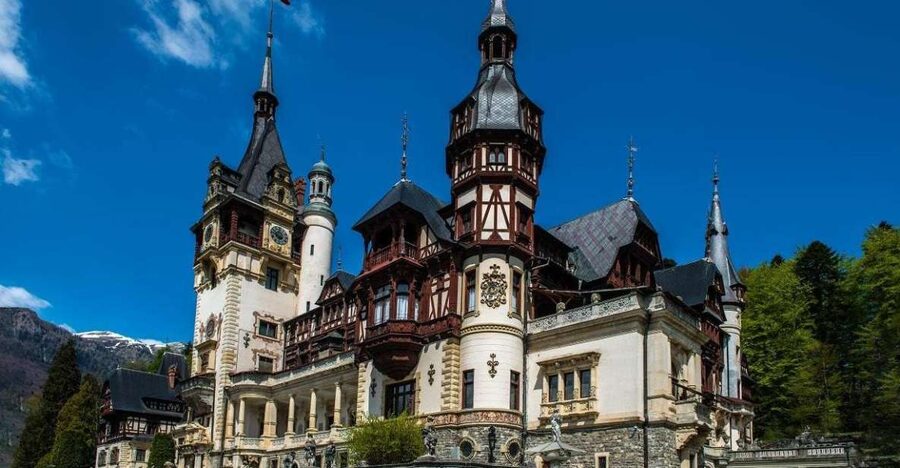
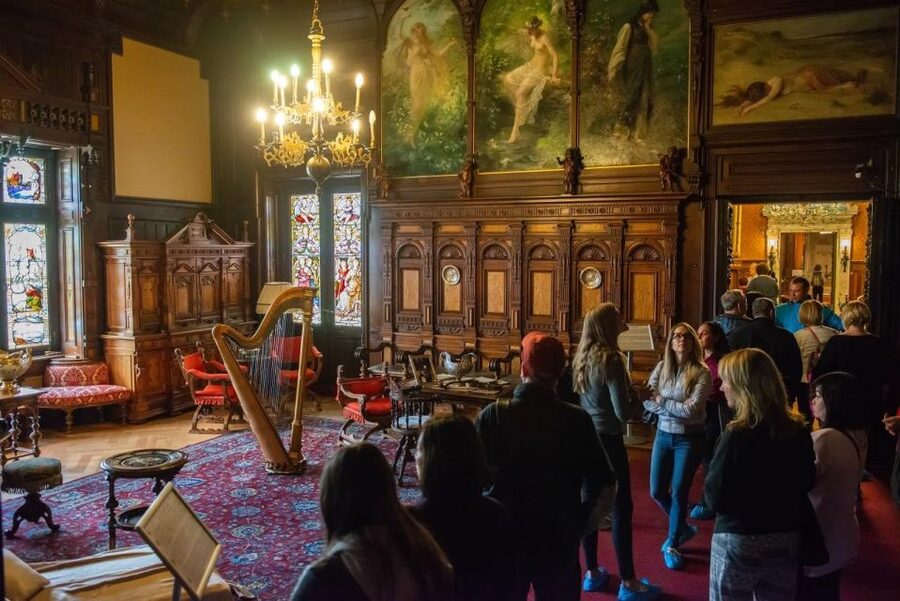
From Bran, the route continues to Sinaia, a mountain resort in the Prahova River valley. Peleș Castle was commissioned by Romania’s first king, Carol I, and built between 1875 and 1914. Its Neo-Renaissance design is a sharp change from Bran’s medieval image.
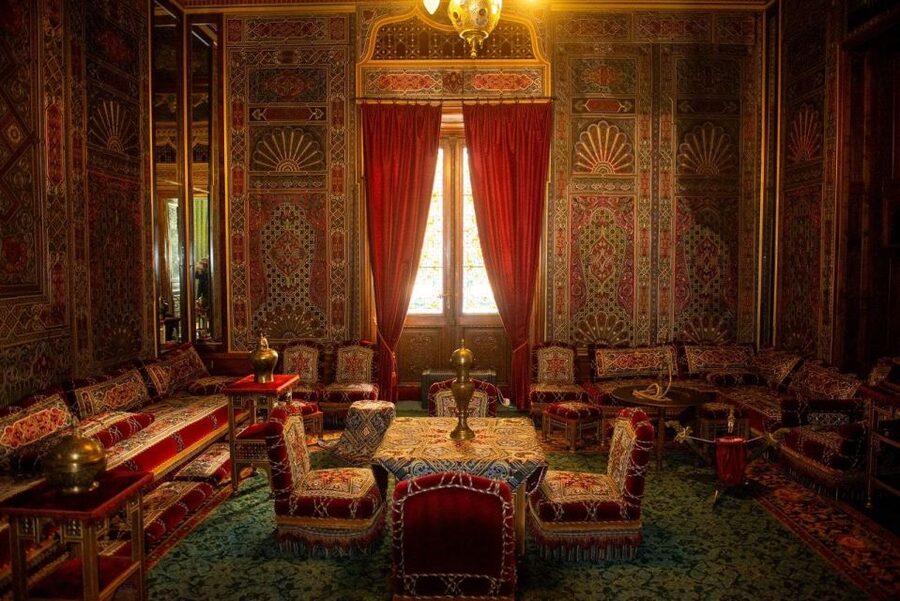
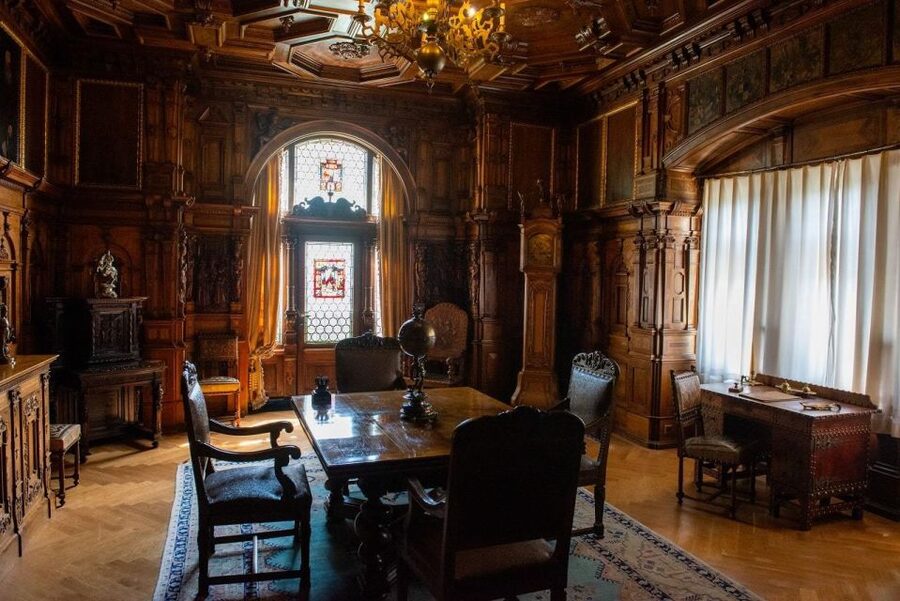
Peleș is the most ornate architectural stop on the tour. You will see a royal residence shaped by late 19th-century European taste rather than a fortress built mainly for defense. The interior tour and museum are the main reason to come, while the surrounding mountain setting adds to the sense of occasion.
Check the operating calendar before you book. Peleș Castle is closed Mondays and Tuesdays. Saturday and Sunday departures run the itinerary in reverse, which may help with the castle’s schedule but also means your first and last days will differ from the order described here.
The final major stop is Sinaia Monastery, founded by Prince Mihail Cantacuzino in the 17th century after his pilgrimage to Mount Sinai. You visit the Old Church and the 19th-century Great Church, seeing another stage in Romania’s religious architecture before returning to Bucharest.
The drive back can be long. One itinerary completed the return to Bucharest around 2 p.m. on a reverse-order departure, but that day still involved roughly five hours of driving and only one short stop. Do not read an early arrival as an easy morning. The road time is substantial, and the exact rhythm depends on traffic, opening hours, and the route order.
Transport, guiding, and the cost of convenience
Transportation is by car or minibus, with fuel, parking, hotel pickup in Bucharest, and an English-speaking driver-guide included. Other languages may be available on request, but English is the stated tour language.
The vehicle matters here. Romania’s mountain roads and spread-out sights make a guided road trip practical, but the distances also mean you need to tolerate several hours of sitting. The vehicle has been praised as being in very good condition, and safe driving was a strong point for Matthew on one recent trip.
Guiding is less consistent than the transport. You may get lively historical commentary and useful local observations, or you may receive more information at the sites than during the drive. If the countryside interests you, ask questions as you go. The supplied information does not promise detailed commentary for every village, church, or roadside view.
The single supplement is another cost to watch. A solo participant pays an additional €60 in cash to the guide at the beginning of the tour. That is modest compared with arranging three days independently, but you need to have the cash ready.
Free cancellation is available up to 24 hours before departure, and you can reserve now and pay later. Children under seven are not accepted, pets are not allowed, and the tour is not suitable for people with mobility impairments. Bring comfortable shoes, since this is a walking and standing-heavy trip.
Is three days enough for medieval Transylvania?
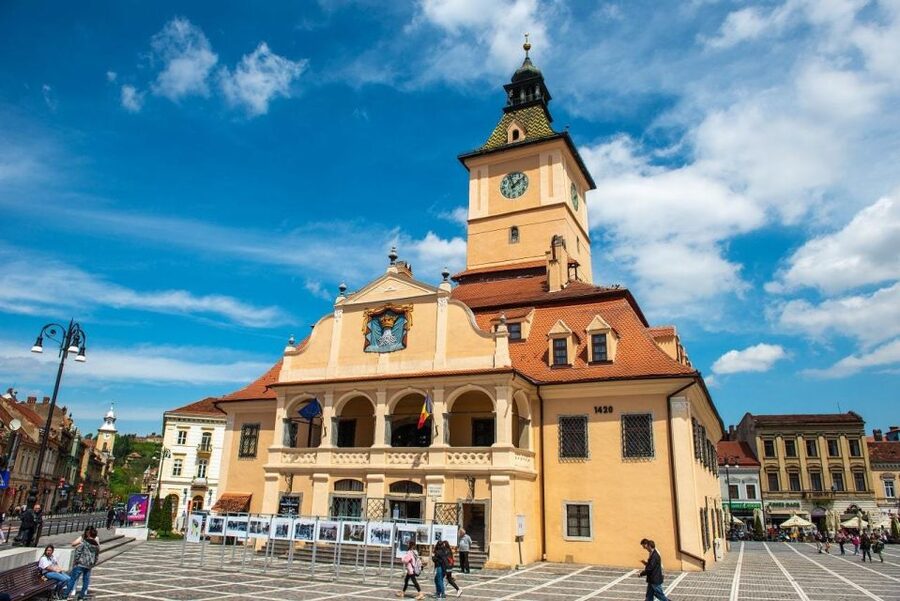
Three days gives you an excellent first look, not a leisurely survey. You see two monasteries, three major old towns, a fortified Saxon village, two castles, and a mountain resort. That is a lot of Romania in a short time.
The tradeoff is depth. You will not have long free periods in Sibiu, Sighișoara, or Brașov, and you may wish for more stops along the road. The tour works best if your priority is seeing the main historic sights efficiently. It is less suited to you if you want slow photography, long café breaks, or time to wander without a schedule.
The strongest parts are the sequence of places and the two central overnight stays. Sibiu and Brașov are not reduced to drive-by visits, while Biertan and Cozia keep the trip from becoming a parade of headline attractions. Bran and Peleș bring the big-name appeal, but the monasteries and Saxon villages provide the fuller picture.
Should you book the Medieval Transylvania Package Tour?
Book it if you have three days, are based in Bucharest, and want a guided route through the main sights without driving yourself. At $588 per person, the package offers fair value when you count two hotel nights, breakfast, fuel, parking, and an organized route through places that are difficult to link by train.
You should pass if long drives and queues frustrate you, or if you want a slow, deeply guided visit at each site. Check your dates carefully for the Monday and Tuesday closure at Peleș and the Monday closure at Sighișoara’s Clock Tower. For most first-time visitors who want castles, old towns, churches, and mountain scenery in one efficient trip, this is a well-designed introduction, provided you accept the brisk pace.
FAQ
What is included in the $588 tour price?
The price includes transportation by car or minibus, fuel, parking, an English-speaking driver-guide, hotel pickup in Bucharest, and two nights in 3-star accommodation with breakfast.
Are entrance fees included?
No. Entrance fees for sites such as Bran Castle, Peleș Castle, the Clock Tower, and the monasteries are not included.
Are meals included?
No. Lunch and dinner are extra, although the itinerary includes stops at traditional Romanian restaurants.
How large is the group?
The tour is limited to 16 participants. Some departures may be much smaller.
Is hotel pickup available?
Yes. Pickup from hotels in Bucharest is included.
What language is the tour offered in?
The stated tour language is English. Other languages may be available on request.
Is there an extra charge for solo travelers?
Yes. Solo travelers must pay an additional €60 in cash to the guide at the beginning of the tour.
Is Peleș Castle open every day?
No. Peleș Castle is closed on Mondays and Tuesdays. Weekend departures run in reverse order, so check how the schedule affects your visit.
Is the tour suitable for young children or people with mobility impairments?
Children under seven are not accepted, and the tour is not suitable for people with mobility impairments. Comfortable shoes are recommended.
Just added around Bucharest
- Private Full Day Tour of Bucharest★ 5.0 · 3 reviews
- Veliko Tarnovo and Medieval Bulgaria Private Day Trip from Bucharest★ 5.0 · 3 reviews
- Bucharest VIP Bar Crawl in Lipscani ‘Old Town’★ 5.0 · 3 reviews
- Muddy Volcanoes and Salt Mine Private Tour★ 5.0 · 3 reviews
- Bucharest Private City Tour★ 5.0 · 3 reviews
- Legends & Stories from Transylvania -2 Castles & Brasov Old Town★ 5.0 · 3 reviews
- Transfagarasan Private Tour from Bucharest – 2 Days★ 5.0 · 3 reviews
- 7-Day Dracula Tour in Romania from Bucharest including ‘The Ritual of Killing of a Living Dead’★ 5.0 · 3 reviews
Transylvania Day Trips, compared.
Transylvania and Dracula Castle Full Day Tour from Bucharest
Read our review →
Castles of Transylvania: Private Day Trip from Bucharest
Read our review →
2-Day Medieval Transylvania with Brasov,Sibiu and Sighisoara Tour from Bucharest
Read our review →
SB01 – City Tour Sibiu: Exploring the Heart of Transylvania
Read our review →
Day trips and excursions in nature, cities in Transylvania, Brasov!
Read our review →
2-Day Transylvania from Bucharest: Brasov, Bran, Sighisoara
Read our review →
Browse the lists this tour appears in