
Reviewed · TRANSYLVANIA DAY TRIPS
Classic Romania Tour – small group in 8 days: Transylvania and Maramures
The best part of this eight-day Romania tour is its range. In one trip, you move from Bucharest’s communist-era monuments to Saxon villages, Gothic churches, royal castles, a salt mine, and Maramures homes where old customs still shape daily life. Bran Castle and Sighisoara draw the headlines, but the smaller villages give the trip its character.
I like the small maximum group of six, which gives your guide room to adjust the pace and explain what you are seeing. I also like the mix of included experiences, especially the horse-drawn ride in Viscri, the traditional meal and folk show, and the lunch made with local products. The main consideration is the amount of time on the road. This is an ambitious circuit, and several days are built around roughly six hours of touring and transport.
Key points at a glance
- Seven hotel nights in central locations: Sleep in Bucharest, Sibiu, Cluj-Napoca, Sighetu Marmatiei, Targu Mures, and Brasov.
- A group limited to six people: Expect personal attention from an English-speaking guide in a modern car or minivan.
- The famous castles are only part of the story: Bran Castle and Peles Castle share the route with fortified churches, monasteries, and old villages.
- Maramures brings the strongest local contact: Visit Breb, an authentic traditional house, two wooden churches, and Sapanta’s colorful Merry Cemetery.
- Several local touches are included: Breakfasts, one traditional lunch, a folk show dinner, and a horse-drawn carriage ride.
- Seasonal route change: From mid-June to early November, the Cozia Monastery visit is replaced by a drive on the Transfagarasan.
Why this route gives you a useful first look at Romania
Romania can feel confusing on a first visit because its story is not a single, tidy one. Bucharest reflects modern Romania and the scars of communism. Transylvania brings Romanian, Saxon, Hungarian, royal, and religious influences together. Maramures feels more rural, with timber houses, local food, and church traditions that have lasted for generations.
This tour connects those parts without asking you to arrange trains, taxis, hotels, and rural transport yourself. That matters in Maramures and Viscri, where independent connections can take time to organize. Your guide also handles the long transfers, leaving you free to look out the window and follow the changing scenery.
The price is $2,339.64 per person, based on two people sharing a double room. That is not a bargain-basement tour, but it includes seven nights of centrally located hotels, private transport, airport transfers, breakfasts, a guide, and several special meals and activities. You still pay for most meals and some monument admissions, so you should budget beyond the headline price.
More Transylvania day trips:
- Transylvania and Dracula Castle Full Day Tour from Bucharest
★ 4.5 · 1,589 reviews - Castles of Transylvania: Private Day Trip from Bucharest
★ 4.5 · 248 reviews - 2-Day Medieval Transylvania with Brasov,Sibiu and Sighisoara Tour from Bucharest
★ 4.5 · 145 reviews
Bucharest: communist power and old-town chaos
Your first day begins with a city tour and a useful introduction to the forces that shaped modern Romania. The Palace of the Parliament is the obvious symbol. Built during the communist period and also called the House of the People, it is one of the world’s largest buildings, with vast marble interiors and a grim political story behind its construction.
There is an important timing note here. The Palace of the Parliament is currently closed until June, and the planned substitute is Spring Palace. Check the current arrangement before you go, especially if the building is a major reason for booking the tour.
The rest of the day is spent in Bucharest’s Old Town. This is the city’s nightlife center, but it is also a compact area where you can see architectural traces from different periods. The contrast between formal state buildings and the noisy, untidy energy of the old center gives you a quick sense of Bucharest’s character.
You stay overnight in Bucharest. The day is listed at about six hours, a comfortable start before the longer road days begin.
Curtea de Arges, the Olt Valley, and Sibiu
On day two, the route heads toward Transylvania. Curtea de Arges Monastery makes a good first stop because it introduces Romania’s Orthodox tradition in a grand setting at the foot of the Carpathians. The route then follows the Olt Valley to Cozia Monastery, another important religious site with medieval Romanian art and architecture.
In summer, from mid-June to early November, the Cozia stop is replaced with a road trip on the Transfagarasan. That seasonal choice may appeal to you if mountain roads and broad views matter more than another monastery. It also means the experience can differ noticeably depending on your travel dates.
Sibiu is one of the tour’s most rewarding city stops. It was European Capital of Culture in 2007, and its central squares are easy to explore on foot. You will see the Brukenthal Museum, the Roman Catholic Cathedral, Huet Square, and the Evangelical Church.
The route also includes the Passage of Stairs and the Bridge of Lies. These are the sort of compact, memorable details that make a walking tour work. Sibiu is not just a list of monuments. It is a place where the guide can explain the city’s mixed cultural background while you move through a walkable old center.
Sibiel, Alba Iulia, and Romania underground
Day three starts with Sibiel, a small village presented as one of the best-preserved rural areas in Transylvania. The stop is short, so do not expect a full rural retreat. Instead, think of it as a quick look at village architecture and a contrast with Sibiu’s polished center.
Alba Iulia brings a much larger historical setting. Alba Carolina Fortress is Romania’s largest fortress, enclosed by 12 kilometers of walls and shaped like a star. Its site has served as a Roman fort, a medieval stronghold, and later a Vauban-style citadel with bastions.
This is a valuable stop for anyone who likes military history because the different layers are visible in the layout. You can better understand how Romania’s strategic towns changed as armies, empires, and defensive methods changed.
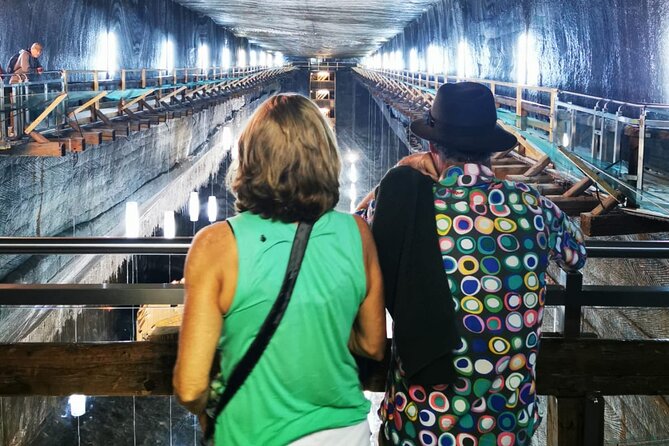
The Turda Salt Mine is the day’s unusual surprise. Hundreds of meters of underground galleries open into enormous chambers, including one described as 118 meters high, with a lake below. The scale and lighting make it a dramatic photo stop, but the mine is also a reminder that Romania’s important sites are not limited to castles and churches.
The day ends in Cluj-Napoca, Transylvania’s largest city and a center for the arts. After the quiet village and fortress, Cluj gives the route a modern urban finish.
A few more Bucharest day trips to weigh up
- Bucharest: Dracula’s Castle, Peles Castle, & Brasov Old Town
★ 4.5 · 17,858 reviews - Bucharest: Dracula Castle, Peles Castle & Brasov Old Town
★ 4.6 · 10,891 reviews - Bucharest: Dracula’s Castle, Peleș Castle & Brașov Day Trip
★ 4.5 · 5,919 reviews - Bucharest: Palace of Parliament Tickets and Guide
★ 4.3 · 3,182 reviews
Cluj-Napoca to Maramures and the world of Breb
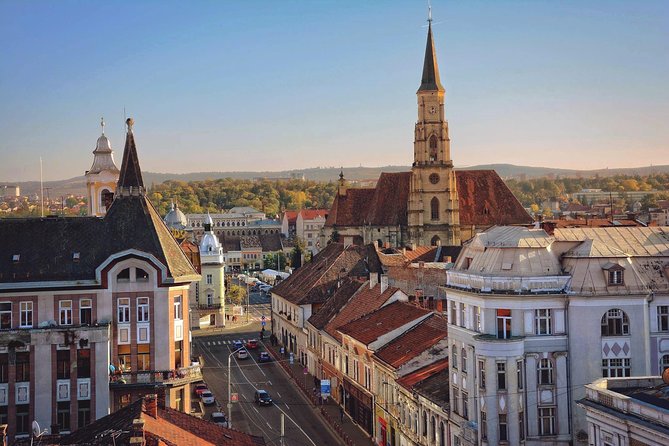
Day four begins with a proper look at Cluj. The St. Michael’s Gothic Cathedral overlooks the central square, while Banffy Palace and Mirror Street add architectural and civic history. The city portion is fairly brief compared with the long transfer that follows.
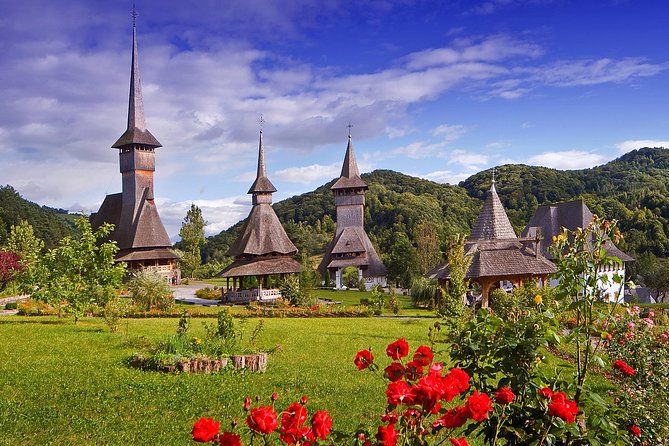
Maramures is where the tour changes tone. The region is described as an open-air museum, but the better way to understand it is as a living rural area rather than a collection of preserved displays. Traditional wooden houses, household customs, and local food remain part of the setting.
In Breb, you walk through one of the best-preserved traditional villages in the region and visit an authentic house. You also meet local people and eat lunch made from fresh products, with fruity liqueurs included. This is one of the tour’s strongest features because it connects architecture with daily life.
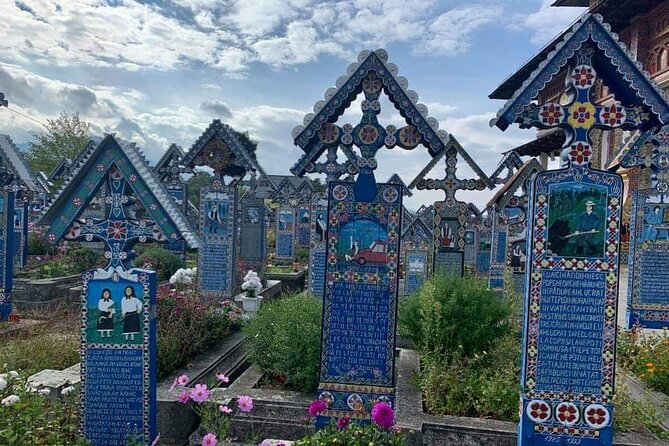
The day continues to Sapanta and its Merry Cemetery. Brightly painted wooden crosses carry humorous verses about the lives of the people buried there. The cemetery treats death with unusual directness and wit, making it more than a colorful photo stop.
That evening includes a Romanian traditional dinner and folkloric show. You stay in Sighetu Marmatiei, a practical base for the next day’s wooden churches.
Wooden churches, craft, and local food
Day five is devoted to two UNESCO-listed wooden churches, Poienile Izei and Barsana. Their timber construction reflects generations of local craftsmanship, and Barsana is part of one of Romania’s largest Orthodox architectural ensembles.
The route also includes a visit to a local woodcarver’s workshop. You can see how the craft remains connected to the community and buy handmade souvenirs if you find something you like. This is a more satisfying shopping opportunity than a generic souvenir stop because the item is tied to the place and its traditional skills.
Food is another focus. You will have the chance to taste products made from local harvests and dishes prepared by people who still use ingredients from their own gardens. The supplied lunch is included, but other meals are not, so confirm which restaurant stops are covered and plan for additional meal costs.
By evening, you reach Targu Mures, a city known for ethnic and cultural diversity. It breaks up the long journey from northern Maramures toward the Saxon towns of southern Transylvania.
Biertan, Sighisoara, and a slower village in Viscri
Day six brings three very different experiences. Biertan has the largest fortified church in Transylvania, built by Saxons in the sixteenth century and now protected as a UNESCO site. The fortified church tradition shows how religious buildings also served as places of refuge in unsettled times.
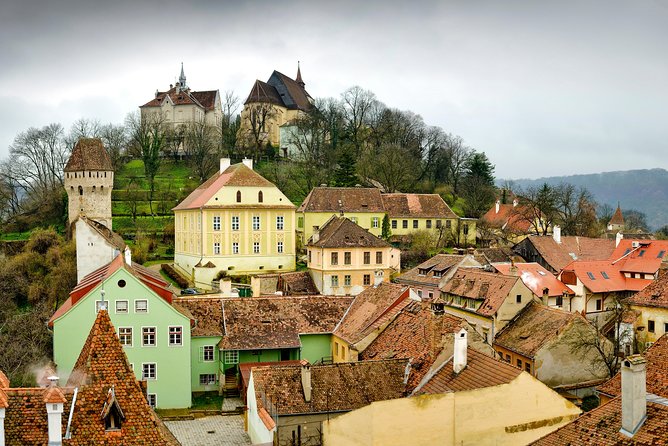
Sighisoara is the star of the day. It is an inhabited medieval fortress, not simply a restored monument. Cobblestone lanes rise toward the Clock Tower, which contains a museum of medieval weapons and a torture chamber. The climb continues up 300 wooden steps to the Church on the Hill, built in the fourteenth century.
You should be ready for uneven streets and stairs here. The reward is the sense that this is still a town rather than a stage set. The pace of the walk matters, so tell your guide if you need more time at the tower or a slower climb.
Viscri offers a quieter contrast. The village is known for traditional houses and for the restored home associated with King Charles. You take a horse-drawn carriage through the village, stop to meet local people, and eat homemade cake.
This is one of the most personal parts of the route, but it is also one where expectations should stay realistic. Viscri is a village visit, not a large attraction with a packed program. Its appeal is the calm setting, the old house style, and the chance to see rural life at close range.
Brasov, Bran Castle, and royal Sinaia
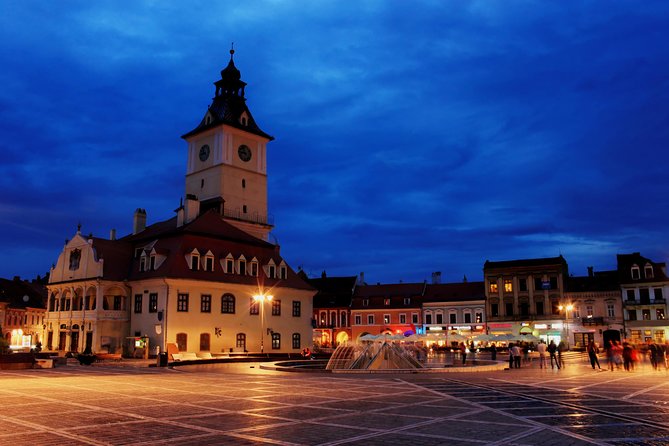
Brasov begins day seven with a walking tour of the historic center. You will see Council Square, the Black Church, and one of the narrowest streets in the world. The city sits at the foot of the Carpathians, so its setting adds to the pleasure of the walk.
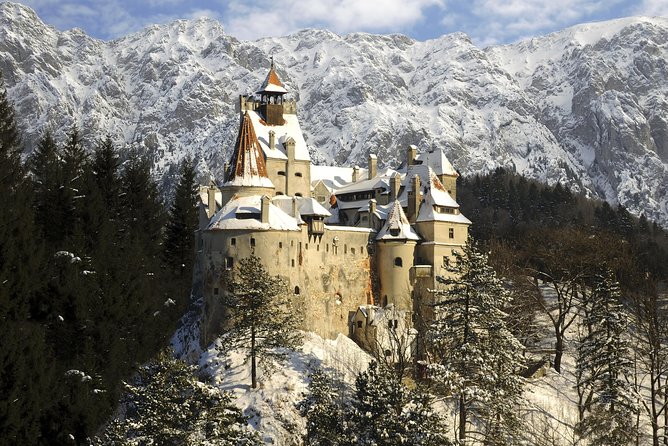
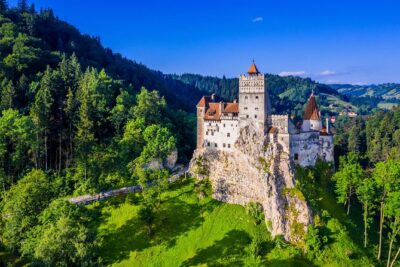
Bran Castle is next. Its position on a 60-meter cliff above a major medieval route helped make it strategically important. The Dracula connection gives it worldwide fame, but the castle itself is best approached as a medieval fortification with a later layer of legend.
If you expect a pure vampire story, you may find the reality more historical than spooky. That is not a weakness. The guide can help separate the fictional Dracula image from the actual castle and Romanian history.
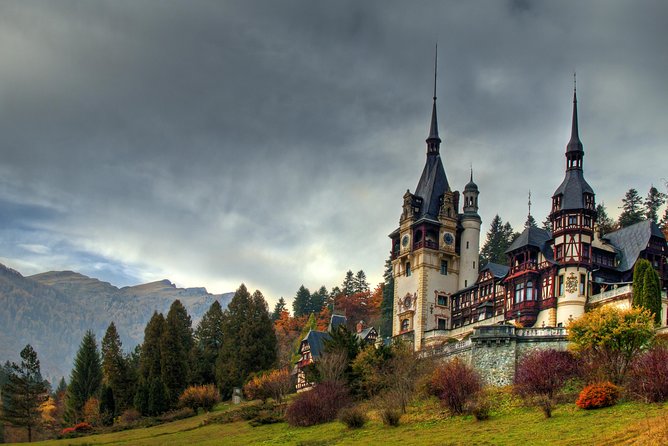
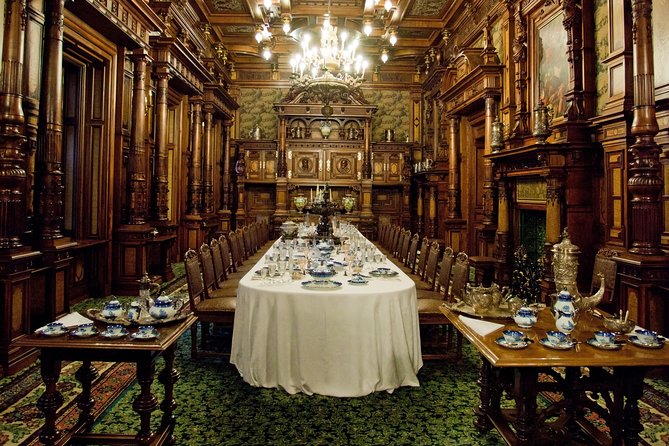
Sinaia follows, with the Orthodox monastery and Peles Castle. Peles was built for Romania’s first king, Carol I of Hohenzollern, and offers a look at royal life in a mountain resort setting. Compared with Bran’s fortress image, Peles feels more like a royal residence, with ornate interiors and a different idea of power.
You return to Bucharest that evening. It is a full day, and the combination of Brasov, Bran, and Sinaia means you will spend substantial time moving between stops. The payoff is that the route finishes with two of Romania’s best-known castles rather than leaving them out.
Transport, hotels, and the pace of the trip
A modern car or minivan, airport pickup and drop-off, and a professional English-speaking guide are included. With a maximum of six people, the vehicle should feel more personal than a large coach, and the guide has a better chance to answer questions or handle modest schedule changes.
The accommodation covers seven nights in centrally located hotels. You stay in Bucharest at the beginning and end, with overnight stops in Sibiu, Cluj-Napoca, Sighetu Marmatiei, Targu Mures, and Brasov. Central locations are useful here because they make evening walks possible, although hotel names and room details are not specified.
The tour requires moderate physical fitness. You will walk on historic streets, climb the 300 steps to the Church on the Hill, and visit large sites such as the salt mine and fortresses. Children must be accompanied by an adult, and the child rate is 25 euros less than the adult price when the child travels with at least two paying adults.
The guide can make a large difference on a route this busy. Valentin Val Nan is specifically identified as a guide who is courteous, considerate, and able to adjust the schedule. One couple had him add visits to Constanta and Histria, showing that some flexibility may be possible on a private or very small group trip. Do not assume every extra stop is included, but it is worth asking your guide early if you have a strong interest.
What your $2,339.64 covers
The price includes:
- Seven nights in centrally located hotels
- Breakfasts
- Private transport in a modern car or minivan
- An English-speaking professional guide
- Airport pickup and drop-off
- One traditional lunch
- One Romanian folk show dinner
- One horse-drawn carriage ride
- Monument admissions that are specifically included
Airfare, health insurance, most other meals, and entrance fees not included in the program are extra. The wording around admission fees deserves attention, since the day descriptions mark admission as included while the general conditions exclude monument fees other than those included. Ask for a current list of included entrances before paying.
I see the price as reasonable if you value convenience and a private guide more than finding the lowest possible daily rate. You are paying for the wide geographic reach, the small vehicle, hotel arrangements, and rural access. A cheaper independent trip might be possible, but it would require more planning and could make Breb, Viscri, and the Maramures churches harder to connect efficiently.
Who should book this Romania tour
I would choose this tour if you want a broad first visit and do not want to drive. It suits people who enjoy castles but also want churches, village homes, food, craft, and the complicated mix of cultures that shaped Romania.
It is especially useful for couples or families who prefer a small group and want one guide throughout the route. The route also works well for visitors who have only eight days and want Bucharest, Transylvania, and Maramures in one trip.
I would hesitate if you prefer slow travel. The itinerary covers a lot of ground, and six-hour touring days are a recurring pattern. You may also want to look elsewhere if your main interest is Bucharest, hiking, or spending several nights in one village.
The itinerary ends with breakfast, checkout, and an airport transfer arranged according to schedule. Confirm your flight time carefully, since the final transfer depends on that schedule.
FAQ
How long is the Classic Romania Tour?
The tour lasts approximately eight days and includes seven nights of accommodation.
Where does the tour begin and end?
It begins in Bucharest and ends with an airport transfer from Bucharest.
How many people can join the tour?
The maximum group size is six people.
Is airport transportation included?
Yes. Airport pickup and drop-off are included.
What type of transport is used?
Transportation is provided in a modern car or minivan.
Is breakfast included?
Yes. Breakfasts are included during the hotel stays.
What meals are included?
The tour includes one lunch with traditional local products and one traditional Romanian dinner with a folkloric show. Other meals are not included.
Is Bran Castle included?
Yes. Bran Castle is part of the day seven route from Brasov.
Does the tour visit the Palace of the Parliament?
The Palace of the Parliament cannot currently be visited because it is closed until June. The planned replacement is Spring Palace.
Should you book the Classic Romania Tour?
Book it if you want Romania’s major sights joined with genuine rural stops, especially Breb, Viscri, the wooden churches, and Sapanta. The small group, included transport, and guide support make the price easier to justify.
Before booking, confirm the current monument admissions, the Bucharest substitution, your single-room supplement if needed, and the seasonal Cozia or Transfagarasan route. If you are comfortable with long touring days and moderate walking, this is a well-rounded way to see far more than the standard Bucharest and Bran Castle circuit.
Just added around Bucharest
- Private Full Day Tour of Bucharest★ 5.0 · 3 reviews
- Veliko Tarnovo and Medieval Bulgaria Private Day Trip from Bucharest★ 5.0 · 3 reviews
- Bucharest VIP Bar Crawl in Lipscani ‘Old Town’★ 5.0 · 3 reviews
- Muddy Volcanoes and Salt Mine Private Tour★ 5.0 · 3 reviews
- Bucharest Private City Tour★ 5.0 · 3 reviews
- Legends & Stories from Transylvania -2 Castles & Brasov Old Town★ 5.0 · 3 reviews
- 7-Day Dracula Tour in Romania from Bucharest including ‘The Ritual of Killing of a Living Dead’★ 5.0 · 3 reviews
- Transfagarasan Private Tour from Bucharest – 2 Days★ 5.0 · 3 reviews
Transylvania Day Trips, compared.
Transylvania and Dracula Castle Full Day Tour from Bucharest
Read our review →
Castles of Transylvania: Private Day Trip from Bucharest
Read our review →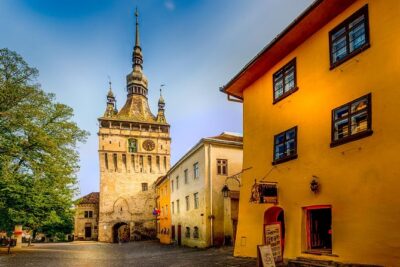
2-Day Medieval Transylvania with Brasov,Sibiu and Sighisoara Tour from Bucharest
Read our review →
SB01 – City Tour Sibiu: Exploring the Heart of Transylvania
Read our review →
Day trips and excursions in nature, cities in Transylvania, Brasov!
Read our review →
2-Day Transylvania from Bucharest: Brasov, Bran, Sighisoara
Read our review →
Browse the lists this tour appears in