Reviewed · BUCHAREST TOURS
9 days Balkans Tour from Bucharest to Sofia and Budapest
The remarkable thing here is the sheer amount of southeast Europe packed into one one-way journey. You begin in Bucharest and finish in Budapest, crossing Bulgaria, North Macedonia, Albania, Montenegro, Bosnia and Herzegovina, and Serbia without retracing your route.
I like the mix of famous sights and lesser-known stops, especially Devetashka Cave, Krushuna Waterfalls, Rila Monastery, Ohrid, Mostar, and Sarajevo. I also like that breakfast and eight hotel nights are included, which makes a complicated multi-country route easier to manage. The main caution is the road time: several days involve long transfers, and one account describes a cramped van, uncomfortable seats, late starts, fast driving, and a damaged front windshield. Confirm the current vehicle and departure plan before paying.
Key points to know before booking
- Seven countries in nine days: You cover Romania, Bulgaria, North Macedonia, Albania, Montenegro, Bosnia and Herzegovina, Serbia, and Hungary.
- A genuine one-way route: The tour starts in Bucharest and ends at Budapest’s train station, so you do not spend a day returning to your starting point.
- UNESCO and landmark-heavy schedule: Rila Monastery, Ohrid, Kotor, Mostar, and the old center of Sarajevo are major highlights.
- Local walking guides included: Guided city walks are listed for Romania, Sofia, Skopje, Tirana, and Sarajevo.
- Up to 46 people: This is a group tour, not a small private trip. Meeting points and departure times matter.
- Budget value with extra costs: The $1,191.42 price includes transport, hotels, breakfast, and a tour leader, but not meals, museum entries, or the suggested €5 daily tip.
The route from Bucharest to Budapest
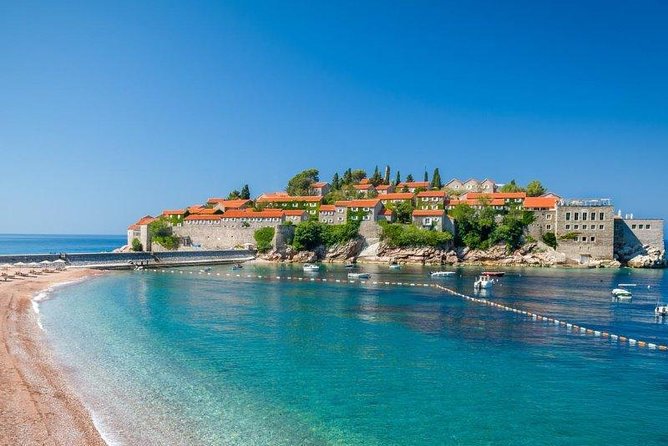
I see this as a sampler of the Balkans rather than a slow, in-depth visit to each country. You get a taste of many places, with enough time for guided walks and photographs, but not enough time to settle into most towns.
That tradeoff suits you if your priority is seeing a wide stretch of the region in one trip. It is less suitable if you want long afternoons in cafés, full museum visits, or several free evenings in each capital.
The tour begins at University Square in central Bucharest. The meeting information gives both 8:00 am and 8:30 am as possible start times, so confirm the exact departure time after booking. The stated meeting address is Bulevardul Regina Elisabeta 7, with the end point at Budapest’s Kerepesi út 2 train station.
A few more Bucharest day trips to weigh up
- Bucharest: Dracula’s Castle, Peles Castle, & Brasov Old Town
★ 4.5 · 17,858 reviews - Bucharest: Dracula Castle, Peles Castle & Brasov Old Town
★ 4.6 · 10,891 reviews - Bucharest: Dracula’s Castle, Peleș Castle & Brașov Day Trip
★ 4.5 · 5,919 reviews
Day 1: Devetashka Cave, Krushuna Waterfalls, and Lovech
The first day quickly leaves the city behind and heads into northern Bulgaria. Devetashka Cave is an unusual opening stop because it does not feel like a typical dark, enclosed cave. Large openings bring in daylight, and in spring and summer the floor can be covered with greenery. You are scheduled for about one hour, with entry not included.
Next comes Krushuna Waterfalls, Bulgaria’s largest travertine cascade. The water drops through rounded limestone terraces and small natural pools, surrounded by thick plant life. One hour gives you time to walk around the main viewing areas, but probably not enough for a slow exploration.
You spend the night in Lovech, listed as a 4-star hotel for this stay. This is a useful first overnight because it breaks up the initial transfer and gives you a more relaxed look at a smaller Bulgarian town instead of rushing straight to Sofia.
The practical point is that both nature stops require walking on uneven ground. The tour describes itself as easy to moderate, but you should still be comfortable walking from one to seven kilometers on some days and carrying your own bag over a few steps.
Day 2: Lovech and Sofia’s religious landmarks
Lovech’s Covered Bridge is the morning’s main sight. Crossing the Osam River, it links the two sides of town and gives you a compact introduction to Lovech’s older center. The visit is short, so think of it as a town stop rather than a full morning excursion.
By evening, you reach Sofia for a three-hour city walk. The route brings together several faiths and periods in a small area: Alexander Nevsky Cathedral with its gold dome, Saint Sofia Church, Banya Bashi Mosque, the Sofia Synagogue, and Vitosha Boulevard.
I especially like this part of the program because Sofia’s center rewards a walking tour. The landmarks are close enough to connect, and the mix of Orthodox, Muslim, and Jewish buildings gives the city more texture than a simple monument checklist.
A local guide is included in Sofia. Museum entry is not included, so if you want to go inside major buildings, set aside extra money and ask the guide which visits fit the available time.
Day 3: Rila Monastery and Skopje
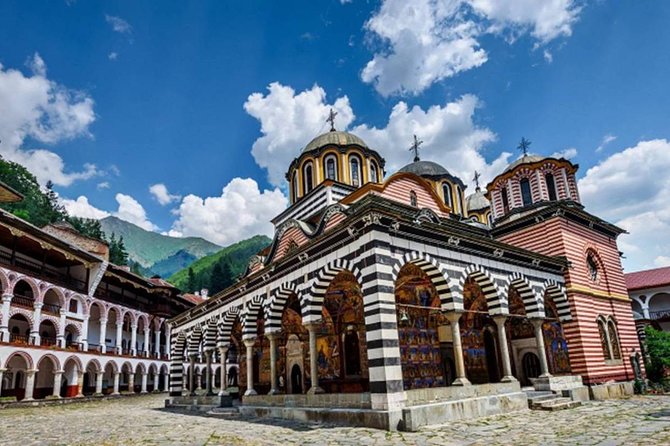
Rila Monastery is one of Bulgaria’s essential sights. Founded in the tenth century by Saint Ivan of Rila, it served as a center of Bulgarian Orthodox life and culture for centuries. The tour includes the church, known for its nineteenth-century painting and woodcarving traditions.
The scheduled visit is one hour. That is enough to see the main courtyard and church, but it is a brisk visit for a place with such a large role in Bulgarian culture. You will want to stay close to the group and listen for instructions about meeting time.
The afternoon or early evening brings a border crossing into North Macedonia and arrival in Skopje. The first visit is an orientation walk before the centrally located hotel. Since border traffic can change the day, the stated order may shift, although the listed visits are intended to be covered.
Same corner of the country, a completely different day out:
- Bucharest: Palace of Parliament Tickets and Guide
★ 4.3 · 3,182 reviews - Bucharest: Day Trip to Dracula Castle, Peles Castle & Brașov
★ 4.4 · 3,049 reviews - Bucharest to Dracula Castle, Peles Castle and Brasov Guided Tour
★ 4.5 · 2,933 reviews - Bucharest: Palace of Parliament Tickets and Guided Tour
★ 4.4 · 1,877 reviews
Day 4: Skopje and the shores of Lake Ohrid
Skopje receives a two-hour walking tour covering the Vardar river quay, the Old Bazaar, Kale Fortress, Macedonia Square, the large statue of Alexander the Great, and the Memorial House of Mother Teresa.
The Old Bazaar is the most appealing part for me. Its narrow streets offer a change of pace from the broad central squares, while the fortress provides a reminder that Skopje has much older layers than its modern center suggests. The program also points out the city’s connection with Mother Teresa.
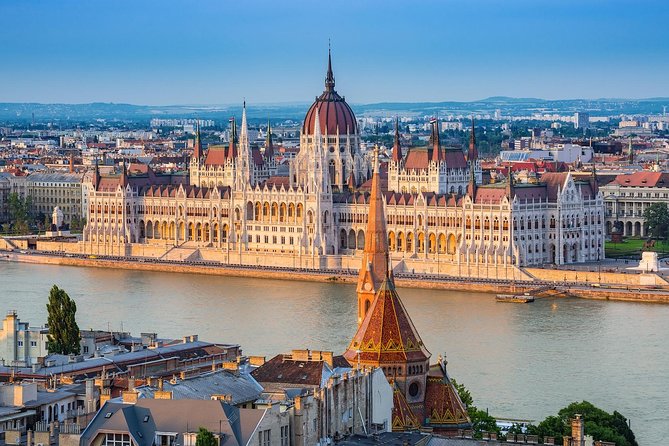
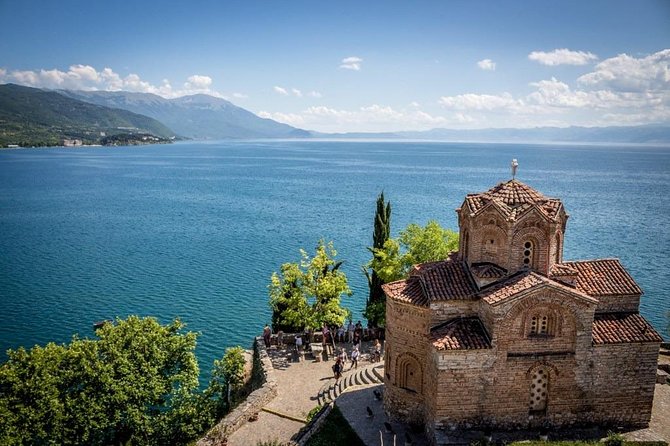
Later, you continue to Ohrid, a UNESCO World Heritage area on the edge of Europe’s oldest lake. The town’s old center includes the Ancient Theater, old churches and basilicas, Sveti Sofia Church, Tsar Samuil’s Fortress, narrow lanes, and a pedestrian shopping street.
Ohrid is one of the strongest stops on the entire route. The combination of lake views, hilltop ruins, churches, and compact streets gives you a setting that feels distinct from the capitals. The three-hour walk is a good introduction, though you should not expect time for every church or museum.
Day 5: Tirana and the move toward the Adriatic
The route crosses from North Macedonia into Albania and continues to Tirana. The three-hour city walk includes Skanderbeg Square, the National History Museum, Et’hem Bey Mosque, and the statue of Skanderbeg.
This is a city-center overview, not a full cultural visit. The National History Museum is listed as a stop, but museum entry fees are not included, and the schedule may not allow a lengthy indoor visit. Ask locally about opening times if seeing the museum matters to you.
Tirana is an important contrast within the trip. After Orthodox churches, medieval fortresses, and old bazaars, you get a capital shaped by Albania’s own political and cultural path. The tour gives you the key central sights but little free time, so keep your expectations focused on orientation.
Day 6: Kotor’s fortified old town
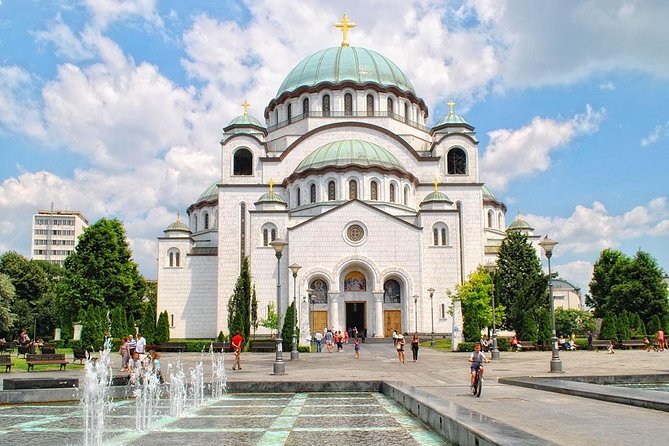
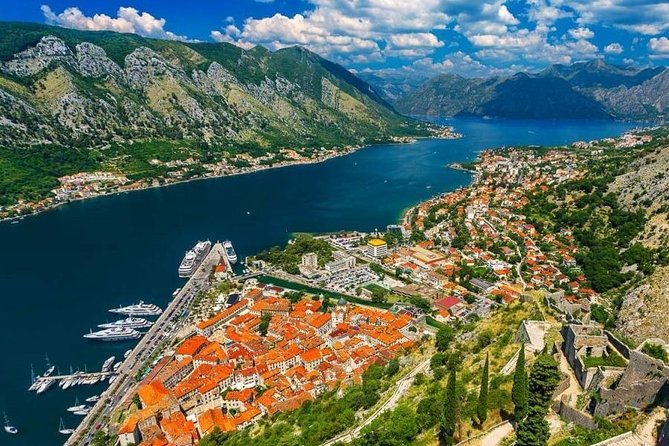
The evening arrival in Kotor gives you about three hours to explore Stari Grad, the fortified old town and a UNESCO World Heritage site.
Kotor is best enjoyed on foot, and the compact old center works well with a guide-led introduction. The stone lanes, defensive walls, and tightly packed historic buildings create a very different mood from Skopje or Tirana.
The drawback is timing. An evening arrival means you may see Kotor after much of the day has passed, and the journey into Montenegro can be tiring. If the group reaches town late, the three-hour schedule may feel shorter than it sounds. Still, placing Kotor here keeps the route moving west without sending you back inland.
Day 7: Mostar and Sarajevo
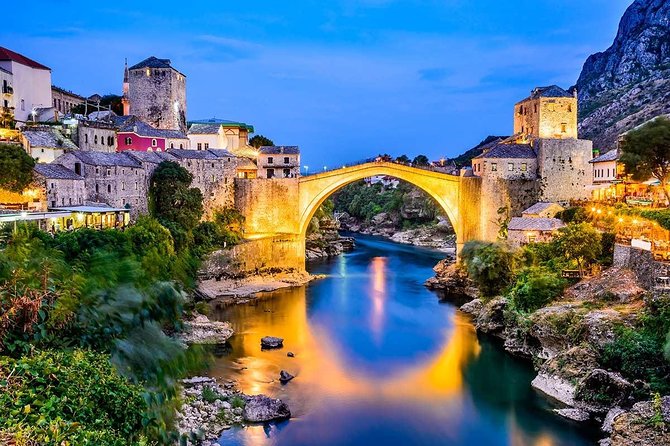
The morning heads to Mostar, where three hours focus on the old town and Old Bridge. The bridge was built in 1566, destroyed during the Siege of Mostar in 1993, and rebuilt as the central symbol of the town.
The guide’s discussion includes the reasons and legal facts connected with the bridge’s destruction. That context matters. Mostar is not simply a photogenic stone town. Its streets and rebuilt bridge also point to the recent wars that shaped Bosnia and Herzegovina.
You may see young men making the traditional jump from the bridge for money. It is an old local custom, but the height makes it a serious spectacle rather than a casual stunt.
The drive to Sarajevo is one of the scenic parts of the route, passing Jablanica Lake and the Neretva River canyon. In Sarajevo, another three-hour walking tour covers the Ottoman and Austro-Hungarian sections, markets, mosques, churches, synagogues, the Latin Bridge, the 1984 Winter Olympics, and life during the Siege of Sarajevo.
Sarajevo is a major reason to choose this trip. Its old center shows how several religious and political traditions meet within a small area, while the guide’s coverage of World War I and the siege adds modern context. This is also one of the longer days, so comfortable shoes and water are essential.
Day 8: Belgrade and the Danube
After breakfast, you continue into Serbia and reach Belgrade in the afternoon. The three-hour city visit includes Republic Square, the National Theatre, the National Museum, Skadarlija, Kalemegdan Park, Belgrade Fortress, the Victor monument, and the meeting point of the Sava and Danube rivers.
Kalemegdan and the fortress are the natural high point of this walk. The river junction gives you a clear sense of Belgrade’s setting, while Skadarlija offers an older, more bohemian side of the capital.
Again, the schedule is a broad introduction. The National Museum appears in the sightseeing list, but admission is not included, and you should not assume there will be time for a full museum visit. The tour works best if you see Belgrade as a guided first look, then return on another trip if you want more time.
Day 9: Novi Sad and Budapest
The final morning includes a stop in Novi Sad before the onward journey to Budapest. You see Zmaj Jovina Street, the promenade, the Orthodox Bishop’s Palace, Dunavska Street, the Danube embankment, and the exterior of Petrovaradin Fortress across the river.
One hour is enough for a walk through the central streets and a look toward the fortress, but it is a quick stop. Novi Sad deserves more time than this if you want museums, cafés, or a proper visit to Petrovaradin Fortress.
You arrive in Budapest in the evening, ending at the city’s Kerepesi út train station. That finish is useful if you are continuing by rail, though it is not the same as being dropped at a central hotel.
Hotels, transport, and the real cost
The price is $1,191.42 per person. Spread across nine days, that is about $132 per day, including eight hotel nights, daily transport, breakfast, a professional tour leader, and selected local guides. For a route crossing so many borders, that can be a fair price, especially if you value having transport arranged between towns.
The accommodation information needs clarification. One part describes daily 3-star hotels, while the included section says eight nights in 4-star hotels and the Lovech stop specifically lists a 4-star property. Ask which standard applies in each city before booking.
Meals other than the eight included breakfasts are your responsibility. Museum and other entrance fees are also extra. The suggested tip is €5 per day per person for the driver and tour guide, adding €45 for the nine-day period if you follow that guidance.
The maximum group size is 46. That helps explain the price, but it also means slower boarding, more time counting heads, and less flexibility at stops. A climate-controlled vehicle is promised, yet comfort depends on the actual vehicle assigned. Because one account describes a small van with poor seating, a broken front windshield, fast driving, and late daily departures, I would ask for a direct update on vehicle condition, seating, and departure discipline.
Who should book this Balkan route?
I would recommend it to you if you want a fast first look at the Balkans and prefer a planned route over arranging several border crossings, hotels, and transfers yourself. It is especially useful for someone who wants a broad geographic sweep and can accept short visits.
You should be reasonably fit. The tour describes walking days ranging from about one to seven kilometers, with some tours lasting two to five hours. Steps, uneven surfaces, and carrying a small bag into hotels are part of the experience.
I would be cautious about booking if you dislike long road journeys, large groups, or fixed schedules. The late arrivals in Kotor and Sarajevo, the short Novi Sad stop, and the possible vehicle problems could affect your enjoyment more than the sightseeing does.
Cancellation terms are strict close to departure. Cancellation at least six full days before the start allows a full refund; two to six days allows a 50 percent refund, and cancellation within two days is nonrefundable. The tour also requires a minimum number of participants, and a cancellation for that reason brings an alternative date or a full refund.
FAQ
Where does the tour start?
It starts in Bucharest at Bulevardul Regina Elisabeta 7, near University Square and the statues.
What time does the tour depart?
The information gives both 8:00 am and 8:30 am. Confirm the exact departure time with the provider before the first morning.
Where does the tour end?
It ends in Budapest at Kerepesi út 2, at the Budapest train station.
How many nights of accommodation are included?
Eight nights of accommodation are included.
Are breakfasts included?
Yes. Eight breakfasts are included, one for each hotel night.
Are entrance fees included?
No. Museum and other entrance fees are not included unless specifically stated. The listed visits to the main sights are generally described as free.
How large can the group be?
The maximum group size is 46 people.
Is a passport required?
Yes. You must have a current, valid passport on the day of the tour.
Should you book it?
Book this tour if breadth matters more than depth. In nine days, you can see major sights in eight countries, including Rila Monastery, Ohrid, Kotor, Mostar, Sarajevo, and Belgrade, without managing the transport yourself.
Before booking, confirm three points: the true hotel category, the exact first-day departure time, and the current vehicle. If those answers are satisfactory, the route offers solid value for a busy introduction to the Balkans. If comfort, late starts, and free time are major concerns, a smaller tour with fewer countries may serve you better.
Just added around Bucharest
- Private Full Day Tour of Bucharest★ 5.0 · 3 reviews
- Veliko Tarnovo and Medieval Bulgaria Private Day Trip from Bucharest★ 5.0 · 3 reviews
- Bucharest VIP Bar Crawl in Lipscani ‘Old Town’★ 5.0 · 3 reviews
- Muddy Volcanoes and Salt Mine Private Tour★ 5.0 · 3 reviews
- Bucharest Private City Tour★ 5.0 · 3 reviews
- Legends & Stories from Transylvania -2 Castles & Brasov Old Town★ 5.0 · 3 reviews
- 7-Day Dracula Tour in Romania from Bucharest including ‘The Ritual of Killing of a Living Dead’★ 5.0 · 3 reviews
- Transfagarasan Private Tour from Bucharest – 2 Days★ 5.0 · 3 reviews
Bucharest Tours, compared.
Dracula’s Castle, Peles Castle, & Brasov Old Town
Read our review →
Dracula Castle, Peles Castle & Brasov Old Town
Read our review →
Dracula’s Castle, Peleș Castle & Brașov Day Trip
Read our review →
Day Trip to Dracula Castle, Peles Castle & Brașov
Read our review →
Bucharest to Dracula Castle, Peles Castle and Brasov Guided Tour
Read our review →