

Reviewed · BUCHAREST TOURS
Bucharest Jewish Heritage | Holocaust Memorial | Private Car Tour
Bucharest’s Jewish past is easiest to understand as a story of presence, loss, and remembrance. This private car tour links synagogues, the Holocaust Memorial, the Jewish Museum, the State Jewish Theatre, and an old cemetery, giving you both the grand landmarks and the quieter places where personal stories come through. Guide Marius is especially praised for his clear storytelling and thoughtful handling of painful subjects.
I like the private format, which lets you ask questions, slow down at a family grave, or adjust the route when a particular part of Jewish Bucharest matters to you. I also like the door-to-door transport, since the sites are spread around the city and you avoid losing time finding each one yourself.
The main consideration is the subject itself. This is not a light sightseeing outing. The Holocaust Memorial and cemetery can be upsetting, and one cemetery may be overgrown. You also pay an extra €12 per person for the Choral Temple and Holocaust Museum.
Key points to know before booking
- Marius is the guide most often named: He is praised for clear English, careful preparation, patience, and strong knowledge of Jewish Romanian history.
- You visit more than museums: The route includes working and historic synagogues, a theatre, a memorial, a museum, and the Ashkenazi cemetery.
- The private car saves time: Hotel pickup and round-trip transport make it practical when you want several scattered sites in one half-day.
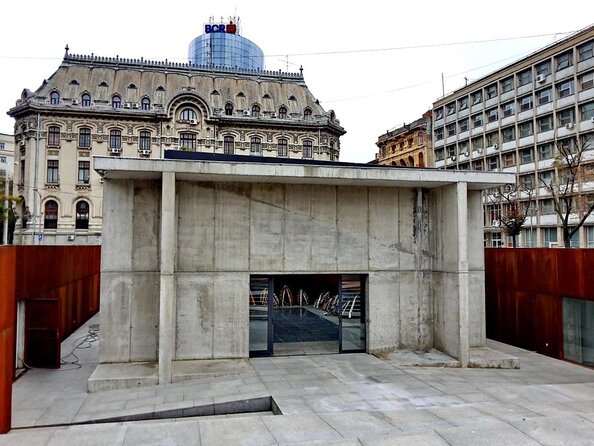
- The cemetery may be the most moving stop: Its old graves and World War I memorial show the scale of a community that has become very small.
- The tour can feel personal: Families have used the guide to locate ancestral graves, and the route may be adapted around your interests.
- Budget for two admission fees: The Choral Temple and Holocaust Museum cost €12 total per person, while the other listed inclusions are covered or free.
Why Jewish Bucharest deserves a place on your schedule
Bucharest is often introduced through grand avenues, old churches, and palace architecture. Yet the city’s Jewish story adds another essential layer. Jewish residents helped shape commerce, culture, civic life, and the city’s urban character, while the Second World War and later decades reduced the community sharply.
This tour helps you see that history through surviving places rather than through a lecture alone. A synagogue shows religious life. The Jewish Theatre points to culture and language. A cemetery brings the story down to names, dates, and family lines. The Holocaust Memorial asks you to face the destruction directly.
I find that combination more useful than visiting a single museum in isolation. You move between public buildings and personal traces, so the past feels connected to streets and neighborhoods rather than locked inside a display case.
The format also suits a subject that deserves time. With only your group in the vehicle, you can ask about Romanian Jewish customs, wartime events, family research, or the meaning of a memorial without worrying about holding up a large group.
More History Tours in Bucharest
- Bucharest: 3-Hour Dark History Tour with a Local
★ 4.9 · 301 reviews - Bucharest: Small Group History, Art & Secrets Tour
★ 4.7 · 152 reviews - Guided Walking Tour of Historical Bucharest
★ 5.0 · 84 reviews
A private car makes the half-day practical
The experience lasts about four to five hours. That is long enough for a serious introduction, but short enough to fit around other Bucharest plans. The private, air-conditioned vehicle provides pickup from a centrally located hotel or other central accommodation, then returns you after the tour.
That transport matters here. The stops are not presented as one compact museum route. You are moving among synagogues, memorial sites, the Jewish Theatre, and a cemetery. A car reduces the effort of working out each connection and gives you a comfortable place to pause between difficult subjects.
The vehicle is described as spacious and includes high-speed WiFi. Bottled water is provided at the start, along with a small sweet surprise. These are modest extras, but they make a difference during a long, information-heavy outing.
The guide is with you throughout, rather than handing you from one venue to another. Marius is the name most often associated with this experience, and his role goes beyond driving. He uses written material and photographs, explains the setting at each stop, and gives you time to look rather than rushing from door to door.
The Great Synagogue and Jewish community museum
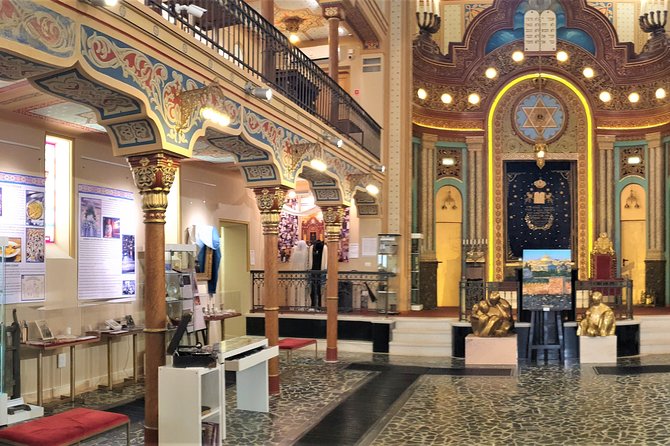
The first major stop is the Museum of History of the Jewish Community, connected with the Great Synagogue. You have about an hour here, making it one of the most substantial parts of the route.
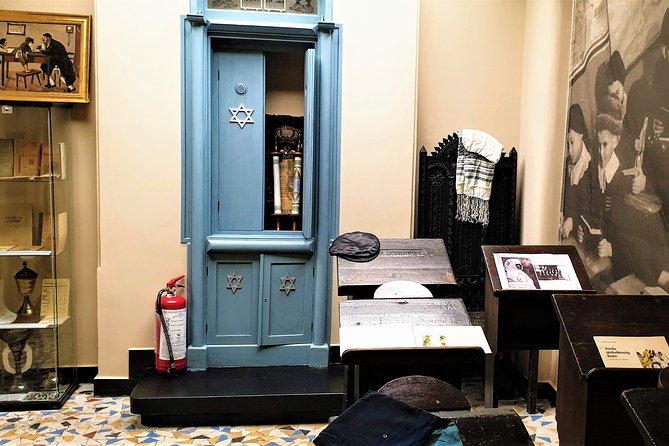
This is where the wider story begins to take shape. Instead of treating Jewish life as something that existed only before the war, the visit helps you consider the community’s institutions, traditions, and role in Bucharest. The synagogue itself gives that history a physical setting.
Admission is not included at this stop according to the tour details, so I would confirm the exact entry arrangement when booking. The itinerary later lists the Great Synagogue again alongside the Holocaust Museum, which may reflect the museum and synagogue being treated as related parts of the visit. Ask your guide how the timing is organized on your date.
The one-hour allocation is useful. You are not simply stopping for a photograph outside. You can listen to the explanation, inspect the displays, and ask about details that connect with your own family or religious background.
The Holocaust Memorial: a necessary pause
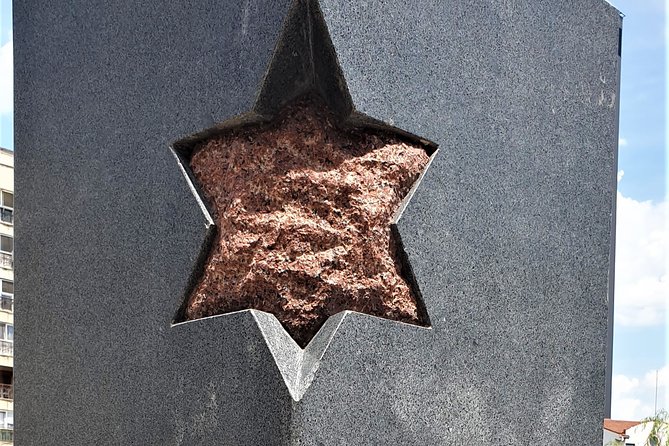
The Holocaust Memorial is scheduled for about 15 minutes. That may sound brief, but a memorial visit often works best when it gives you space to look and reflect rather than filling every minute with commentary.
This is one of the tour’s most serious moments. The site commemorates the Romanian Jewish victims of the Holocaust and places the wartime destruction within Bucharest itself. The guide’s tone matters here, and Marius is repeatedly praised for presenting the subject with care and respect.
I would not treat this as a quick photo stop. The memorial can be emotionally heavy, especially after learning about the community’s earlier life in the museum and synagogue. Fifteen minutes may be enough for the site itself, though you should feel free to ask for more context if the schedule permits.
The sequence also gives the tour a clear shape. You first learn about a community, then confront what happened to it. That makes the later cemetery visit feel even more personal.
Same corner of the country, a completely different day out:
- Bucharest: Dracula’s Castle, Peles Castle, & Brasov Old Town
★ 4.5 · 17,858 reviews - Bucharest: Dracula Castle, Peles Castle & Brasov Old Town
★ 4.6 · 10,891 reviews - Bucharest: Dracula’s Castle, Peleș Castle & Brașov Day Trip
★ 4.5 · 5,919 reviews - Bucharest: Palace of Parliament Tickets and Guide
★ 4.3 · 3,182 reviews
The Choral Temple and Bucharest’s synagogue heritage
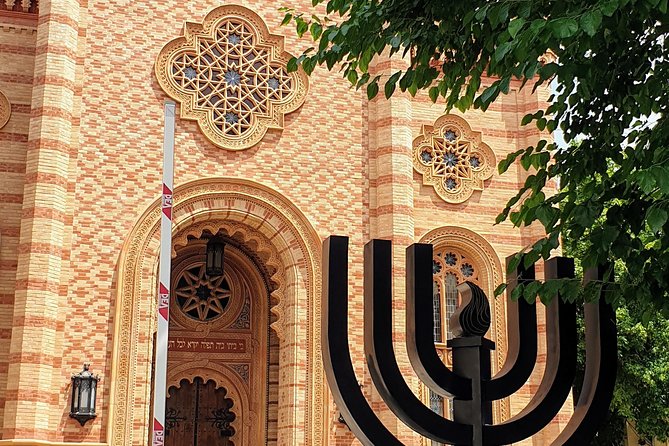
The Choral Temple is described as one of the oldest remaining temples in Bucharest. The planned visit lasts about 15 minutes, with admission charged separately. The entrance fee for the Choral Temple and Holocaust Museum is €12 per person in total.
The short visit means you should expect an introduction rather than an extended architectural study. Still, the temple is important because it shows the religious and cultural presence that once formed part of everyday Bucharest. The building is one of the tour’s more visually striking synagogue stops, while the guide supplies the historical context that an outside view cannot provide.
I would check whether the temple is open for interior access on your chosen date and how the €12 fee is collected. The tour confirms the charge, but it does not provide a more detailed breakdown.
If you have an interest in synagogue architecture, religious practice, or the differences within Romanian Jewish life, this is a good place to ask questions. The private setting gives you a better chance of shaping the discussion around what interests you most.
A brief look at the State Jewish Theatre
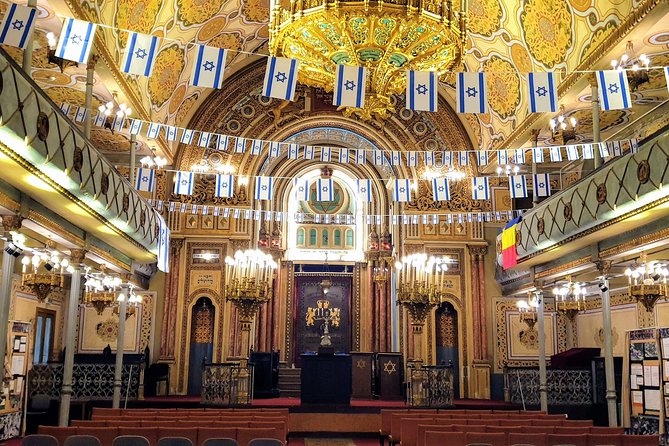
The State Jewish Theatre, or Teatrul Evreiesc de Stat, receives about five minutes. That is a quick stop, but it adds something the religious sites cannot.
The theatre represents Jewish cultural life in Bucharest, not only worship and memorial. A visit here helps you remember that communities are built through performance, language, music, education, and social institutions as well as through places of prayer.
With five minutes, you will likely receive an exterior look and a short explanation rather than a performance or full theatre visit. I see it as a useful connector between the synagogues and the museum. It broadens the tour’s focus and shows that Jewish heritage is part of the city’s cultural story.
The Holocaust Museum at the Great Synagogue
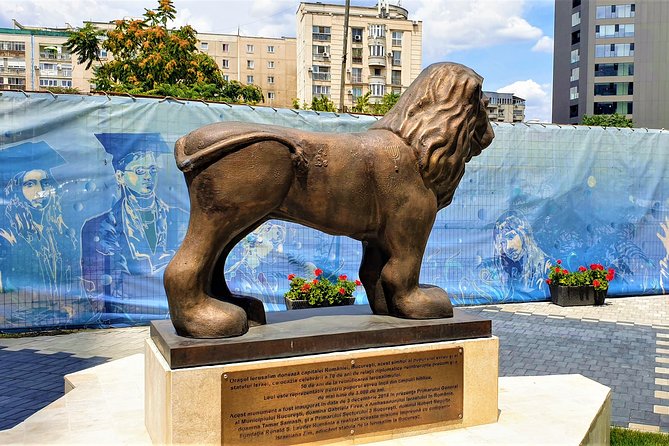
The tour then includes about 30 minutes at the Holocaust Museum, with admission not included. This is another key stop, and the €12 combined fee for the museum and Choral Temple should be included in your budget.
The museum gives the wartime story more detail than a memorial alone can provide. After seeing the building and hearing about Jewish life in Bucharest, you can look at the evidence of persecution and destruction in a setting devoted to remembrance.
Half an hour is enough for a focused visit, especially with an accompanying explanation from the guide. It may not be enough for someone who wants to read every display closely, so you should tell the guide if you prefer fewer stops and more museum time.
I especially value the way this stop works with the rest of the day. The tour does not isolate the Holocaust from the community that existed before it. You see institutions, culture, graves, and memory together.
The Philanthropy Israelite Cemetery
The final listed stop is the Philanthropy Israelite Cemetery, an Ashkenazi cemetery described as one of Bucharest’s oldest. You have about 30 minutes here, and admission is included.
This may be the most personal stop. Cemeteries preserve names and relationships that broad historical accounts can miss. The World War I Memorial adds another reminder that Jewish residents were part of Romania’s national story, not separate from it.
You should be prepared for uneven upkeep. One cemetery visited on this type of route has been described as heavily overgrown, with shrubs covering parts of the grounds and limited maintenance. That condition is sad, but it also tells you something about the reduced size of the Jewish community today. The neglect is not a polished tourist attraction, and that is precisely why the place can feel so direct.
If you are researching relatives, bring family names and dates. Marius has helped participants ask cemetery staff about family graves, and the tour can sometimes become a more personal search than the standard route suggests. Do not assume a grave will be found, but do tell the guide in advance if genealogy is central to your visit.
What makes the guide important
The guide is the thread holding the day together. A list of synagogues and memorials can feel disconnected without someone explaining how the sites relate to one another.
Marius is repeatedly described as friendly, organized, patient, and easy to listen to. He uses written materials and photographs, and he has been willing to adjust the route around specific interests. Families have asked for extra attention to ancestral connections, and some have added a cemetery associated with victims of the 1941 pogrom.
The guide does not need to be Jewish to present the subject well. What matters is preparation, accuracy, and respect. The strongest praise for this experience focuses on those qualities, along with his ability to explain both Jewish history and broader Romanian history.
English is the offered language. The tour details identify an English-speaking guide or driver for the entire outing, so you should expect continuous commentary rather than occasional translation.
Price, timing, and what you really receive
The listed price is $113.84 per person. For a private four-to-five-hour outing with hotel pickup, a private vehicle, and a dedicated guide, that can be fair value, particularly for couples or families who would otherwise arrange several taxis and separate site visits.
You should add €12 per person for the Choral Temple and Holocaust Museum. Tips for the guide or driver are also not included. The vehicle, WiFi, bottled water, sweet surprise, written material, and photo testimonials are included.
The price makes the most sense when you value explanation and convenience. If you only want to see synagogue exteriors, you could spend less by exploring independently. If you want the history explained, the sites connected, and the day arranged around your group, the private format earns its cost.
Group discounts are offered, though no discount amount is provided. Since the tour is private, the per-person value may improve when shared by several people.
Who should book this experience
I would recommend it to anyone with a serious interest in Jewish heritage, Holocaust remembrance, Romanian history, or family roots. It also suits first-time visitors who want a focused introduction without spending days planning a scattered route.
Families may find the private format especially helpful. You can ask questions suited to different ages, adjust the pace, and raise ancestral concerns without a group audience. The guide has also assisted someone with mobility problems, though the tour details only say that most people can participate, so you should discuss any specific needs before booking.
This is less suitable if you want a cheerful city tour or a broad overview of Bucharest’s main attractions. Nearly every stop serves the Jewish story, and several are solemn. You should leave room afterward to process what you have seen.
The tour requires good weather. If poor weather causes cancellation, you are offered another date or a full refund. You can cancel for a full refund up to 24 hours before the start time, but changes or cancellations inside that window are not accepted.
Should you book the Bucharest Jewish Heritage tour?
Book it if you want context, not just monuments. The strongest part of this experience is the link between living culture, religious buildings, wartime memory, and the cemetery’s quiet evidence of a community that has largely disappeared.
I especially recommend it for anyone tracing Romanian Jewish family roots. Bring names, dates, and questions, and tell Marius what matters to you before the tour begins. For a general visitor, the tour offers a serious and well-organized half-day, but you should be ready for difficult history and an occasionally neglected cemetery.
At $113.84 per person plus the €12 entrance fee, it is not the cheapest way to see Bucharest. It is a strong choice if you want a private guide, hotel pickup, thoughtful explanations, and the freedom to make the day personal.
FAQ
How long does the Bucharest Jewish Heritage tour last?
The tour lasts approximately four to five hours.
What language is the tour offered in?
The tour is offered in English with an English-speaking guide or driver for the entire experience.
Is hotel pickup available?
Yes. Pickup is offered from centrally located hotels or other central accommodation.
Is this a private tour?
Yes. Only your group participates in the private activity.
Which sites are included?
The route includes the Museum of History of the Jewish Community at the Great Synagogue, the Holocaust Memorial, the Choral Temple, the State Jewish Theatre, the Holocaust Museum, and the Philanthropy Israelite Cemetery.
Are entrance fees included?
The cemetery admission is included. The Choral Temple and Holocaust Museum require an additional €12 total per person. The tour details also list admission as not included for the Museum of History of the Jewish Community and the Holocaust Memorial.
Is transportation included?
Yes. Round-trip transport is provided in a private, air-conditioned, spacious vehicle.
What is included besides transportation and guiding?
The tour includes high-speed WiFi in the vehicle, bottled water at the start, a sweet surprise, written and photo testimonials, and the English-speaking guide or driver.
Can I cancel for a full refund?
Yes. You can cancel at least 24 hours before the local start time for a full refund. Cancellations or changes made less than 24 hours before the start are not accepted, and poor-weather cancellations offer a different date or full refund.
Just added around Bucharest
- Private Full Day Tour of Bucharest★ 5.0 · 3 reviews
- Veliko Tarnovo and Medieval Bulgaria Private Day Trip from Bucharest★ 5.0 · 3 reviews
- Bucharest VIP Bar Crawl in Lipscani ‘Old Town’★ 5.0 · 3 reviews
- Muddy Volcanoes and Salt Mine Private Tour★ 5.0 · 3 reviews
- Bucharest Private City Tour★ 5.0 · 3 reviews
- Legends & Stories from Transylvania -2 Castles & Brasov Old Town★ 5.0 · 3 reviews
- Transfagarasan Private Tour from Bucharest – 2 Days★ 5.0 · 3 reviews
- 7-Day Dracula Tour in Romania from Bucharest including ‘The Ritual of Killing of a Living Dead’★ 5.0 · 3 reviews
Bucharest Tours, compared.
Dracula’s Castle, Peles Castle, & Brasov Old Town
Read our review →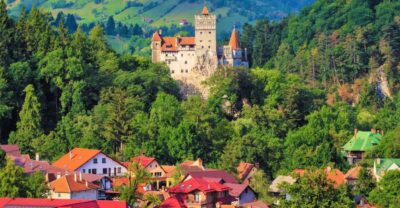
Dracula Castle, Peles Castle & Brasov Old Town
Read our review →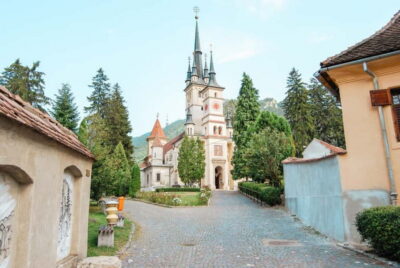
Dracula’s Castle, Peleș Castle & Brașov Day Trip
Read our review →
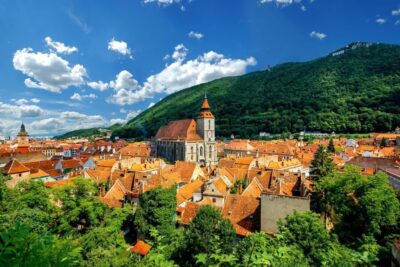
Day Trip to Dracula Castle, Peles Castle & Brașov
Read our review →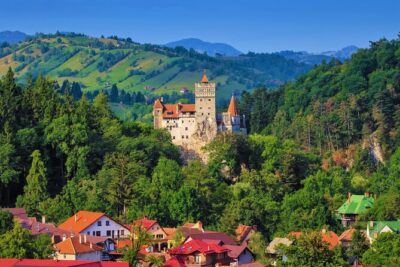
Bucharest to Dracula Castle, Peles Castle and Brasov Guided Tour
Read our review →
Dracula’s Castle, Peles Castle and Brasov Day Trip from Bucharest
Read our review →Browse the lists this tour appears in