Reviewed · BUCHAREST TOURS
Bucharest: The Italian emigration in Romania
Bucharest’s Italian story is easy to miss beneath its grand buildings and tangled past. This two-hour walk follows that thread from the Dambovita River along Victory Road, linking Italian immigration with the CEC Palace, the Athenaeum, the Italian Church, and other city landmarks.
I like the focused theme and the compact route. You get both architectural sights and a useful introduction to Bucharest’s old center, with an Italian-speaking local guide to explain the connections. The main drawback is practical: the office meeting point can be hard to spot, so you should arrive early and confirm exactly where the guide will meet you.
Key points at a glance
- Italian influence on Bucharest: Learn how Italian immigrants shaped the capital from the late eighteenth and early nineteenth centuries.
- A central walking route: Cross the Dambovita River and follow Victory Road through some of Bucharest’s most important sights.
- Major landmarks included: See the Palace of Justice, National History Museum, CEC Palace, Revolution Square, Athenaeum, and Italian Church.
- A two-hour commitment: The tour fits neatly into a first day in Bucharest without taking over your schedule.
- Italian-language guiding: The listed live tour language is Italian. Daniel is one guide associated with this experience.
- Meeting point caution: Meet at Piata Natiunile Unite, about 100 meters from the Transylvanian Wonders office.
Why Italian immigration gives this Bucharest walk its shape
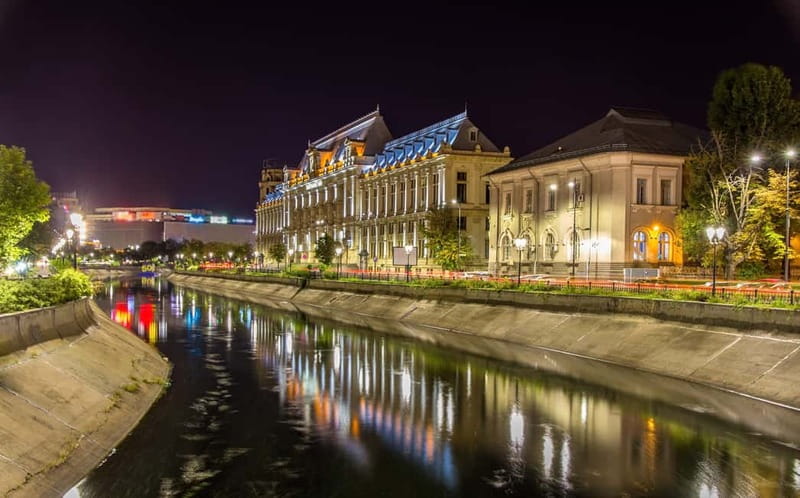
Many city tours move from one famous building to the next. This one uses a particular question to connect them: what did Italian immigrants contribute to Bucharest during the late eighteenth and early nineteenth centuries?
That focus gives you a different way to read the center. Instead of seeing the CEC Palace, the Athenaeum, or the Italian Church as isolated sights, you look for the people, skills, and cultural links behind the city’s development. The theme is especially useful if you have already seen Bucharest’s broad political story and want a narrower, more human angle.
You will not spend two hours inside museums or at one single monument. This is a street-level history walk, with the buildings themselves providing the setting. The guide explains the Italian connection as you move through the old part of town, so comfortable shoes matter more than formal clothing or special equipment.
The tour is listed at $34 per person. For two hours with a professional local guide, that can be fair value if you want context rather than a simple list of buildings. The price makes the most sense for visitors who care about architecture, migration, and the way foreign communities helped shape a capital city.
A few more Bucharest day trips to weigh up
- Bucharest: Dracula’s Castle, Peles Castle, & Brasov Old Town
★ 4.5 · 17,858 reviews - Bucharest: Dracula Castle, Peles Castle & Brasov Old Town
★ 4.6 · 10,891 reviews - Bucharest: Dracula’s Castle, Peleș Castle & Brașov Day Trip
★ 4.5 · 5,919 reviews
Starting at Piata Natiunile Unite and the Dambovita River
The stated meeting area is Piata Natiunile Unite, with the Transylvanian Wonders office at Bulevardul Natiunile Unite 4, Bloc 107/A. The instructions also say to meet in the square, about 100 meters from the office.
That distinction matters. One person had trouble finding the office because there was no clear sign and no one was present at the expected meeting point. I would not leave this until the last minute. Allow extra time, keep the office address handy, and make sure you know if your guide wants you in the square or at the office itself.
Once the group gathers, the walk crosses the Dambovita River. This is a good opening because the river helps you shift from the modern city around the square into Bucharest’s older central core. The route then moves toward Victory Road, the principal avenue at the heart of the experience.
The activity is described as a walking tour, and there is no transport included. That keeps the route simple, but it also means you should be ready to walk continuously for two hours. Wear shoes that can handle pavement and bring clothing suited to the weather.
Walking into Victory Road’s architectural story
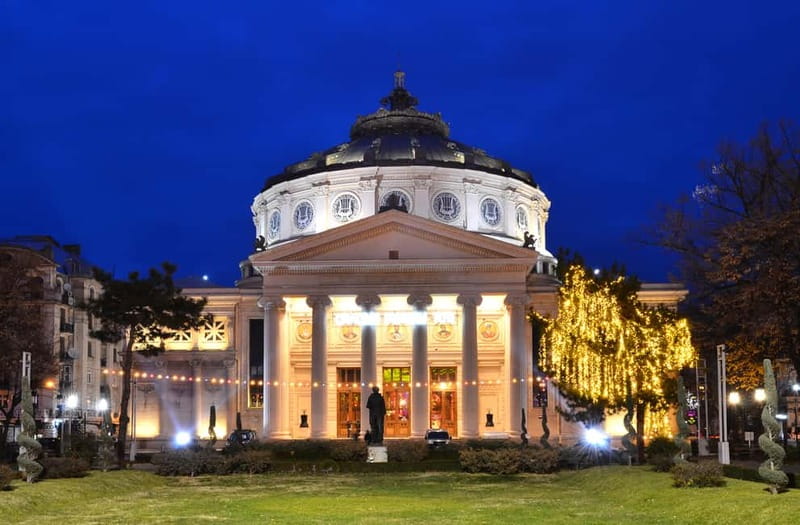
Victory Road is where the tour’s main idea comes together. You will see one of Bucharest’s best-known streets while hearing how Italian immigration affected the city’s building traditions and wider development.
The appeal is not just the avenue itself. A guide can point out how political power, finance, culture, and religion are represented along the same route. That makes the walk feel less like a monument checklist and more like a short lesson in how Bucharest grew.
Your guide is expected to explain the Italian presence in relation to the places you pass. The listed language is Italian, so this outing is most suitable for Italian speakers or anyone who has specifically chosen an Italian-language tour. The experience information does not promise a multilingual presentation.
One guide connected with the activity is Daniel. His tour style, based on the available feedback, includes answering questions, explaining both individual sights and the city as a whole, and adjusting the walk for particular stop requests. That kind of flexibility can be valuable on a short tour, since two hours leaves little room for detours unless the guide manages the time well.
Palace of Justice beside the Dambovita
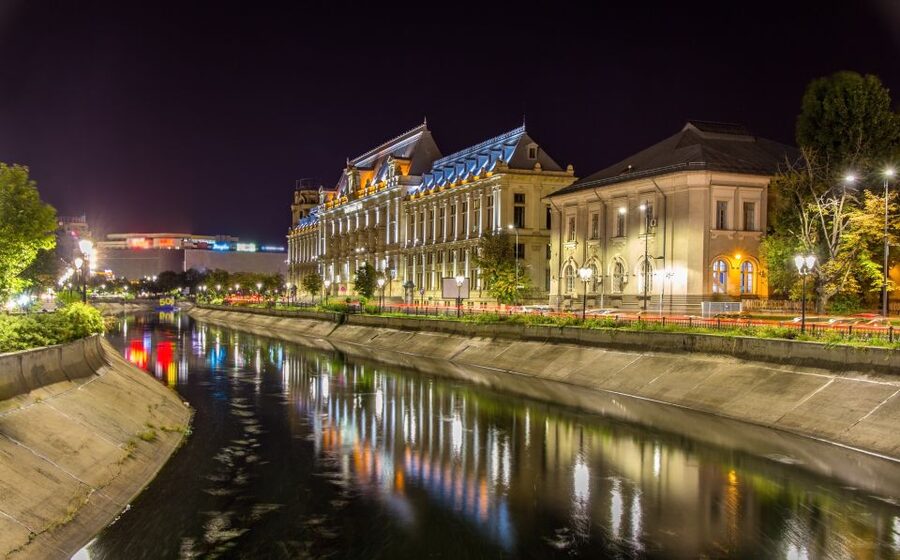
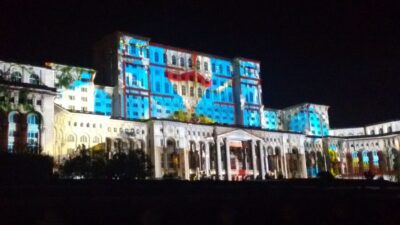
The Palace of Justice is one of the first major sights named on the route. Its position beside the Dambovita River gives you a strong visual start, with the river and grand civic architecture in the same frame.
This stop helps explain Bucharest’s formal side. A courthouse is not simply an attractive facade. It speaks to the city’s institutions and the effort to present Bucharest as a serious European capital. Your guide’s role is to connect that building to the broader political and architectural story rather than leave you with only a photograph.
The tour does not state that you enter the Palace of Justice. Plan to view it from outside unless your guide tells you otherwise. Since this is a walking route with several stops, the value comes from the explanation and sequence, not from extended indoor visits.
Same corner of the country, a completely different day out:
- Bucharest: Palace of Parliament Tickets and Guide
★ 4.3 · 3,182 reviews - Bucharest: Day Trip to Dracula Castle, Peles Castle & Brașov
★ 4.4 · 3,049 reviews - Bucharest to Dracula Castle, Peles Castle and Brasov Guided Tour
★ 4.5 · 2,933 reviews - Bucharest: Palace of Parliament Tickets and Guided Tour
★ 4.4 · 1,877 reviews
National History Museum and the CEC Palace
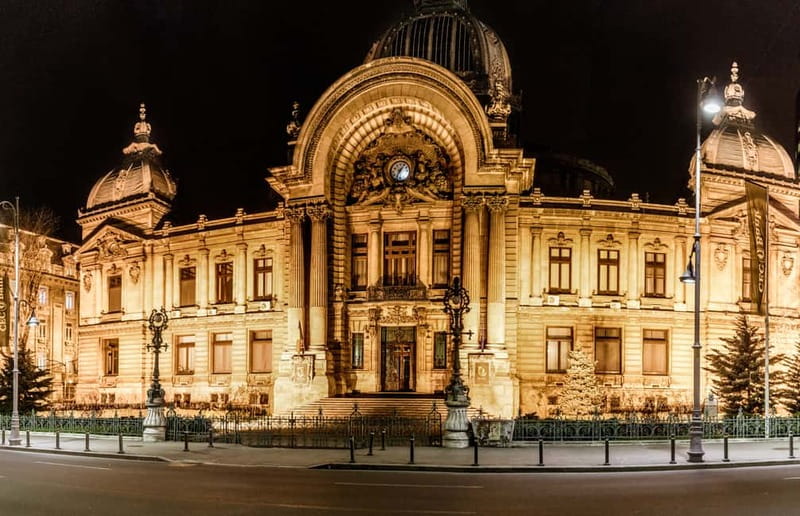
The route continues past the National History Museum and the CEC Palace. These stops place national memory and banking side by side, giving the walk a useful contrast.
The National History Museum represents the country’s effort to tell its own story. The CEC Palace, by contrast, points toward finance, commerce, and the visual language of a growing capital. The building is one of the tour’s clear highlights, and its ornate exterior gives the guide a natural place to discuss the people and influences involved in Bucharest’s development.
The Italian connection is the reason these buildings appear together. You are not simply being shown the city’s prettiest structures. You are being asked to consider where outside skills and ideas fit into Romania’s urban story.
That is the strongest reason to choose this tour over a general sightseeing walk. If you want only the broadest introduction to Bucharest, another route may cover more ground. If you enjoy tracing one cultural influence through several public buildings, this walk offers a more specific frame.
Revolution Square and the old Senate house
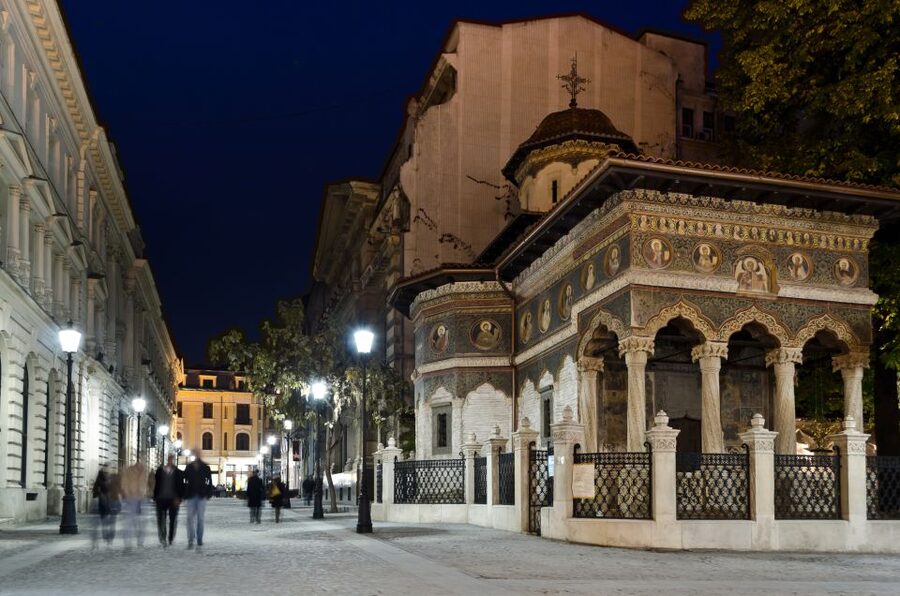
Revolution Square brings the tour into Bucharest’s modern political past. The square and the old Senate house are included among the key sights, giving you another setting where architecture and national events meet.
The supplied details do not promise a long political-history lecture, so you should think of this as one part of a wider route. The guide will discuss the buildings and their place in the city, while the Italian immigration theme remains the main thread.
This is also a useful point for understanding the changing character of Victory Road. One section may suggest banking and official institutions, while another recalls public debate and political upheaval. The tour’s two-hour length means the treatment will be selective, but that can be helpful on a first visit. You get a map of the center without trying to absorb every chapter at once.
The Athenaeum and Italian Church
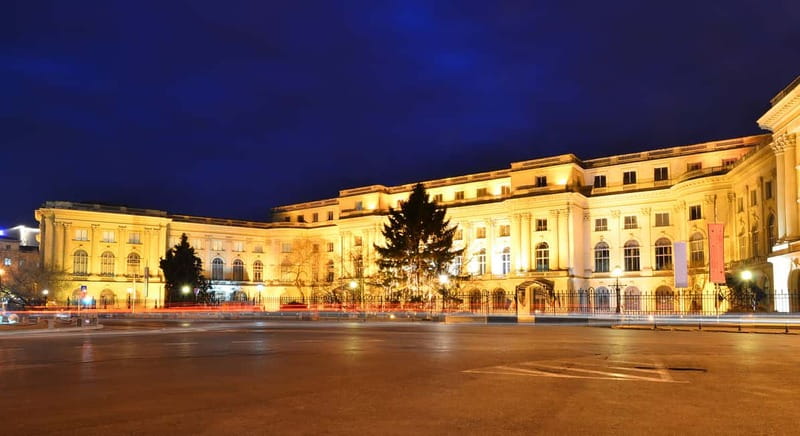
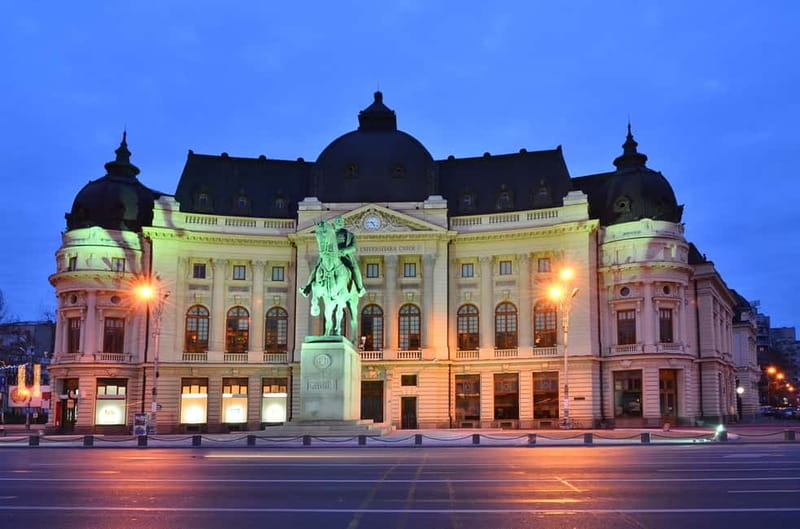
The Athenaeum is another important stop, especially for anyone interested in Bucharest’s cultural life. Along with the Italian Church, it gives the route a more personal and cultural dimension.
The Italian Church is the most direct reminder of the community at the center of the tour. It lets you move beyond the idea of immigration as an abstract subject and consider how a community left a visible religious and cultural mark on the city.
The Athenaeum broadens that picture. It represents the artistic and civic ambitions of Bucharest, while the church points to the continuing identity of Italians living and working in Romania. Together, these stops help explain why the tour includes both grand public buildings and a place tied more closely to community life.
Again, the available details do not say that the tour enters either building. Expect exterior visits and explanation along the route. If you want time inside the Athenaeum or Italian Church, check separately rather than assuming the walking tour includes admission.
Finishing in Bucharest’s old town
The walk is designed to finish in Bucharest’s old town with a recap of the importance of Italian immigration in Bucharest and Romania. That is a sensible ending. After seeing government, finance, culture, religion, and national institutions, you get a final chance to bring the theme together.
The route information also says the activity ends back at the meeting point. Since the sightseeing description places the final recap in old town, I would confirm the exact end location before booking or on the day. The difference could affect your next reservation, especially if you have a timed museum visit or dinner booking.
Old town is a practical finish for a first day because it leaves you in a central part of Bucharest. Still, do not count on a long free period at the end. The description calls the final section a quick recap, so the tour is built around walking and guiding, not an extended break for food or shopping.
Guide quality and the importance of communication
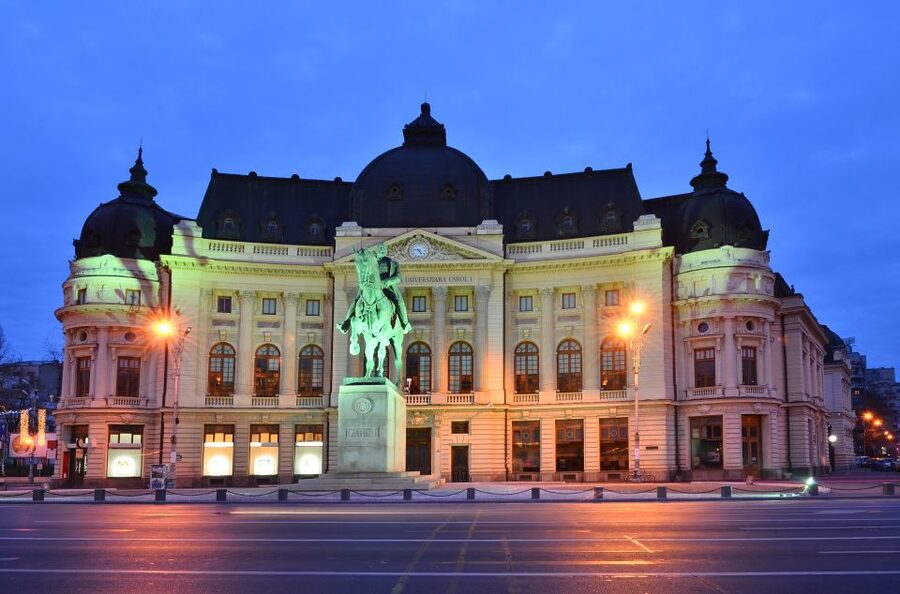
A professional local guide is included, and the tour is listed with a live guide speaking Italian. That is the main service you are paying for. The buildings are free to see from the street, so the guide’s explanations determine much of the tour’s value.
Daniel is specifically associated with a strong version of the experience. He is described as punctual, friendly, humorous, and able to answer questions about the sights and Bucharest more broadly. He also accommodated specific stop requests and, in one case, arranged to begin at a hotel.
I would treat that hotel start as an example of possible flexibility, not a standard feature. The official meeting information remains Piata Natiunile Unite and the Transylvanian Wonders office. Ask before relying on a different pickup point.
The main practical concern is not the guide’s subject matter but meeting coordination. One scheduled tour failed because no one was found at the office, and the office was difficult to identify. That is a serious warning for a paid walking tour. Confirm the meeting details, arrive early, and keep a phone available for contact if possible.
Is $34 fair for two hours?
At $34 per person, this is not a budget stroll, but it is not an unreasonable price for a private-feeling historical introduction if the guide is attentive and the group is handled well. You are paying for a themed route, local explanation, and the chance to ask questions in Italian.
The value is strongest when:
- You are interested in Italian history outside Italy.
- You want to understand Bucharest through architecture and migration.
- You prefer a short, guided walk to independent research.
- You are comfortable seeing landmarks from outside.
- You want an Italian-language experience.
The value is weaker if you expect museum admissions, transport, a long tour, or a broad survey of every major Bucharest sight. None of those are included in the stated package. The professional local guide is the only listed inclusion.
Free cancellation up to 24 hours before the start and the reserve-now, pay-later option reduce some booking risk. They do not remove the need to verify the meeting point. A flexible payment policy is useful, but reliable coordination on the day matters just as much.
Who should book this Bucharest walk?
I would recommend it to Italian-speaking visitors who want a focused introduction to central Bucharest. It should also suit people who enjoy architecture, cultural exchange, and the small connections that standard city tours often skip.
It is a good fit for a first or second day in the capital because the route covers several famous sights without requiring a full-day commitment. The two-hour length leaves room for your own old-town exploring afterward, provided the exact end point is clear.
You should think twice if you dislike walking, need a guaranteed indoor visit, or want a large number of attractions covered in detail. The route is compact and theme-led. Its strength is the connection between places, not the number of places.
The activity is not suitable for people over 95 according to the stated restrictions. You should also avoid bringing alcohol or drugs, audio-recording equipment, or going barefoot. Those rules are simple, but comfortable shoes and weather-appropriate clothing are the items that will make the greatest difference to your day.
Should you book it?
Book this tour if the Italian influence on Bucharest sounds more interesting to you than a standard list of royal palaces and viewpoints. The route gives you a clear theme, several major central landmarks, and a professional Italian-speaking guide in a manageable two-hour format.
I would book only after confirming the meeting instructions. Piata Natiunile Unite is the stated starting area, but the office can be hard to identify, and the precise finishing point should also be checked. With that practical detail settled, the walk offers a useful and fairly unusual way to read Bucharest.
FAQ
Where does the Bucharest Italian emigration tour start?
The meeting area is Piata Natiunile Unite. The Transylvanian Wonders office is at Bulevardul Natiunile Unite 4, Bloc 107/A, and the meeting point is about 100 meters from the office.
Where does the tour end?
The sightseeing description says the walk ends in Bucharest’s old town with a short recap. The activity details also say it ends back at the meeting point, so confirm the exact end location before the tour.
How long does the tour last?
The walking tour lasts two hours. Starting times depend on availability.
What language is the tour in?
The listed live tour language is Italian.
Is Daniel the guide for every tour?
Daniel is a guide associated with this experience, but the supplied details do not state that he leads every departure. You can ask when booking if having Daniel is important to you.
What sights are included?
The route includes the Palace of Justice, the Dambovita River, National History Museum, CEC Palace, Victory Road, Revolution Square, the old Senate house, Athenaeum, Italian Church, and Bucharest’s old town.
What should I bring?
Bring comfortable shoes and clothing suitable for the weather. Audio recording, alcohol, drugs, and bare feet are not allowed.
Just added around Bucharest
- Private Full Day Tour of Bucharest★ 5.0 · 3 reviews
- Veliko Tarnovo and Medieval Bulgaria Private Day Trip from Bucharest★ 5.0 · 3 reviews
- Bucharest VIP Bar Crawl in Lipscani ‘Old Town’★ 5.0 · 3 reviews
- Bucharest Private City Tour★ 5.0 · 3 reviews
- Muddy Volcanoes and Salt Mine Private Tour★ 5.0 · 3 reviews
- Legends & Stories from Transylvania -2 Castles & Brasov Old Town★ 5.0 · 3 reviews
- Transfagarasan Private Tour from Bucharest – 2 Days★ 5.0 · 3 reviews
- 7-Day Dracula Tour in Romania from Bucharest including ‘The Ritual of Killing of a Living Dead’★ 5.0 · 3 reviews
Bucharest Tours, compared.
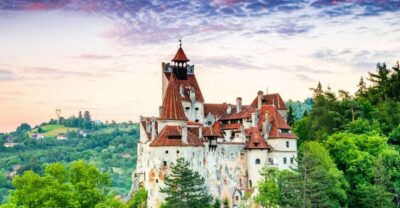
Dracula’s Castle, Peles Castle, & Brasov Old Town
Read our review →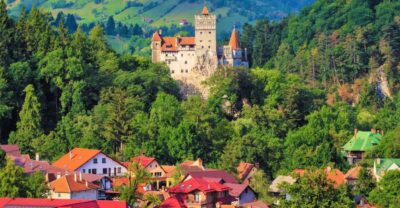
Dracula Castle, Peles Castle & Brasov Old Town
Read our review →
Dracula’s Castle, Peleș Castle & Brașov Day Trip
Read our review →
Day Trip to Dracula Castle, Peles Castle & Brașov
Read our review →
Bucharest to Dracula Castle, Peles Castle and Brasov Guided Tour
Read our review →