Reviewed · BUCHAREST TOURS
Darkside Tour of Bucharest – small group
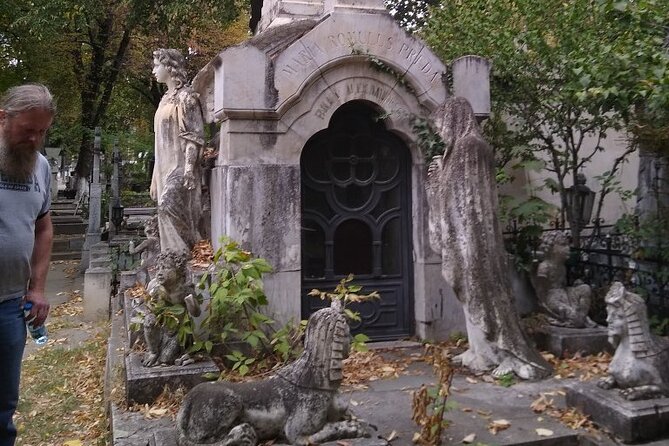
Bucharest’s darker past comes alive in Bellu Cemetery, where ornate tombs, tragic love stories, strange memorials, and unsolved mysteries turn a graveyard visit into the heart of the tour. From there, you follow the city’s troubled path through scandalous pre-communist Bucharest, protest sites, and the final days of Nicolae Ceausescu’s regime.
I like the small maximum of 12 people, which gives you room to ask questions and hear the guide clearly. I also like the mix of folklore and recent political history, plus the practical touch of subway transport and a street snack. The main consideration is the subject matter: stories of murder, oppression, executions, and political violence may not suit younger children or anyone looking for a light city walk.
Key points to know before you book
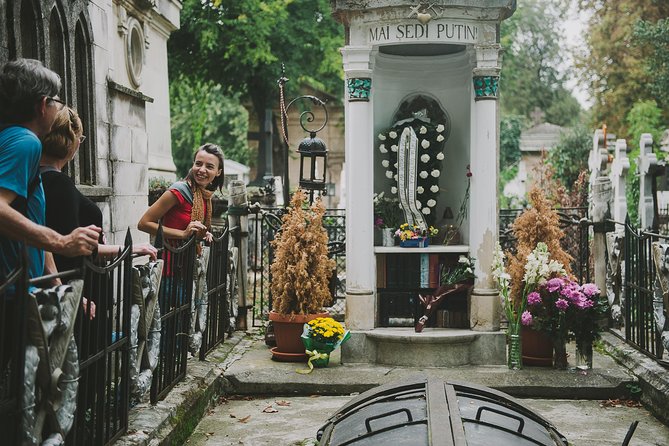
- Bellu Cemetery takes about an hour: Expect crypts, tombstones, unusual monuments, love stories, and tales of people who met grim ends.
- The tour links old scandals to recent history: Calea Victoriei covers Bucharest before communism, while Revolution Square explains the 1989 uprising and the fall of Ceausescu.
- You use the subway: Underground transport connects the city center with the cemetery and is included in the price.
- Guides shape the experience: Vlad, Elena, Alex, Andra, Bogdan, Irina, and others have led tours, with storytelling, humor, and time for questions frequently part of the approach.
- It is a walking tour with a serious edge: You need moderate physical fitness, and the experience is not recommended for children aged 15 and under.
- The price is $48.39 per person: For three hours, a local guide, subway transport, and a snack, that is fair value if you want context rather than just a list of city sights.
Why Bellu Cemetery is the real centerpiece
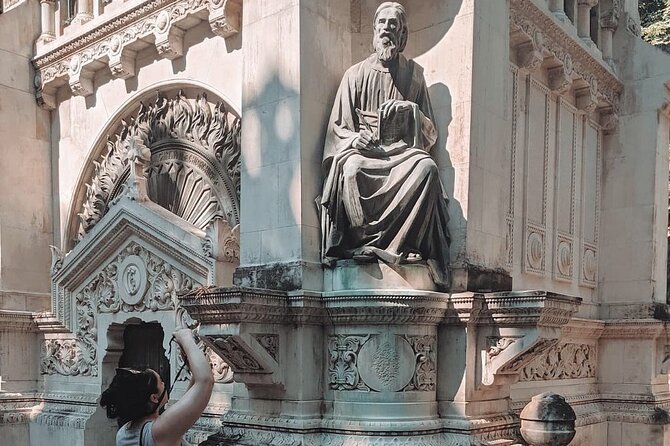
The tour begins at the Ion Luca Caragiale National Theatre on Bulevardul Nicolae Bălcescu at 3 pm. You then travel by subway to Bellu Cemetery, also known as Cimitirul Șerban Vodă-Bellu. The cemetery is described as Bucharest’s first modern graveyard, and it gives the tour a setting far removed from the usual central squares and grand façades.
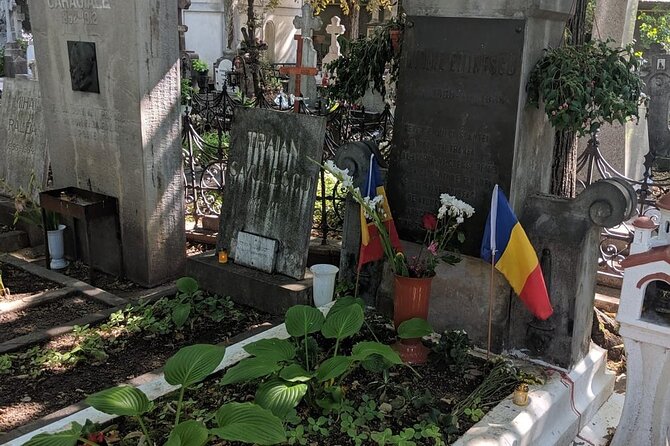
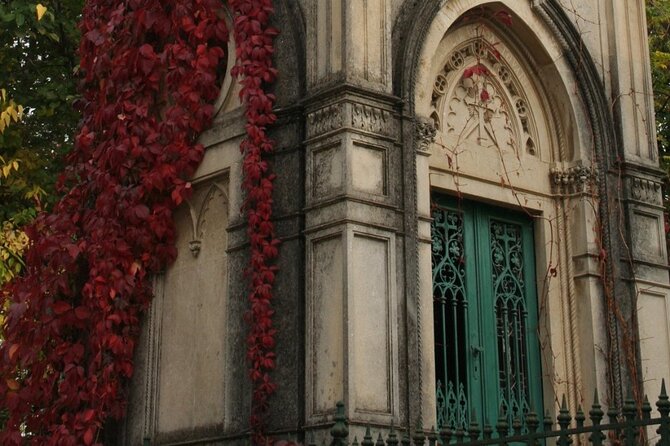
I like this choice. A cemetery makes you slow down. Instead of rushing between monuments, you can look closely at carved stone, family tombs, crypts, and memorial details while the guide explains the people behind them. This is not just a walk among graves. The stories include romance, betrayal, unusual deaths, local legends, and mysteries that have not been fully settled.
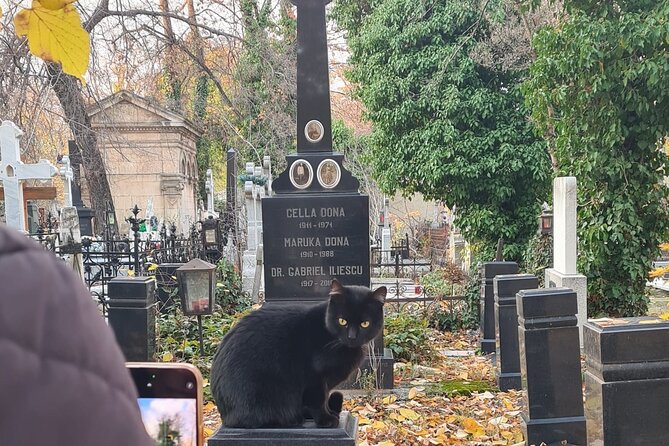
The cemetery section lasts about an hour, which is long enough to give the place its due. One useful point from the guide style is that the stories are not delivered as dry dates. Guides such as Vlad and Elena have been praised for bringing individual lives into focus, adding humor when appropriate, and explaining the local customs and superstitions tied to death and remembrance.
You may also encounter the human side of the guides here. Elena, in particular, has been described as caring toward stray animals, and one group even stopped to feed cats along the way. That is not a guaranteed feature or formal part of the itinerary, but it gives you a sense of the informal, personal tone this tour can have.
Bellu Cemetery is also a good place for photographs, though the focus is on listening rather than taking pictures at every turn. If you enjoy architecture, sculpture, genealogy, or unusual biographies, you could easily spend much longer here than the scheduled hour. The drawback is that the ground and walking may be tiring, especially in hot weather, so comfortable shoes and water are sensible.
A few more Bucharest day trips to weigh up
- Bucharest: Dracula’s Castle, Peles Castle, & Brasov Old Town
★ 4.5 · 17,858 reviews - Bucharest: Dracula Castle, Peles Castle & Brasov Old Town
★ 4.6 · 10,891 reviews - Bucharest: Dracula’s Castle, Peleș Castle & Brașov Day Trip
★ 4.5 · 5,919 reviews
The subway ride adds a local touch
Subway transportation is included, and it is used to reach the cemetery. That matters for two reasons. First, it avoids spending the tour’s limited time in a road vehicle. Second, it gives you a brief look at an ordinary part of daily Bucharest instead of keeping you inside a sightseeing bubble.
The route is not a grand transport experience, but it helps connect the cemetery with the central city. You begin near the National Theatre, visit Bellu, then return to the center for the political and cultural sections. The movement gives the three-hour route a clear shape.
The tour includes a street snack as well. The exact snack is not specified, though one group received a pretzel. Treat this as a small local extra rather than a meal. Food and drinks beyond what is specified are not included, so you should eat beforehand if you need more than a bite during the afternoon.
University Square and the history of protest
After Bellu Cemetery, the tour turns toward University Square. The stop lasts about 20 minutes, but its importance is much larger than its length suggests. This is presented as the starting point for several major protests in Romania’s recent history.
Here you learn about the victims of the 1989 Revolution, people who wanted an occidental future, and the confrontation with miners during the protests of the 1990s. The site also connects to Romania’s more recent anticorruption movement. These events are not treated as distant history. They help explain why public space, political memory, and civic protest remain important in Bucharest.
This is one of the tour’s most useful features for first-time visitors. The city can seem like a mix of elegant old buildings, rough edges, modern cafés, and heavy communist-era blocks. University Square helps you understand that the contrasts are not random. They come from decades of political change, economic pressure, and public resistance.
The guide-led format works well here because you can ask for clarification. Alex, Andra, Bogdan, and other guides have been praised for answering questions and keeping the conversation open. If you want to know how ordinary Romanians experienced the changes after 1989, this is a good point to ask.
Calea Victoriei before the Communist regime
The Calea Victoriei section lasts about 40 minutes and shifts the mood again. Here the focus turns to Bucharest in the early 20th century, before the Communist regime took power. You hear about the city’s scandals, nightlife, prostitution, and colorful figures from that period.
One story concerns Zaraza, described as a beautiful Roma dancer whose name became part of Bucharest’s urban folklore. The tour also gives the striking statistic that around 12,000 prostitutes and escorts were working in Romania in 1927. Numbers like this help show that old Bucharest was not simply a city of royal buildings and polished avenues. It had an energetic, unruly social world beneath the formal image.
Calea Victoriei is a strong setting for this section because you are walking through one of the city’s major historic arteries while hearing about its less respectable past. The contrast is part of the appeal. Grand architecture and scandal often share the same address.
This portion is likely to suit you if you enjoy stories about people more than military dates or political timelines. The guide may connect personal drama, social customs, folklore, and the changing character of Bucharest. The humor helps keep the subject from becoming too grim, but the stories can still be frank. If you prefer a strictly academic tour, the theatrical storytelling may feel loose. For most people, it makes the information easier to remember.
Same corner of the country, a completely different day out:
- Bucharest: Palace of Parliament Tickets and Guide
★ 4.3 · 3,182 reviews - Bucharest: Day Trip to Dracula Castle, Peles Castle & Brașov
★ 4.4 · 3,049 reviews - Bucharest to Dracula Castle, Peles Castle and Brasov Guided Tour
★ 4.5 · 2,933 reviews - Bucharest: Palace of Parliament Tickets and Guided Tour
★ 4.4 · 1,877 reviews
Revolution Square and the final days of dictatorship
The final major stop is Revolution Square, where the tour ends in front of the Ministry of Internal Affairs. The stop lasts about 20 minutes, though the subject carries considerable weight. You hear about the Romanian gulag, daily life during the 1980s, Nicolae Ceausescu, the Securitate secret police, and the shootings of December 22, 1989.
This is the emotional center of the political part of the tour. The square represents the symbolic end of communist rule in Romania, but the experience does not reduce the Revolution to a single heroic moment. You learn that innocent people died and that the events remain painful and contested in national memory.
For you as a visitor, this context can change the way you see Bucharest afterward. Communist-era buildings, monuments, empty spaces, and ordinary shortages are easier to understand once you know what local people endured. The tour connects public events with everyday life in the 1980s, which is more useful than hearing only the names of leaders and dates.
Alex has been particularly praised for explaining the Romanian Revolution clearly, while other guides bring their own family experiences and personal perspective to the subject. The exact guide depends on the departure, so you should not assume you will meet a specific person. Still, the range of guides includes names such as Alex, Vlad, Elena, Andra, Bogdan, Irina, and Alania.
Because the tour ends here, you are well placed to continue exploring central Bucharest afterward. Hotel pickup is not included, and the guide does not return you to your accommodation. That is a minor inconvenience, but the central end point makes it easy to continue your evening on foot or by public transport.
What the guides add to the experience
The guide is the key variable on any story-based walking tour, and here the guide’s role is especially important. The route itself is interesting, but the experience depends on clear explanations, good pacing, and the ability to handle difficult material without turning it into cheap entertainment.
The strongest guide style combines facts with anecdotes. Vlad has been praised for strong English, detailed explanations, and memorable stories at Bellu Cemetery. Elena has been praised for warmth, humor, personal insight, and a vivid way of presenting the cemetery’s monuments. Andra is noted for keeping the history exciting, while Alex is associated with open discussion and clear explanations of the Revolution.
Bogdan is another name that appears often in the tour’s guide lineup, with a reputation for helping visitors understand Bucharest and Romania beyond the usual sights. Irina and Alania have also led groups. Since guides rotate, treat these names as examples of the team rather than a promise that one particular guide will lead your departure.
The small-group format helps. With no more than 12 people, you can generally hear the story without standing at the back of a crowd. You also have a better chance to ask about Romanian customs, local superstitions, food, or places to visit afterward. Some guides offer restaurant and city suggestions as part of the conversation, but those recommendations are an informal bonus rather than a listed service.
Is $48.39 good value for three hours?
At $48.39 per person, this is not the cheapest way to walk around Bucharest. You are paying for a themed experience led by a local guide, not simply transport between free public sites. The admission cost at each stop is free, but the value lies in the interpretation and the route.
I consider the price fair if you want to understand the city’s difficult past and prefer a focused small group. You receive about three hours of guiding, subway transportation, and a street snack. The maximum group size of 12 is also meaningful. A much larger group would make a cemetery walk and discussion at public squares less personal.
The value is weaker if you mainly want famous architecture, broad sightseeing, or free time for photographs. This is not a general introduction to Bucharest. It gives priority to death, dictatorship, protest, crime, folklore, and political trauma. You should book it because you want that subject, not because you are trying to check off the city’s main landmarks.
The tour is often booked around a month ahead, with an average lead time of 32 days. That suggests you should reserve early for a particular date, especially if your Bucharest schedule is tight. Free cancellation is available up to 24 hours before the 3 pm start time. If poor weather cancels the tour, you can receive a different date or a full refund.
Who should take this tour?
I would choose this tour for a first or second visit to Bucharest if I wanted a clearer sense of how the city became what it is today. It is especially suitable for people interested in:
- Romanian communism and the 1989 Revolution
- Cemeteries, memorials, and unusual biographies
- Folklore, local customs, and urban legends
- Political protest and recent social change
- Small groups with time for questions
- Walking tours that leave the standard sightseeing route
It is not recommended for children aged 15 and under. The content is serious, and some stories involve violence, death, repression, and grief. You also need a moderate level of physical fitness for the walking and subway transfers.
The tour is offered in English. Service animals are allowed, and the meeting point is near public transportation. Wear practical shoes, bring water, and allow yourself enough time to reach the National Theatre before 3 pm.
My booking advice
Book this tour if you want Bucharest explained through the lives of its people and the events that shaped its public spaces. Bellu Cemetery alone is a strong reason to go, especially if you like unusual monuments and stories that are not part of a standard city introduction.
I would skip it if you want a cheerful food tour, a broad overview of landmarks, or a relaxed ride between attractions. The pace is active, the themes are dark, and the value depends heavily on your interest in modern Romanian history.
For the right audience, this is a thoughtful and memorable way to meet Bucharest. You leave Revolution Square with more than a collection of grim tales. You gain a better sense of why the city feels complicated, resilient, and sometimes wonderfully strange.
FAQ
How long does the Darkside Tour of Bucharest last?
The tour lasts approximately three hours.
What time does the tour begin?
The tour starts at 3 pm.
Where does the tour begin?
The meeting point is the Ion Luca Caragiale National Theatre, Bulevardul Nicolae Bălcescu 2, Bucharest.
Where does the tour end?
The tour ends at Revolution Square, in front of the Ministry of Internal Affairs.
What places are included?
The route includes Bellu Cemetery, University Square, Calea Victoriei, and Revolution Square.
Is subway transportation included?
Yes. Subway transportation is included as part of the experience.
Is food included?
A street snack is included. Other food and drinks are not included unless specified.
How many people can join the tour?
The group has a maximum of 12 people.
Is the tour suitable for children?
The tour is not recommended for children aged 15 and under. It also requires a moderate level of physical fitness.
Is cancellation allowed?
Yes. You can cancel at least 24 hours before the start time for a full refund. Changes or cancellations made less than 24 hours before the start time are not accepted, and poor-weather cancellations offer a different date or a full refund.
Just added around Bucharest
- Private Full Day Tour of Bucharest★ 5.0 · 3 reviews
- Veliko Tarnovo and Medieval Bulgaria Private Day Trip from Bucharest★ 5.0 · 3 reviews
- Bucharest VIP Bar Crawl in Lipscani ‘Old Town’★ 5.0 · 3 reviews
- Bucharest Private City Tour★ 5.0 · 3 reviews
- Muddy Volcanoes and Salt Mine Private Tour★ 5.0 · 3 reviews
- Legends & Stories from Transylvania -2 Castles & Brasov Old Town★ 5.0 · 3 reviews
- 7-Day Dracula Tour in Romania from Bucharest including ‘The Ritual of Killing of a Living Dead’★ 5.0 · 3 reviews
- Transfagarasan Private Tour from Bucharest – 2 Days★ 5.0 · 3 reviews
Bucharest Tours, compared.
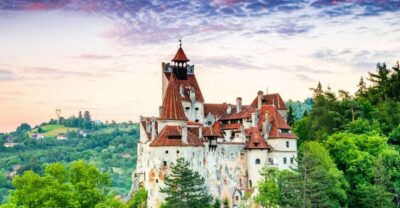
Dracula’s Castle, Peles Castle, & Brasov Old Town
Read our review →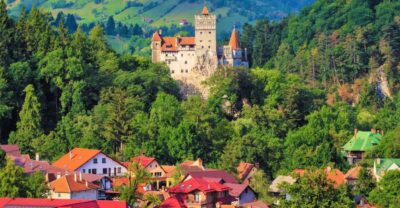
Dracula Castle, Peles Castle & Brasov Old Town
Read our review →
Dracula’s Castle, Peleș Castle & Brașov Day Trip
Read our review →
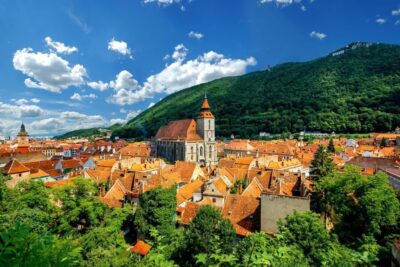
Day Trip to Dracula Castle, Peles Castle & Brașov
Read our review →
Bucharest to Dracula Castle, Peles Castle and Brasov Guided Tour
Read our review →