
Reviewed · SALT MINE TOURS
SB10 – Transylvanian Treasures:Alba Iulia,Turda, and Cluj
The most unusual stop here is Salina Turda, a salt mine where huge underground chambers hold wooden and metal structures instead of the salt statues many people expect. But Alba Iulia may surprise you more. Its broad fortress, cathedrals, and Union Hall give Romania’s modern story a clear setting.
I like the private transport, which turns a hard day of connecting three places into one tidy route. I also like having a Romanian guide such as Ilie along for the ride, especially when you want to ask constant questions about history, politics, and local life.
The trade-off is time. You get only about two hours in Alba Iulia, ninety minutes at the salt mine, and ninety minutes in Cluj-Napoca. At $159 per person, the tour offers good value for a private vehicle and guide, but site admissions, meals, and photo fees are extra.
Key points at a glance
- Alba Iulia’s star attraction is its fortified citadel, with Union Hall, Roman remains, Orthodox and Catholic cathedrals, and several museums within the historic center.
- Salina Turda is an underground engineering spectacle, with large salt chambers and a cool, therapeutic-feeling atmosphere.
- Cluj-Napoca adds a modern university-city finish, centered on St. Michael’s Church, Union Square, and the Matthias Corvinus Statue.
- The route covers about 190 kilometers by the stated schedule, including the return to Sibiu, so expect a full day in the vehicle as well as on foot.
- A private group gives you flexibility, while the fixed schedule keeps the day moving through three destinations.
- Entrance fees are not included, so budget separately for the salt mine and the named churches and sites.
One long Transylvanian day from Sibiu
This is an ambitious day trip, not a slow town-by-town tour. You leave your accommodation in Sibiu at 8:30 AM, head west toward Alba Iulia, continue to Turda, spend the afternoon in Cluj-Napoca, and return to Sibiu in the evening.
The appeal is simple: you see three very different sides of Transylvania without changing hotels or working out several bus connections. Alba Iulia brings national history and fortifications. Turda brings an extraordinary underground attraction. Cluj-Napoca brings city life, Gothic architecture, and a strong student presence.
The route also gives you a useful look at the countryside between major stops. The first drive from Sibiu to Alba Iulia covers about 80 kilometers and usually takes one and a half to two hours, depending on traffic and road conditions. You should think of the journey as part of the experience, with views toward the Carpathian Mountains and stretches of rural Romania along the way.
Because this is a private group, you are not sharing the day with a large coach party. That matters when you want to stop for a question, adjust the pace slightly, or avoid wasting time collecting people from several hotels. Still, the route has a lot packed into it, so flexibility does not mean unlimited time at each stop.
More Romanian salt mine trips:
- From Bucharest: Slănic Prahova Salt Mine Ticket and Transfer
★ 4.6 · 790 reviews - Bucharest: Salt Mine Guided Day Trip to Slănic
★ 4.6 · 559 reviews - Cluj: Turda Salt Mine, Corvin Castle, Alba Carolina Tour
★ 4.8 · 184 reviews
Alba Iulia and the citadel that shaped Romania
Alba Iulia is the emotional center of this outing. The city is closely tied to Romania’s national unification, and the Alba Iulia Fortress gives that story a strong physical setting. Its defensive walls and formal spaces make this more than a quick photo stop.
Your visit is scheduled for roughly 10:00 AM to noon. That is enough time for a guided walk through the main sights, but not enough to examine every museum at length. I would treat the citadel as the main event and regard the smaller institutions as bonuses if the schedule allows.
The Union Hall, or Sala Unirii, is central to the city’s national importance. The National Museum of Union adds context, while the Roman ruins point to an earlier layer of settlement. Together, these places show how Alba Iulia connects Roman-era remains, religious buildings, military architecture, and the making of modern Romania.
The religious buildings give the visit variety. You may see the Roman Catholic Cathedral of St. Michael, the Orthodox Cathedral of the Reunification of Romania, and the Batthyaneum Library area. The itinerary also identifies a Mitropoly entrance fee, so ask your guide exactly which admission applies on the day.
I especially like Alba Iulia for visitors who want history to feel visible rather than abstract. You can walk through a designed fortress setting, then hear how the city became linked with Romanian unity. The setting is spacious and monumental, which makes it easier to understand the scale of the place than it would be from a short museum visit alone.
The limitation is that two hours pass quickly. If you want a careful look at the National Museum, the library, the Roman ruins, and both cathedrals, you will need more time than this tour provides. For a first introduction, though, the schedule works well.
Salina Turda, Romania’s underground salt world
Turda is the day’s most unusual stop. Salina Turda is famous for its large underground chambers and salt-mining setting, with a cool environment that is often described as therapeutic. It is not simply a cave walk or a collection of salt sculptures.
The planned visit runs from about 12:30 PM to 2:00 PM. That gives you a concentrated look at the mine, but you should not expect to explore every part at leisure. Admission is not included, and the entrance fee should be added to your budget before booking.
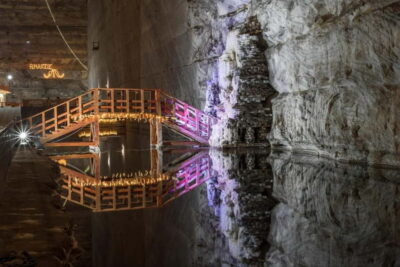
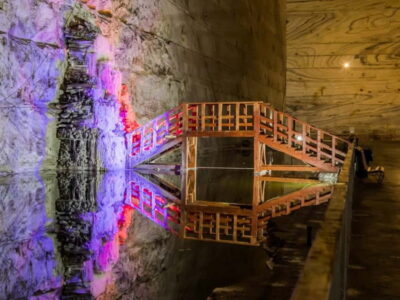
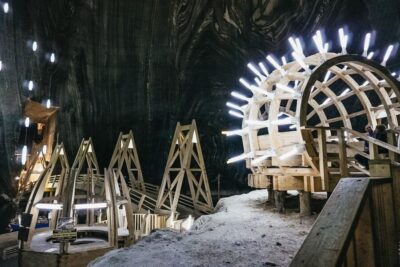
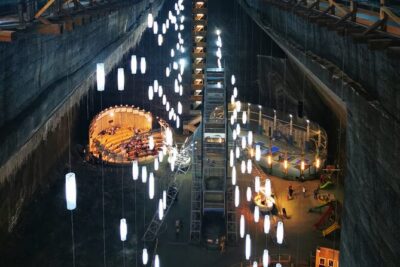
The mine’s appeal comes from its scale and human-made structures. Inside, you can expect striking chambers shaped by salt extraction, along with wood and metal elements connected to the mine’s use as a visitor attraction. If your mental picture is a gallery filled with carved salt figures, adjust it. The architecture of the chambers is the main spectacle.
The stop follows Alba Iulia, so the contrast is sharp. You move from open fortress grounds and church towers into a cool underground space. That change keeps the day from becoming a string of similar historic walks.
I recommend bringing an extra layer even if the weather in Sibiu is warm. The supplied information confirms the mine’s underground, therapeutic environment, though it does not provide a precise temperature. Comfortable shoes also make sense because the day includes walking at every major stop.
The short time here is the main concern. If Salina Turda is your top reason for booking, you may wish you had longer to study the chambers and get fully oriented. The private format helps with transport, but it cannot erase the distance between three destinations.
Cluj-Napoca in a quick afternoon
Cluj-Napoca is the final sightseeing stop, scheduled for about 2:30 PM to 4:00 PM. This is a compact city tour rather than a full exploration of Romania’s second-largest city, so use the time for the central sights.
St. Michael’s Church is the principal landmark. It is a major Gothic church and one of the largest in Transylvania. The church gives the tour a strong architectural focus after the fortress at Alba Iulia and the industrial scale of Turda.
From there, you can walk toward the street identified in the tour information as Mirror Street, or Strada Lumină. Its pedestrian setting and attractive buildings make it a good place for photographs and a short pause. Union Square and the Matthias Corvinus Statue may also fit if time allows.
Cluj-Napoca has a different mood from Alba Iulia. It is a university and economic center, with a younger, more contemporary feel layered over its older buildings. I like ending here because it shows that Transylvania is not only castles, churches, and rural roads. It is also a working city with a strong academic and cultural identity.
Ninety minutes is enough for a guided orientation. It is not enough for a relaxed café stop, a museum, and a detailed church visit all at once. Decide before arrival whether your priority is architecture, photographs, or a quick sense of the city center.
St. Michael’s Church has an entrance fee listed among the costs not included in the tour. Photo fees may also apply at some sites, so carry a little extra money beyond the $159 tour price.
More Transylvania day trips:
- SB01 – City Tour Sibiu: Exploring the Heart of Transylvania
★ 4.8 · 99 reviews - Private tour Transylvania: UNESCO Gems and Legend of Dracula
★ 4.9 · 13 reviews - From Bucharest: Unravel Medieval Transylvania in 3-Day Tour
★ 4.4 · 3 reviews - Transylvania and Dracula Castle Full Day Tour from Bucharest
★ 4.5 · 1,589 reviews
The drive back to Sibiu
After Cluj-Napoca, the route returns to Sibiu. The stated distance is about 170 kilometers from Cluj-Napoca to Sibiu, while the full route is described as roughly 190 kilometers with around three and a half hours of travel time overall.
Road conditions and traffic can affect the timing. This is important because the day already begins early and includes several walking stops. You should book this outing when you are comfortable with a full day on the road, not when you want a gentle afternoon after lunch.
The drive does have practical value. Instead of arranging separate transport from Sibiu to Alba Iulia, then finding a connection to Turda, then reaching Cluj-Napoca and returning, you have one driver handling the route. Parking and road taxes are included, which removes some minor costs and planning work.
Transport is provided in a modern air-conditioned car or van. The exact vehicle depends on the group, but the private format means you are not locked into a large public tour coach.
What the $159 price really covers
At $159 per person, the main value lies in the private door-to-door structure. You receive transport from Sibiu and back, an English-speaking or German-speaking guide and driver, parking taxes, road taxes, and a map of Romania.
That price makes more sense if you are traveling with another person or a small private group and want to cover all three places in one day. It is also useful if you prefer explanations from a local guide instead of navigating the route alone.
The price does not include entrance tickets to the Mitropoly in Alba Iulia, Salina Turda, or St. Michael’s Church in Cluj-Napoca. Meals, drinks, souvenirs, personal costs, and photo fees are also separate. Since the schedule moves through lunch hours, plan for your own meal arrangements and do not assume food is built into the day.
I would compare the cost with the time and effort required to arrange this route independently. A bus or several separate transfers might look cheaper at first, but they can leave you with less control and more waiting. The private tour charges for convenience, a dedicated guide, and a direct return to Sibiu.
It is not the best value for someone who wants to spend half a day in one city. It is a strong option for someone who wants a broad Transylvanian sampler and accepts that each stop will be brief.
Guide support and the private format
The guide is more than a person who points out buildings. On a route involving Romanian unity, Catholic and Orthodox landmarks, Roman remains, salt mining, and modern Cluj, the explanations help connect otherwise separate sights.
Ilie is the named guide associated with this experience. He speaks English and German, and the private setting gives you room to ask questions during the drives as well as at the stops. That is a real advantage if you like to keep asking why a place matters rather than simply collecting photographs.
The private group format also makes the outing feel more personal. You are not waiting for a large group to regroup after every stop. On the other hand, the experience still follows a demanding timetable, so you should not expect a fully custom route unless the guide confirms changes in advance.
Smoking is not allowed in the vehicle, and alcohol and drugs are prohibited. Bring a passport or ID card, as requested in the practical information.
The tour is not suitable for wheelchair users, and it is not recommended for people over 95. The supplied information does not give detailed accessibility notes for the fortress, mine, or churches, so anyone with mobility concerns should ask for more specifics before paying.
Who should book this day trip?
I would choose this tour if you are based in Sibiu and want to see major Transylvanian sights without renting a car. It suits first-time visitors who prefer a guide and want a broad overview before deciding where to return for a longer stay.
It is particularly good for people interested in history and architecture. Alba Iulia has the strongest historical impact, while Cluj-Napoca gives you a taste of urban Transylvania. Salina Turda is the surprise stop for anyone who likes unusual industrial or underground sites.
The tour is also a good match for curious people who ask many questions. A private guide such as Ilie can respond to your interests in a way a fixed group commentary often cannot.
I would hesitate if you dislike long drives, need generous meal breaks, or want to explore museums in depth. You should also think twice if the salt mine is your only goal, since the route gives it about ninety minutes and includes two other destinations.
Should you book SB10?
Book it if your priority is range: one fortress city, one remarkable salt mine, and one major Transylvanian city in a single day. The private car, guide, parking, and direct return to Sibiu make the $159 price reasonable for a packed route, especially when shared by a small group.
Do not book it expecting a slow, detailed visit to every landmark. The smartest approach is to make Alba Iulia your main historical focus, enjoy Salina Turda for its underground scale, and use Cluj-Napoca as a brisk introduction to a city you may want to revisit.
If you value personal guidance and want to avoid building a complicated transport plan, this is one of the more efficient ways to connect these three places from Sibiu. Just budget for admissions and meals, wear comfortable shoes, and accept that a full Transylvanian day comes with plenty of time on the road.
FAQ
Where does the tour start and finish?
The tour starts with pickup at your accommodation in Sibiu and returns to Sibiu after the visits to Alba Iulia, Turda, and Cluj-Napoca.
How long is the tour?
It is a one-day tour. Pickup is scheduled for 8:30 AM, with the return drive following the Cluj-Napoca visit.
Which places does the tour visit?
The route includes Alba Iulia, Salina Turda in Turda, and Cluj-Napoca before returning to Sibiu.
Is the tour private?
Yes. The experience is offered for a private group.
Which languages are available?
The live guide is available in English and German.
Is Salina Turda included?
The visit to Salina Turda is included in the route, but the entrance fee is not included in the tour price.
Are meals included?
No. Meals, drinks, and other personal costs are not included.
What should I bring?
Bring a passport or ID card. Comfortable clothing and shoes are sensible for the walking portions, though the only stated required document is identification.
Can I cancel the tour?
You can cancel up to 24 hours in advance for a full refund. The tour also offers a reserve-now-and-pay-later option.
Just added around Sibiu
- Private Transfagarasan&Balea Lake★ 5.0 · 3 reviews
- From Bucharest: Unravel Medieval Transylvania in 3-Day Tour★ 4.4 · 3 reviews
- From Sibiu: day trip to Dacian Fortress, Hunyadi Castle and Alba Iulia Citadel★ 5.0 · 3 reviews
- SB05 – Carpathian Heights: Hiking to Bâlea Cascada & Lake★ 5.0 · 4 reviews
- Private Walking Tour of Alba Iulia Citadel with Wine Tasting★ 5.0 · 4 reviews
- Explore the Beauty of Sibiu with Full-Suspension E-Bikes!★ 5.0 · 5 reviews
- Transfagarasan, Vidraru and Poenari Fortress Tour from Sibiu★ 4.5 · 5 reviews
- Tour of Sibiu – Church in Cristian – Village of Sibiel★ 5.0 · 7 reviews
Salt Mine Tours, compared.
Turda Salt Mine, Corvin Castle, Alba Carolina Tour
Read our review →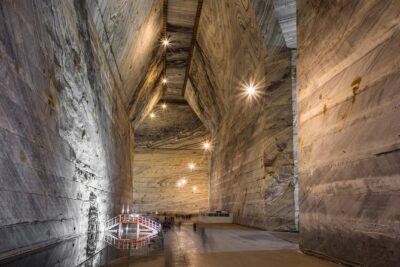
Turda Salt Mine, Gorge, and Remetea Full-Day Trip
Read our review →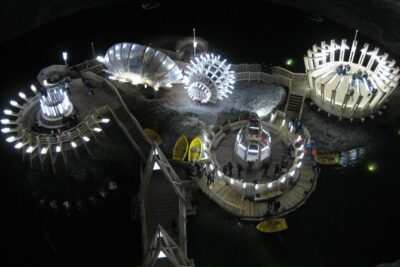
Turda Salt Mine, Corvin Castle and Alba Fortress from Cluj
Read our review →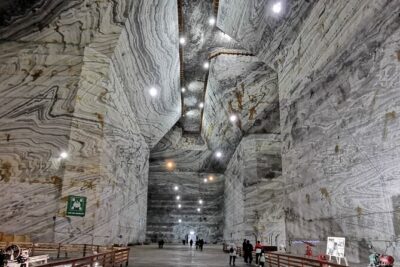
Private Tour to Salt Mine, Lunch at Winery and Dracula Grave
Read our review →Browse the lists this tour appears in