
Reviewed · BUCHAREST TOURS
7 days Private Romania Grand Tour from Bucharest
Romania’s appeal becomes clear when you leave Bucharest behind. This private seven-day circuit moves from Saxon towns and Wallachian monasteries to Maramures villages, painted Moldavian churches, mountain gorges, and Dracula country. You cover a remarkable amount of ground without having to manage trains, buses, or rural driving yourself.
I like the personal format, especially because a guide such as George or Liviu can explain the country’s Romanian, Saxon, Hungarian, Orthodox, Catholic, and Protestant threads as you go. I also like the unusual stops: the Merry Cemetery, the old wooden churches, the Marginea pottery workshop, and the underground attractions at Turda salt mine.
The main thing to consider is the pace. Several days involve many hours on the road, and the published details are not fully consistent about length and entrance fees. The itinerary lists seven days and six hotel nights, while the overview refers to eight days and seven nights, so confirm the exact schedule and what is included before paying.
Key points to know before booking
- The route covers four distinct regions: Transylvania, Maramures, Bucovina, and Moldavia, rather than focusing only on Dracula sights.
- George and Liviu are named local guides: Previous bookings specifically praise their help, care, and ability to manage the route.
- The longest days connect the best scenery: Bicaz Gorges, Red Lake, Sighisoara, Bran Castle, and Brasov come with substantial driving time.
- Six nights and six breakfasts are included: A single-room supplement of 150 euros is paid locally.
- Entrance-fee information needs checking: Several major stops list admission as extra, despite the general description suggesting fees are included.
- The tour is private: Only your own party joins, and transport is by private vehicle with hotel pickup and drop-off.
Why this private Romania route works
This is not a quick Bucharest and Bran Castle outing. It is a broad sweep through central and northern Romania, designed for someone who wants the country’s famous sights but also wants places that rarely fit into a short first visit.
The route makes good use of a private minivan. Rural Romania is spread out, and several attractions are far from major rail routes. With a driver-guide, you can connect Cozia, Sibiu, Turda, Maramures, Bucovina, the Bicaz Gorges, and southern Transylvania without arranging a new transfer every day.
The private setup also matters for comfort. Your group can ask questions, adjust the amount of time spent at a stop, and avoid the rigid feel of a large coach. That said, flexibility does not remove the distance. This is an ambitious circuit, and the value comes from seeing a lot of Romania in one booking rather than taking a leisurely stay in one town.
The experience begins with pickup from Bucharest at 9:00 am. Hotel pickup and drop-off, private transport, a driver-guide, six nights of accommodation, and six breakfasts are included. Most people can take part, and confirmation is provided at booking.
A few more Bucharest day trips to weigh up
- 4×4 Driving Experience at Flying Altitudes – 7 Days
★ 5.0 · 13 reviews - 7-Day Private Tour of Transylvania from Bucharest
★ 5.0 · 13 reviews - 7-Day Romania Tour -Transylvania and Painted Churches
★ 5.0 · 7 reviews
Day 1: Cozia Monastery and medieval Sibiu
The opening drive follows the Olt Valley to Cozia Monastery, a fourteenth-century Wallachian monument founded by Prince Mircea the Old. The monastery was restored in the seventeenth century under the Cantacuzino family, and its facade has distinctive Armenian decoration.
You have about 30 minutes here. That is enough for a short look at the exterior and richly painted interior, but not enough for a slow, detailed visit. Admission is listed as free, which helps keep this first stop simple.
Sibiu receives the larger share of the day, with about three hours. This is one of the tour’s strongest city visits. Its Big Square, Small Square, and Huet Square form a compact medieval center filled with towers, bastions, museums, and the famous houses with roof windows that look like eyes.
I especially like Sibiu because the city gives you a clear sense of Transylvania’s mixed past. Romanian Orthodox, Catholic, and Protestant buildings sit within the same historic center, reflecting the long relationship between Romanian and Saxon communities. The large Gothic Evangelical Church is another major highlight.
Sibiu was European Capital of Culture in 2007 and remains known for its annual theater festival. You will not see every museum in three hours, but the time works well for walking, taking in the squares, and getting a first taste of the region.
Day 2: Alba Iulia, Turda salt mine, and Cluj-Napoca
Alba Iulia is a short but meaningful stop. The city is associated with December 1, 1918, when the union that created Greater Romania was declared. You have about one hour, so this is more of a historical introduction than a full city visit.
The day’s unusual centerpiece is Salina Turda. You go roughly 400 feet underground into a former salt mine, where the huge chambers contain an amphitheater, bowling alley, underground lake, paddle boats, row boats, and a Ferris wheel.
This is not simply a museum about mining. The scale and odd mix of old industrial space with recreational attractions make it one of the tour’s most memorable stops. Allow three hours, as the mine deserves more than a hurried look.
Admission to Turda is listed as not included. This is one reason I would ask for a current fee schedule before departure. The overall price is $1,719.59 per person, but additional admissions can affect the final cost.
Cluj-Napoca follows with about an hour. The city is a major university center and an important meeting point for Romanian and Hungarian culture. St. Michael’s Church and the statue of King Matthias Corvinus provide the main historic focus.
One hour gives you a useful orientation, but little time for museums or extended wandering. Think of Cluj as a concise city introduction placed between two longer visits, not as a full exploration.
Day 3: Wooden churches and village life in Maramures
Day three shifts away from large cities and toward Maramures, a northern region known for wooden religious buildings and village customs.
At Surdesti, you see a UNESCO-listed wooden church built in 1721 from oak logs by a carpenter named Toma Macarie. Its tower once made it the tallest wooden church in Europe, and its double-eaved roof is unusual in the Land of Chioar. The two rows of arches above the porch add another distinctive detail.
You have about an hour here. Admission is listed as extra, so keep some cash or another accepted payment method available.
Barsana Monastery offers a different look at local religious architecture. The complex is a convent with sixteen nuns and uses the tall, pointed wooden forms associated with Maramures. The setting and stylized construction are likely to appeal to you if you enjoy architecture more than formal sightseeing checklists.
The final stop, Vadu Izei, is especially practical and memorable. You see a traditional valtoare, a wooden whirlpool mechanism powered by a fast mountain stream. Water is guided through a wooden channel into a wooden bowl, creating a natural washing system used for laundry and wool.
The visit helps connect the grand churches with everyday rural technology. Admission is free, and the stop lasts about an hour. It is the sort of small-scale encounter that gives this route more character than a castle-only tour.
Same corner of the country, a completely different day out:
- Bucharest: Dracula’s Castle, Peles Castle, & Brasov Old Town
★ 4.5 · 17,858 reviews - Bucharest: Dracula Castle, Peles Castle & Brasov Old Town
★ 4.6 · 10,891 reviews - Bucharest: Dracula’s Castle, Peleș Castle & Brașov Day Trip
★ 4.5 · 5,919 reviews - Bucharest: Palace of Parliament Tickets and Guide
★ 4.3 · 3,182 reviews
Day 4: The Merry Cemetery and Bucovina’s painted monasteries
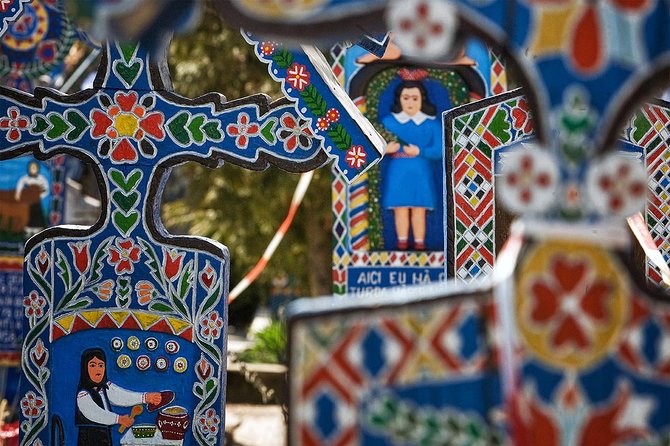
At Sapanta, the Merry Cemetery presents death in bright colors and plain language. More than 800 carved wooden crosses describe the lives and final moments of people buried there, often with cheerful images and rhyming verses.
You have about an hour. The name can make the place sound like a novelty, but the attraction works because it treats ordinary lives with directness and humor. Admission is listed as extra.
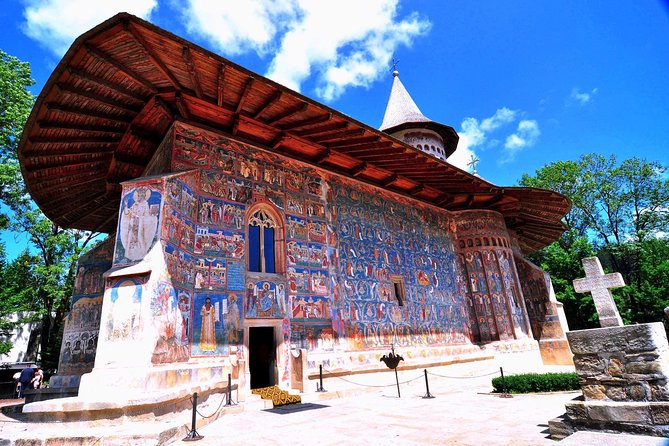
The route then moves toward Bucovina and the Moldovita Monastery. Founded by Prince Petru Rares in the sixteenth century, Moldovita is known for frescoes on both the exterior and interior. The paintings are not a small decorative detail. They are the reason to pause and look closely at the walls.
Sucevita Monastery continues the sequence. Founded by the Movila brothers in the seventeenth century, it combines Gothic and Byzantine features. Its northern frescoes remain visible in part because the protective walls around the monastery were never removed.
You get about an hour at each monastery, which is enough to appreciate the main buildings but may feel short if religious art is your main interest. Both admissions are listed as extra.
At Marginea, you visit local makers of black ceramic. The stop lasts only 20 minutes, but you can see the work being made and buy pottery, painted eggs, and other Bucovina crafts. This is a useful place to purchase something tied to the region rather than a generic souvenir.
The itinerary also includes Manastirea Voronet for about an hour. The supplied details repeat the description of the Vadu Izei whirlpool rather than explaining Voronet, but the stop is clearly intended to add another Bucovina monastery to the day. Confirm the exact visit and admission arrangements with the operator, since the famous monastery is normally treated as a major point on this route.
Day 5: Piatra Neamt, Bicaz Gorges, and Red Lake
Day five is a scenic road day. Piatra Neamt receives only 30 minutes, enough for a brief look at this mountain city, its fifteenth-century citadel associated with Stephen the Great, and its eighteenth-century synagogue.
The more dramatic stop is Bicaz Gorges. A road runs through steep cliffs beside a stream, creating one of the trip’s most striking mountain passages. You have about 30 minutes, so the visit is mainly for views, photographs, and a quick look at the roadside stalls selling local crafts and souvenirs.
Red Lake follows for about an hour. It formed after a landslide blocked a valley, and tree trunks still rise from the water. Local legends explain the lake’s name and add a layer of folklore to the natural setting.
The day ends with a late arrival in Sighisoara, described as the birthplace of Vlad Dracula. The 30-minute evening stop is only an introduction. The proper historic-center visit comes the following day.
This is the point in the trip when the private vehicle is most useful. Public transport would make these connections difficult, but the same convenience comes with long stretches in the minivan. If you dislike extended road travel, this itinerary may feel demanding.
Day 6: Sighisoara, Bran Castle, and Brasov
Sighisoara deserves its two-hour visit. The UNESCO-listed historic center is a fortified medieval town with colorful houses, churches tied to different faiths, and the Clock Tower, its most recognizable landmark.
The town is also linked to Vlad Dracula, who was born here in 1431. The Dracula connection is part of the appeal, but Sighisoara is more than a vampire-themed stop. Its streets and defensive features give you a strong picture of a medieval Transylvanian town.
Historic-center admission is listed as extra. Two hours should let you walk the main streets and see the Clock Tower area, though you may need to choose between climbing towers, entering museums, and simply enjoying the town.
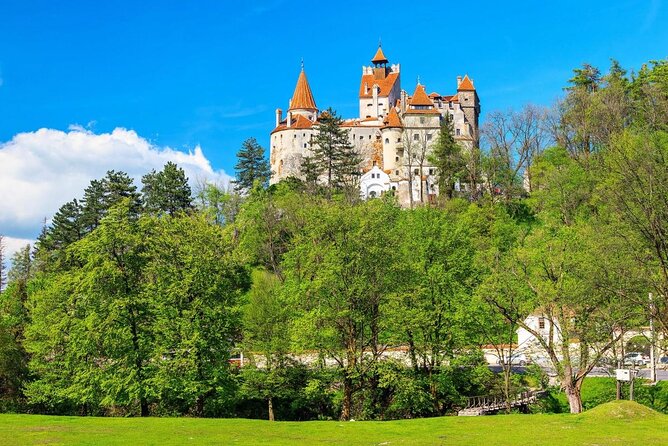
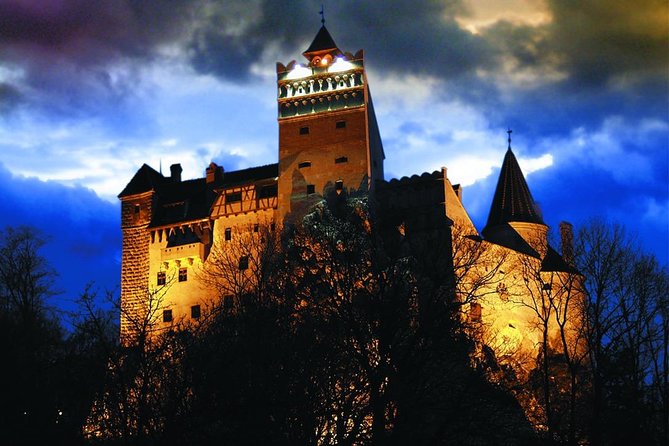
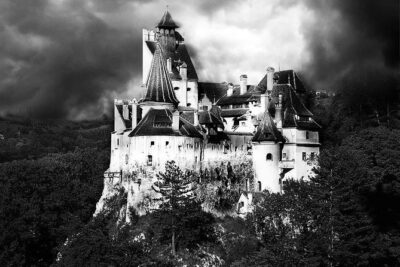
Bran Castle gets about two hours. Its location near the old border between Wallachia and Transylvania explains its defensive purpose. The Dracula label brings many people here, but the castle also tells a story about trade routes, border control, and royal associations.
Bran is one of the tour’s most recognizable stops, and the castle can feel theatrical, especially in the darker season. Go for the setting and the legend, but keep your expectations grounded: the connection to the fictional Dracula story is stronger than any direct link to the character as popularly imagined.
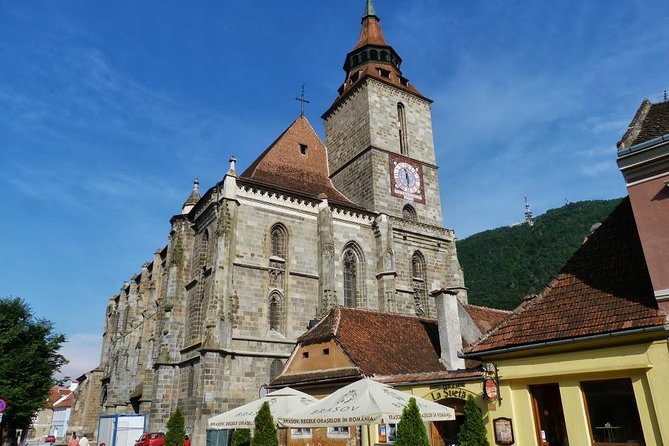
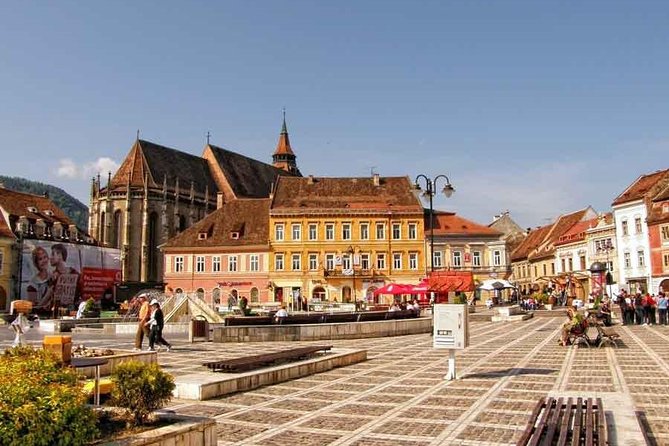
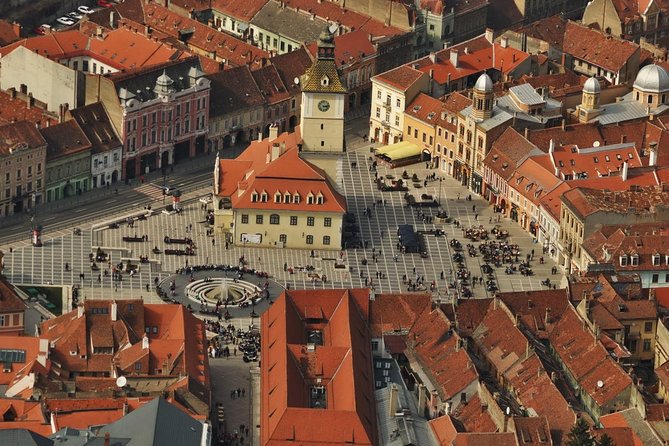
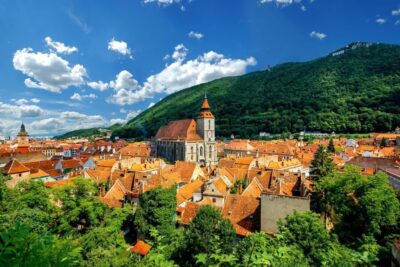
Brasov receives about three hours. This is another major highlight, with German-influenced architecture and a historic center shaped by Gothic, Baroque, and Renaissance styles. The Black Church is the key landmark, while the First Romanian School in the Schei district adds a specifically Romanian perspective.
The old Catherine’s Gate and Schei Gate help explain how people once entered the fortified city. Several Brasov admissions are listed as extra, so verify which sites your guide plans to enter and which you will view from outside.
Day 7: Peles Castle and a Bucharest finale
Peles Castle is a fitting final major stop. Built between the nineteenth and twentieth centuries as the summer residence of King Carol I, it was designed by a Czech architect and was considered highly modern for its period.
The interior is known for rooms in different styles, including a Florentine room with Renaissance influences. Two hours gives you time to see the main rooms and grounds at a reasonable pace.
Admission is not included according to the detailed schedule. Castle entry can also involve different ticket categories, so ask your guide what is planned.
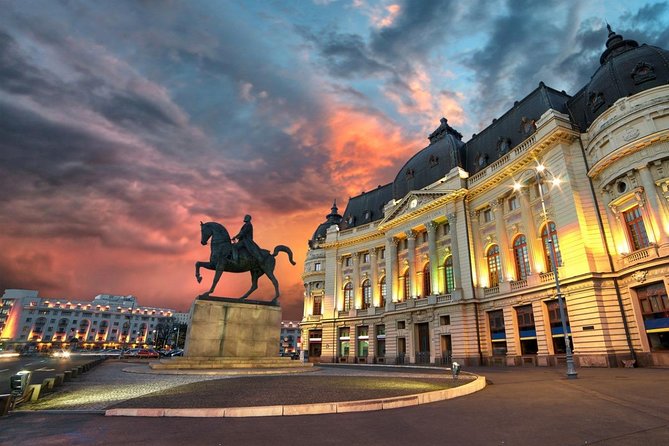
The return to Bucharest includes a 30-minute panoramic tour. You see the Triumph Arch, Romanian Athenaeum, Revolution Square, and Parliament Palace. This is a useful closing overview, but it is not a full Bucharest city tour. If you want museums or an evening walk in the capital, plan extra time before or after the circuit.
Price, inclusions, and the real value
At $1,719.59 per person, this is not a budget road trip. It becomes easier to justify when you consider that private transport, a driver-guide, hotel pickup and drop-off, six hotel nights, and six breakfasts are included.
The strongest value is convenience. You are paying to connect remote sights across a large part of Romania without arranging transfers, hiring cars, or navigating mountain roads. For a small private group, the cost can also compare favorably with several separate day trips and hotel changes.
The weaknesses are the extra costs and the wording around the package. The detailed information says entrance fees are not included, while the general description says they are included. Several individual stops, including Turda, Surdesti, Barsana, the Merry Cemetery, the Moldavian monasteries, Sighisoara, Bran Castle, Brasov, and Peles Castle, are marked as requiring payment.
The single-room supplement is 150 euros, paid locally by cash or card. Tips for the driver-guide are also not included. Ask for a written breakdown of entrance fees, the number of hotel nights, and the exact departure and return dates.
Who should book this tour?
I would choose this trip if you want a broad first look at Romania and prefer a guide-led route. It suits couples, families, friends, and older visitors who value door-to-door transport and a private pace. The supplied experiences also show that senior travelers can manage the trip, provided they are comfortable with long drives and frequent stops.
The route is especially good for people interested in medieval towns, religious art, local crafts, castles, folklore, and changing scenery. You see much more than the usual Bucharest, Bran, and Brasov triangle.
I would hesitate if you want slow mornings, long museum visits, or several nights in one place. The schedule is full, some stops last only 30 minutes, and the northern section requires serious road time.
The tour cannot be changed or refunded after booking under the stated policy. Poor weather or failure to reach the minimum number of participants can lead to a new date or a full refund. Since this is a private activity, only your group participates, but confirm the minimum requirement and exact operating details before committing.
Should you book the Romania Grand Tour?
Book it if your priority is coverage. In seven listed days, you reach Sibiu, Cluj-Napoca, Turda, Maramures, Bucovina, the Bicaz Gorges, Sighisoara, Bran, Brasov, Peles, and Bucharest. That is a serious amount of Romania, and the private minivan makes the route practical.
I would book only after clarifying the seven-day versus eight-day wording and the entrance-fee contradiction. Once those points are settled, the trip offers a strong introduction to Romania, with the best moments found not only at Dracula’s castle but also in the painted monasteries, wooden churches, village machinery, and mountain roads.
FAQ
How long is the Romania Grand Tour?
The itinerary is organized over seven days, beginning and ending in Bucharest. The general description also refers to an eight-day tour and seven nights, while the inclusions specify six nights, so confirm the exact duration before booking.
What time does the tour start?
The stated start time is 9:00 am.
Is hotel pickup and drop-off included?
Yes. Hotel pickup and drop-off in Bucharest are included.
Is this a private tour?
Yes. Only your group participates, and transport is provided in a private vehicle.
What type of transport is used?
The tour uses a private, air-conditioned minivan or another private vehicle.
Are accommodation and breakfast included?
Six nights of accommodation and six breakfasts are listed as included. A single-room supplement of 150 euros is paid locally.
Are entrance fees included?
The details conflict. The general description says entrance fees are included, but the inclusion list says they are not, and many stops are marked as requiring separate admission. Confirm this point with Trip2Ro before booking.
Who are the named guides?
George and Liviu are named as driver-guides associated with the experience. The exact guide for your departure should be confirmed at booking.
What happens if the tour is canceled because of bad weather?
If poor weather causes the operator to cancel, you are offered a different date or a full refund. A full refund or alternative experience is also offered if the minimum number of participants is not reached.
Just added around Bucharest
- Bucharest Rooftop Tour★ 5.0 · 6 reviews
- 2 days Transylvania Tour with Brasov, Sibiu and Sighisoara★ 5.0 · 6 reviews
- Bucharest City Tour 2 hours – by Car with a Private Guide★ 5.0 · 6 reviews
- Day Trip to Transfagarasan★ 4.6 · 6 reviews
- Explore Transylvania Tour 4 days★ 5.0 · 7 reviews
- Bucharest Discovery morning tour★ 5.0 · 7 reviews
- Day Trip to Bulgaria and Veliko Tarnovo from Bucharest★ 5.0 · 7 reviews
- Private Day-Trip to Medieval Bulgaria from Bucharest★ 4.5 · 7 reviews
Bucharest Tours, compared.
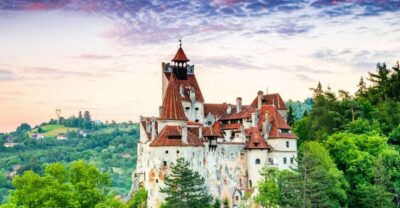
Dracula’s Castle, Peles Castle, & Brasov Old Town
Read our review →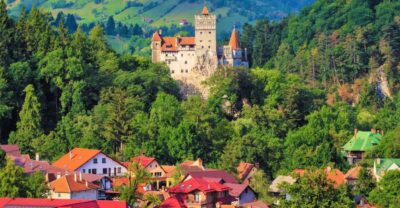
Dracula Castle, Peles Castle & Brasov Old Town
Read our review →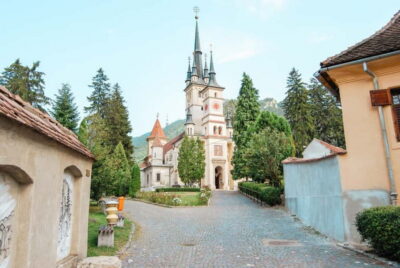
Dracula’s Castle, Peleș Castle & Brașov Day Trip
Read our review →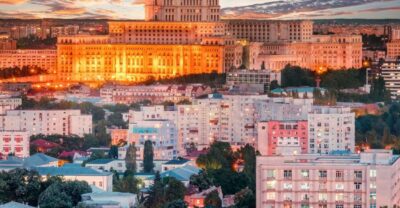
Day Trip to Dracula Castle, Peles Castle & Brașov
Read our review →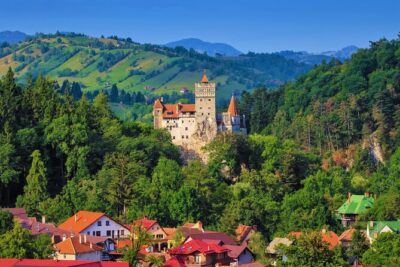
Bucharest to Dracula Castle, Peles Castle and Brasov Guided Tour
Read our review →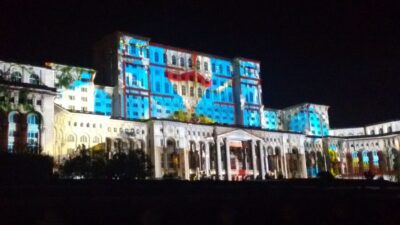
Dracula’s Castle, Peles Castle and Brasov Day Trip from Bucharest
Read our review →Browse the lists this tour appears in