Reviewed · BUCHAREST TOURS
10-Day Private Tour of Romania with Pick Up
Romania reveals itself in big, surprising pieces on this 10-day private journey: a vast communist-era palace in Bucharest, a cliff-top fortress linked to Vlad the Impaler, painted monasteries, wooden churches, medieval towns, and mountain roads that climb above the clouds. You move through several regions, so the trip feels like a country-wide survey rather than a single-city holiday.
I like the private format, since your guide can adjust the daily plan after the tour begins. I also like the range of sights, from the humorous Merry Cemetery to the solemn memorial at Sighet and the blue frescoes of Voroneț. The main drawback is the pace. Several days cover long distances with multiple stops, and admission fees, hotels, meals, and drinks are not included in the $3,918.13 per-person price.
Key points before you book
- Bucharest to Bukovina: The route covers the capital, Transylvania, Maramureș, Moldavia, and the Carpathians rather than staying in one region.
- Private guide and vehicle: Your group travels alone with a licensed English-speaking guide and driver, identified in the provided material as Nicolas.
- Flexible planning: The operator allows changes to the daily schedule even after the tour has started.
- Major cultural sights: Expect UNESCO-listed churches, royal castles, Dacian ruins, communist-era memorials, and traditional villages.
- Road-trip character: The Transfăgărășan Highway, Tihuța Pass, and Bicaz Gorges are as important as the museums and monuments.
- Budget carefully: Hotels, food, drinks, and most entrance tickets come separately, so the final cost will be higher than the headline tour price.
Why this Romanian route works
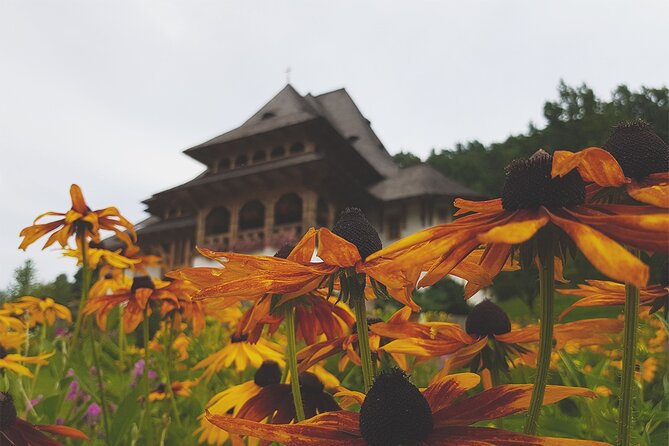
This is not a light Bucharest excursion with a quick castle stop. It is a full circuit through Romania’s cultural regions, and that gives you a useful sense of how different the country can feel from one area to the next.
Bucharest brings grand government buildings and the memory of the 1989 Revolution. Transylvania adds Saxon towns, castles, salt mines, and mountain roads. Maramureș focuses on wooden architecture and folk traditions. Bukovina is known for its painted monasteries, while the return through Sighișoara and Brașov brings you back to the medieval and royal side of Romania.
The private car matters here. Public transport would make this route difficult to follow in 10 days, especially with stops at Densuș, Sarmizegetusa Regia, Ciocănești, and the smaller museums. You receive pickup at an address and time you provide, and the vehicle includes wireless internet. Gasoline, parking, and road tolls are covered.
The tradeoff is that this is a road tour, not a slow village stay. You will often see a place, walk around for an hour or two, then return to the car. If you like variety and want to cover ground, that is a strength. If you prefer lingering over coffee, taking long walks, or spending several nights in one town, the schedule may feel tight.
A few more Bucharest day trips to weigh up
- Bucharest: Dracula’s Castle, Peles Castle, & Brasov Old Town
★ 4.5 · 17,858 reviews - Bucharest: Dracula Castle, Peles Castle & Brasov Old Town
★ 4.6 · 10,891 reviews - Bucharest: Dracula’s Castle, Peleș Castle & Brașov Day Trip
★ 4.5 · 5,919 reviews
Bucharest: communist power, village life, and Revolution Square
The first day gives you three very different views of the capital.
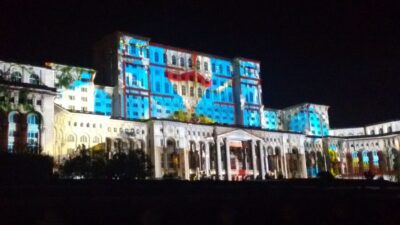
At the Palace of Parliament, the scale is the point. Built during Nicolae Ceaușescu’s communist rule, the building is one of the largest administrative structures in the world and is commonly described as second only to the Pentagon in size. Your guide frames it as an example of how totalitarian power can turn public money and labor into a monument to one leader’s ego.
Allow about two hours here. The admission ticket is not included, and access inside depends on the visit arrangements, so confirm the details when booking. The exterior alone is difficult to capture in one photograph. It is an imposing start, but the visit is most useful when you pay attention to the political story, not just the marble and monumental scale.
The National Village Museum, officially Muzeul Național al Satului Dimitrie Gusti, offers a sharp change of mood. Traditional houses, churches, and farm buildings from across Romania are gathered in an outdoor setting beside Herăstrău Park. The one-hour stop helps explain how rural families built homes and communities around local materials, work, faith, and the seasons.
The Romanian Athenaeum gives you another side of Bucharest. This ornate concert hall on Calea Victoriei is treated as a national symbol of culture and appears on the European Heritage list. You have about 45 minutes, and the admission fee is separate. Check whether your visit includes the interior, since the appeal is not only the grand facade.
Revolution Square adds the hardest political context. This is where the December 1989 uprising reached a turning point, and the former Central Committee building is tied directly to Ceaușescu’s fall. A 45-minute visit is enough to connect the buildings, the public square, and the story of the regime’s collapse, but you will want your guide to explain the sequence clearly.
The day ends in Bucharest’s Old Town, with two hours around the historic center and Hanul lui Manuc, a large inn built around 1806 by Manuc Bei. The area now mixes old churches and historic buildings with restaurants, museums, shops, books, music, and souvenirs. It is a good place to finish the capital portion, though its dining and nightlife focus can feel less traditional than the village museum or smaller towns later in the trip.
Curtea de Argeș, Poienari, and Romania’s best mountain road
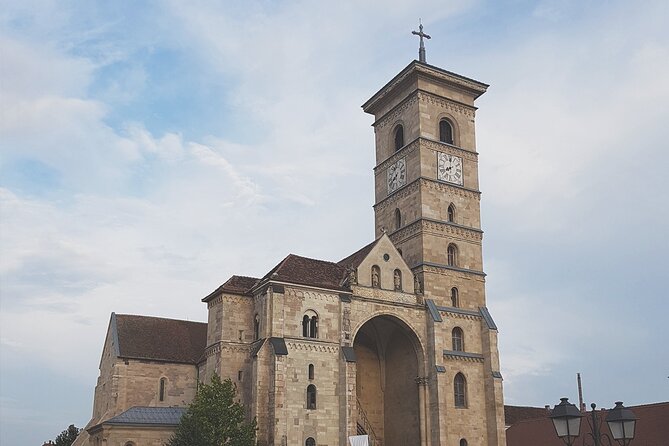
Day two begins with royal and religious history at Curtea de Argeș Monastery. The stop is only about 30 minutes, so expect a quick look rather than a long visit. The nearby old town includes the ruins of the Wallachian princely court and the 13th-century Royal Church, while the monastery is known for important royal tombs and a dramatic foundation story built around sacrifice.
Poienari Fortress is a more physical stop. The ruins sit high above the Argeș River on a Carpathian cliff and are linked with Vlad the Impaler, the historical figure behind much of the Dracula legend. The fortress was repaired under Vlad’s rule and later captured by the Turks in 1462. A two-hour allocation suggests time for the climb and the ruins, but admission is not included. Ask about current access and conditions before setting out.
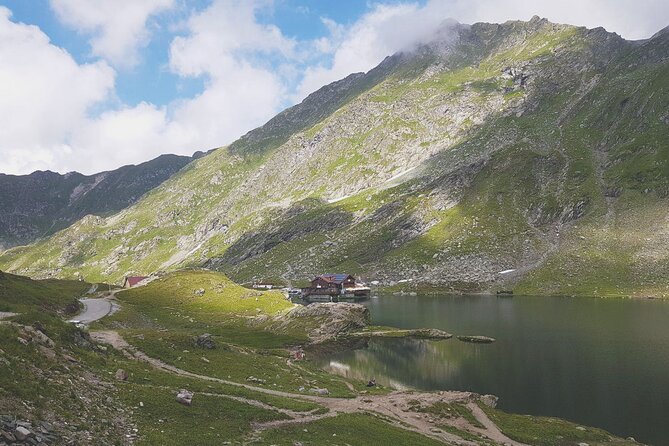
The Transfăgărășan Highway is the road highlight. It runs for more than 150 kilometers and reaches 2,042 meters at the tunnel near Lake Bâlea. The road is generally fully open only from June through October, so the season matters greatly. Even with a private driver, mountain weather and road access can affect the day.
Sibiu’s Big Square, or Piața Mare, brings you into a former Transylvanian Saxon center with roughly 900 years of history. The stop includes the old center and a view toward the Evangelical Cathedral. Sibiu’s architecture, street plan, cultural life, and mountain setting make it one of the better places on the route for a relaxed walk, although one hour gives you only a taste.
Corvin Castle and the old Dacian world
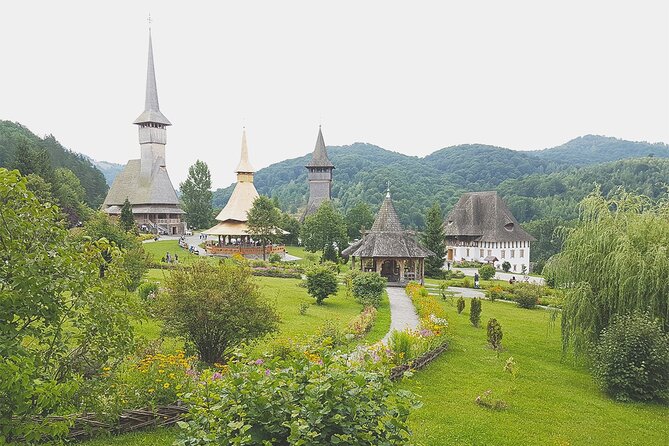
Corvin Castle in Hunedoara is one of Romania’s most dramatic buildings. Its Gothic and Renaissance design, towers, courtyards, and stonework make the two-hour visit feel like a traditional castle experience, but its importance is more than appearance. It is also known as Hunyadi Castle and is counted among Romania’s Seven Wonders.
Densuș Church is smaller and stranger. The stone church took its present form in the 13th century on the site of a Roman temple, with building materials linked to the Dacian fortress at Sarmizegetusa. Inside are 15th-century murals, including an unusual image of Jesus in Romanian clothing. The one-hour stop rewards close attention to construction details and painted walls.
Sarmizegetusa Regia requires more time and more patience. This was the Dacian capital and a major military, religious, and political center before the wars with Rome. It sits in the Orăștie Mountains at about 1,200 meters and includes a defensive system of six citadels. The three-hour visit is valuable for anyone interested in pre-Roman Romania, but it also adds to the physical and driving demands of the day. Wear practical shoes and expect the setting to matter as much as the surviving stones.
Same corner of the country, a completely different day out:
- Bucharest: Palace of Parliament Tickets and Guide
★ 4.3 · 3,182 reviews - Bucharest: Day Trip to Dracula Castle, Peles Castle & Brașov
★ 4.4 · 3,049 reviews - Bucharest to Dracula Castle, Peles Castle and Brasov Guided Tour
★ 4.5 · 2,933 reviews - Bucharest: Palace of Parliament Tickets and Guided Tour
★ 4.4 · 1,877 reviews
Salt, gardens, and tall wooden churches
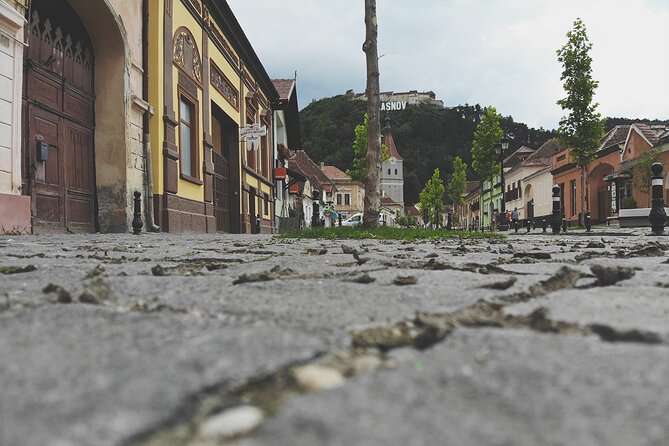
Day four starts underground at Salina Turda, one of Transylvania’s most unusual sights. The former salt mine has vast chambers and a striking interior shaped by extraction over many years. The saline air is also promoted as helpful for people with allergies or asthma, though you should treat that as a feature of the environment rather than a medical promise.
You have two hours inside, and the admission fee is separate. The mine is visually different from the castles and churches, which helps break up the route. It can also be a cool change from summer heat above ground.
In Cluj-Napoca, the Alexandru Borza Botanical Garden gives you one hour among a city known for Baroque, Renaissance, and Gothic buildings. The supplied schedule places the garden within a broader Cluj city visit, so confirm how much time you will have for the old center. Local restaurants and Romanian food are part of the appeal, but meals are your responsibility.
The Surdești Wooden Church is a remarkable piece of craftsmanship. Built in 1721, its tower reaches about 54 meters, with the church complex described as a 72-meter-high wooden landmark. The one-hour stop is less about a long service or museum visit and more about seeing what local builders achieved with wood before modern equipment.
Maramureș: humor, grief, and village traditions
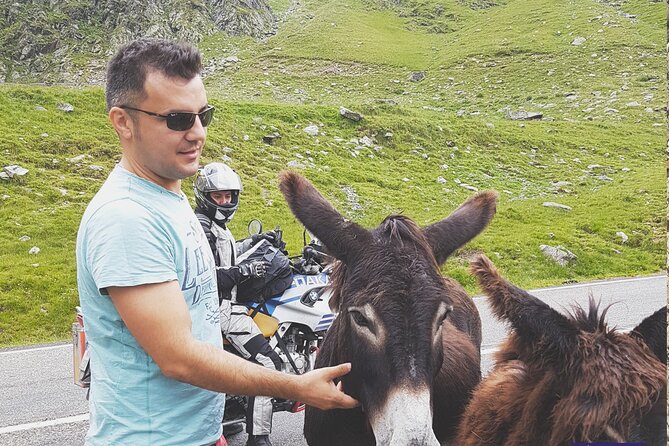
The Merry Cemetery in Săpânța is one of the most memorable stops because it treats death in an unusually direct way. Brightly painted crosses carry humorous poems about the people buried there. The tone is not simply cheerful. It reflects a local tradition of telling personal stories, faults, work, and family life in a public place.
Give yourself the full hour and read the carvings carefully. The cemetery is easy to reduce to a novelty, but the verses make it a record of village life and memory. Admission is not included.
The Memorial of the Victims of Communism and of the Resistance in Sighet supplies the sober counterpoint. You have two hours to learn about imprisonment, political repression, and the suffering caused by Romania’s communist regime. This is one of the most important historical visits on the route, especially after seeing the Palace of Parliament and Revolution Square.
Day six turns back toward religious architecture and mountain scenery. Barsana Monastery is known for its tall wooden church, listed here at 57 meters. The 45-minute visit focuses on the monastery grounds, timber construction, and the quiet setting.
Tihuța Pass connects Bistrița in Transylvania with Vatra Dornei in Bukovina. Its connection with Bram Stoker’s Dracula novel comes from the fictional Borgo Pass, even though Stoker did not visit the area. The local Hotel Castel Dracula, built in 1976 and renamed after 1989, adds a modern attraction built around the literary link.
Ciocănești offers a more grounded folk experience. Houses in this Bukovina village are painted with traditional motifs, and the village follows the Golden Bistrița River among forests and meadows. You have one hour to see the distinctive facades and get a feel for the local style.
Bukovina’s painted monasteries
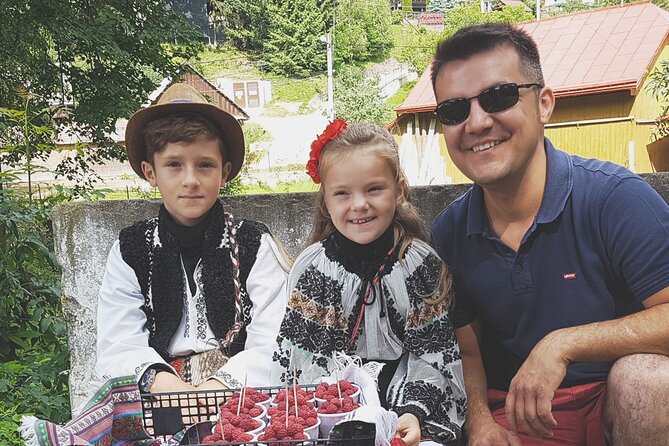
Day seven is the spiritual and artistic center of the journey.
Voroneț Monastery was founded by Stephen the Great in 1488 and is famous for its intense blue frescoes, often called Voroneț blue. The nickname Sistine Chapel of the East is easy to understand once you see the painted exterior walls, but the one-hour visit is best approached as a close look at color, biblical scenes, and Moldavian design rather than as a quick photo stop.
Humor Monastery, built in 1530 after an earlier church was destroyed, has thick river-rock walls and a fortified character. The 45-minute visit shows how worship and defense were often combined in this region.
Sucevița Monastery is another fortified church with extensive painted walls and biblical scenes. It is part of the UNESCO-listed group of painted churches of northern Moldavia. The church can feel like a visual guide to Christian stories, even if you are not familiar with the Bible.
Moldovița Monastery, founded in 1532, combines Byzantine, Gothic, and Moldavian elements. Its interior and exterior murals complete a day built around religious art. Four monasteries in one day may be too much for some people, since the visual details can begin to blur. I would ask Nicolas to point out the clearest differences between each site.
Folk art and the Bicaz Gorges
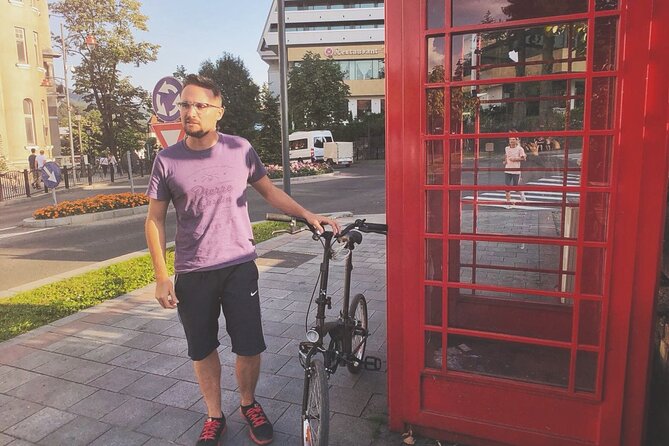
The Lucia Condrea International Egg Museum is a small but highly specific stop. It opened in Moldovița in 1993 and contains more than 5,500 decorated eggs displayed across two floors and 56 cases. The one-hour visit gives you a close look at a regional craft tradition and adds a personal artist-run feel to the larger monasteries.
The Popa Museum in Târpești was created in the 1970s by sculptor Nicolae Popa in his own home. His life story includes wartime injury, communist imprisonment, and a decision to preserve Romanian values through sculpture and folklore. The one-hour visit connects private creativity with the political and cultural pressures explored earlier at Sighet.
The Bicaz Gorges provide the day’s natural drama. A three-hour stop allows time to walk beside the river through the mountain passage. Admission is included here, unlike most other attractions. The gorges also offer a useful pause after several museums and churches, though the route remains active rather than restful.
Sighișoara, Biertan, and the final castles
Sighișoara’s Clock Tower is the gateway to one of Romania’s best-preserved medieval centers. The citadel has remained inhabited for more than 700 years, and the two-hour visit includes the clock tower and Arms Museum. Its connection with Vlad the Impaler comes from the claim that he was born here, adding another historical layer to the Dracula story.
Biertan Fortified Church is a UNESCO World Heritage site in a former Transylvanian Saxon settlement dating to 1224. The church sits on a hill in the center of town, surrounded by three defensive walls and seven bastions. Allow two hours, which gives you time to appreciate the structure and the surrounding town rather than rushing through.
The final day reaches Brașov, Bran, and Sinaia. Brașov’s Black Church, Old Town square, medieval walls, and cafe-lined streets make it a pleasant walking day. One hour is scheduled for the main sights, with some free time to absorb the town at your own pace.
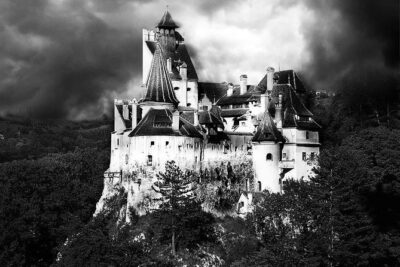
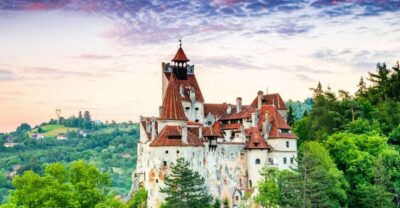
Bran Castle is the famous Dracula stop, but the useful way to see it is to separate the fictional vampire from the actual building. The castle sits between myth and history, and the resemblance to descriptions of Dracula’s home helped create its fame. Outside, you can find local foods such as handmade cheeses, plum and pear brandy, ham, and sausages. Entrance is separate.
Peleș Castle closes the tour with royal style. It was the Romanian royal family’s summer residence and is known for its ornate design and European reputation. You have two hours, but admission is not included. The final day combines three major sights, so it may feel full, especially if queues or road conditions slow the schedule.
Price, inclusions, and the real value
At $3,918.13 per person, this is a substantial purchase. The value depends heavily on your group size and how much you would otherwise spend arranging private transport, a driver, route planning, parking, tolls, and multiple regional transfers.
The tour includes a private car or minibus, a licensed English-speaking guide and driver, pickup, Wi-Fi, fuel, parking, and road tolls. The guide’s accommodation, meals, and entrance fees are also covered, which removes some hidden operating costs.
You pay separately for your own lodging, meals, drinks, and entrance tickets. Because nearly every major attraction lists admission as extra, you need a separate sightseeing budget. The advertised price is therefore not the final trip cost.
The strongest value is convenience. You do not need to piece together remote monasteries, mountain passes, and scattered archaeological sites. Flexibility is another advantage, since the operator says daily changes can be made even after the tour begins. For a family or group of friends, sharing a private vehicle may make the price easier to justify than booking several separate transfers.
The provider offers free cancellation up to 24 hours before the start time. Changes or cancellations inside that window are not accepted for a refund.
Who should book this private Romania tour?
I would choose this tour if you want to see many parts of Romania in one trip and prefer a private guide to independent route planning. It suits families, couples, and friend groups who value control over the vehicle and want to ask for schedule changes along the way.
It is also a good fit if your interests range widely. You get communist history, medieval towns, royal architecture, folk art, religious painting, archaeology, mountain roads, and village customs in one route.
I would hesitate if you dislike long drives, have limited mobility for steep or uneven sites, or want slow mornings and long meals. The schedule includes Poienari Fortress, Sarmizegetusa Regia, monasteries, museums, and several mountain roads. Ask about the exact daily driving plan before paying, and set aside money for admissions and meals.
The available feedback gives Nicolas special credit for his company, knowledge of Romania, and care for the group. That personal guide relationship may be the deciding factor. A private tour can be ordinary with a poor guide, but the flexibility and direct contact with Nicolas are central reasons to consider this one.
FAQ
Is this a private tour?
Yes. Only your own group participates, and the vehicle is a private car or minibus for you, your friends, or your family.
Is pickup included?
Yes. Pickup is offered, but you need to provide the pickup address, preferred time, and phone number.
Who is the guide?
The experience provides a licensed English-speaking guide and driver. The supplied tour information and feedback identify the guide as Nicolas.
Are hotels included?
No. Your accommodation is not included. The guide’s accommodation is covered by the tour.
Are meals and drinks included?
No. Your meals and beverages are separate costs. The guide’s meals are included.
Are attraction entrance fees included?
Most entrance fees are not included. The Bicaz Gorges is specifically listed with admission included, while the other scheduled attractions generally require separate payment.
Is Wi-Fi available during the drive?
Yes. Complimentary wireless internet is provided in the vehicle.
Can the itinerary be changed?
Yes. The operator allows flexibility and says changes to the daily itinerary can be made even after the tour has begun.
When can I cancel for a full refund?
You can cancel up to 24 hours before the experience start time for a full refund. Cancellations or changes made less than 24 hours in advance are not refunded or accepted.
Just added around Bucharest
- Bucharest: Charm of the Belle Époque Private Tour★ 5.0 · 3 reviews
- 4-Day Inside Transylvania & Transfagarasan Tour from Bucharest★ 5.0 · 3 reviews
- Private 8 Day Romania UNESCO Tour★ 5.0 · 3 reviews
- Bucharest: VIP Dining, Limo ride & Clubbing★ 4.7 · 3 reviews
- Bucharest 1989 Revolution Walking Tour with Smartphone App★ 3.9 · 3 reviews
- Bucharest Highlights Half-Day City Tour with Pickup★ 5.0 · 3 reviews
- 3 Days Private Tour Wallachia and Transylvania from Bucharest★ 5.0 · 3 reviews
- Probably the Best Restaurant and Wine Cellar near Bucharest★ 4.5 · 3 reviews
Bucharest Tours, compared.
Dracula’s Castle, Peles Castle, & Brasov Old Town
Read our review →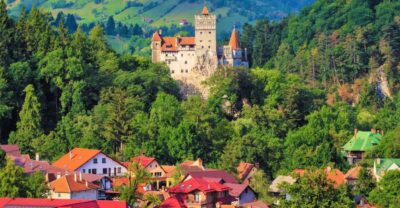
Dracula Castle, Peles Castle & Brasov Old Town
Read our review →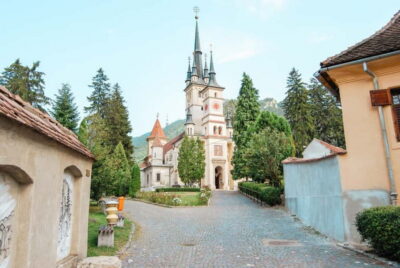
Dracula’s Castle, Peleș Castle & Brașov Day Trip
Read our review →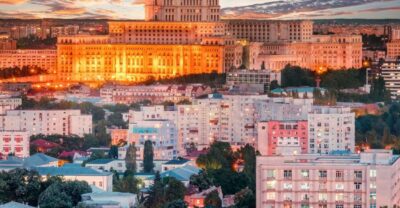
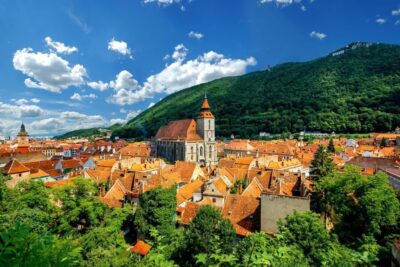
Day Trip to Dracula Castle, Peles Castle & Brașov
Read our review →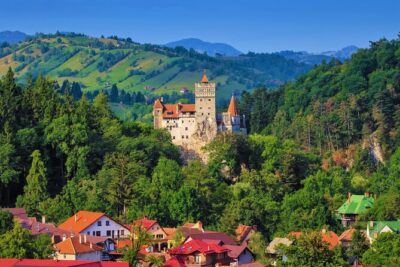
Bucharest to Dracula Castle, Peles Castle and Brasov Guided Tour
Read our review →