
Reviewed · BRAN CASTLE & DRACULA TOURS
Sighisoara: Candlelight Tour of Dracula’s Home Town
Sighișoara after dark is a fine setting for a history walk. The Clock Tower glows above the old citadel, narrow lanes grow quieter, and Vlad Țepeș’s birthplace gives the Dracula legend a real address. Cosmina, the guide most closely associated with this experience, brings the story back to Saxon Sighișoara, medieval Transylvania, and Romania’s past.
I like the route for two reasons: it includes the Covered Stairs and Church on the Hill, then connects them with the walls, towers, and bastions; and it gives you useful evening advice on local food and drink. The main drawback is the title. You should not expect a tour built around candles or vampire theatrics, and the Dracula material is only one part of a broader city-history walk.
Key points at a glance
- The Clock Tower starts and finishes the story: Meet outside the Clock Tower museum, then return to its history at the end.
- The route climbs through the Covered Stairs: Bring steady shoes for the uphill walk to the Church on the Hill.
- Dracula is part of the history, not the whole show: You visit the house where Vlad Țepeș was born in 1431, but the focus is wider.
- The best light comes late in the day: Depending on the season, you may see daylight, sunset, and the citadel at night.
- The guide adds practical local help: The final restaurant and bar suggestions can turn a good walk into a useful evening out.
Why Sighișoara works so well after sunset
Sighișoara’s upper citadel is compact, old, and easy to read on foot. You are not simply ticking off isolated sights. The route links the main landmarks in a way that helps you understand how the hilltop town functioned.
The Clock Tower makes a strong meeting point because it is one of the city’s clearest landmarks. You meet your guide in front of the Clock Tower museum, where he or she will hold a Walking Tour sign. After a short introduction, you begin with the story of the Old Town before heading uphill.
The evening timing matters. In summer, the tour may begin while there is still plenty of daylight, with sunset arriving during the walk. In colder or darker months, the citadel can feel much more nocturnal from the start. Either way, you get a different view of Sighișoara than you would on a busy daytime circuit.
One practical note: the phrase candlelight tour may create the wrong picture. The experience is an evening walking tour, with the Clock Tower lit at night, but there is no stated candlelit performance or candle-carrying element. I would book it for the timing and atmosphere, not for theatrical vampire effects.
More Bran Castle and Dracula trips:
- Bucharest: Dracula’s Castle, Peles Castle, & Brasov Old Town
★ 4.5 · 17,858 reviews - Bucharest: Dracula Castle, Peles Castle & Brasov Old Town
★ 4.6 · 10,891 reviews - Bucharest: Dracula’s Castle, Peleș Castle & Brașov Day Trip
★ 4.5 · 5,919 reviews
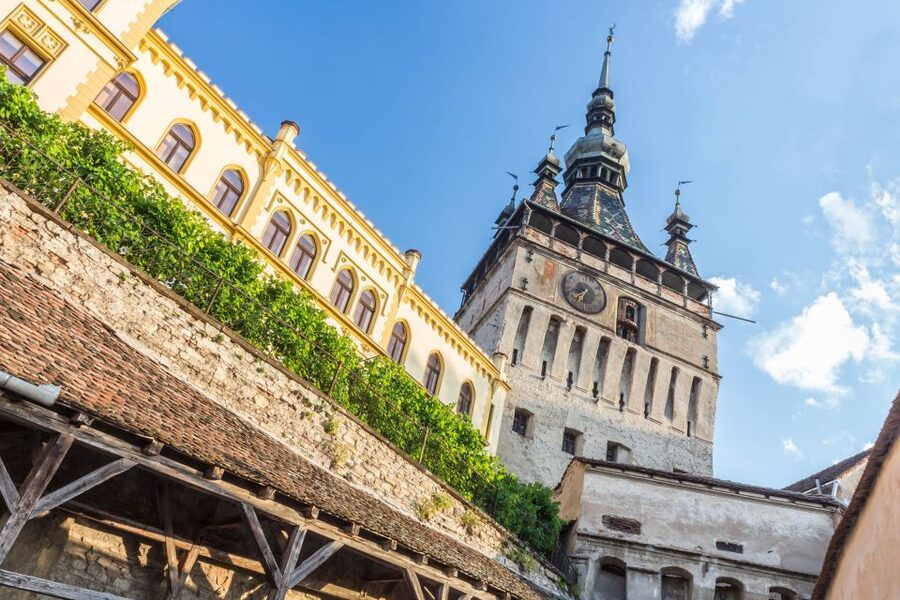
The Clock Tower gives you your bearings
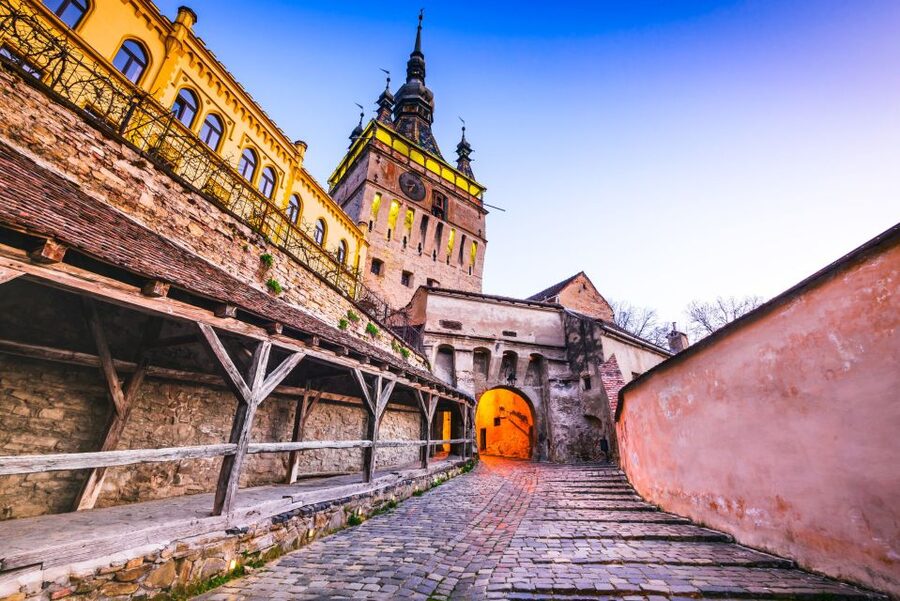
The Clock Tower is more than a photo stop. It is the visual anchor of the citadel and a useful way to begin understanding Sighișoara’s layout. Your guide introduces the Old Town here, then returns to the tower’s story at the end.
That structure works well because you first see the tower as a meeting place and a landmark. Later, after walking through the upper town and along the old defenses, you hear why the tower matters to the city. The return to the same spot gives the two-hour walk a clear shape.
At night, the tower’s lighting adds atmosphere without needing much decoration. You can take a camera, and you should, though the tight streets and changing light may make quick snapshots easier than carefully staged photographs.
The Clock Tower is also the best place to arrive early. The meeting instructions are simple, but the Old Town has narrow streets and a medieval layout. Give yourself enough time to find the museum entrance area and look for the guide’s Walking Tour sign.
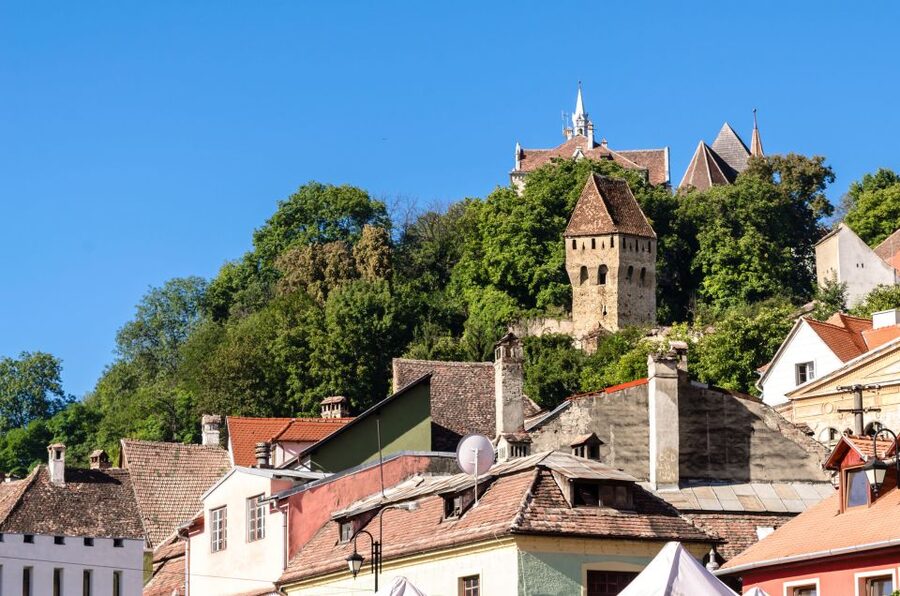
Climbing the Covered Stairs to the Church on the Hill
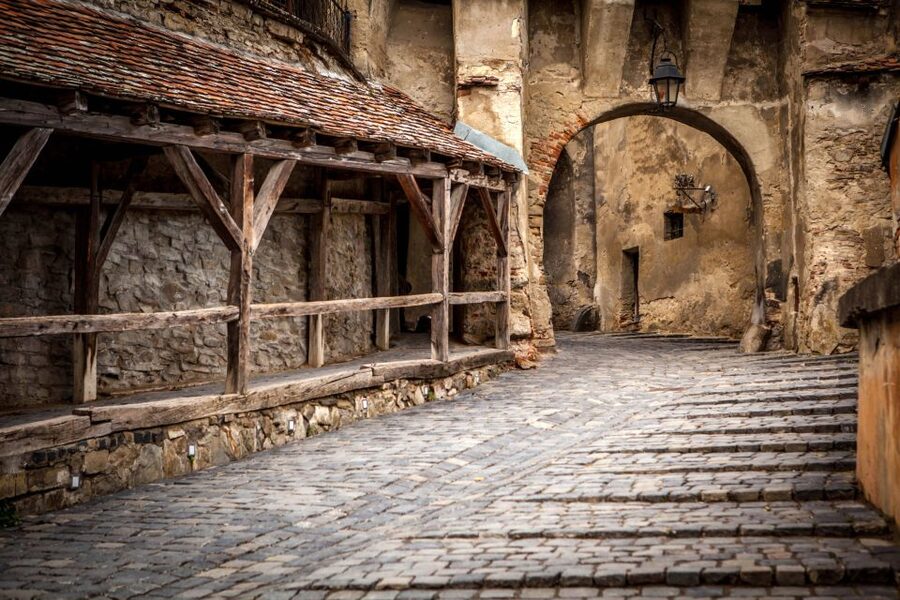
The route then turns uphill toward the Church on the Hill. You reach it through the Covered Stairs, also called the Stairs of the Scholars. This is one of the most memorable parts of the walk because the stairs are not just a shortcut. They show how the town once connected its lower streets with the hilltop church and school area.
You will be walking uphill, so comfortable shoes matter. The tour is not suitable for wheelchair users, and even visitors without mobility concerns should expect steps, uneven surfaces, and a fair amount of walking. The route is manageable for people who enjoy an active city walk, but it is not a flat promenade.
The Church on the Hill receives attention as an Evangelical church near two major attractions, the Clock Tower and Dracula’s house. That location helps explain why the church is important to the citadel’s identity. You are looking at more than an attractive old building. You are seeing how religious, civic, and residential life were packed together inside the fortified town.
The guide’s role is especially useful here. A building can look impressive while its story remains vague. With context about the church and the town around it, you can better understand the citadel as a working medieval settlement rather than a collection of preserved facades.
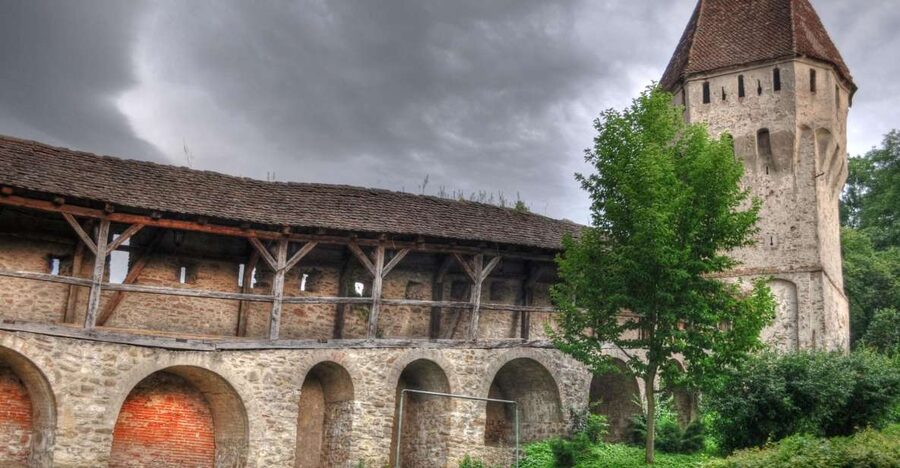
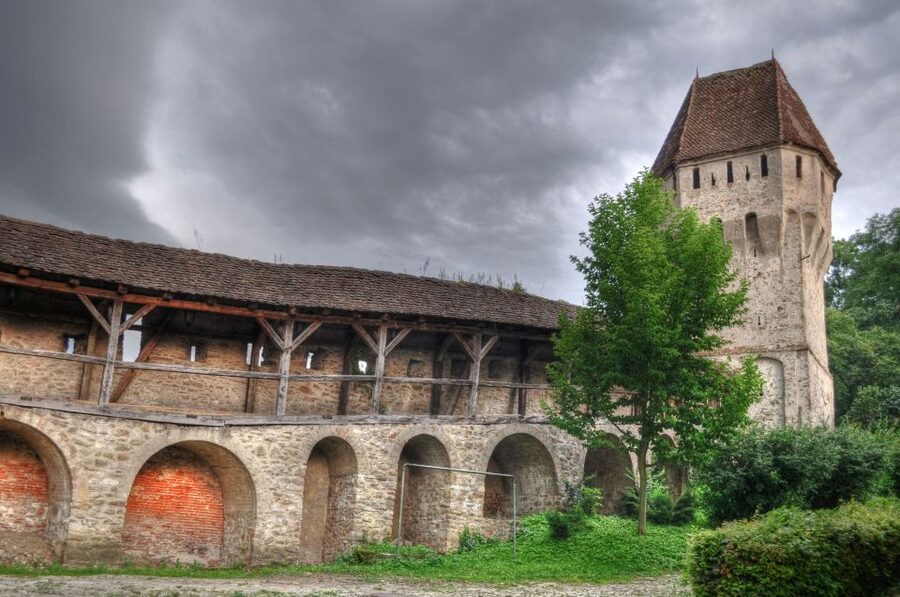
Old towers and bastions along the city walls
After the church area, the walk takes you through narrow medieval streets toward the old city walls. Sighișoara is known for its well-preserved towers and bastions, and seeing them in the evening gives the defensive system a stronger presence.
The walls are valuable because they make the town’s geography clear. You can see how the citadel occupied high ground and how its towers helped protect the settlement. Your guide explains the surviving structures as part of the city’s past, rather than treating each one as a separate monument.
This section also gives the tour some breathing room. The Covered Stairs are a focused architectural experience, while the walls and bastions open the view and let you move at a more relaxed pace. You may find that this is where the sunset is most rewarding, especially on summer departures that begin before full darkness.
Do not expect a long fortress expedition. The activity lasts two hours and remains a city walk through the citadel. The benefit is a compact route that covers the main historic areas without requiring transport or a full day.
More Sighisoara day trips:
- Small Group Tour to Viscri Church Sighisoara Town Rupea Fortress
★ 5.0 · 225 reviews - 2-Day Medieval Transylvania with Brasov,Sibiu and Sighisoara Tour from Bucharest
★ 4.5 · 145 reviews - From Brasov: Sighisoara and Viscri UNESCO Day Tour
★ 4.8 · 86 reviews - City Tour Sighisoara Legends & Landmarks A Walk Through Time
★ 4.9 · 83 reviews
Dracula’s birthplace, with the legend kept in proportion
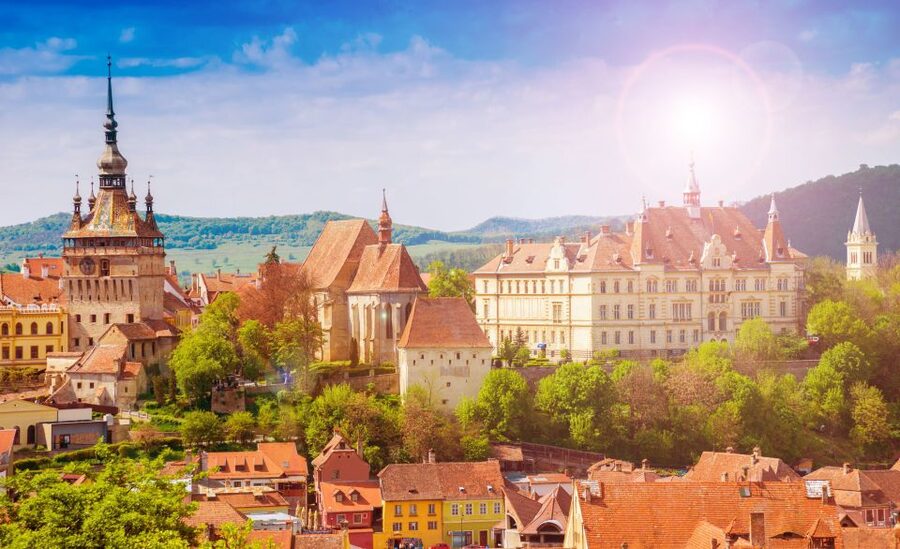
The house linked to Dracula is one of the tour’s headline stops. It is identified as the place where Vlad Țepeș, the Wallachian ruler who inspired much of the Dracula legend, was born in 1431.
This gives the vampire story a useful historical anchor. Instead of treating Dracula as a floating piece of horror fiction, the guide places the legend beside an actual ruler, a real town, and the political world of Wallachia and Transylvania.
Still, you should set your expectations correctly. The walk is not mainly about vampire myths. The guide discusses Vlad Țepeș, but also spends substantial time on Sighișoara, the Saxons, Transylvania, and Romania. I consider that a strength if you want a more grounded visit. If you want costumes, spooky effects, or an extended account of vampire folklore, this is probably not the right choice.
The house is especially worthwhile for first-time visitors who want one memorable link between Sighișoara and the Dracula story. You can see the connection, hear the historical background, and then move on to the much larger story of the citadel.
A guide-led history of Saxon Sighișoara
The strongest feature of this experience is the guide’s storytelling. Cosmina is repeatedly associated with the walk and is known for explaining local history in a clear, personable way. She covers the city, the Saxons, Vlad Țepeș, Transylvania, and Romania rather than giving you a narrow Dracula lecture.
That wider approach makes a difference. Sighișoara’s past is not a single legend. It includes the development of the citadel, the communities that shaped it, the churches and defensive works, and the political history tied to the region. You leave with a better sense of how the pieces fit together.
Cosmina also adds personal context by speaking about growing up in the citadel and living in Transylvania. Personal details like these can make the old streets easier to picture as part of a lived-in town, not just a preserved historic zone.
The pace appears to suit people who enjoy questions. The walk is structured, but there is time to ask about local and national history. That makes it a good pick if you prefer a guide who can connect a monument to a larger story rather than recite a short list of dates.
Families may also find the approach workable. One family described the evening walk as child-friendly, and the guide adjusted the experience so everyone could enjoy it. That does not mean the tour is designed specifically for children, but the conversational style should help younger visitors stay involved.
How much walking and what the two hours feel like
Two hours is enough time to cover much of the citadel at a steady pace, though it is not enough for long interior visits at every landmark. The itinerary emphasizes streets, steps, walls, towers, bastions, and explanations along the way.
You should expect:
- A meeting outside the Clock Tower museum
- An introduction to the Old Town
- An uphill walk through the Covered Stairs or Stairs of the Scholars
- A visit to the Church on the Hill area
- Narrow streets through the medieval citadel
- The old walls, towers, and bastions
- Dracula’s birthplace and the story of Vlad Țepeș
- A closing explanation of the Clock Tower
- Suggestions for local restaurants and bars
That is a well-shaped route for a first evening in Sighișoara. It gives you orientation early, a major climb in the middle, defensive architecture later, and practical advice at the finish.
The main limitation is repetition. If you spend the afternoon walking through the citadel, you may cover much of the same ground at night. One visitor felt the tour was less useful after already completing the walk independently. I would avoid that problem by taking this tour early in your stay, ideally before you have explored every street on your own.
What $44 represents
At $44 per person, this is not the cheapest way to walk around Sighișoara. You are paying for a two-hour English-language guide, a planned route, historical explanation, and local recommendations. Food, drinks, and hotel pickup are not included.
The price makes the most sense if you value context. You can walk through the citadel for free, but it is harder to understand why the Church on the Hill matters, how the walls shaped the town, or how Vlad Țepeș fits into the city’s story without some guidance.
The value is also stronger if you are short on time. A single evening route introduces the Clock Tower, the church, the stairs, the defenses, and Dracula’s birthplace without requiring you to plan the order yourself.
If you are already well read on Sighișoara and have spent a full afternoon exploring, the price may feel harder to justify. In that case, you would be paying mainly for nighttime atmosphere and conversation. If you want a factual introduction with room for questions, the cost is reasonable for a private guide-style experience in a major historic site.
The reserve-now-and-pay-later option gives you some flexibility, and cancellation is available up to 24 hours before the activity for a full refund. Check the available start times because the exact balance of daylight and darkness will depend on the season.
The restaurant advice at the end
The final recommendations are a useful touch. Your guide suggests local restaurants and bars where you can spend the evening tasting local food and meeting local people.
That advice matters because a good walking tour can end at an awkward hour. You have seen the town, but you may not know where to eat or what local dishes and drinks to try. Restaurant suggestions help you continue the evening without losing the sense of place the walk has created.
Food and drinks are not included, so plan for a separate bill. The tour does not promise a tasting, meal, or reserved table. Think of the recommendations as practical local direction, not part of the ticket.
I would pay attention to these suggestions and ask follow-up questions. Since the guide can also point you toward traditional foods and beverages, the end of the tour is a natural time to ask what is typical in the area and where to try it.
Who should book this walk?
I would choose this experience if you are visiting Sighișoara for the first time and want the citadel explained in plain language. It suits you especially well if you like history, old fortifications, church architecture, and stories that connect local places to wider Romanian history.
It is also a good match for:
- Couples wanting an evening walk with atmosphere
- Families who prefer a guided route to wandering alone
- Visitors interested in Vlad Țepeș but not only in vampire folklore
- People arriving without a detailed plan for the citadel
- Anyone who wants restaurant and bar advice after sightseeing
You may want to skip it if you dislike uphill walking, cannot manage stairs, or have already explored every part of the citadel. You should also choose another activity if the word candlelight makes you expect candles, actors, or a spooky show.
Bring comfortable shoes and a camera. Since the route includes steps and old streets, practical footwear will help more than dress shoes. A camera is worthwhile for the Clock Tower, the walls, the towers, and the transition from daylight to night.
My verdict on Sighișoara’s evening citadel tour
Book this tour if you want a well-organized introduction to Sighișoara with Dracula as one thread in a larger story. The best parts are the route through the Covered Stairs, the Church on the Hill, the old walls, and the guide’s ability to connect Vlad Țepeș with the city’s Saxon and Transylvanian past.
Do not book it expecting a dedicated vampire spectacle or literal candlelight. At $44, it offers fair value for a two-hour English-language walk, especially when you are new to the town and want both historical context and a useful plan for dinner afterward. Take it early in your stay, wear good shoes, and let the evening light do some of the atmospheric work.
FAQ
Where does the Sighișoara candlelight tour begin?
You meet your guide in front of the Clock Tower museum. The guide will be holding a Walking Tour sign.
How long does the tour last?
The walking tour lasts two hours. Starting times vary, so you should check availability for your preferred date.
What language is the tour offered in?
The live tour guide speaks English.
Does the tour include food or drinks?
No. Food and drinks are not included. The guide does recommend local restaurants and bars for after the walk.
Is hotel pickup included?
No. You must make your own way to the Clock Tower museum meeting point.
Is the tour suitable for wheelchair users?
No. The tour is not suitable for wheelchair users because the route includes uphill walking and the Covered Stairs or Stairs of the Scholars. Comfortable shoes are recommended.
Just added around Romania
- Private Full Day Tour of Bucharest★ 5.0 · 3 reviews
- Bear Sanctuary Zarnesti,Bran Castle,Rasnov Fortres w/Hotel pickup★ 5.0 · 3 reviews
- Count Dracula & Peles Castle in One Day from Bucharest★ 5.0 · 3 reviews
- Veliko Tarnovo and Medieval Bulgaria Private Day Trip from Bucharest★ 5.0 · 3 reviews
- Bucharest VIP Bar Crawl in Lipscani ‘Old Town’★ 5.0 · 3 reviews
- Private Transfagarasan&Balea Lake★ 5.0 · 3 reviews
- Muddy Volcanoes and Salt Mine Private Tour★ 5.0 · 3 reviews
- Bucharest Private City Tour★ 5.0 · 3 reviews
Bran Castle & Dracula Tours, compared.
Dracula’s Castle, Peles Castle, & Brasov Old Town
Read our review →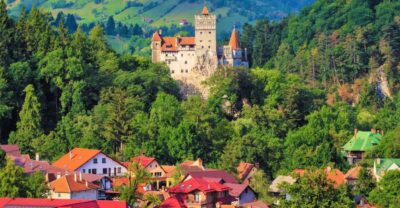
Dracula Castle, Peles Castle & Brasov Old Town
Read our review →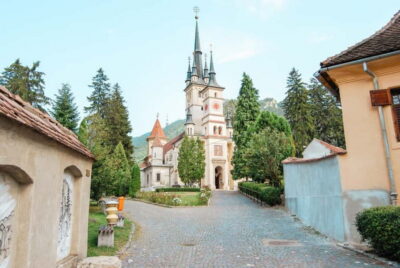
Dracula’s Castle, Peleș Castle & Brașov Day Trip
Read our review →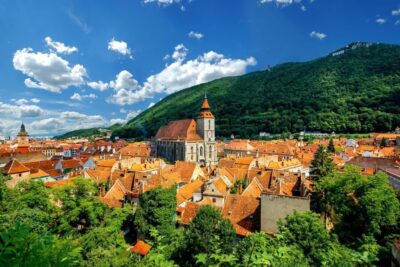
Day Trip to Dracula Castle, Peles Castle & Brașov
Read our review →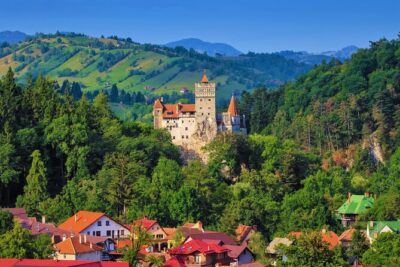
Bucharest to Dracula Castle, Peles Castle and Brasov Guided Tour
Read our review →
Dracula’s Castle, Peles Castle and Brasov Day Trip from Bucharest
Read our review →
Transylvania and Dracula Castle Full Day Tour from Bucharest
Read our review →
Browse the lists this tour appears in