
Reviewed · BUCHAREST TOURS
Slavery in Romania,Myths and Truths on Gypsies, Walking Tour
Romania’s Roma story is not a side note to Bucharest sightseeing. It reaches from the former slave market to Holocaust remembrance, communism, music, craft, and the prejudice Roma people still face today. This three-hour walk puts that story at the center, using city landmarks as evidence rather than treating them as scenery.
I like the clear route, which links the Romanian Athenaeum, Cișmigiu Gardens, Revolution Square, and the Holocaust Memorial to the wider story. I also like the tone described by guides such as Daniela, Andreea, and Mihail: direct, humane, and willing to discuss hard subjects without turning Roma culture into a curiosity.
The main consideration is that this is a serious history and culture tour, not a standard Bucharest highlights walk. You may pass famous buildings, but the focus stays on slavery, discrimination, genocide, communism, and Roma identity. Some visitors may also wish for more direct interaction with Roma community members.
Key points to know before you book
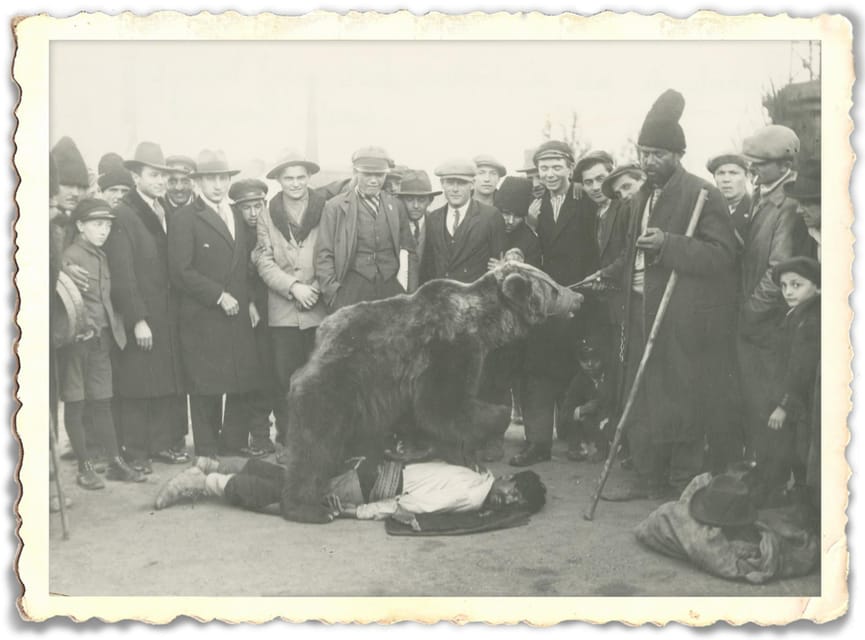
- A former slave-market site opens the story: You begin with Romania’s long period of Roma enslavement and its continuing effect on identity and social attitudes.
- The route uses familiar Bucharest landmarks well: The Athenaeum, Cișmigiu Gardens, Holocaust Memorial, Kogălniceanu Square, and Revolution Square each add a different piece of context.
- The guide shapes the experience: Daniela, Andreea, and Mihail have led tours praised for clear explanations, empathy, humor, and careful handling of sensitive subjects.
- It covers both history and present-day prejudice: You learn about slavery and the Holocaust, but also about stereotypes, property disputes, communism, and Roma life in modern Romania.
- The optional workshop adds a hands-on ending: At Mesteshukar ButiQ, you can make jewelry with a Roma craftsperson in a traditional workshop.
- The $29 price is fair for a focused three-hour walk: It works best if you want one serious subject explored properly, rather than a broad introduction to every Bucharest sight.
Why this Bucharest walk matters
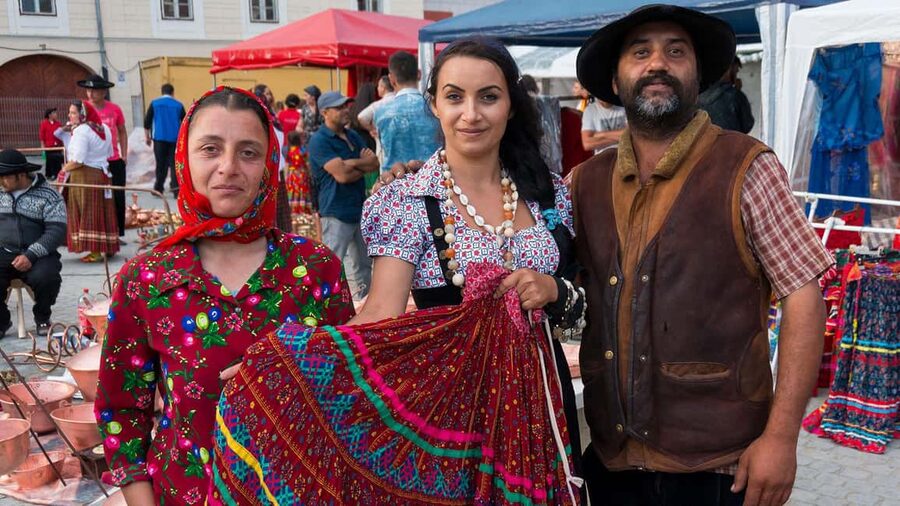
Many city tours hurry past Romania’s uncomfortable subjects. This one does the opposite. It asks you to look at the ways Roma people have been described, controlled, excluded, and misunderstood, then connects those patterns to places you can see in Bucharest.
The word Roma refers to a large and varied European people with their own languages, customs, histories, and identities. The tour also addresses the myths commonly attached to the word Gypsy, including the difference between popular images and the real lives of Roma communities. That makes the experience useful for anyone who wants more than folklore and colorful costume.
You should expect an English-speaking guide and a walking pace broken up by short talks, photos, questions, and rest stops. The total time is three hours. Several parts of the route allow you to sit or use toilet facilities, which matters on a warm day or if you prefer a less hurried walk.
The guides bring different strengths. Daniela is described as especially strong at connecting Roma history with Romanian society, music, and current prejudice. Andreea uses images and links to public sculptures to help explain major events. Mihail has been praised for his straightforward treatment of slavery, Roma history, and Bucharest. Whoever leads your departure, check the available date if you have a preference.
More Walking Tours in Bucharest
- Bucharest: City Highlights Guided Walking Tour
★ 4.9 · 1,482 reviews - Bucharest Highlights Walking Tour
★ 5.0 · 469 reviews - Bucharest: Ghost Stories & Romanian Mythology Walking Tour
★ 4.9 · 287 reviews
Starting at Ion Creangă Theatre near Piața Romană
The meeting point is in the small square in front of the Ion Creangă Theatre, about a three-minute walk from Piața Romană metro station. That is a useful start for a walking tour because the meeting spot is easy to reach without crossing half of central Bucharest first.
The opening talk sets out the subject and the route. Do not expect a long architectural lecture or a quick list of city facts. The guide frames Bucharest as a place where national pride, political change, minority rights, and public memory overlap.
The route includes several secret or unspecified stops early on. These are described as short guided visits or pass-by points, usually around 10 to 15 minutes. Their exact details are not given in advance, so consider them supporting stops rather than destinations you need to plan around.
The former slave market and Romania’s difficult past
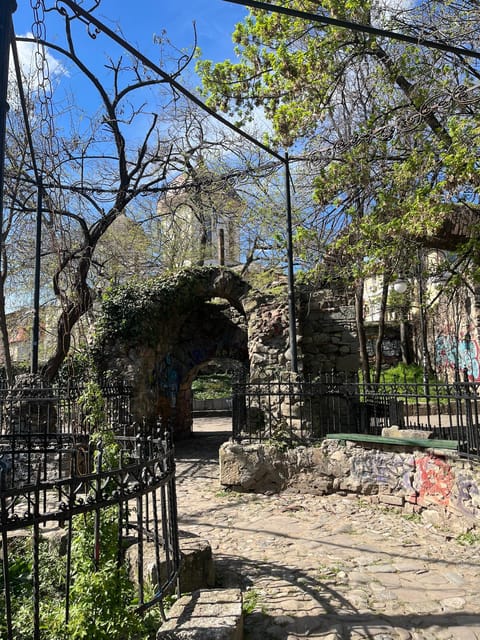
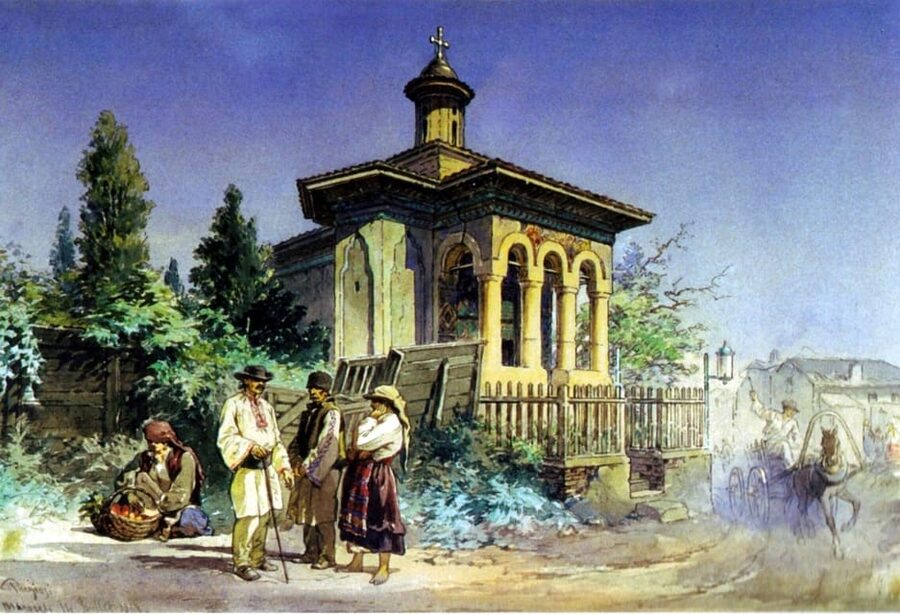
One of the strongest parts of the experience comes near the beginning: a visit to the site of a former slave market. This is not simply an old building to photograph. It is a place used to introduce the fact that Roma people in the Romanian principalities were enslaved for centuries.
The guide explains how human beings were bought, sold, and controlled, then considers what that history left behind. The value here is the connection between an apparently ordinary city street and a system that shaped family life, status, property, and public attitudes for generations.
This section may challenge visitors who arrive knowing little about Roma enslavement. One visitor learned during the walk that Roma people were emancipated around the same period as enslaved people in the United States. The comparison is not a reason to treat the histories as identical, but it helps show how recent this injustice is in historical terms.
Allow yourself time to listen. This is one of the places where the tour earns its price, because the guide is not just pointing out a location. You are given a framework for understanding why social inequality and prejudice cannot be separated from the past.
The Romanian Athenaeum and the power of national symbols
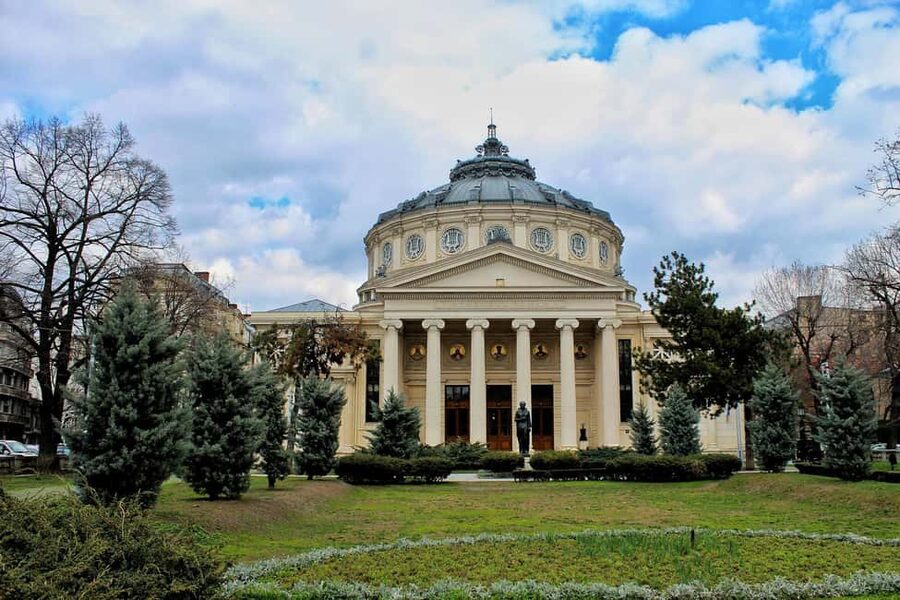
The Romanian Athenaeum brings a change of mood. You pass the grand concert hall and discuss its role as a symbol of Romanian culture and national pride. The building is a visual reminder that public culture often helps define who belongs to the national story.
The stop is relatively short, around 15 minutes, but it gives the guide a useful way to discuss representation. The arts can preserve memory and express identity, but they can also repeat simplified images of minority groups. That makes the Athenaeum more than a handsome façade on the route.
You will have time to admire the architecture, but the purpose is not an extended interior visit. If the Athenaeum is high on your Bucharest wish list, plan a separate visit. On this walk, it serves as a backdrop for a conversation about culture, identity, and how Roma people have been portrayed.
Same corner of the country, a completely different day out:
- Bucharest: Dracula’s Castle, Peles Castle, & Brasov Old Town
★ 4.5 · 17,858 reviews - Bucharest: Dracula Castle, Peles Castle & Brasov Old Town
★ 4.6 · 10,891 reviews - Bucharest: Dracula’s Castle, Peleș Castle & Brașov Day Trip
★ 4.5 · 5,919 reviews - Bucharest: Palace of Parliament Tickets and Guide
★ 4.3 · 3,182 reviews
Cișmigiu Gardens, a pause for myths and truths
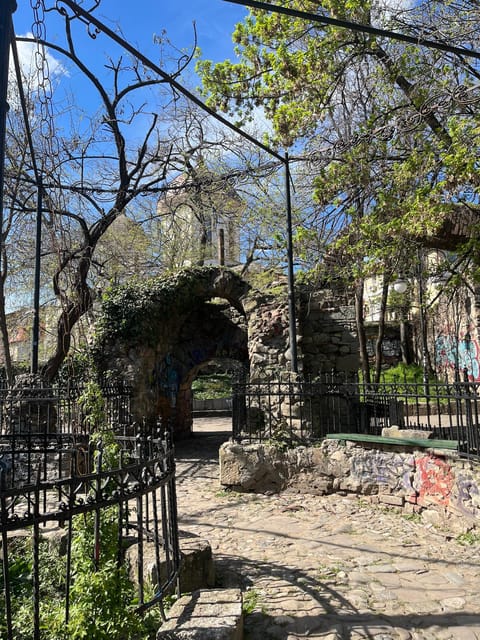
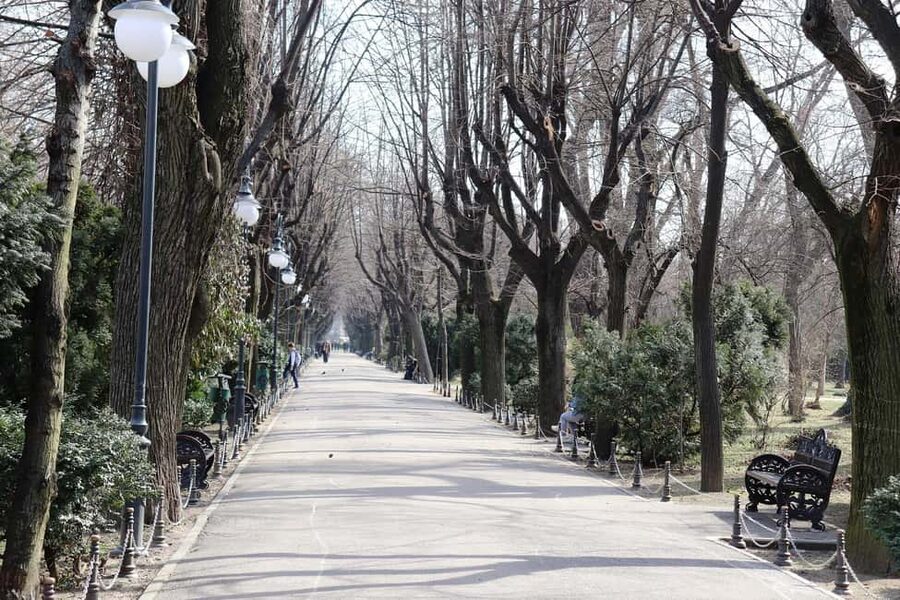
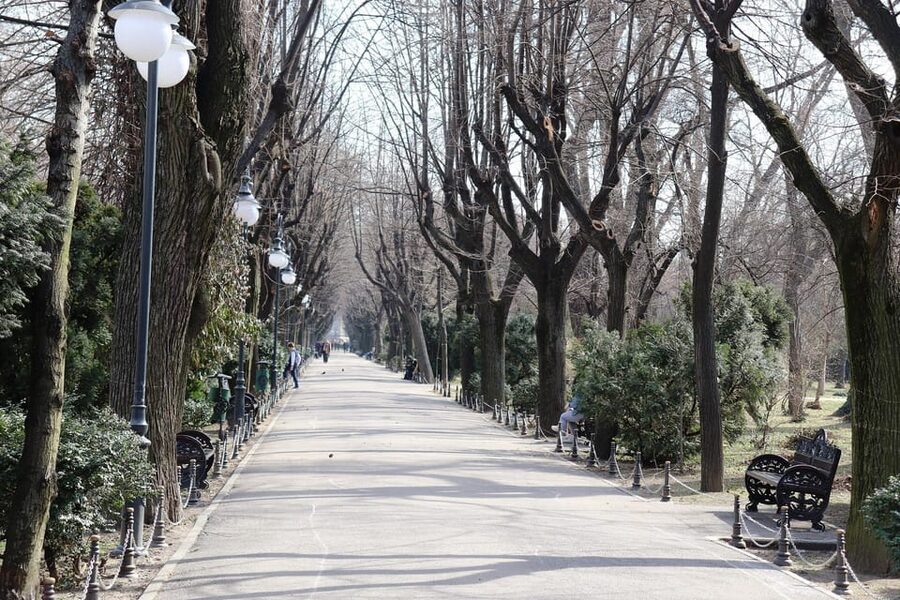
Cișmigiu Gardens is the longest stop on the route, with about 30 minutes of walking and guided discussion. As Bucharest’s oldest and largest garden, it offers shade, benches, and a calmer setting after the heavier historical material.
This is where the tour can sort folklore from fact without making the subject feel like a classroom lesson. The guide discusses Roma traditions and the stories outsiders have attached to them. You may also hear entertaining accounts of resilience, but the humor is used to show resourcefulness and survival, not to turn Roma life into a performance.
The garden is also a practical break. One guide was praised for moving into the shade and stopping for water during hot weather. That kind of attention makes a difference when you are trying to absorb difficult information in the summer heat.
Do not mistake the relaxed setting for a lighter subject. The park section continues the discussion of prejudice and social disadvantage. It simply gives you more room to ask questions and think through what you have heard.
The Holocaust Memorial and the Roma victims of genocide
The Holocaust Memorial is one of the most important stops. Here, the guide discusses the Holocaust in Romania and the Roma people who were persecuted and killed during that period. You have time for a photo stop and guided explanation, but the emphasis is remembrance rather than sightseeing.
For many people, this is the moment when the scale of Roma suffering becomes clearer. The tour places Roma victims within the history of the Holocaust, rather than treating their experience as an afterthought.
The subject is painful, and the guide’s manner matters. The strongest approach is calm and respectful, with enough context to understand what the memorial represents. If you prefer tours that avoid difficult material, this may not suit you. If you believe a city tour should include the history behind its memorials, this is a meaningful reason to book.
Communism, property, and the city after political change
The walk continues through streets that show traces of Romania’s communist past. At Piața Kogălniceanu, the guide discusses the Communist regime and its effects on Roma communities. The point is not to claim that communism created every problem, but to show how political systems shaped housing, work, ownership, and social opportunity.
A particularly useful issue is the dispute around property ownership and the run-down condition of some buildings after the war. This gives you a more careful explanation than the easy assumption that neglect is simply a result of individual choices or community habits.
Revolution Square adds another layer. You pass through a place linked to Romania’s political upheaval, while the guide connects national change with the uneven benefits of change for minority communities. The stop lasts about 15 minutes, so it is a focused discussion rather than a full account of the revolution.
This is one reason the tour suits repeat visitors to Bucharest. You may already know the major monuments, but the walk asks who benefited from political and economic shifts, and who remained at the edge.
Ending at Mesteshukar ButiQ and the optional jewelry workshop
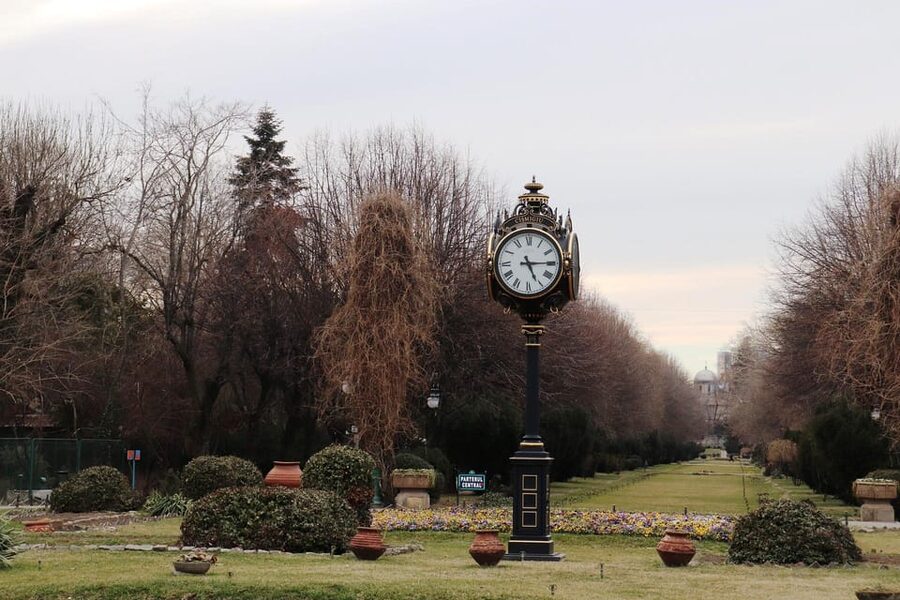
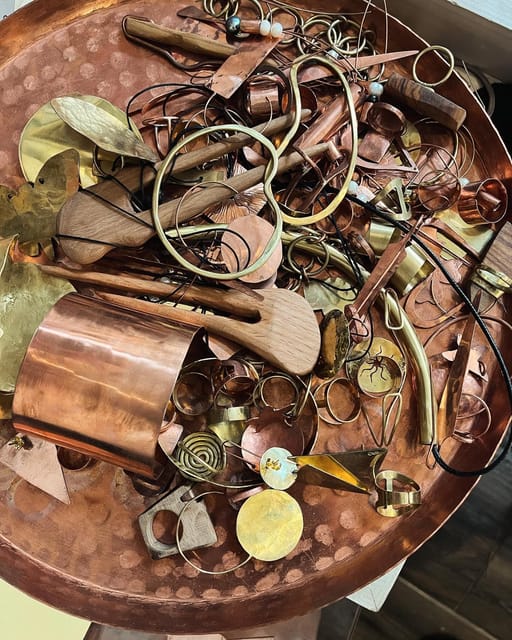
The listed finish is Mesteshukar ButiQ, often shortened to MBQ. The organization is connected with traditional Roma craft, and you can choose an optional jewelry workshop with an authentic Roma craftsperson.
The workshop changes the balance of the day. After hearing about slavery, genocide, prejudice, and political hardship, you get a chance to see craft as a living skill rather than a museum display. You make your own piece of jewelry, which gives the cultural discussion a physical and personal ending.
The workshop and transportation are included only if you select that option. Food and drinks are not included. If you want the workshop, allow enough time in your schedule and confirm the option when booking rather than assuming it is part of the standard walk.
There is a small practical point to clarify before setting out. The route description ends at MBQ, while the meeting information says the activity ends back at the meeting point. Ask the provider about the exact finish arrangement for your chosen option, especially if you have a timed reservation afterward.
What the $29 price gets you
At $29 per person, this is reasonably priced for a three-hour guided walk with a narrow, serious focus. You are paying for interpretation, not entry tickets or a meal. The guide’s work is the main value: explaining why each place matters and linking events that are often presented separately.
The cost is especially fair if you want to understand Bucharest beyond its architecture. A standard city walk may show you the Athenaeum and Revolution Square, but this experience adds the Roma story, the former slave market, Holocaust remembrance, and the effects of communism.
The value is less clear if you want a broad first-day orientation. You will not receive a full survey of Bucharest’s churches, museums, food, or royal history. This is a focused social-history walk, and that focus is its strength.
The optional jewelry workshop changes the total cost, since it is not part of the basic price. Consider it if you prefer practical cultural activities and want to support a Roma craft setting. Skip it if three hours of walking and discussion are enough for your day.
Who will get the most from this experience
I would choose this walk if you have already seen some of Bucharest’s headline sights or if you want your first city walk to address history and society rather than only monuments. It is also a good fit for students, educators, history-minded visitors, and anyone interested in minority rights.
The tour suits you if you are willing to examine your own assumptions. The subject includes stereotypes, discrimination, slavery, and genocide, so a respectful attitude is essential. The guide aims to explain myths without reinforcing them, but the material still requires attention.
Families with older teenagers may find it worthwhile, though the subject matter is not light. Children who need constant visual attractions may struggle with the discussion-led format.
You should also be comfortable walking through central Bucharest for three hours. The pace includes stops and breaks, and guides have adjusted for heat, but this remains an outdoor city walk. Wear practical shoes and carry water, especially in summer.
The limits of the tour
The most obvious limitation is the lack of guaranteed direct interaction with Roma community members. The optional workshop offers contact with a Roma craftsperson, but the standard walk is led by an English-speaking guide, and the experience may rely mainly on historical explanation and interpretation.
That does not make the tour less useful, but it is worth understanding what you are booking. You are learning about Roma society within Romania, not entering a neighborhood for an informal community visit.
A second limit is the route’s modest use of physical sites. Several stops are pass-by points, and the exact secret stops are not specified. If you expect buildings, museum interiors, or long visits at every location, you may find the walk more conversational than visual.
On the other hand, the slower format helps the guide handle complex issues. You get time to ask questions, see images, consider public sculptures, and connect places to events. The tour’s success depends heavily on the guide, so selecting a departure led by Daniela, Andreea, or Mihail may appeal if that information is available.
Should you book this Roma history walk?
Book it if you want a thoughtful, three-hour look at Bucharest through Roma history and contemporary life. The former slave-market site, Holocaust Memorial, and discussion of communism give the tour real weight, while Cișmigiu Gardens and the possible jewelry workshop keep the day from becoming a sequence of grim memorials.
Skip it if you want only cheerful sightseeing, a general city introduction, or guaranteed personal contact with Roma residents. The walk asks for attention and emotional maturity.
For most culturally curious visitors, I think the $29 fee is a sound use of a morning or afternoon. Go in ready to listen, carry water, and treat the tour as a chance to understand Romania more honestly. Add the workshop if you want a hands-on finish, and confirm the exact ending point before you make your next booking.
FAQ
How long does the walking tour last?
The tour lasts three hours. Check availability for the starting times offered on your chosen date.
Where does the tour start?
Meet in the small square in front of the Ion Creangă Theatre, about a three-minute walk from Piața Romană metro station.
What language is the tour conducted in?
The live tour guide speaks English.
How much does the standard tour cost?
The listed price is $29 per person. The optional jewelry workshop may involve a different total price.
Is the jewelry workshop included?
No. The jewelry workshop is optional. If selected, the package includes the workshop and transportation.
What happens at the jewelry workshop?
You can make your own piece of jewelry with an authentic Roma craftsperson in a traditional workshop at Mesteshukar ButiQ.
Are food and drinks included?
No. Food and drinks are not included, so bring water and plan your own refreshments.
Which Bucharest sights are included on the route?
The walk includes the former slave-market site, Romanian Athenaeum, Cișmigiu Gardens, Holocaust Memorial, Piața Kogălniceanu, and Revolution Square. Some additional stops are not specified in advance.
Can you cancel for a refund?
You can cancel up to 24 hours before the activity for a full refund. A reserve-now, pay-later option is also available.
Just added around Bucharest
- Private Full Day Tour of Bucharest★ 5.0 · 3 reviews
- Veliko Tarnovo and Medieval Bulgaria Private Day Trip from Bucharest★ 5.0 · 3 reviews
- Bucharest VIP Bar Crawl in Lipscani ‘Old Town’★ 5.0 · 3 reviews
- Muddy Volcanoes and Salt Mine Private Tour★ 5.0 · 3 reviews
- Bucharest Private City Tour★ 5.0 · 3 reviews
- Legends & Stories from Transylvania -2 Castles & Brasov Old Town★ 5.0 · 3 reviews
- 7-Day Dracula Tour in Romania from Bucharest including ‘The Ritual of Killing of a Living Dead’★ 5.0 · 3 reviews
- Transfagarasan Private Tour from Bucharest – 2 Days★ 5.0 · 3 reviews
Bucharest Tours, compared.
Dracula’s Castle, Peles Castle, & Brasov Old Town
Read our review →
Dracula Castle, Peles Castle & Brasov Old Town
Read our review →
Dracula’s Castle, Peleș Castle & Brașov Day Trip
Read our review →
Day Trip to Dracula Castle, Peles Castle & Brașov
Read our review →
Bucharest to Dracula Castle, Peles Castle and Brasov Guided Tour
Read our review →
Dracula’s Castle, Peles Castle and Brasov Day Trip from Bucharest
Read our review →Browse the lists this tour appears in