Reviewed · BUCHAREST TOURS
Bucharest: Charm of the Belle Époque Private Tour
Bucharest’s Belle Époque story is written along Victory Avenue, where royal ambition, Parisian fashion, music, restaurants, and grand architecture helped turn the city into the Paris of the East. This private tour connects those polished facades with the cobbled lanes and old inns of the historic center.
I like the story-led route, which gives each palace, theater, restaurant, and cultural building a place in the social life of its time. I also like the private format and included car transfer, especially for a first visit when you want a guide focused on your questions.
The main consideration is price: at $104 per person, this is best value for couples, families, or small private groups who want personal attention. Meals and snacks are not included, and the four-hour format leaves limited time for extended interior visits.
Key points to know
- Victory Avenue is the central thread: Follow Bucharest’s grandest historic boulevard past royal, musical, commercial, and aristocratic landmarks.
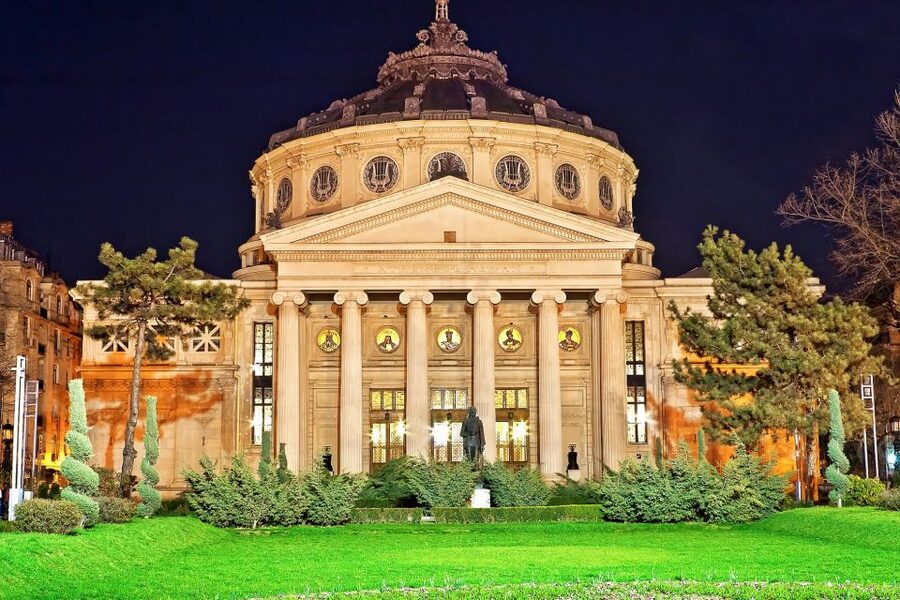
- The Athenaeum anchors the cultural story: Learn how music and high society shaped the city during its cultural boom.
- Capsa reveals the social scene: Connect one famous restaurant with noblemen, artists, and the city’s café culture.
- The Old City changes the mood: Move from formal boulevards to cobbled lanes, old lamps, cafés, bistros, and former entertainment venues.
- The tour is private and four hours long: You receive a personal guide, hotel pickup and drop-off, and a route that works well for a first introduction.
- Michael and Emma are named guides: Previous guests singled out their engaging stories, personable manner, and strong command of Bucharest and Romania.
Why Bucharest’s Belle Époque deserves four hours
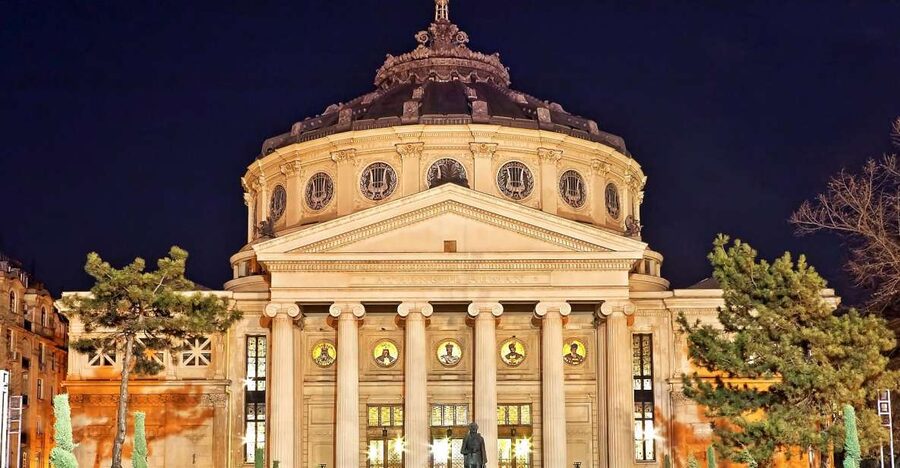
Bucharest can seem like several cities placed side by side. Communist-era blocks, Orthodox churches, ornate villas, modern cafés, and battered historic buildings all occupy the same urban space.
This tour gives that mixture a clear time period and a human story. Its focus is the late 19th and early 20th centuries, when Bucharest enjoyed a period of peace and prosperity known as the Belle Époque. King Carol I helped shape the city, while royal links with European rulers encouraged closer ties with Western culture.
You are not simply looking at pretty facades. You are tracing how the city’s wealthy residents spent their evenings, where artists met, how Parisian styles reached Romania, and why Bucharest developed such an unusual blend of Western and Eastern influences.
That context matters. Neoclassical buildings can otherwise blur together after an hour. A guide who explains which places served music, fashion, politics, dining, or entertainment gives the street a social life.
A few more Bucharest day trips to weigh up
- Bucharest: Dracula’s Castle, Peles Castle, & Brasov Old Town
★ 4.5 · 17,858 reviews - Bucharest: Dracula Castle, Peles Castle & Brasov Old Town
★ 4.6 · 10,891 reviews - Bucharest: Dracula’s Castle, Peleș Castle & Brașov Day Trip
★ 4.5 · 5,919 reviews
Starting along Victory Avenue
Victory Avenue, or Calea Victoriei, is the tour’s grand opening chapter. It is often compared with the Champs-Élysées, though you should not expect an exact Romanian copy. The comparison points to its role as one of Bucharest’s most important and elegant streets, lined with major buildings and linked to the city’s public life.
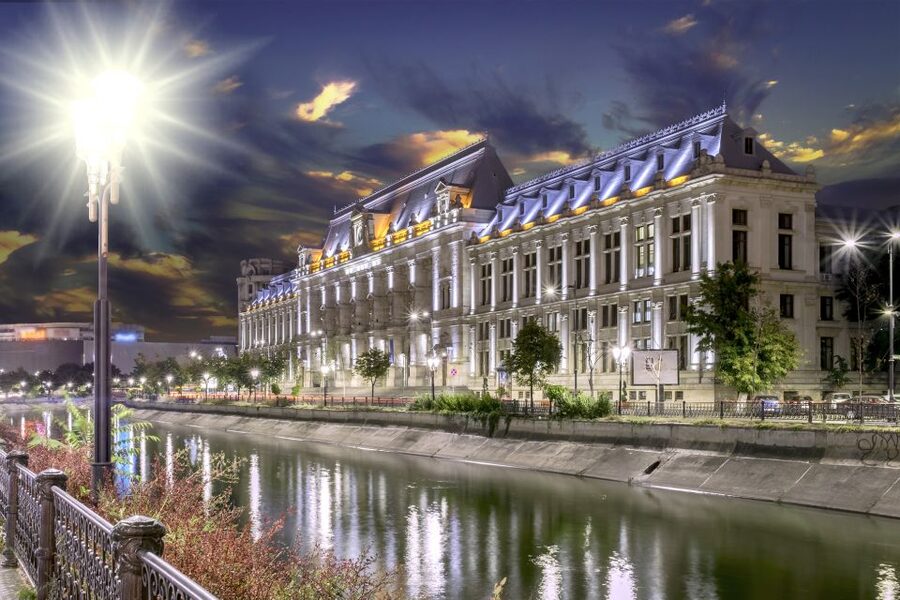
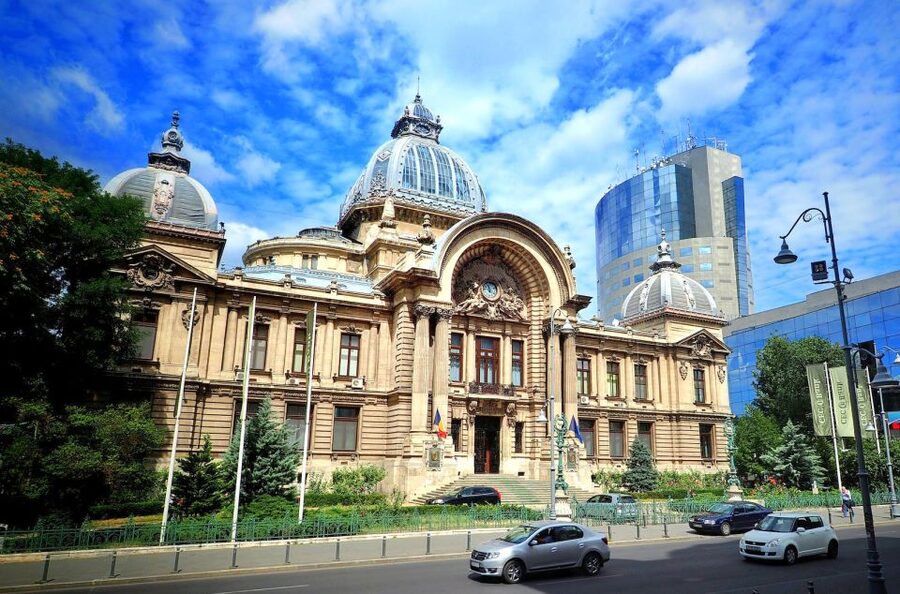
The route highlights architectural styles that arrived during Bucharest’s period of cultural growth. You can expect to see Neoclassical, Art Nouveau, Baroque, Byzantine, and local Brancovenesc influences. The appeal is in the combination. A European style may appear beside a Romanian decorative detail, creating the mixed character that earned Bucharest its Paris of the East nickname.
I find this part most useful when you pay attention to contrasts. The guide can explain why one building feels formal and classical while another has more decorative curves or local motifs. You begin to read the city rather than simply photograph it.
Because this is a walking tour supported by car pickup and drop-off, wear comfortable shoes and expect the route to include outdoor sightseeing. The exact balance between walking and driving is not specified, so anyone with mobility concerns should confirm the details when booking, even though the activity is listed as wheelchair accessible.
Palaces, royal power, and public ambition
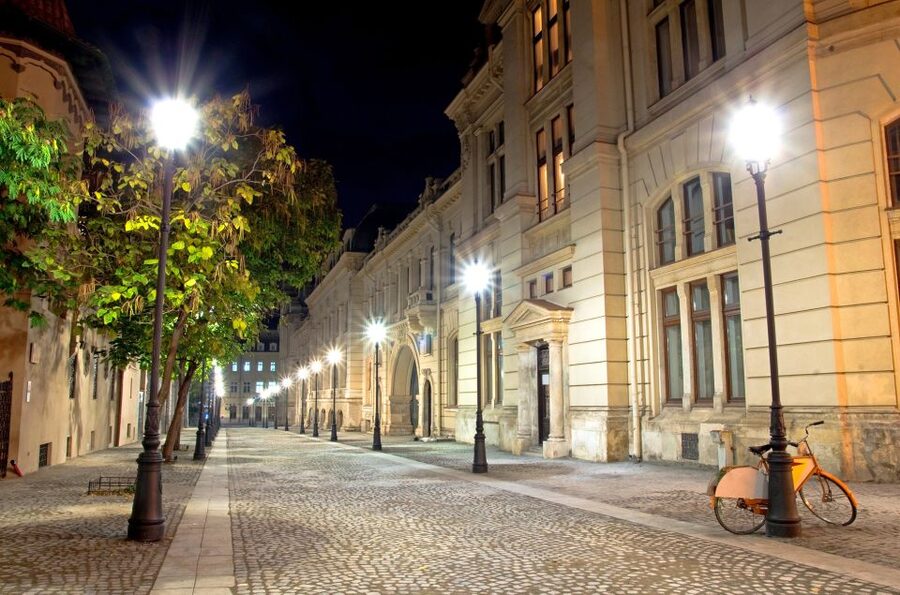
The grand buildings along the route reflect more than personal wealth. They show a young modernizing kingdom trying to present itself as part of Europe.
One stop concerns the palace of a famous 20th-century composer. This brings music into the story before you reach the Athenaeum, and it helps explain why Bucharest’s cultural life was so important to its upper classes.
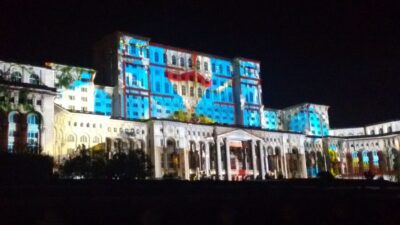
The former Royal Palace adds a political layer. Here, the city’s architectural story connects with the monarchy and the ambitions of King Carol I. You can expect the guide to use these buildings as places to discuss the people who shaped Bucharest, rather than treating them as isolated monuments.
The tour does not promise entry into every building, and that is an important distinction. Much of the experience is about seeing the exteriors and understanding their place along the avenue. If your priority is museum interiors or long visits inside palaces, this may feel less satisfying than a dedicated museum tour.
For a first look at Bucharest, though, the outside perspective works well. You cover more ground and see how the major buildings relate to one another in the city center.
The Athenaeum and Bucharest’s cultural boom
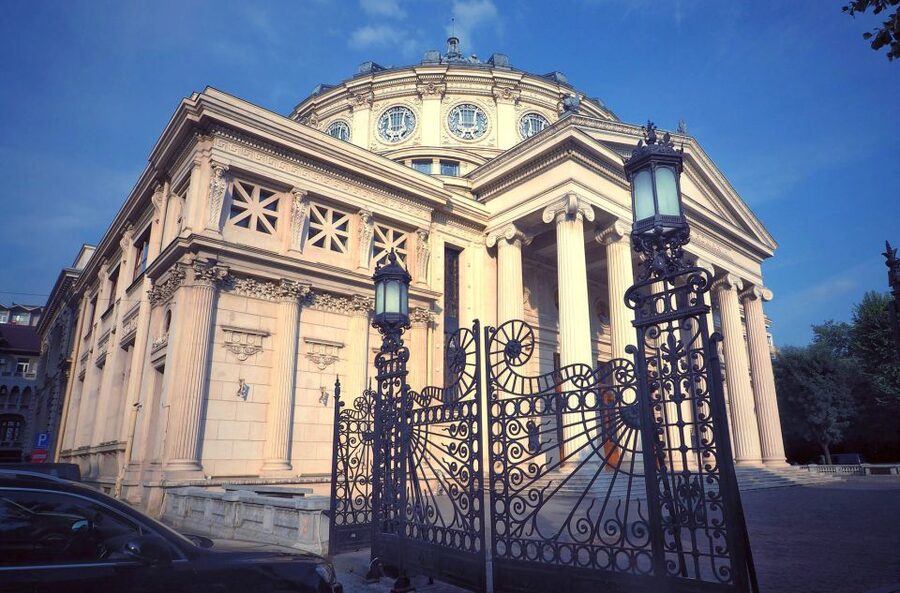
The Romanian Athenaeum is one of the key cultural stops. The building represents the city’s love of music, public performance, and civic refinement during the Belle Époque.
The important point is not only its appearance. The Athenaeum helps explain how Bucharest’s cultural ambitions became visible in public buildings. The city wanted concert halls, theaters, restaurants, galleries, and grand meeting places that could support a growing social and artistic scene.
Your guide can place the Athenaeum beside the palace and commercial stops on the route. Together, they show the range of Belle Époque life: royal authority, artistic achievement, elite dining, and fashionable shopping.
This is also one of the places where a personal guide earns the cost of a private tour. You can ask how the building fits into Romania’s national story, or focus on architecture if that interests you more. With a fixed group tour, the guide would need to keep moving. Here, the conversation can adjust to your pace, within the four-hour limit.
Same corner of the country, a completely different day out:
- Bucharest: Palace of Parliament Tickets and Guide
★ 4.3 · 3,182 reviews - Bucharest: Day Trip to Dracula Castle, Peles Castle & Brașov
★ 4.4 · 3,049 reviews - Bucharest to Dracula Castle, Peles Castle and Brasov Guided Tour
★ 4.5 · 2,933 reviews - Bucharest: Palace of Parliament Tickets and Guided Tour
★ 4.4 · 1,877 reviews
Capsa, Lafayette, and the business of being fashionable
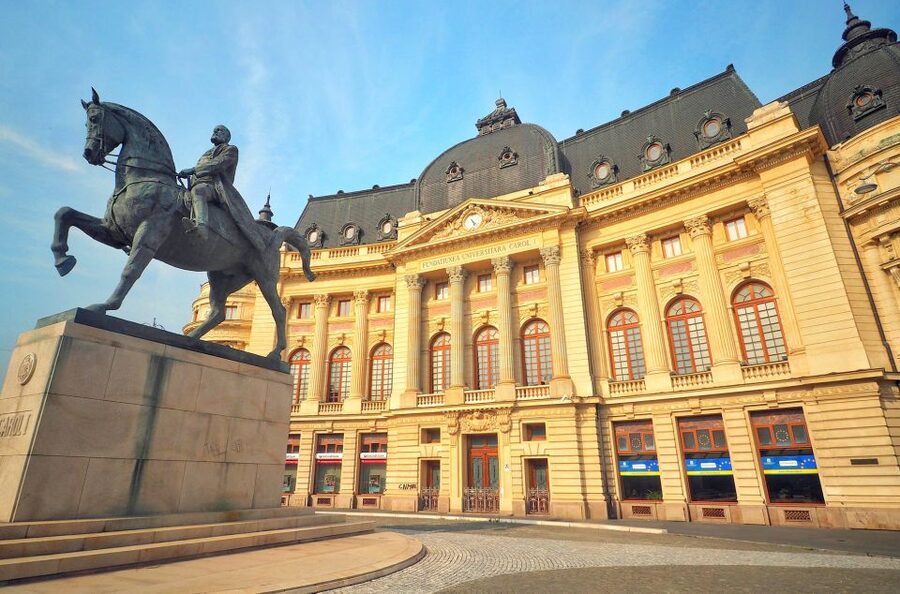
The former Capsa Restaurant represents the meeting point of food, status, and ideas. It was associated with noblemen and artists, making it a useful window into the city’s social circles.
You can think of Capsa as more than a place to eat. A famous restaurant can function as an unofficial salon, where people exchange news, make connections, argue about art, and display their social position. That makes this stop especially helpful if you want to understand daily life rather than only admire architecture.
The former Lafayette Galleries show another side of the same world. They provided the latest Parisian fashion, allowing Bucharest’s well-dressed residents to follow Western trends without leaving the city.
Together, Capsa and Lafayette tell a tidy story about consumption and identity. One building served the social life of the elite, while the other helped shape how that elite looked in public.
These stops also make the route more concrete. Tango and Charleston dances, balls, jockey clubs, fringed dresses, and secret love letters can sound like decorative period details. Connected to restaurants, shops, and public buildings, they become clues to how people actually spent their time.
Entering the Old City on cobbled streets
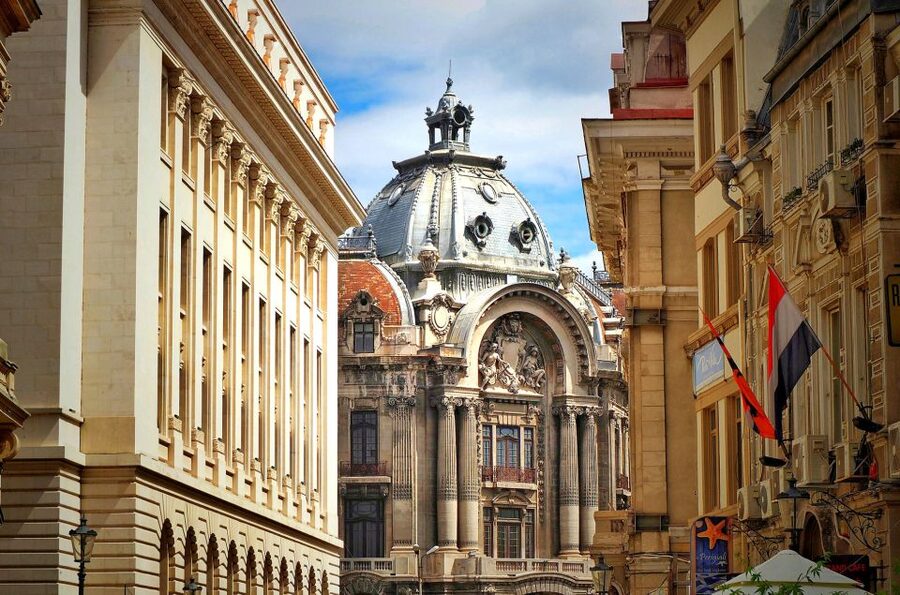
The tour then moves into Bucharest’s Old City, where the mood changes quickly. The grand avenue gives way to a large pedestrian area with cobblestone streets, old street lamps, historic houses, cafés, bistros, and lounges.
This is where the Belle Époque theme becomes more informal. Instead of looking only at monumental buildings, you see the smaller settings of urban life. Former inns and beer houses connect the present to traditions that have lasted for a century. Some venues occupy 18th-century houses, while street musicians and café terraces add a modern layer.
The Old City is not a preserved period set. It is an active part of Bucharest, and that means the atmosphere can be livelier and less polished than the formal avenue. I consider that a strength. You get a city with wear, renewal, commerce, and nightlife rather than a neat historical display.
The cobblestones may be uncomfortable for some walkers, and cafés or entertainment venues can make the area feel less quiet than the palace district. Still, this portion gives the tour its strongest sense of place.
Former cabarets, theaters, dance halls, and beer houses
The Old City portion also explores the places that entertained Bucharest a century ago. Former cabarets, theaters, and dance halls bring the period’s social energy into focus.
This is a useful counterweight to the royal and aristocratic buildings. The Belle Époque was not only about kings, composers, and fashionable restaurants. It also involved dancing, performances, drinking, flirtation, and the public rituals of city life.
The tour’s language evokes tango, Charleston, ball permits, jockey clubs, fringed dresses, and secret correspondence. These details give the guide room to describe the customs and expectations of the time. You can ask questions about how public entertainment differed from private social life, though the supplied information does not promise a performance or entry into every former venue.
Some old beer houses and inns continue traditions that reach back roughly a century. That continuity is valuable because it connects historical Bucharest with the places you see operating today. You are not only looking at what disappeared. You are also seeing how certain kinds of hospitality survived.
What the guide adds to the buildings
A self-guided walk along Victory Avenue would show you impressive architecture. It would not necessarily explain why each building mattered or how the parts fit together.
The guide is the main reason to choose this experience over a simple map-based stroll. The strongest praise attached to Michael concerned the stories behind the buildings and information about Romania. Emma was described as personable and well informed about her city and country. Those comments point to the kind of guide you want here: someone who can turn facades into people, institutions, rivalries, habits, and cultural change.
The names do not guarantee that either guide will lead your booking. They do, however, give you a useful sense of the intended approach. Expect a conversational tour rather than an audio-guide circuit, with room for questions in English or Romanian.
Since this is a private group, the experience should suit you if you prefer to set the tone. Ask for more architecture, more royal history, more cultural life, or more background on the Old City. The guide can focus on your interests more easily than on a large mixed group.
Is $104 per person a fair price?
At $104 per person, the cost is not the cheapest way to see central Bucharest. The value depends heavily on your group size and what you want from the visit.
For a solo visitor, the price may feel high for four hours of mainly outdoor sightseeing. For two people, a family, or a small private group, the cost buys more than a walk. You receive hotel pickup and drop-off by car, a professional English-speaking guide, and a route built around connected historical themes.
The private format is particularly useful on a first day in Bucharest. You can get your bearings, learn which areas deserve more time, and ask practical questions about the city. It also avoids the stop-and-start rhythm of a large group.
Meals and snacks are not included. That is easy to manage in the Old City, where the route passes cafés, bistros, lounges, inns, and beer houses. Plan to pay separately if you want to sit down for food or a drink.
I would choose this tour when personal attention and historical explanation matter more than visiting a long list of interiors. If you want a low-cost orientation walk, the price may be difficult to justify.
Who will enjoy this Bucharest tour most?
This experience suits first-time visitors who want the city’s central story in one well-shaped morning or afternoon. It also works for couples and families who prefer a private guide and flexible conversation.
You will get the most from it if architecture, royal history, music, fashion, restaurants, and old city life all sound interesting. The route is broad rather than narrowly academic, so you can move from the Athenaeum to Capsa, from royal buildings to old beer houses, without changing tours.
History-minded visitors should appreciate the Belle Époque focus, but you do not need specialist knowledge. The guide’s job is to explain the period in plain terms and show how social life shaped the buildings.
It may be less suitable if you want a food tour, a nightlife tour, or a museum-heavy visit. Food is not included, and the program emphasizes streets, buildings, stories, and cultural settings. Also, because the tour lasts four hours, it offers an introduction rather than a complete study of Bucharest.
The activity is listed as wheelchair accessible, but the route includes cobblestone streets and a pedestrian historic district. Confirm the practical details of the walking portion before booking if smooth surfaces and seating are important to you.
Booking details that matter
The tour lasts four hours, with starting times available according to the date you select. Hotel pickup and drop-off are included by car. For a hotel pickup, wait in the lobby near reception. For an apartment pickup, wait downstairs in front of the accommodation.
Guiding is available in English and Romanian. The activity is private, so your party is not combined with a larger group. You can cancel up to 24 hours ahead for a full refund, and the reserve-now, pay-later option keeps payment from being due at the time of booking.
The practical advantage is simple: you can begin and end at your accommodation, then spend the tour walking the city’s central historic areas instead of arranging local transport yourself.
Should you book the Charm of the Belle Époque tour?
Book it if you want Bucharest explained through the people and places that shaped its most European period. The route brings together Victory Avenue, the Athenaeum, the former Royal Palace, Capsa, Lafayette, and the Old City in a single four-hour story.
I would especially recommend it to visitors who value a private guide, hotel transfers, and conversation over the lowest possible price. Michael and Emma’s strong personal impressions suggest the guide can be the highlight, particularly when the stories behind the buildings come alive.
Skip it if you mainly want restaurant tastings, museum entry, or a budget walk. For everyone else, this is a useful and atmospheric introduction to Bucharest, with enough architecture and social history to help you see the capital with sharper eyes for the rest of your stay.
FAQ
How long does the Belle Époque tour last?
The tour lasts four hours.
Is the tour private?
Yes. It is offered as a private group experience.
Which languages are available?
The live guide is available in English and Romanian.
Does hotel pickup and drop-off come with the tour?
Yes. Hotel pickup and drop-off by car are included. At a hotel, wait in the lobby near reception. At an apartment, wait downstairs in front of the accommodation.
Are meals or snacks included?
No. Meals and snacks are not included in the price.
Is the tour wheelchair accessible?
Yes, the activity is listed as wheelchair accessible.
Can I cancel for a full refund?
Yes. You can cancel up to 24 hours in advance for a full refund.
Just added around Bucharest
- 4-Day Inside Transylvania & Transfagarasan Tour from Bucharest★ 5.0 · 3 reviews
- Private 8 Day Romania UNESCO Tour★ 5.0 · 3 reviews
- 10-Day Private Tour of Romania with Pick Up★ 5.0 · 3 reviews
- Bucharest: VIP Dining, Limo ride & Clubbing★ 4.7 · 3 reviews
- Bucharest Highlights Half-Day City Tour with Pickup★ 5.0 · 3 reviews
- Bucharest 1989 Revolution Walking Tour with Smartphone App★ 3.9 · 3 reviews
- Probably the Best Restaurant and Wine Cellar near Bucharest★ 4.5 · 3 reviews
- 3 Days Private Tour Wallachia and Transylvania from Bucharest★ 5.0 · 3 reviews
Bucharest Tours, compared.
Dracula’s Castle, Peles Castle, & Brasov Old Town
Read our review →
Dracula Castle, Peles Castle & Brasov Old Town
Read our review →
Dracula’s Castle, Peleș Castle & Brașov Day Trip
Read our review →
Day Trip to Dracula Castle, Peles Castle & Brașov
Read our review →
Bucharest to Dracula Castle, Peles Castle and Brasov Guided Tour
Read our review →