
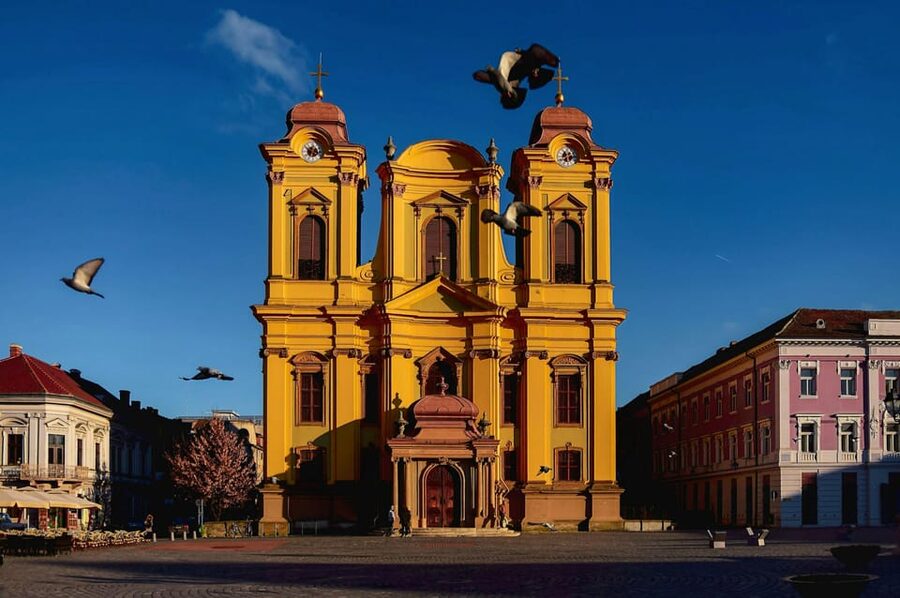
Reviewed · TIMIȘOARA TOURS
Timisoara: Private Walking Tour with a Local Guide
Timișoara’s story is unusually easy to follow on foot. In 2.5 hours, this private tour links the city’s four main squares with its grand buildings, cathedral, parks, and the events of the 1989 Anti-Communist Revolution. The city’s 2023 European Capital of Culture title gives the walk a useful frame, but the real appeal is seeing how older layers still shape daily life.
I like the private format because your guide can set the pace and explain details without a large group crowding the pavement. I also like the clear historical arc, from medieval Timișoara to its role as a link between Europe and Russia. One possible drawback is the brisk length: 2.5 hours gives you a strong introduction, but not time for long interior visits or a slow look at every building.
Key points to know before you book
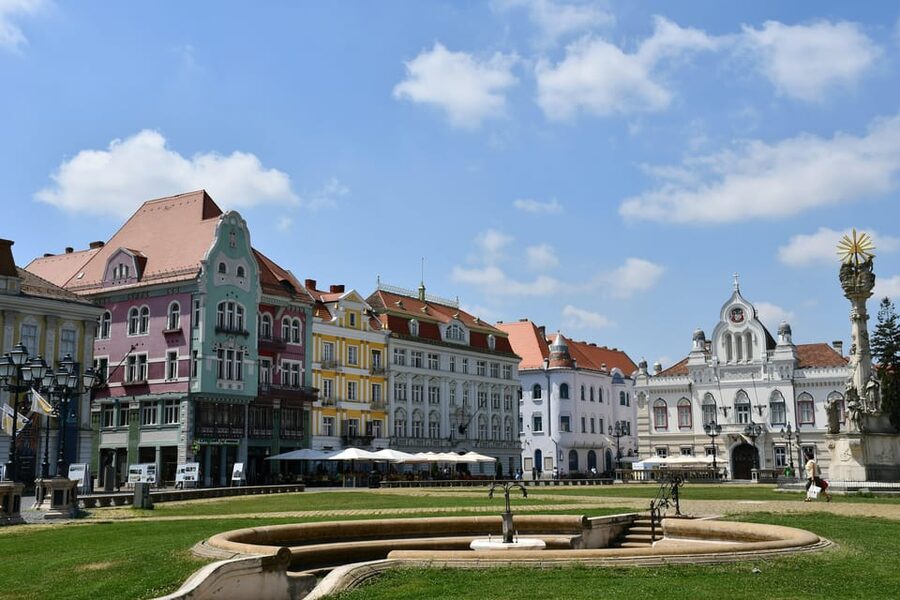
- Four central squares in one walk: The route gives you a practical way to understand Timișoara’s city center rather than seeing isolated sights.
- A private guide for your group: You can ask questions and keep the walk focused on your interests.
- History from medieval times to 1989: The tour connects major turning points instead of treating the city as only an architectural stop.
- Architecture, cathedral, and parks: You get a mix of built sights and open public spaces.
- Several language choices: Tours are offered in English, Italian, Spanish, Romanian, German, and French.
- A useful first-day activity: The central meeting and return point make this a sensible way to get your bearings.
Why Timișoara makes a good walking tour city
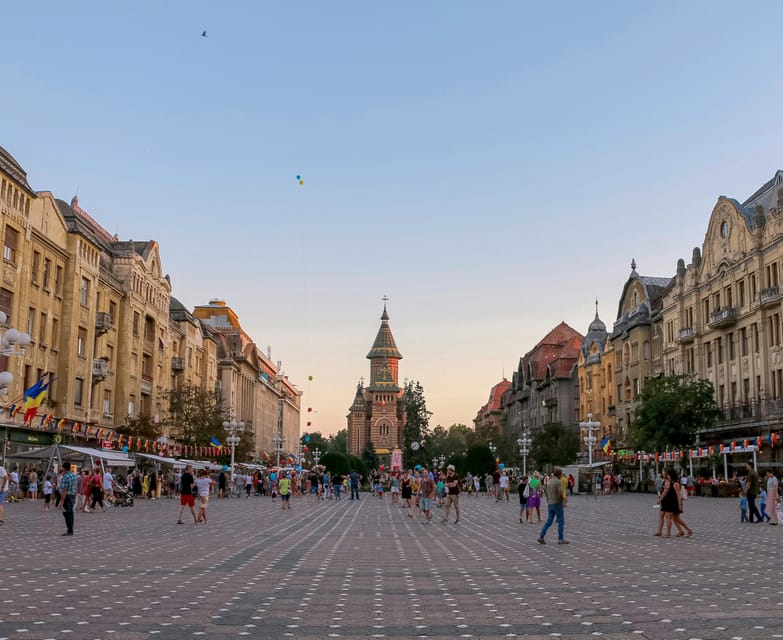
Timișoara is the kind of place that rewards someone who explains what you are looking at. A handsome façade may reflect several periods of rule, while a square can carry both civic ceremony and painful modern memory. Without context, you may simply see attractive buildings. With a guide, the city’s changes become easier to read.
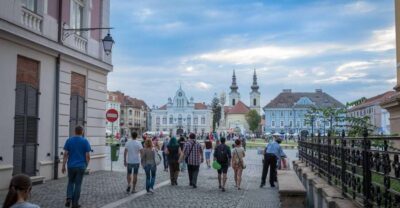
The tour focuses on the center, where four principal squares create a natural framework. That matters because you are not just ticking off disconnected monuments. You are moving through a compact sequence of public spaces, each helping you understand how Timișoara developed and how its identity changed over time.
I would use this walk early in a stay. It gives you a map in your head, points out the city’s main architectural sights, and supplies background for later visits. It also helps you decide where you want to return for photographs, a quiet pause, or a closer look.
More walking tours in Timisoara:
- Timisoara All in One – Walking and Tram Tour
★ 5.0 · 72 reviews - Timisoara: Guided Walking Tour
★ 4.9 · 38 reviews - Timișoara Highlights – Walking Tour
★ 5.0 · 28 reviews
Starting at Piața Victoriei 8
The meeting point is Piața Victoriei 8, and the walk returns to the same address. This simple arrangement is helpful. You do not need to find a second end point across town, and you can plan a café stop, shopping, or another activity after the tour without arranging transport.
You receive more precise meeting details and guide information the day before departure. Keep your phone available for that update, especially if you are unfamiliar with central Timișoara. Since the activity is entirely on foot, arrive ready to begin rather than expecting a vehicle transfer or a ticket line.
A private meeting point also gives the guide a chance to tailor the opening. You may want a broad introduction to the city, while another member of your group may care more about architecture or the 1989 Revolution. The format should make those questions easier to handle than they would be in a large public group.
The four squares, the tour’s main structure
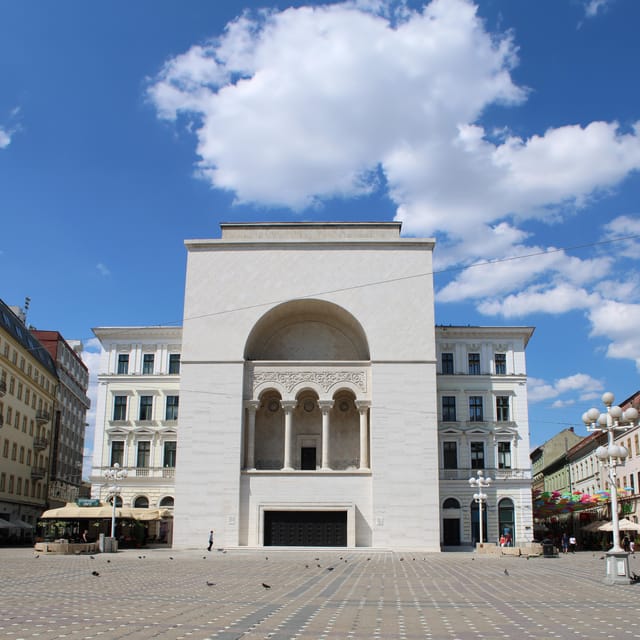
The four main squares are the backbone of the experience. The supplied details do not name each square or promise a fixed order, so I would think of them as four connected stages rather than four separate attractions.
At each stop, you can expect the guide to explain the buildings around the space, the square’s place in the city, and how it fits into the wider timeline. This is where the private format has its best use. If a façade catches your eye, you can stop for a question. If your group already understands one period, the guide can spend more time on another.
The walk also gives you a chance to compare the city’s public spaces. A square can feel formal and monumental, while a nearby park offers a softer, more relaxed setting. Seeing both in one route helps you understand why the center is more than a collection of old buildings.
Bring a camera, but do not spend the whole walk looking through it. The value here is the explanation of how places connect. You can always return to your favorite square for better photographs after the guide has finished.
Timișoara’s buildings and cathedral
Architecture is one of the tour’s main attractions. You will see the city’s most important buildings and the cathedral, with the guide explaining the cultural and historical setting around them. Specific interior access is not included in the supplied details, so plan on viewing the sights from the outside unless your guide tells you otherwise.
That distinction matters. A walking tour is often best for reading a city’s streets and façades, not for spending twenty minutes inside every major building. If you want museum visits, religious interiors, or long architectural study, you will likely need extra time before or after the tour.
The cathedral adds a different note to the route. Even if you are mainly interested in architecture, religious buildings often help explain a city’s communities and public life. You can ask your guide how the cathedral fits into Timișoara’s wider story, rather than treating it as a quick photo stop.
The tour promises surprising architecture and curiosities, but it does not list each building in advance. That can be a benefit if you like discovery, though it is less useful if you want a tightly specified monument-by-monument itinerary. Ask the guide at the start which buildings will receive the most attention.
A few more Timisoara day trips to weigh up
- The Classic Tour of Timisoara
★ 5.0 · 154 reviews - Weekly Guided Tour in English – Tuesday, Thursday, Saturday
★ 5.0 · 84 reviews - Day trip to Corvin Castle and Sibiu (and back) from Timisoara
★ 5.0 · 30 reviews - Danube Gorge & Banat Waterfalls
★ 5.0 · 27 reviews
Parks and the changing feel of the center
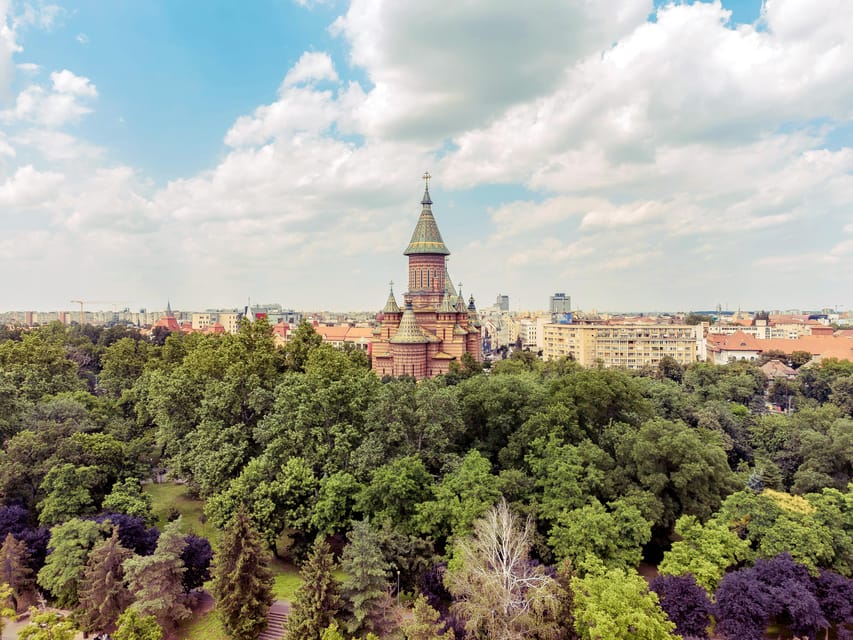
The route includes scenic parks around the central area. These spaces provide welcome breathing room after a run of formal façades and busy civic squares. They also show how Timișoara’s center works as a place for daily life, not just sightseeing.
I like this balance. Many city walks stay locked onto monuments and forget that public spaces reveal local habits just as clearly. Parks let you slow down, notice the city’s rhythm, and consider how the historic center is used now.
Do not expect a nature excursion. The parks are part of an urban walk, and the activity remains focused on the central city and its story. Still, they make the route more varied and give you natural moments to pause while the guide explains the next part of Timișoara’s past.
From medieval beginnings to the 1989 Revolution
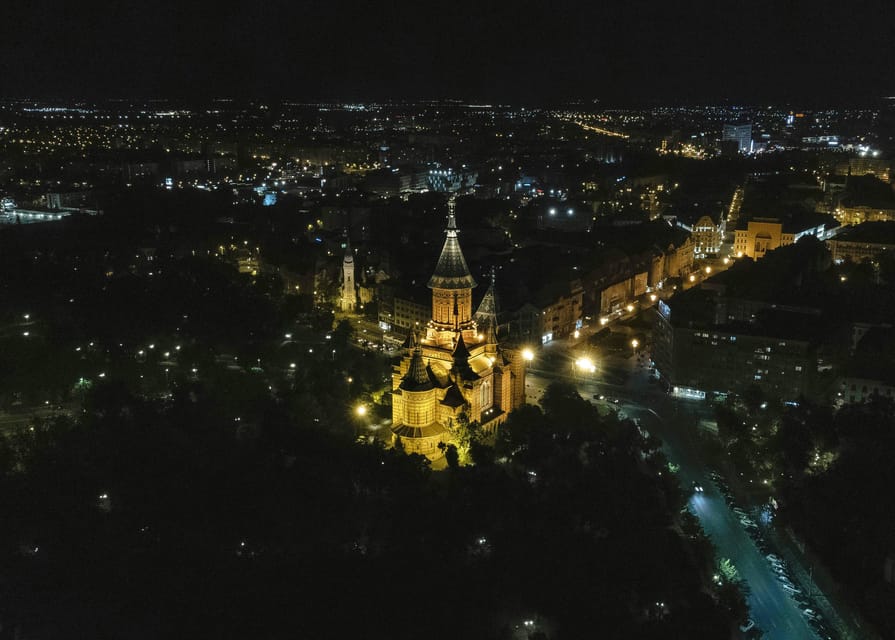
The historical timeline is one of the strongest reasons to book this experience. The guide covers key events from medieval times through the 1989 Anti-Communist Revolution, giving you a broad outline rather than a narrow architectural lecture.
That long view helps put the city’s location into context. Timișoara developed as an important connection between Europe and Russia, and its culture reflects contact across borders and political systems. The guide can explain that role in a way that a plaque or guidebook paragraph cannot.
The modern section is especially important. The 1989 Anti-Communist Revolution is not treated as a distant footnote, but as a key part of the city’s identity. You should come prepared for a serious change in tone. The earlier parts of the walk may focus on buildings, squares, and urban development; the revolution section deals with political change and public action.
I would ask questions here. How did the city’s central spaces figure in the events? Which locations matter most to local memory? The private setting gives you room to ask without slowing a large group or feeling that you are taking over the tour.
What private really means here
This is a private group experience, so the guide is reserved for you and your companions rather than shared with strangers. That usually matters most in three ways: pace, questions, and focus.
You can ask for more explanation of a period that interests you. You can also request a slower pace for photographs, within the limits of the 2.5-hour schedule. If your group includes people with different interests, the guide can shift between architecture, cultural life, and political history.
The main limit is that private does not mean unlimited. The advertised duration is fixed, and a walking route covering four squares, major buildings, a cathedral, parks, and centuries of history must keep moving. I would avoid planning a long meal or another tightly timed activity immediately afterward.
One booking was led by Marius, who was described as especially competent and friendly. Another guide received praise for precise explanations and excellent Italian. Since several guides and languages are available, the person assigned to your tour may differ. Still, those details suggest that the guide’s communication skills are a central part of the experience, especially if you book in Italian.
Is $81 per person fair value?
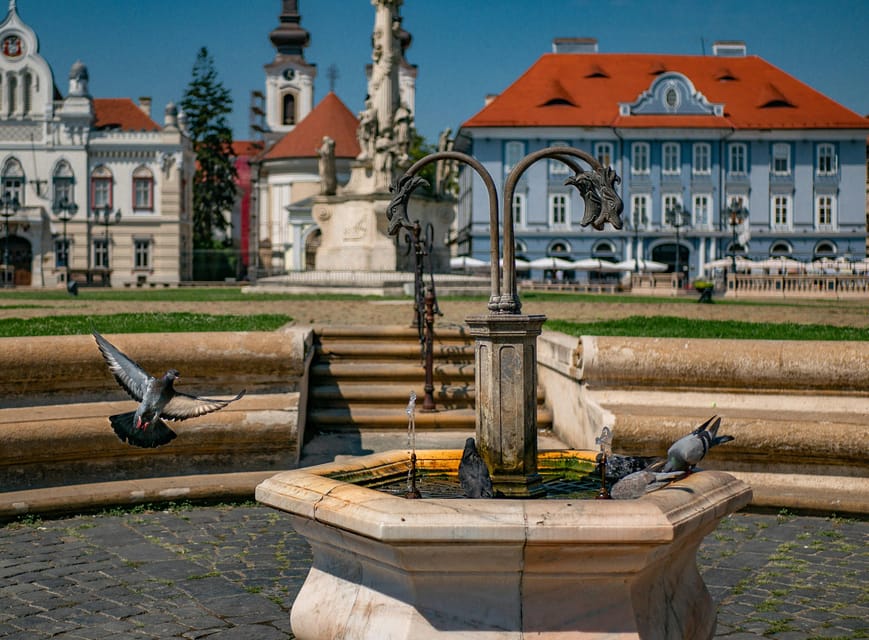
At $81 per person, this is not the cheapest way to spend a morning in Timișoara. The price needs to be judged against the private format, not against a self-guided walk.
For a couple or small group, the cost buys a dedicated guide, a focused route, and the chance to ask questions throughout. If you are already comfortable researching architecture and local history, you may feel that a free walk with a guidebook gives you enough. But if you want a clear explanation of the four squares and the 1989 Revolution, the guide adds the main value.
There are no food or drinks included. That keeps the tour focused, but you should budget separately for a café or meal. The activity also does not list entrance tickets, so do not assume that you will receive indoor access to every major building.
I see this as a good-value orientation tour for people who have limited time in Timișoara, especially if two or more people are sharing the private experience. Solo visitors should think harder about the per-person price. Your decision depends on how much you value a personal guide and how much historical context you want.
Timing, shoes, and physical demands
The walk lasts 2.5 hours. That is long enough to cover the main central story but short enough to fit into a half-day plan. You should check the available starting times when booking, since the exact departure schedule can vary.
Wear comfortable shoes. This is basic advice, but it matters more than a stylish outfit on a city walk. You will be outside for the full activity, and the route includes several squares, buildings, parks, and connecting streets.
Check the weather forecast and dress for conditions. Bring a camera, but also bring whatever you need to stay comfortable outdoors. Food and drinks are not included, so carry water if the weather is warm or plan a stop afterward.
The activity is not suitable for people with mobility impairments or wheelchair users. That is an important limitation, not a footnote. If anyone in your group needs step-free access or a less demanding route, contact the provider before booking rather than assuming the private format solves the problem.
Who will get the most from this tour?
I would recommend this walk to first-time visitors who want a strong introduction before exploring on their own. It also suits couples, families with older children, and friends who prefer asking direct questions instead of listening from the back of a large group.
History-minded visitors should find the medieval-to-1989 timeline useful. Architecture fans will appreciate the concentration of important buildings and the cathedral. The parks add variety for anyone who does not want two and a half hours of nonstop monument viewing.
The tour is also a good match for international groups. English, Italian, Spanish, Romanian, German, and French are available, so you can choose the language that lets you ask the best questions. For Italian speakers, the guide’s precise explanations and strong Italian make that option especially appealing, though guide assignments can vary.
I would be less likely to choose it if I had already spent several days studying Timișoara’s center or wanted extensive indoor sightseeing. The tour is an introduction and interpretation of the city, not a museum pass or a full-day cultural program.
Booking flexibility and the practical details
You can cancel up to 24 hours before departure for a full refund. You can also reserve now and pay later, which helps if your route through Romania is still changing.
The meeting and return point is Piața Victoriei 8. More exact meeting details and guide information arrive the day before departure. Keep the 2.5-hour duration in mind when arranging trains, meals, or other reservations.
The tour includes the expert local guide, the private walking format, the historical presentation, and visits to the four main squares. Food and drinks are not included. Comfortable shoes, suitable clothing, and a camera are the useful basics to bring.
Should you book the Timișoara private walking tour?
Book it if you want a personal introduction to central Timișoara with a guide who can connect architecture, public spaces, and the 1989 Revolution. The private format and language choices make it more adaptable than a standard group walk, while the four-square structure keeps the route easy to follow.
Think twice if $81 per person feels high for an outdoor introduction, if you need wheelchair access, or if your main goal is extended indoor visits. For most first-time visitors who value history and direct conversation, the tour is a practical way to get oriented and understand why Timișoara became the 2023 European Capital of Culture.
FAQ
Where does the tour start?
The tour starts at Piața Victoriei 8 in Timișoara.
Where does the tour end?
The walk returns to Piața Victoriei 8.
How long does the experience last?
The private walking tour lasts 2.5 hours.
Is the tour private?
Yes. It is offered as a private group experience.
Which languages are available?
The live guide may conduct the tour in English, Italian, Spanish, Romanian, German, or French.
What sights are included?
The tour includes Timișoara’s four main squares, important city buildings, the cathedral, and scenic parks around the center.
Does the tour cover the 1989 Revolution?
Yes. The guide explains Timișoara’s history through the 1989 Anti-Communist Revolution.
Are food and drinks included?
No. Food and drinks are not included in the activity.
What should I bring?
Wear comfortable shoes, check the weather and dress appropriately, and bring a camera.
Can I cancel for a refund?
Yes. You can cancel up to 24 hours in advance for a full refund.
Just added around Timisoara
- Timisoara: Jewish Heritage Walking Tour★ 5.0 · 4 reviews
- Nera Gorge National Park – Private Day Tour from Timisoara★ 4.5 · 4 reviews
- Timisoara Downtown Dream Tour★ 5.0 · 5 reviews
- The Jewish Heritage Tour of Timisoara★ 5.0 · 9 reviews
- Day Trip to Turda Salt Mine and Corvin Castle from Timisoara★ 5.0 · 10 reviews
- Timisoara Downtown Dream Tour★ 4.9 · 12 reviews
- Timisoara: Grand Communism Tour★ 4.9 · 13 reviews
- Bite your way through Timisoara – Timisoara’s Street Food Tour★ 5.0 · 14 reviews
Timișoara Tours, compared.
Weekly Guided Tour in English – Tuesday, Thursday, Saturday
Read our review →
Day trip to Corvin Castle and Sibiu (and back) from Timisoara
Read our review →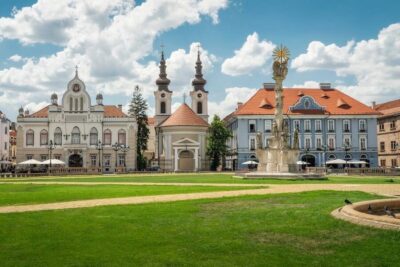

Browse the lists this tour appears in