
Reviewed · BUCHAREST TOURS
Traditions in Bucharest: Village Museum and Wine Tasting Tour
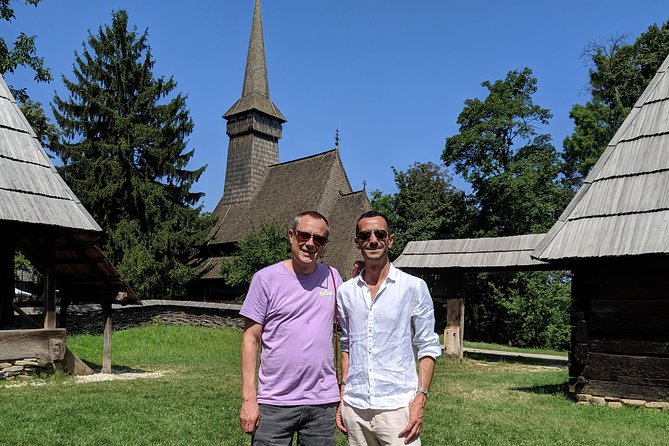
Romania’s story comes into focus at the Dimitrie Gusti National Village Museum, where cottages, churches, mills, barns, and farm tools from across the country sit along paths beside Herăstrău Park. I like that the tour gives these old buildings a human setting rather than treating them as isolated museum pieces. I also like the finish: three Romanian wines, local cheese, and sausage in a historic central wine bar.
The private format lets your guide adjust the pace and explain why a Moldavian house looks different from one in Transylvania or the Danube Delta. Guides such as Mihai Vataselu, Michael, and Emma have earned especially warm praise for clear English, lively storytelling, and thoughtful planning. The main consideration is price: at $148.19 per person, this is a premium half-day outing, though private transport, admission, guiding, and the tasting are included.
Key details to know before booking
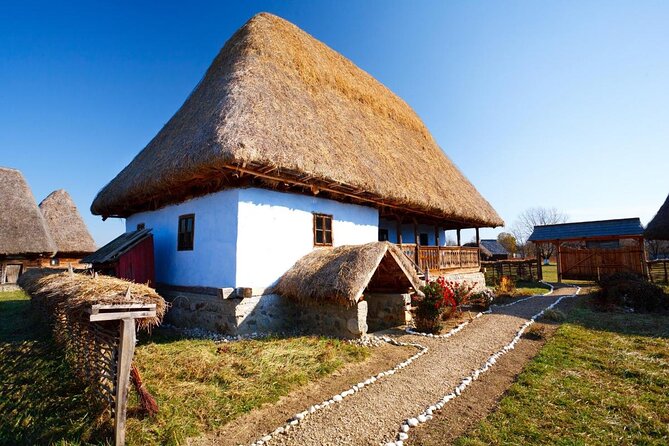
- Romania in one afternoon: The Village Museum brings together traditional buildings from all of the country’s historic provinces.
- A private English-speaking guide: Your group receives personal attention, with guides such as Mihai, Michael, or Emma leading the visit.
- Three local wines included: Taste Romanian varieties such as Fetească Neagră and Negru de Drăgășani with cheese and charcuterie.
- Hotel pickup within Bucharest: A private, air-conditioned vehicle saves you from sorting out city transport.
- Only a little walking: The stated walking total is less than one mile, though the museum is outdoors and paths may require steady movement.
- A useful central finish: The wine bar is on historic Calea Victoriei, a short walk from the Romanian Athenaeum and about 15 minutes from Old Town.
Why this tour works as a first look at Romania
Many city tours in Bucharest focus on grand buildings, political history, or the Old Town. This one takes a different route. It explains the country through ordinary homes, places of worship, household tools, regional crafts, and food.
That matters because Romania is not one single cultural block. The country’s historical regions developed their own building styles, materials, decorative habits, and rural customs. At the museum, you can see those differences in a few hours instead of traveling across the country to find them.
I especially like the link between the museum and the wine tasting. The first half shows how people lived and built. The last part introduces what the land produces today. It gives you a practical way to connect Romanian geography with Romanian food and wine.
The tour lasts about five hours. That is long enough to make the Village Museum worthwhile and still leave you with time in central Bucharest afterward. It is also short enough to fit into a busy city break, especially if you schedule it early in your stay.
More Wine Tastings in Bucharest
- Wine Tasting in Bucharest
★ 5.0 · 183 reviews - Bucharest: Private Wine Tasting Experience
★ 5.0 · 44 reviews - From Bucharest: Romanian Wine Tasting Tour
★ 4.7 · 32 reviews
Entering the Village Museum’s regional Romania
The National Village Museum is an open-air collection of traditional Romanian buildings. It is not simply a row of pretty façades. The buildings come from different parts of the country and date as far back as the 17th century.
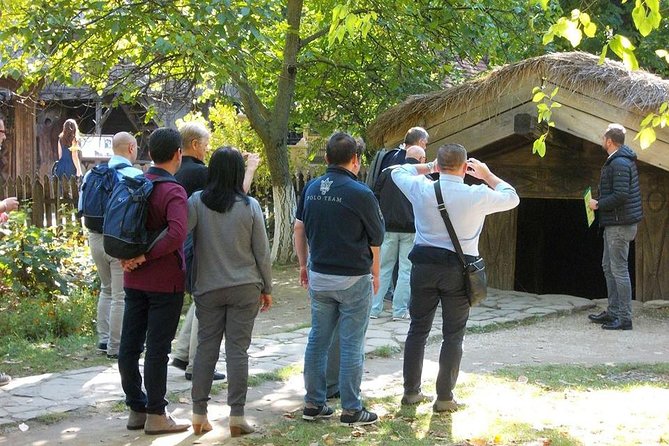
Your guide helps you read the details. A steep roof may reflect heavy snow. A thatched structure may point to local materials and farming life. A carved wooden façade can reveal regional taste and craftsmanship. Without that context, you might walk past a house, admire it, and miss the reason it looks the way it does.
Expect to see examples such as:
- Reed-roofed houses associated with the Danube Delta
- Simple, elegant homes from Moldavia and Wallachia
- Wooden houses with carved fronts from Transylvania
- Thatched barns and log cabins
- Watermills and windmills
- Wooden churches
- Oil presses
- Road crucifixes and other rural religious markers
The churches are likely to be a highlight if you care about traditional art. One account specifically praised the centuries-old churches and the paintings inside them. The museum allows you to compare religious architecture with domestic buildings, so you get a fuller picture of village life.
The guide is the key here. Mihai has used printed maps and photographs to show where structures came from and how the regions relate to one another. That sort of visual help is useful in a country whose geography and regional names can seem confusing on a first visit.
Plan for about two hours at the museum. The walking requirement is described as less than one mile, but this is still an outdoor stop. Wear comfortable shoes and bring a layer suited to the weather. The exact amount of time spent at each building can depend on your interests and walking pace.
What the museum reveals about everyday life
The strength of this stop is its scale. You are not only looking at a historic house. You are seeing homes, work buildings, tools, churches, and transport-related structures gathered into one place.
That makes it easier to understand how rural families lived and worked. An oil press tells you something about food production. A mill points to the practical demands of farming. A road crucifix shows how faith was part of the public setting, not limited to an indoor church.
I would choose this museum over a quick pass through a standard city museum if you want a clearer sense of traditional Romania. It also helps explain parts of the country you may visit later, including Transylvania, Moldavia, Wallachia, and the Danube Delta.
The experience is not designed as a fast photo stop. Your guide’s explanations add much of the value, so stay close and ask questions. The tour is private, meaning your group alone takes part. That makes it easier to pause for photos or spend extra time on a building that catches your attention.
A short stop for handmade Romanian crafts
The second stop lasts about 30 minutes at an art and craft shop on Calea Victoriei. Everything is handmade, and the selection gives you a quick look at Romanian decorative traditions.
You may see:
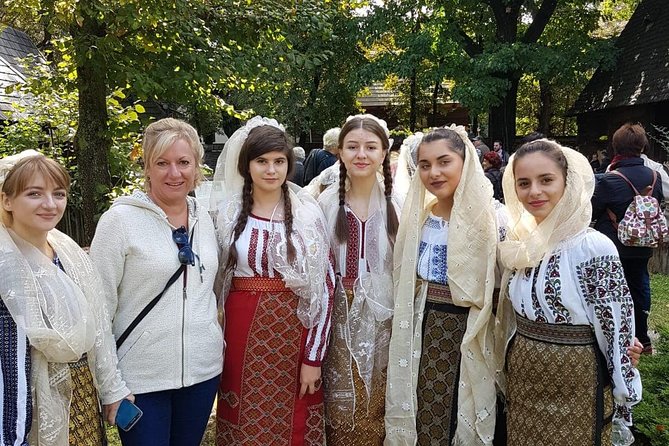
- Traditional Romanian blouses known as ie
- Glass-painted icons
- Moldavian Easter eggs
- Horezu pottery from Wallachia
- Wooden masks and small objects linked with Transylvania
- Books and Dracula-themed souvenirs
- Traditional sweets, including knot cookies and chocolate nuts
This is a brief stop, but it adds a useful shopping angle to the tour. You can connect the buildings at the Village Museum with objects still made and sold today.
It is also a reasonable place to buy a small souvenir with a clear regional identity. Handmade pottery or a painted egg has more local meaning than a generic magnet. Prices and stock are not provided, so treat this as an opportunity to browse rather than a guaranteed shopping list.
If you do not plan to shop, 30 minutes should not feel excessive. The stop is free to enter, and the short visit breaks up the museum and wine portions without taking over the afternoon.
More Romanian wine to taste:
- Wine Tasting in Bucharest long version
★ 5.0 · 22 reviews - Salt Mine, the Muddy Volcanoes and Wine Tasting Private Day Tour from Bucharest!
★ 5.0 · 16 reviews - From Bucharest: Exclusive Dealu Mare Wine Tasting Tour
★ 5.0 · 13 reviews - Traditions in Bucharest: Village Museum and Wine Tasting
★ 5.0 · 8 reviews
Tasting Fetească Neagră in central Bucharest
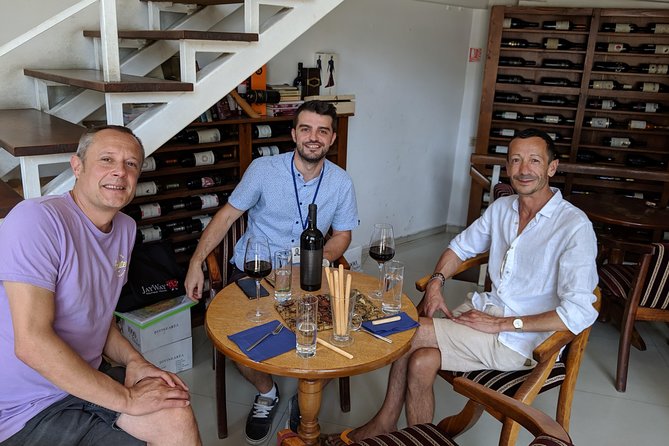
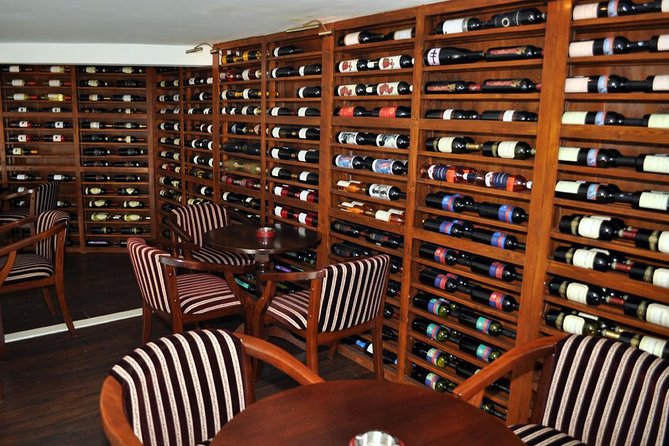
The final stop is a local wine bar in the Old Town area, on historic Calea Victoriei. Romania has more than 2,000 years of wine-making tradition and ranks among the world’s major wine producers, so this is more than a generic drink at the end of a tour.
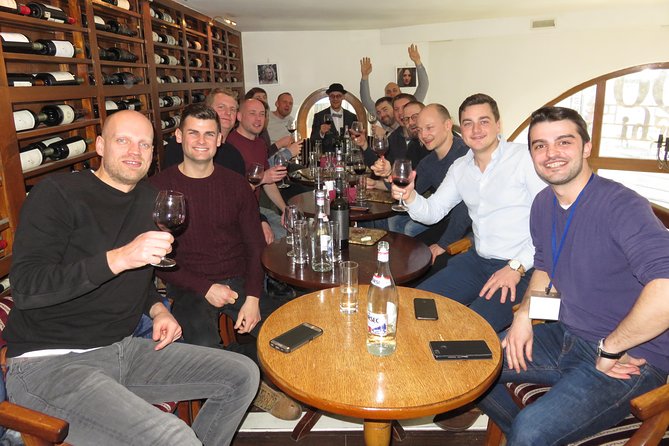
The tasting focuses on Dealu Mare, one of Romania’s best-known wine regions. You receive three glasses per person, along with a plate of traditional cheese and charcuterie. The selection introduces local grapes, including Fetească Neagră and Negru de Drăgășani.
Fetească Neagră is one of the names worth remembering. It gives you a starting point for ordering Romanian wine during the rest of your trip. The guide also explains the background of local wine and the idea of regional terroir, meaning the way soil, climate, and place shape a wine’s character.
The food makes the tasting more satisfying. Cheese and smoked sausage give you something substantial to eat, not just a series of small pours. Additional food and drinks are not included, so you can order more if you wish, but you should budget for those separately.
The tasting portion is planned for about two hours. That leaves time for conversation, questions, and a slower finish. One guide, Mihai, has been praised for combining wine knowledge with an easy personal style, which is useful when a tasting could otherwise become a dry lecture.
The official inclusion is three wines. A past tasting account described four, but you should book expecting the stated three glasses rather than counting on an extra pour.
Private transport and the value of the $148.19 price
At $148.19 per person, the tour costs more than joining a basic group walk or visiting the museum on your own. The comparison is not quite like for like.
The price includes:
- Hotel pickup and drop-off within Bucharest city limits
- A private licensed guide
- Private transportation
- An air-conditioned vehicle
- Entrance to the Village Museum
- Three wine glasses per person
- Cheese and charcuterie
For a couple or small group, the private vehicle and guide account for much of the difference. You do not need to arrange transport to the museum, negotiate city traffic, or find your way from the museum to the wine bar.
The pickup service is particularly useful in Bucharest, where traffic can be heavy and addresses can sometimes be confusing. Your guide meets you in the hotel lobby beside reception. One past booking had an accommodation address listed incorrectly, but the operator checked the location and called ahead to confirm the correct pickup point. That suggests you should provide the exact hotel name and address when booking.
The tour also ends in a practical spot. Although the listed start and end point is the Romanian Athenaeum, the actual finish is at the wine bar on Calea Victoriei. From there, you can remain at the bar, walk to the Athenaeum in a few minutes, or continue toward Old Town, roughly 15 minutes away.
The value is strongest if you want convenience and interpretation. If you are happy using public transport, reading museum signs, and arranging your own wine tasting, the price may feel high. If you want one private afternoon that handles transport and connects several parts of Romanian culture, it is easier to justify.
The guides make the difference
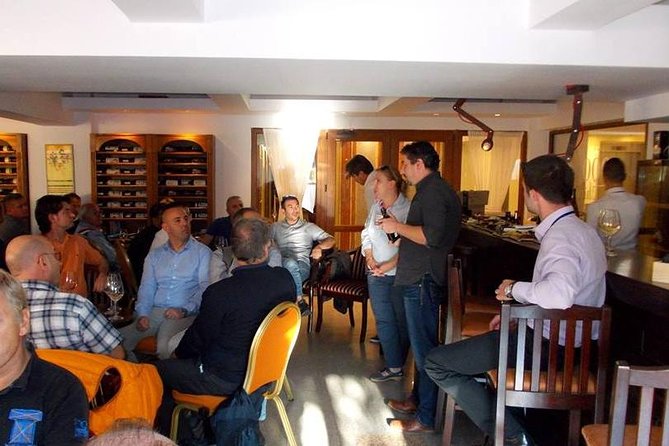
The most praised part of this experience is the guiding. Mihai Vataselu is singled out for his English, storytelling, and wide command of Romanian history, politics, architecture, food, and wine. Michael is also described as passionate and engaging, while Emma has been noted for adapting the visit to a family’s interests and Romanian ancestry.
That range matters. A good guide can turn a collection of old buildings into a story about people, place, and change. The guide can also tailor the pace. One account describes a visit adjusted for gentle walkers, and another notes that the car felt roomy and comfortable for a family with two small children.
This is not a large coach tour. Only your group participates, so you can ask about subjects that matter to you. If you have Romanian family connections, tell the company or guide in advance. Emma made one family’s visit more personal by discussing their Romanian background.
The tour is offered in English. Most people can participate, and the stated walking amount is less than one mile. The wine portion is for adults, with a minimum drinking age of 18.
Who should book this Bucharest experience
I would recommend it most strongly to first-time visitors who want cultural context without leaving Bucharest. It is also a good match for anyone interested in architecture, rural life, folk art, or wine.
Families may find the format easier than a large group outing. The vehicle is private, the museum and wine bar have been described as family-friendly, and the guide can adjust the pace. Still, the tasting includes alcohol, so families should consider how the final stop fits their group.
Couples and small groups who value a personal guide will get more from this than people who only want a quick museum visit. Wine enthusiasts will appreciate the chance to try Romanian grapes instead of sticking to familiar international varieties.
You may want to skip it if your main goal is Bucharest’s communist-era buildings, grand urban architecture, or nightlife. The tour touches central Bucharest but focuses mainly on village traditions and wine. It also may not suit anyone who dislikes organized tastings or wants a completely self-directed afternoon.
Free cancellation is available up to 24 hours before the start time. Changes or cancellations made inside that window are not refunded, so check your schedule before committing.
Should you book it?
Book this tour if you want one well-organized half-day that explains Romania through homes, churches, crafts, food, and wine. The private format, hotel pickup, and central finish make it easy to fit into a Bucharest stay.
The best reason to choose it is the guide. A strong guide such as Mihai, Michael, or Emma can give the Village Museum meaning and make the wine tasting more than a simple pour. At $148.19, it is not a budget activity, but the admission, vehicle, private attention, and tasting make it a fair choice for visitors who value comfort and context.
If you prefer independent sightseeing, visit the museum on your own and spend less. If you want a friendly, focused introduction to Romanian traditions with very little logistical work, this is a smart booking.
FAQ
How long does the Bucharest Village Museum and wine tour last?
The tour lasts approximately five hours. The Village Museum visit takes about two hours, the craft shop about 30 minutes, and the wine bar visit about two hours.
Is hotel pickup included?
Yes. Free pickup is offered from hotels and accommodations anywhere within Bucharest city limits. Your private guide meets you in the lobby beside the reception desk.
Where does the tour end?
The tour ends at the wine bar on historic Calea Victoriei. It is a few minutes’ walk from the Romanian Athenaeum and about 15 minutes from the Old Town area.
How many wines are included?
Three glasses of Romanian wine per person are included, along with a plate of traditional cheese and charcuterie. Extra food and drinks cost more.
What Romanian wines might I taste?
The tasting focuses on wines from Dealu Mare and may include local grape varieties such as Fetească Neagră and Negru de Drăgășani.
Is the tour private?
Yes. Only your group participates, and the tour includes a private licensed guide and private transportation in an air-conditioned vehicle.
Is the tour suitable for children?
Most people can participate, and the Village Museum and wine bar have been described as family-friendly. The minimum drinking age for the tasting is 18, and the stated walking distance is less than one mile.
More Food Tours in Bucharest
- Taste Bucharest: A Food Lover’s Tour of Markets & Neighbourhoods
★ 5.0 · 689 reviews - Street Food’n’Culture Tour
★ 5.0 · 209 reviews - Discover Bucharest: Private Highlights and Traditional Food Tour
★ 5.0 · 86 reviews - Bucharest Beer and Culture Tour with a Local
★ 5.0 · 47 reviews
More Wine Tours in Bucharest
- Peles & Cantacuzino Castles: Gourmet Wine & Cultural Day trip
★ 4.5 · 67 reviews - Private Tour to Salt Mine, Lunch at Winery and Dracula Grave
★ 5.0 · 60 reviews - Small-group max 7, Salt Mine, Lunch at Winery & Dracula Grave
★ 5.0 · 25 reviews - Bucharest: Romanian Wine and Food Pairing Experience
★ 4.0 · 23 reviews
Just added around Bucharest
- Private Full Day Tour of Bucharest★ 5.0 · 3 reviews
- Veliko Tarnovo and Medieval Bulgaria Private Day Trip from Bucharest★ 5.0 · 3 reviews
- Bucharest VIP Bar Crawl in Lipscani ‘Old Town’★ 5.0 · 3 reviews
- Muddy Volcanoes and Salt Mine Private Tour★ 5.0 · 3 reviews
- Bucharest Private City Tour★ 5.0 · 3 reviews
- Legends & Stories from Transylvania -2 Castles & Brasov Old Town★ 5.0 · 3 reviews
- Transfagarasan Private Tour from Bucharest – 2 Days★ 5.0 · 3 reviews
- 7-Day Dracula Tour in Romania from Bucharest including ‘The Ritual of Killing of a Living Dead’★ 5.0 · 3 reviews
Bucharest Tours, compared.
Dracula’s Castle, Peles Castle, & Brasov Old Town
Read our review →
Dracula Castle, Peles Castle & Brasov Old Town
Read our review →
Dracula’s Castle, Peleș Castle & Brașov Day Trip
Read our review →
Day Trip to Dracula Castle, Peles Castle & Brașov
Read our review →
Bucharest to Dracula Castle, Peles Castle and Brasov Guided Tour
Read our review →
Dracula’s Castle, Peles Castle and Brasov Day Trip from Bucharest
Read our review →Browse the lists this tour appears in