
Reviewed · CORVIN CASTLE TOURS
Cluj: Turda Salt Mine, Corvin Castle, Alba Carolina Tour
Turda Salt Mine feels like a surprise hidden below an ordinary Romanian town. Roman-era salt workings open into vast halls with strange salt walls, old machinery, and underground attractions. I like that this trip pairs the mine with Corvin Castle, a proper Gothic fortress, and Alba Carolina Fortress, a huge military citadel with a very different look and purpose.
I also like the small group, capped at seven, and the guides’ strong command of Romanian history. Guides such as George, Robert, Florin, Mihai, Cătălin, and Istvan have been praised for clear storytelling, safe driving, good food advice, and giving people time for photos. The catch is the schedule: 11 hours on the road and at the sights leaves only about 90 minutes at each main stop, so this is an excellent introduction rather than a slow, detailed visit.
Key points worth knowing
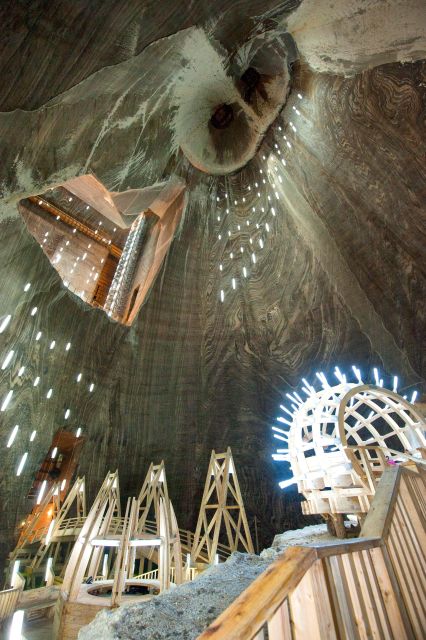
- Turda Salt Mine reaches back to Roman occupation in 107 AD, with enormous underground chambers and striking salt formations.
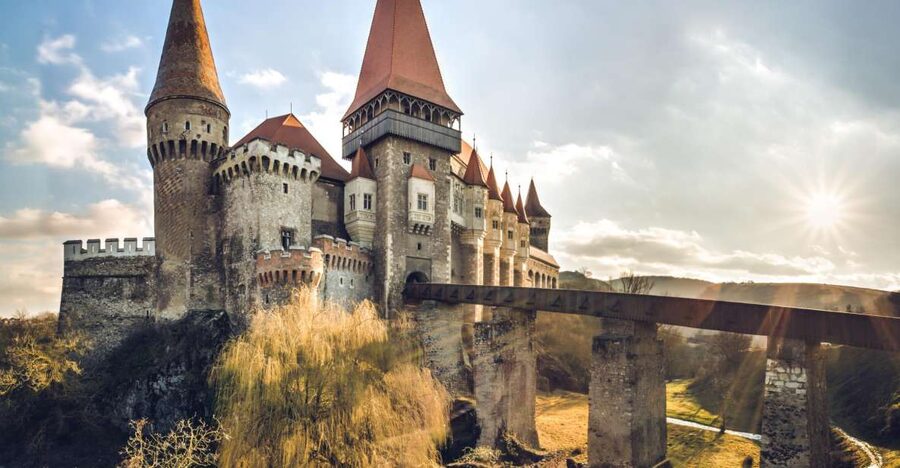
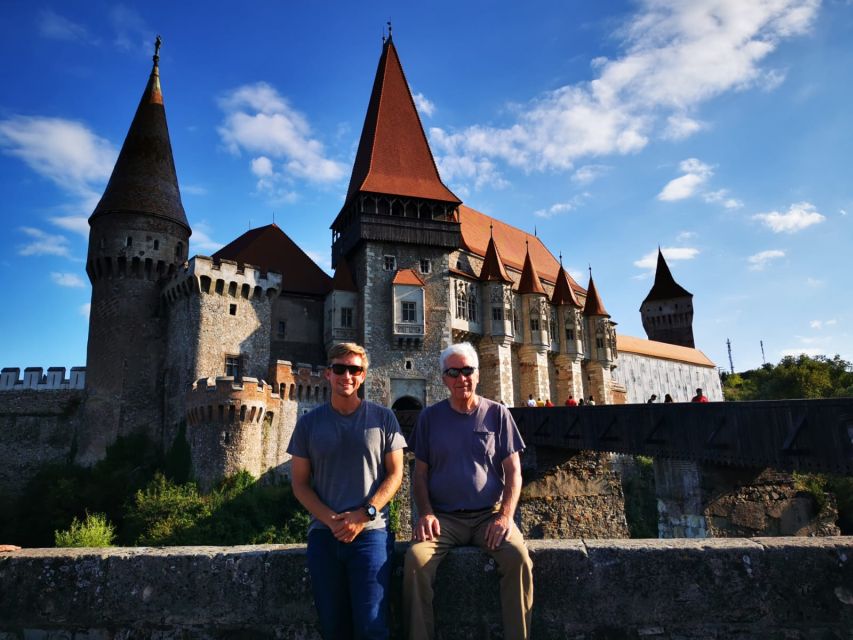
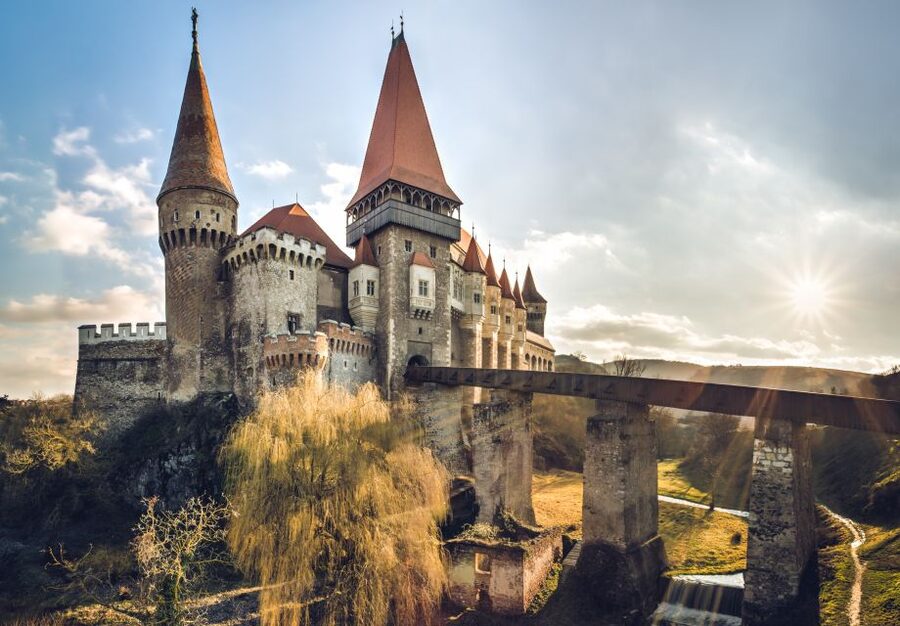
- Corvin Castle is the visual high point, with Gothic towers, courtyards, fortified walls, and a strong connection to John Hunyadi.
- Alba Carolina Fortress covers a huge area, with bastions, ramparts, churches, and courtyards tied to Romania’s 1918 unification.
- The group is limited to seven people, creating a more personal feel than a large coach excursion.
- The $140 price covers transport, an English-speaking guide, and bottled water, but not the two main entrance tickets or lunch.
- The day involves long driving and plenty of walking, so wear good shoes and skip it if you have serious back or mobility problems.
Why this Cluj day trip works
Romania is easy to underestimate if you stay only in Cluj-Napoca. The city makes a good base, but some of the country’s most memorable sights sit far beyond a simple half-day outing. This trip links three very different places in one long circuit: an underground mine, a medieval castle, and a grand military fortress.
That variety matters. You are not spending the whole day looking at similar churches or city squares. Turda gives you geology and industrial history. Corvin Castle supplies romance, warfare, and Gothic drama. Alba Carolina brings in imperial military design and modern Romanian identity.
The schedule is tightly packed, but it is sensibly arranged. You leave from the Matthias Rex Monument, near the Romano-Catholic church in Union Square, and travel first to Turda. From there, the route continues to Hunedoara for Corvin Castle and lunch, then to Alba Iulia before returning to Cluj-Napoca in the evening.
The small vehicle is a major advantage. A group of up to seven can ask questions, make short comfort stops, and keep the day more relaxed than a full-size bus tour. Several guides have also driven the route themselves, which helps when the day includes many hours on the road.
More Romanian salt mine trips:
- Turda salt mine 4h tour from Cluj
★ 5.0 · 73 reviews - Turda Salt Mine, Corvin Castle and Alba Fortress from Cluj
★ 5.0 · 65 reviews - Turda Salt Mine 4h guided tour from Cluj
★ 4.9 · 45 reviews
Going underground at Turda Salt Mine
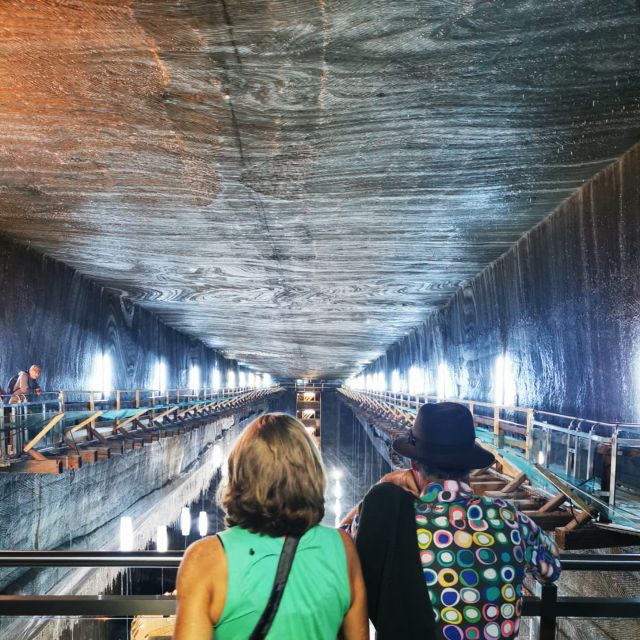
The salt mine is the most unusual stop. Salt extraction began here during Roman occupation in 107 AD, and the site continued to supply the region for centuries. That long working life gives the mine more weight than a simple underground attraction.
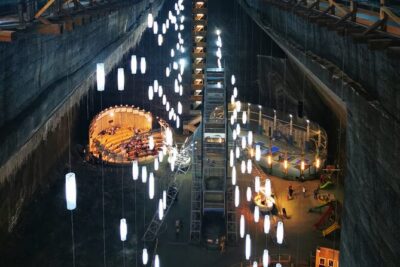
You enter a world of huge chambers, salt formations, walkways, and old mining equipment. The scale is hard to grasp from photographs. Underground spaces can feel stark and industrial in one area, then almost theatrical in another, with the salt surfaces giving the walls an unusual texture.
One especially memorable feature described by visitors is the underground lake, where you may be able to take a rowing boat. That experience is not the whole mine, but it adds a surreal touch to the visit. If the boating option is available during your visit, it can be a pleasant break from stairs and corridors.
The planned visit lasts about 90 minutes. That is enough to see the main spaces and hear the mine’s story, but you will not have time to inspect every corner at a leisurely pace. An early departure can help you avoid queues, particularly during busy periods.
Bring a jacket even on a warm summer day. Underground temperatures can feel cool, and the mine includes stairs and walking routes. Comfortable shoes matter more here than stylish ones. Sunglasses, a sun hat, and sunscreen are useful for the outdoor parts of the day, but a light jacket belongs in your bag.
The entrance fee is listed separately at 85 Romanian lei, about 17 euros. Check the current amount when booking, since attraction prices can change.
Corvin Castle and the Hunyadi story
After Turda, expect roughly two hours in the van before reaching Hunedoara. This is the longest driving stretch in the middle of the day, so the comfortable vehicle and conversation with the guide matter. The road time also gives your guide a chance to explain more about the region, local culture, and the historical figures connected with the stops.
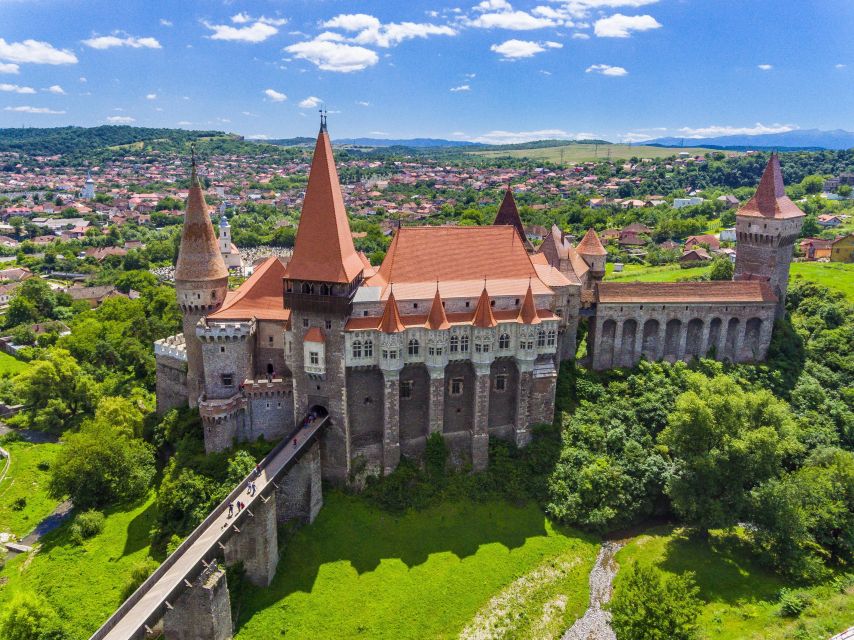
Corvin Castle has the strongest fairytale profile of the three attractions. Its towers, drawbridges, stone walls, and Gothic details make a dramatic first impression. The castle began with Voicu of Hunedoara in the 14th century and was later expanded by his son, John Hunyadi, who turned it into a major fortress.
Hunyadi’s role gives the castle more substance than a pretty exterior. The stronghold helped defend the area against the Ottoman Empire and served the Kingdom of Hungary as an important military base. Inside, you can walk through halls, chambers, and courtyards while the guide explains how the castle developed and why its defenses mattered.
The guided portion lasts about 90 minutes. That is enough for a useful orientation and a good look at the major areas, but the castle can easily absorb more time. If you enjoy medieval architecture, photography, or military history, you may wish you had another hour here.
That is the most consistent limitation of this day trip. You see three major places, but none receives a full, unhurried visit. The benefit is reach. From Cluj, you can see Corvin Castle without arranging a separate overnight trip or dealing with regional transport. The cost is a little less time inside the castle itself.
The entry fee is not included and is listed at 50 Romanian lei, about 10 euros. Keep cash or a payment method available for both paid attractions, and remember that the two fees together are separate from the $140 tour price.
Lunch in Hunedoara keeps the day moving
Lunch is scheduled for about an hour in Hunedoara. It is not included, which gives you some choice over how much you spend. Guides have recommended traditional Romanian food, and one particularly useful warning concerns garlic: some local dishes are generous with it.
An hour is enough for a proper meal if the group keeps to the timetable. It is not enough for a long restaurant experience with several courses and a leisurely coffee. I would treat lunch as a practical pause between the castle and Alba Iulia rather than a central feature of the tour.
This stop also breaks up the driving. After walking around the castle, you can sit down, eat, and reset before the final major sight. Ask your guide for help choosing a local dish if Romanian menus are unfamiliar. Guides such as George and Florin have been praised for food suggestions as well as historical explanations.
More Corvin Castle trips:
- Turda Salt Mine and Hunedoara Corvin Castle from Cluj
★ 5.0 · 12 reviews - Turda salt mine and Corvin Castle day tour from Cluj
★ 5.0 · 9 reviews - Sibiu: Alba Iulia and Corvin Castle Guided Tour
★ 4.7 · 66 reviews - Exclusive Tour: Corvin Castle, Alba Iulia and traditional villages from Sibiu
★ 5.0 · 33 reviews
Alba Carolina Fortress and Romania’s national story
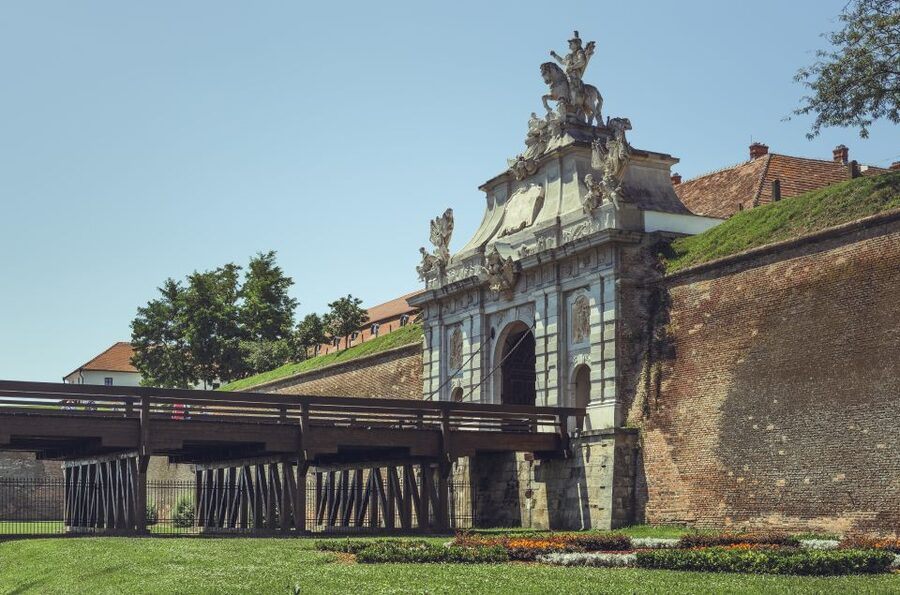
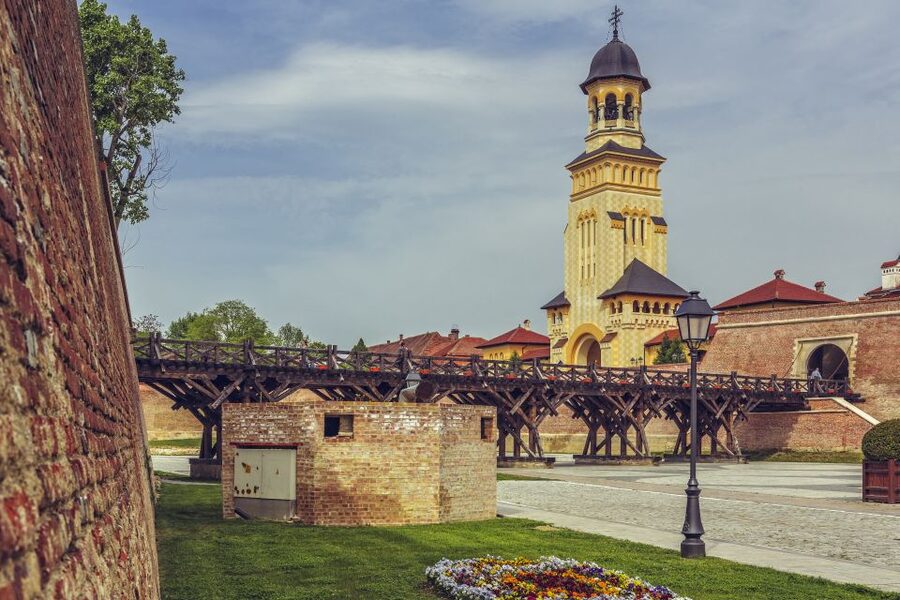
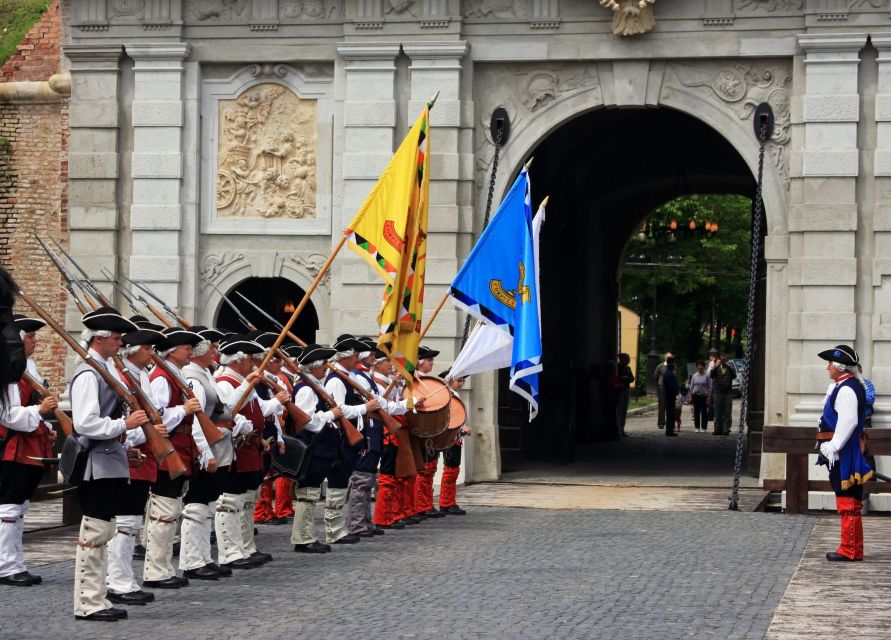
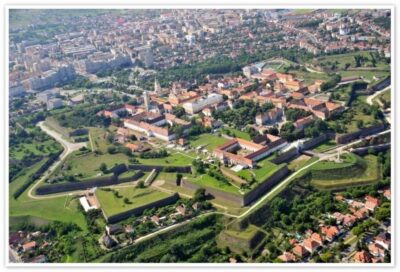
Alba Carolina Fortress gives you a different kind of spectacle. Corvin Castle is medieval and defensive in a compact, dramatic way. Alba Carolina is a large Vauban-style military complex, with broad walls, bastions, courtyards, ramparts, towers, and carefully planned defensive lines.
You may not immediately understand the fortress’s scale from one point. It reveals itself as you walk through the different courtyards and approach the walls. The design is about systems rather than a single imposing building. Angles, gates, bastions, and layers of defense show how military architecture changed over time.
The fortress also carries major meaning in modern Romanian history. In 1918, more than 1,200 delegates gathered in Alba Iulia for the Great National Assembly and declared the unification of Transylvania with Romania. The event is celebrated each year on December 1, Romania’s National Day.
A guide makes this stop far more useful. Without context, the fortress can look like an impressive collection of walls and churches. With a good explanation, you begin to see how the site connects imperial rule, military planning, Romanian identity, and the country’s modern formation.
The visit lasts about 90 minutes. That gives you a solid introduction, but Alba Carolina alone could fill a day for anyone interested in churches, architecture, and history. One thing I would change is the lack of a separate free hour here for coffee or independent wandering. The tour already packs in a lot, but this is the stop where extra time would be most welcome.
The guides are a big part of the value
The strongest part of the experience is not just the route. It is the guide in the front seat. The named guides associated with this departure include George, Robert, Florin, Mihai, Cătălin, Istvan, Andrei, and Gheorghe, so your exact experience depends on who is assigned.
The praise is consistent for practical reasons. The guides explain history in clear English, answer questions while driving, keep an eye on bathroom breaks, allow time for photographs, and adapt when the group is small. Robert is often described as a warm storyteller, while George is noted for patience and useful advice about other places in Romania. Mihai and Cătălin are praised for comfortable driving and strong local knowledge.
A small group can sometimes feel almost private. One departure with only three family members used a personal car instead of a larger van, creating a more intimate day. That cannot be guaranteed, but the group limit gives you a reasonable chance of a personal atmosphere.
The guide also helps connect the stops. You are not simply collecting three photographs. The commentary can link Roman salt production, medieval defense, Ottoman conflict, Habsburg military planning, and Romanian unification into one larger story.
What the long day feels like

The full outing lasts about 11 hours. The listed travel times add up to several hours in the vehicle, including about 40 minutes to Turda, two hours to Corvin Castle, one hour to Alba Iulia, and roughly 90 minutes back to Cluj.
That is a lot of road time. If you dislike long day trips, this may feel tiring by the final return. On the other hand, the driving is exactly what makes this route possible from Cluj without changing hotels.
The transport is a modern vehicle, and bottled water is included. The small group limit helps with comfort, but you should still expect a full day rather than a relaxed local outing. Build in time to rest the evening before, and do not plan a late-night activity after you return.
The tour is not a good fit for people with back problems or mobility impairments. You will walk at the mine, castle, and fortress, and there may be stairs or uneven surfaces. Large bags and luggage are not allowed, and pets are not permitted.
Is $140 a fair price?
At $140 per person, the tour is not the cheapest way to see one nearby attraction. It becomes better value when you consider the distance covered and the planning involved.
Your price includes transport from central Cluj-Napoca, an English-speaking guide, and bottled water. It does not include the Turda Salt Mine ticket, the Corvin Castle ticket, or lunch. Based on the listed amounts, the two entrance fees add roughly 135 Romanian lei, or about 27 euros in total, though you should confirm current prices.
You are paying mainly for access and efficiency. Reaching Corvin Castle and Alba Iulia independently would require careful research, multiple transport connections, and much more time. The tour gives you a driver, an interpreter of the history, and a workable route in one day.
I consider it good value for a first visit to Transylvania, especially if you have limited time. It is less suitable if you prefer to spend half a day inside one castle or fortress. In that case, a private arrangement with fewer stops may suit you better.
Free cancellation up to 24 hours before departure and reserve-now, pay-later booking add useful flexibility. Departures are guaranteed with at least two confirmed people on the selected date.
Who should book this experience?
I would recommend it to you if you want a broad introduction to central Transylvania and care about history, architecture, and unusual places. It is particularly useful during a short Cluj stay, when you want to see beyond the city without renting a car.
Families with older children may also like the variety. The salt mine has a sense of adventure, the castle offers towers and courtyards, and the fortress provides room to walk and look around. The amount of walking means you should judge your group’s stamina honestly.
History fans will get the most from the guide’s explanations. If you mainly want long photo stops, slow meals, or time to sit in cafés, the pace may feel too brisk.
Final verdict: book it for reach and variety
I would book this tour if my time in Cluj were limited and I wanted three major sights without managing the transport myself. Turda Salt Mine is unusual, Corvin Castle is visually powerful, and Alba Carolina adds scale and national history.
Go in knowing that the day is busy. You will spend several hours on the road, pay extra for two entrances and lunch, and have only about 90 minutes at each principal stop. In exchange, you get a small group, a modern vehicle, a strong English-speaking guide, and an efficient route through three very different parts of Romania.
FAQ
Where does the tour begin?
You meet at the Matthias Rex Monument in Union Square, near the Romano-Catholic church in Cluj-Napoca.
How long does the tour last?
The day trip lasts about 11 hours and returns to the Matthias Rex Monument in the evening.
Which language is the tour conducted in?
The tour is conducted in English with a live English-speaking guide.
How large is the group?
The group is limited to seven participants.
Are the entrance fees included?
No. The listed entrance fee for Turda Salt Mine is 85 Romanian lei, about 17 euros, and Corvin Castle is 50 Romanian lei, about 10 euros.
Is lunch included?
No. Lunch is not included. An approximately one-hour lunch stop takes place in Hunedoara.
What transport is provided?
Transportation is provided in a modern vehicle, along with bottled water.
What should I bring?
Bring comfortable shoes, sunglasses, a sun hat, sunscreen, and a jacket. The jacket is useful because the salt mine can feel cool.
Can I cancel the booking?
You can cancel up to 24 hours in advance for a full refund. You can also reserve now and pay later.
Just added around Cluj Napoca
- Two days tour to Bucovina & UNESCO Painted Monasteries★ 5.0 · 3 reviews
- CJ05 – Mysteries of Transylvania: Bran Castle & Sighisoara★ 4.8 · 3 reviews
- Transylvania’s Trail: Sibiu, Bran Castle, Brasov, Sighisoara★ 4.6 · 3 reviews
- Cluj – walking city tour★ 5.0 · 3 reviews
- Cluj: Private City Walking Tour★ 4.4 · 4 reviews
- Sighisoara & wine tasting (from Cluj)★ 5.0 · 4 reviews
- CJ01 – Explore Cluj-Napoca: A Vibrant City Tour in English★ 5.0 · 4 reviews
- Sighisoara, UNESCO & wine tasting (1 day, from Cluj)★ 5.0 · 4 reviews
Corvin Castle Tours, compared.
Turda Salt Mine, Corvin Castle and Alba Fortress from Cluj
Read our review →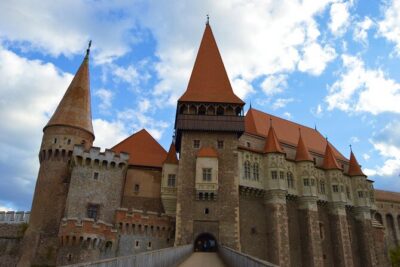
Exclusive Tour: Corvin Castle, Alba Iulia and traditional villages from Sibiu
Read our review →
Day trip to Corvin Castle and Sibiu (and back) from Timisoara
Read our review →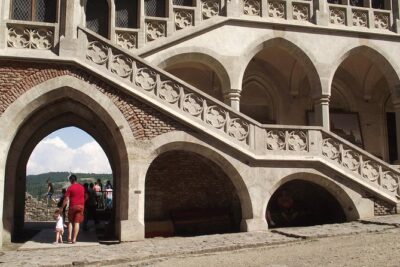
Turda Salt Mine and Hunedoara Corvin Castle from Cluj
Read our review →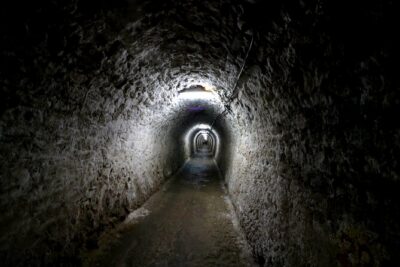
Day Trip to Turda Salt Mine and Corvin Castle from Timisoara
Read our review →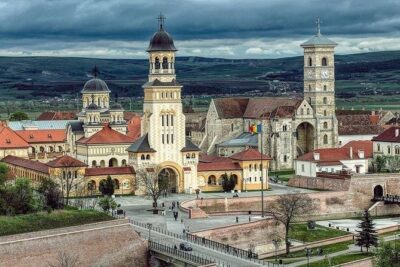
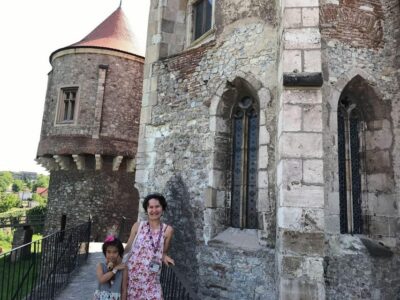
Turda salt mine and Corvin Castle day tour from Cluj
Read our review →Browse the lists this tour appears in