
Reviewed · CLUJ-NAPOCA TOURS
Cluj – walking city tour
Cluj-Napoca reveals itself best on foot, and this roughly two-hour walk links its key squares, churches, university buildings, and surviving fortifications in a compact route. You begin at the Carolina Obelisk in Museum Square and finish near the Orthodox cathedral, with plenty of room for questions along the way.
I like the private, adjustable format, especially if you have a particular interest in architecture, religion, local personalities, or Jewish heritage. I also like the guide’s focus on small details, dates, and people rather than a rushed list of photo stops. One guide named Joseph is described as especially passionate about Cluj and has even reshaped a route around a guest’s family background.
The main consideration is that the walk covers a lot in two hours. You will see many buildings from the outside, but paid interiors are not included, and some stops receive only five or ten minutes. If you want a long church visit or museum time, you will need to plan that separately.
Key points to know before you book
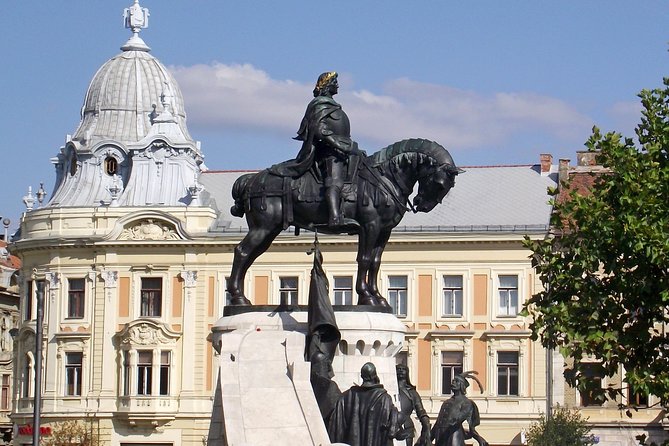
- Museum Square gives you the city’s oldest central setting, with the Franciscan church and Carolina Obelisk as an immediate introduction.
- The route covers both medieval and modern Cluj, from 15th-century walls to the late-19th-century buildings around Avram Iancu Square.
- A private guide can change the emphasis, which is useful if you want more architecture, local history, religion, or family-related context.
- The churches are mainly exterior or brief interior visits, and no paid interior admission is included.
- The tour is limited to 15 people, with English or French guiding and a 10:00 a.m. start.
- The $28.94 price is reasonable for a private introduction, but its value depends on how much you use the guide for questions and customization.
Starting among Cluj’s oldest buildings in Museum Square
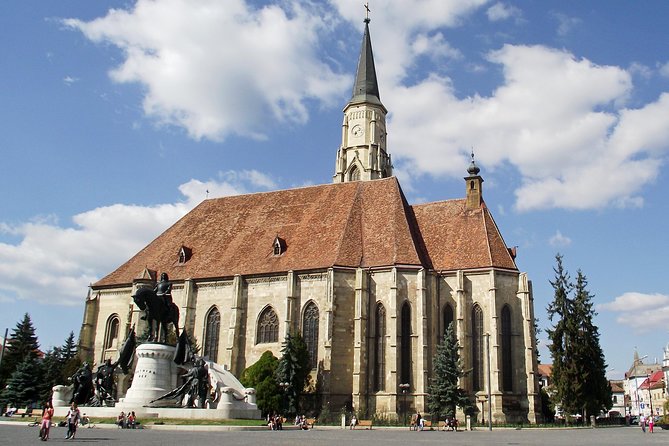
Meet at the Carolina Obelisk in Piața Muzeului, also called Museum Square. This is a smart starting point because you are already in the old center, surrounded by some of Cluj-Napoca’s earliest surviving urban sights.
The square is identified as the oldest in the city. Your first 20 minutes are spent taking in the Franciscan church and the Carolina Obelisk, a monument that gives the space a clear historical focus. Rather than beginning with a broad modern-city introduction, the walk places you directly in Cluj’s old core.
This is also a useful place to ask your guide what you are looking at before the route gathers speed. If you are new to Romanian history, the early explanation can help you sort out the city’s Hungarian, Romanian, Catholic, Orthodox, and Reformed connections.
The stop is free, and you do not need to arrange a separate ticket. The meeting point is near public transportation, though the supplied details do not specify which lines serve it. Arrive with comfortable shoes and a little time to find the Carolina Obelisk, since the square has several historic buildings competing for attention.
More Walking Tours in Cluj Napoca
- Cluj-Napoca: 2.5-Hour Guided Walking Tour
★ 4.8 · 104 reviews - Cluj-Napoca: 2.5-Hour Guided Walking Tour
★ 4.5 · 29 reviews - Cluj-Napoca Walking City Tour
★ 4.5 · 16 reviews
Matia Corvin House and the people behind the city
From Museum Square, the walk continues to the Matia Corvin House, described as the oldest civilian building in Cluj. This is one of the most useful history stops because it connects a physical building with one of the major rulers associated with the city, Matia Corvin, known as one of Hungary’s greatest kings.
You spend about 15 minutes here. That is enough for an introduction, photographs, and questions, but not a long architectural inspection. Admission is not included, so you should not assume the tour covers a paid interior visit.
The value here lies in the guide’s explanation. A good local guide can turn an old facade into a story about power, urban life, and the people who shaped the region. One account of this experience praised the careful mix of dates, famous figures, buildings, and major events. That is exactly the sort of approach that helps you remember Cluj after the walk is over.
If your interest is personal rather than general, this is a good point to say so. The private format means the guide can spend more time on the subjects that matter to you, instead of giving every group the same fixed speech.
St Michael’s Church, the great medieval centerpiece
St Michael’s Catholic Church receives about 20 minutes, making it the longest single stop on the route. It is one of the largest medieval churches in Transylvania and one of Cluj’s essential landmarks.
The visit is listed as free. The tour includes no interior visits that require a ticket, so the precise access available on the day may depend on church conditions and timing. You should think of this part as a guided look at the church and its place in the city, with the possibility of seeing the interior where no paid ticket is needed.
For many people, this will be the visual center of the tour. The church gives you a strong sense of Cluj’s scale and age, while the guide can explain why it matters within Transylvanian religious and political history.
Twenty minutes passes quickly. If you want quiet time for prayer, detailed photography, or a close look at decoration, consider returning later. The walk gives you context, but it is not designed as an extended church tour.
A short Baroque pause at the Piarist Church
The next church, Biserica Romano-Catolică Sfânta Treime, is also known as the Piarist Church. It was the first Baroque church built in what is now Romania, giving you a useful contrast with the earlier medieval architecture at St Michael’s.
The scheduled stop lasts about ten minutes and is free. That short pause works well as part of a walking overview, since you can compare the church’s style with the older buildings you have just seen.
The Piarist Church is an example of why a guide adds value here. Without an explanation, you might simply register another attractive church. With a guide, you can place it within a change in architectural taste and religious building traditions.
Still, do not expect a full art or architecture lecture in ten minutes. If Baroque design is your main interest, tell the guide early and ask for more time if the private schedule allows it.
Same corner of the country, a completely different day out:
- Curly Tour – Day trip from Cluj 🙂
★ 5.0 · 330 reviews - Cluj: Turda Salt Mine, Corvin Castle, Alba Carolina Tour
★ 4.8 · 184 reviews - Turda salt mine 4h tour from Cluj
★ 5.0 · 73 reviews - Turda Salt Mine, Corvin Castle and Alba Fortress from Cluj
★ 5.0 · 65 reviews
Following narrow streets to the 15th-century walls
The route then turns toward some less obvious corners of the old center and the City Walls of Cluj. You walk along narrow streets and see sections of the 15th-century defensive system.
This 15-minute stop helps you picture Cluj as a fortified medieval town rather than only a city of churches and grand squares. The walls are not presented as a single large monument, so the guide’s storytelling matters. You need help understanding where the fortifications fit into the old city and why only certain sections remain visible.
The walk through narrow streets also changes the pace. After several major buildings, you get a more intimate view of the old center. This is one of the route’s better choices for anyone who likes urban details, tucked-away passages, and the way modern streets follow older city lines.
The surfaces and route are not described in detail, so ask the provider if you have mobility concerns. Most people can participate, but this remains a walking tour through historic streets, not a vehicle-based sightseeing trip.
Babeș-Bolyai University and the living city
The stop at Babeș-Bolyai University lasts only five minutes. You see the headquarters of one of Romania’s most important universities, an institution with more than a century of history.
This is a brief exterior look, but it adds a modern civic layer to the route. Cluj is not only a medieval center preserved for visitors. It is also a university city, and the university helps explain the city’s intellectual and cultural life.
Because the stop is short, the guide will likely focus on why the university matters rather than take you through its grounds. If you are considering a longer visit, use this moment to ask about the institution or nearby areas you might explore later.
The Reformed Church and its unusual collection of coats of arms
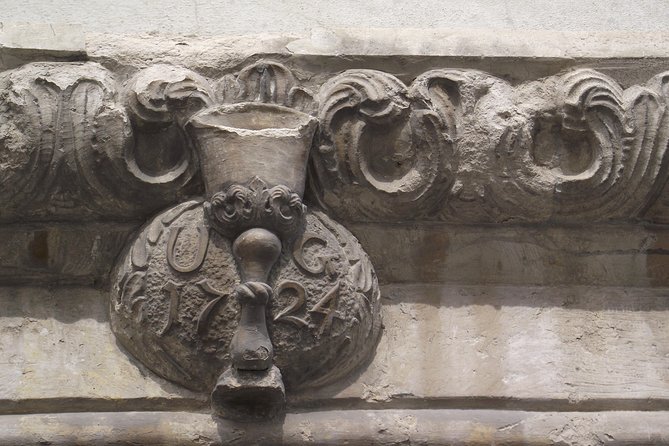
The Reformed Church is another 15th-century building, but its appeal goes beyond age. It is known for organ concerts and for one of the largest collections of coats of arms in this part of Europe.
You have about ten minutes here, with no admission fee listed. That should give you enough time to see the church and hear why it has a special place in Cluj’s cultural life.
The mention of organ concerts is particularly useful. If music interests you, ask your guide whether a concert is scheduled during your stay. The tour itself does not include a concert, but it can point you toward a worthwhile evening activity.
The coat of arms collection also gives this stop a distinctive hook. It is not simply another medieval church on a long list. You have a specific feature to look for, and the guide can explain the symbols and their connection to the region.
Turnul Croitorilor and the guilds that built Cluj
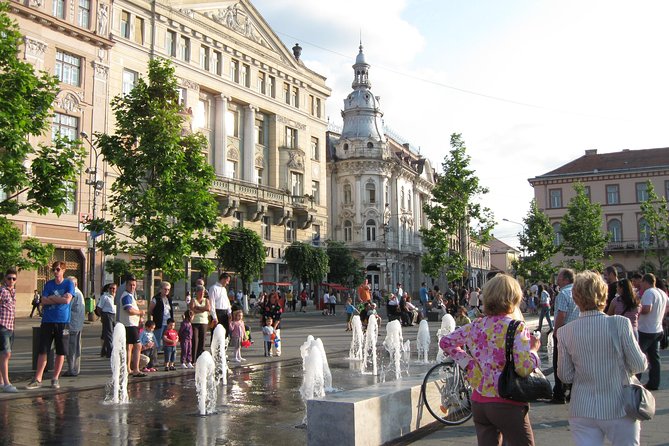
Turnul Croitorilor, or the Tailors’ Tower, is one of the few defense towers preserved from Cluj’s medieval fortifications. The stop is only five minutes, but its subject is important: the role of guilds in the city’s growth.
This is a good example of the tour’s broad approach. You move from rulers and churches to the working groups that helped organize and defend the city. The tower gives you a physical reminder of that system.
Do not expect a long tower visit. The listed schedule suggests a short exterior stop and explanation. Its value comes from the connection between architecture and city life, not from spending a great deal of time inside.
If you want to know more about guilds, this is another moment to use the private setting. A group tour with a fixed script might move on quickly. Here, you can ask for more background if the subject catches your interest.
Avram Iancu Square and Cluj’s later face
The walk continues to Avram Iancu Square, where many buildings were constructed from the late 19th century onward. This square shifts the story from medieval Cluj to the city’s later civic development.
The National Theatre is one of the key buildings here. The contrast is useful: within a short walk, you move from fortification walls and medieval churches to grander public architecture from a later era.
The itinerary does not assign a separate time block to this square, so the guide may treat it as a linking section before the final cathedral stop. You should use it as a chance to look at the wider arrangement of the square and ask how Cluj changed as it grew.
This is also where the route gains a stronger Romanian cultural presence, leading naturally to the Orthodox cathedral. The walk does not present Cluj as a city with only one identity. Instead, it shows how different periods and communities shaped the center.
Finishing at the Orthodox Metropolitan Cathedral
The final scheduled stop is the Dormition of the Mother of God Metropolitan Cathedral, usually called the Orthodox Cathedral. You spend about 15 minutes discovering its interior decoration.
The cathedral sits in Piața Avram Iancu and gives the tour a clear endpoint. After medieval Catholic and Reformed churches, you finish with an Orthodox interior, which broadens the religious picture of the city.
Admission is listed as free. As with the other churches, be prepared for the possibility that access can depend on services or local conditions. The tour does not promise a paid interior visit, and the supplied details do not list special entry arrangements.
The official end is at the cathedral, but this is flexible. You and the guide can agree on another endpoint if that works better for your plans. That small detail matters if you want to finish near another central sight, a restaurant, or your accommodation.
What the private format really adds
The tour is described as private, while the maximum group size is 15 people. For a booking made just for your party, the private format should let you shape the conversation and adjust the itinerary. If you are booking as part of a larger arrangement, confirm the exact group setup before paying.
The strongest reason to choose this format is not simply having a guide beside you. It is the ability to ask questions without waiting for a large group and to shift attention toward your interests.
One particularly useful example comes from a walk led by Joseph. When he learned that the guests were of Jewish descent, he kindly changed the route to suit their background. That suggests the guide can respond thoughtfully when you share relevant interests or family connections in advance.
You should not assume Joseph will lead every departure, but his name is worth noting when you contact Get a Cluj Tour. You can ask whether he is available and explain what you want from the walk.
The guides speak English or French. The experience is confirmed at booking, accepts mobile tickets, and normally begins at 10:00 a.m. Group discounts are available, which may improve the price for families or larger parties.
Is $28.94 good value for two hours?
At $28.94 per person, the price is fair for a guided introduction to central Cluj, especially if you are booking a private walk and making full use of the guide’s time. You are paying for local interpretation, route planning, and the chance to ask questions, not for admission-heavy sightseeing.
The value is strongest on a first day in Cluj. Two hours can help you get your bearings, identify the buildings worth revisiting, and understand how the medieval, religious, university, and modern civic parts of the center fit together.
The price is less attractive if you want extended access to interiors. Meals, drinks, personal expenses, and entry tickets are not included. The route is also compact, so you are not paying for transport or a full-day excursion.
For a group, discounts may make the experience more appealing. For a solo visitor, the cost is higher than joining a large public walk, but you gain a more personal conversation and a flexible route.
Who should book this Cluj walking tour?
I would choose this walk if you have limited time, want a strong first look at the old center, or prefer local explanation to reading signs as you go. It suits people who enjoy architecture, religious buildings, city walls, historic personalities, and questions about how Cluj developed.
It is also a good match for families, couples, and small groups with different interests. The private setup lets you ask for more detail on a subject rather than follow a fixed speech from start to finish.
You may want something else if you dislike walking, need long indoor visits, or want a museum-focused tour. The itinerary is active and fairly quick, with several stops lasting only five or ten minutes.
Wear comfortable shoes and keep your phone ready for the mobile ticket. Since the experience requires good weather, check the forecast before setting out. If poor weather cancels the walk, you are offered another date or a full refund.
My booking recommendation
Book this tour if you want a clear, human introduction to Cluj-Napoca and will take advantage of the guide’s flexibility. The route covers the city’s essential central sights without pretending that two hours can explain everything.
I especially like the balance between famous places such as St Michael’s Church and smaller subjects such as the Tailors’ Tower, guilds, narrow wall streets, and coats of arms. Ask for the guide’s name when booking, mention your interests in advance, and consider requesting Joseph if he is available.
Skip it if you want paid interior visits included or prefer to explore at your own slow pace. For most first-time visitors, though, this is a practical way to understand Cluj before spending the rest of your stay on your own.
FAQ
How long does the Cluj walking tour last?
The tour lasts approximately two hours.
Where does the tour start?
The meeting point is at the Carolina Obelisk, Piața Muzeului 2, in Museum Square, Cluj-Napoca.
Where does the tour finish?
The usual endpoint is the Dormition of the Mother of God Metropolitan Cathedral in Piața Avram Iancu. The guide can agree on a different endpoint with you.
What languages does the guide speak?
The professional guide speaks English or French.
Are entry tickets included?
No paid entry tickets are included. The listed stops are free, while admission to the Matia Corvin House is not included.
Can I cancel the tour for a full refund?
Yes. You can cancel at least 24 hours before the local start time for a full refund. Changes or cancellations made less than 24 hours before the start are not accepted for a refund.
Just added around Cluj Napoca
- Cluj: Private City Walking Tour★ 4.4 · 4 reviews
- Sighisoara & wine tasting (from Cluj)★ 5.0 · 4 reviews
- CJ01 – Explore Cluj-Napoca: A Vibrant City Tour in English★ 5.0 · 4 reviews
- Sighisoara, UNESCO & wine tasting (1 day, from Cluj)★ 5.0 · 4 reviews
- 3 Day Tour of Maramures★ 5.0 · 4 reviews
- From Cluj-Napoca: Two Day Tour to Maramures★ 5.0 · 5 reviews
- 650cc Motorbike Rental from Turda★ 5.0 · 5 reviews
- CJ04 -Maramureș Adventure:Tradition, Folk Art &Scenic Beauty★ 5.0 · 5 reviews
Cluj-Napoca Tours, compared.
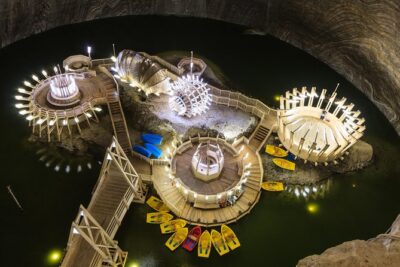
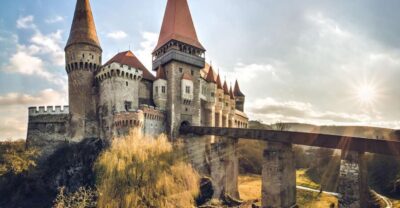
Turda Salt Mine, Corvin Castle, Alba Carolina Tour
Read our review →
Turda Salt Mine, Corvin Castle and Alba Fortress from Cluj
Read our review →
Browse the lists this tour appears in