
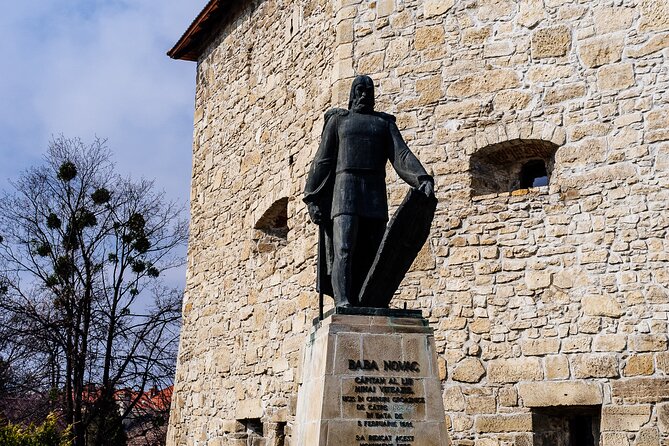
Reviewed · CLUJ-NAPOCA TOURS
Cluj-Napoca: 2.5-Hour Guided Walking Tour
Matthias Corvinus was born in a small house in Cluj, long before he became Hungary’s most famous 15th-century king. That personal link gives this 2.5-hour walking tour a strong opening. I like the way it connects grand monuments with human stories, and I like that the route shows Cluj as a meeting point of Hungarian, Romanian, and German culture, not simply as a collection of old buildings.
The tour also puts Cluj’s main historic sights in a sensible order. You move from the medieval center to Union Square, the university quarter, old fortifications, and Avram Iancu Square. Guides including Daniela, David, Andrei, and others have been praised for clear explanations, humor, and flexibility.
The main consideration is the amount of walking and standing. Although the activity is marked wheelchair accessible, it is not recommended for people with limited mobility, so ask about the exact route and meeting point before booking. The focus is strongly historical and religious, with less time for everyday culture or interiors.
Key points to know before you book
- Matthias Corvinus’s birthplace: Begin with the modest house linked to one of Hungary’s most important kings.
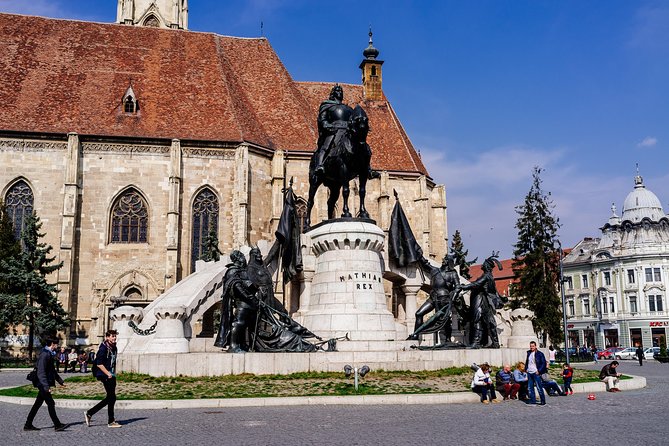
- Union Square’s Gothic centerpiece: See St. Michael’s Church and the large equestrian statue of Corvinus.
- Stories beyond the monuments: Hear about medieval witch trials, guilds, wine, politics, religion, and the city’s changing identity.
- A useful first-day route: Cover the core historic center in two and a half hours, helping you plan the rest of your stay.
- Guides with different strengths: Daniela is praised for her history teaching and humor, while David and Andrei are noted for clear, engaging presentations.
- Walking comfort matters: Wear solid shoes, bring sun protection, and expect some standing, even though the pace can be adjusted.
Why Cluj’s mixed past makes this tour worthwhile
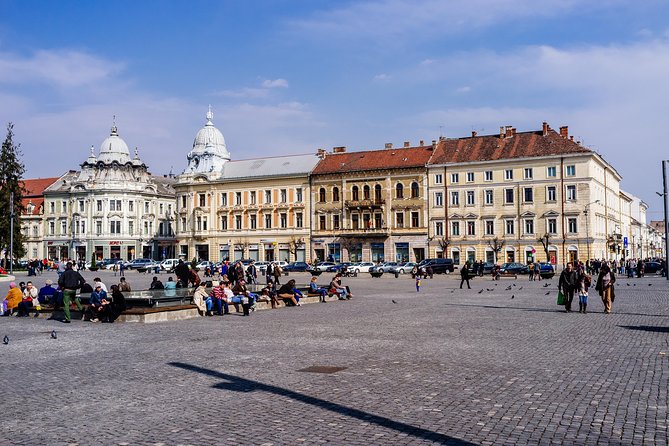
Cluj-Napoca can look easy to understand at first glance. There is a handsome central square, a Gothic church, a grand theater, and several impressive public buildings. But the city’s story is layered. Romanian, Hungarian, German, Jewish, imperial, communist, and modern European influences all meet here.
That mixture is the real subject of the walk. You are not just ticking off churches and statues. You are learning why the city has different names, how political power shifted, and why architectural styles from different periods sit close together.
I find this kind of tour especially useful in a city where the past is not always explained on the buildings themselves. A guide can point out how Cluj developed from a medieval settlement into a major academic and cultural center. The result is a better sense of place, even if you later explore the same streets on your own.
The tour receives a 4.8 rating from 104 reviews, and the strongest praise centers on the guides’ ability to explain difficult history in a clear way. Several guides are named in the feedback, including Daniela, David, Andrei, Adrian, and Urzica. The guide may vary, but the experience is offered in English or German.
More Walking Tours in Cluj Napoca
- Cluj-Napoca: 2.5-Hour Guided Walking Tour
★ 4.5 · 29 reviews - Cluj-Napoca Walking City Tour
★ 4.5 · 16 reviews - Cluj : Must-See Attractions Walking Tour
★ 4.8 · 8 reviews
Starting with Matthias Corvinus’s birthplace
The opening visit to Matthias Corvinus’s birth house gives the tour an unusually personal beginning. This is not a vast palace or a royal fortress. It is a more modest building connected to the birth of a ruler who would later become one of Hungary’s best-known kings.
That contrast helps put medieval power into perspective. A famous monarch can be reduced to a statue and a date, but standing outside the place tied to his early life makes the story easier to remember. Your guide explains his importance and shares stories about his life rather than offering only a quick label.
The stop also introduces the wider Hungarian influence on Cluj. The city’s history cannot be told through modern national borders alone. Its past includes Hungarian rule, German settlers, Romanian communities, and later political changes that altered the city’s public identity.
Wine also enters the conversation here. The regional wine trade and drinking culture are part of the human side of the story, and this detail keeps the opening from becoming a dry royal biography. If you enjoy food and drink history, listen closely, since this is one of the tour’s more unusual themes.
Union Square and St. Michael’s Church
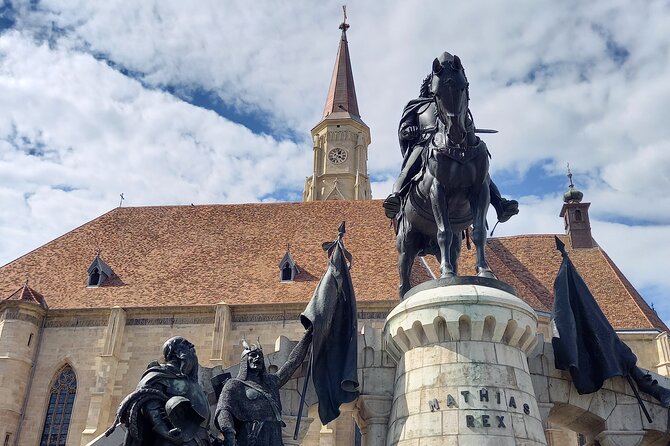
From the Corvinus house, the route continues to Union Square, the broad central space that gives Cluj its main historic setting. This is where the tour’s scale changes. You move from one important building to a large civic square framed by major architecture.
St. Michael’s Church is the star. Its Gothic form dates to the 14th century, and its height and detail make it one of Cluj’s essential sights. The guide explains what you are looking at, helping you notice the church as a medieval building rather than simply a dramatic backdrop.
In front of the church is the large equestrian statue of Matthias Corvinus. Its placement creates a clear link between the king’s birthplace and his public memorial. The stop works well because the guide can connect the man, the monument, the church, and the city’s Hungarian past in one place.
One limitation is that the tour mainly offers exterior views. One person specifically wished there had been more interior visits. If seeing the inside of churches is a priority, ask the guide what will be open during your tour and allow extra time to return independently.
The square is also a good place to pause. The tour is not a nonstop march. Daniela was praised for stopping to sit comfortably during the two and a half hours, and other guides have adjusted their pace or continued a little longer when needed. Still, the exact rhythm depends on the group and guide.
The Street of the Intellectuals and Babes-Bolyai University
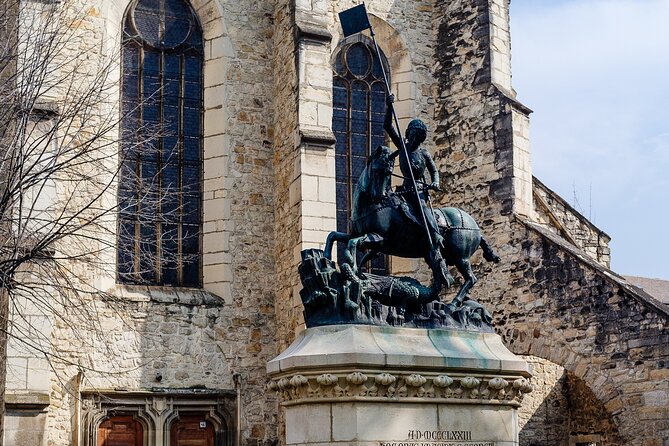
The next section leads toward the area known as the Street of the Intellectuals. Its name points to the cluster of schools and academic institutions along the route, including Babes-Bolyai University.
This is a useful change of mood. The earlier stops focus on kings, churches, and medieval power. Here, the guide shows how education helped shape modern Cluj. Babes-Bolyai University is central to the city’s identity, and its presence explains why Cluj feels like an academic center as well as a historic one.
The university also reflects the city’s multilingual past. Its name itself brings together Romanian and Hungarian figures, a small detail that fits the wider theme of cultural overlap. You do not need specialist knowledge to appreciate this section. The guide supplies the context as you walk.
The route is particularly helpful for first-time visitors because it reveals streets you might otherwise pass without noticing. David was praised for showing lesser-seen streets and buildings, while other guides have been valued for linking architecture to politics, religion, art, and present-day life.
This is also where the guide’s teaching style matters most. A strong guide will keep the history focused, explain why the institutions matter, and leave room for questions. Daniela has been praised for keeping attention through a long historical timeline, and Andrei for welcoming questions on many subjects.
Same corner of the country, a completely different day out:
- Curly Tour – Day trip from Cluj 🙂
★ 5.0 · 330 reviews - Cluj: Turda Salt Mine, Corvin Castle, Alba Carolina Tour
★ 4.8 · 184 reviews - Turda salt mine 4h tour from Cluj
★ 5.0 · 73 reviews - Turda Salt Mine, Corvin Castle and Alba Fortress from Cluj
★ 5.0 · 65 reviews
Medieval witches, guilds, and the city behind the monuments
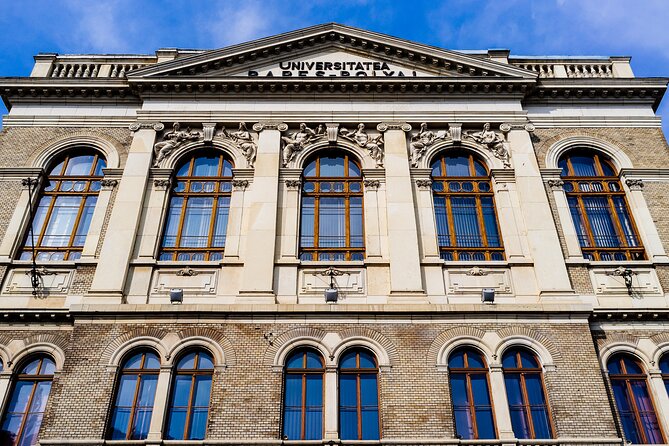
Cluj’s past was not only shaped by kings and scholars. The tour also covers the fate of witches in the Middle Ages and the formation of guilds.
The witch stories add a darker, more human note. They show how fear, religion, law, and community life affected ordinary people. The subject is not treated as a modern spooky attraction. Instead, it forms part of the social history of the medieval city.
The guilds offer another practical window into urban life. Guilds shaped work, trade, training, and the rules of local commerce. When you hear about them while walking through the old center, the streets begin to feel less like museum scenery and more like a working town with organized trades and rival interests.
I like these sections because they widen the tour beyond famous names. You learn about institutions and people who usually disappear from a standard monument list. The historical focus remains strong, though, so anyone looking mainly for restaurant advice, current cultural events, or shopping will get less of that here.
One older assessment also wished for more enthusiasm and more suggestions for the rest of a stay. That is useful to keep in mind. Some guides may offer personal recommendations, but the main service is historical interpretation, not a full city orientation or food tour.
The surviving defensive walls
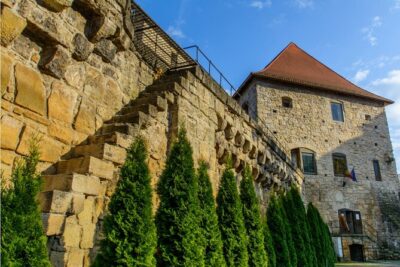
As you continue, the guide points out remains of Cluj’s defensive walls. These fragments are easy to overlook when you walk alone, which is one reason a local guide adds value.
The walls help explain the shape of the old city. Medieval defenses were not just military structures. They controlled movement, marked the settlement’s limits, and reflected the wealth and concerns of the communities inside them.
This stop also helps bridge the old center and the newer part of the historic city. You can see how Cluj expanded beyond its earlier defenses and how later buildings took their place beside older traces.
Do not expect a large fortress experience. The remains are part of an urban walk, not a separate castle visit. Their importance comes from the explanation. Without context, a surviving wall can look like a random patch of stone. With the story, it becomes evidence of how the city once worked.
Avram Iancu Square: cathedral and theater
The final major section reaches Avram Iancu Square, a newer part of the old city. The square gives the tour a different architectural and political tone from Union Square.
Here you see the Orthodox Cathedral, built in the 1930s. Its presence reflects the importance of Romanian identity in modern Cluj and adds another religious tradition to the route. Earlier, St. Michael’s Church represented the medieval Gothic and Hungarian side of the city. The cathedral helps show how Cluj’s public face changed over time.
The National Theatre sits nearby. Built in 1906 by Viennese architects, it brings imperial-era design and performing arts into the story. The theater is a reminder that Cluj was connected to wider Central European trends, not isolated from them.
This final square makes a strong ending because it gathers several strands together: Romanian public life, Central European architecture, religion, culture, and the city’s changing political history. It also gives you a practical landmark for later walks.
The theater and cathedral are mainly viewed from outside during the tour. If you want to see interiors, check opening arrangements separately rather than assuming they are part of the walk.
A guide-led history lesson that stays accessible
The guides are the heart of this experience. The best feedback praises clear storytelling, humor, flexibility, and a strong attachment to Cluj.
Daniela is repeatedly associated with well-organized historical explanations and an engaging manner. One account describes a full account of the city from the Dacians and Romans through the Middle Ages, the two world wars, communism, and the present. That broad timeline can be very useful, especially if Romania’s history is new to you.
David is praised for showing streets and buildings that a visitor might miss. Andrei is noted for professionalism and for taking questions. Other guides have helped with future plans, food suggestions, and wider discussions of politics, religion, art, and architecture.
The tour is not a scripted audio track. Your experience can change with the guide, the group, and the questions you ask. One booking became a private tour because of the date and time selected, with an adjustable pace. That is possible rather than guaranteed, so do not book assuming you will have a private guide.
The historical material can be substantial. If you prefer a light overview with only a few dates, tell the guide at the start. If you want more detail, ask questions. The tour seems to work best when you take part rather than simply follow along silently.
Price, pace, and practical value
At $34 per person, this is not the cheapest way to see a city’s main square. But two and a half hours is a solid length, and the route covers several major sights plus lesser details that are easy to miss alone.
I see the price as good value for a first visit if you want context. You receive a structured walk through the historic center, a live English or German-speaking guide, and a useful overview of Cluj’s political, religious, architectural, and social past.
The value is lower if you have already read deeply about Cluj or mainly want access to interiors. This is an outdoor walking experience, and the commentary does most of the work.
Wear comfortable shoes. Bring a sun hat in warm weather, and follow any current request for a face covering. Pets are not allowed. The meeting point can vary according to the option booked, so check it carefully before setting out.
The activity is described as wheelchair accessible but is also not recommended for people with mobility impairments. Treat that as a reason to ask specific questions about paving, steps, rest stops, and the exact meeting point. The route includes walking between several areas and some standing, even though the pace may be adjusted.
You can cancel up to 24 hours before the start for a full refund, and the reserve-now, pay-later option keeps your plans flexible. Those policies matter if your Cluj schedule is still changing.
Who should book this Cluj walking tour?
I would choose this tour early in a Cluj stay. It gives you the city’s basic framework, then leaves you better prepared to return to St. Michael’s Church, explore the university area, or spend more time around Avram Iancu Square.
It suits first-time visitors, history fans, architecture lovers, and anyone who wants help sorting out the city’s Hungarian, Romanian, and German connections. It is also a good fit for small groups, since the guide can respond to different levels of interest.
Families with older children may appreciate the stories about kings, witches, guilds, and defensive walls. People who want a relaxed stroll should be aware that the tour still covers a fair amount of ground.
I would skip it if you want a food-focused introduction, a nightlife guide, or a tour built around entering many buildings. I would also look for a shorter or more accessible option if walking for two and a half hours is difficult.
Should you book it?
Book this Cluj-Napoca walking tour if you want a clear first look at the historic center and enjoy learning why the city’s buildings and public spaces matter. The strongest part is the guide-led storytelling, especially when it connects Matthias Corvinus, St. Michael’s Church, the university quarter, medieval walls, and Avram Iancu Square.
Ask about the meeting point, walking conditions, and likely interior access before paying. If those details suit you, $34 buys a useful and well-paced introduction to Cluj, with enough history to guide the rest of your visit.
FAQ
How long does the Cluj-Napoca walking tour last?
The tour lasts 2.5 hours.
How much does the tour cost?
The listed price is $34 per person.
What languages are available?
The tour is offered with a live guide in English or German.
Which major sights are included?
The route includes Matthias Corvinus’s birth house, Union Square, St. Michael’s Church, the equestrian statue of Corvinus, Babes-Bolyai University, sections of the old defensive walls, Avram Iancu Square, the Orthodox Cathedral, and the National Theatre.
Does the tour visit the inside of the buildings?
The provided details focus on walking past and admiring the sights. Interior visits are not guaranteed, so ask about access when booking.
Is the tour suitable for people with limited mobility?
It is not recommended for people with mobility impairments. Although the activity is marked wheelchair accessible, ask about the precise route and walking conditions before booking.
What should I bring?
Bring comfortable shoes and a sun hat. A face mask or protective covering is also listed among the items to bring.
Are pets allowed?
No. Pets are not allowed on the tour.
Can I cancel for a refund?
Yes. You can cancel up to 24 hours in advance for a full refund. You can also reserve now and pay later.
Just added around Cluj Napoca
- Two days tour to Bucovina & UNESCO Painted Monasteries★ 5.0 · 3 reviews
- CJ05 – Mysteries of Transylvania: Bran Castle & Sighisoara★ 4.8 · 3 reviews
- Transylvania’s Trail: Sibiu, Bran Castle, Brasov, Sighisoara★ 4.6 · 3 reviews
- Cluj – walking city tour★ 5.0 · 3 reviews
- Cluj: Private City Walking Tour★ 4.4 · 4 reviews
- Sighisoara & wine tasting (from Cluj)★ 5.0 · 4 reviews
- CJ01 – Explore Cluj-Napoca: A Vibrant City Tour in English★ 5.0 · 4 reviews
- Sighisoara, UNESCO & wine tasting (1 day, from Cluj)★ 5.0 · 4 reviews
Cluj-Napoca Tours, compared.
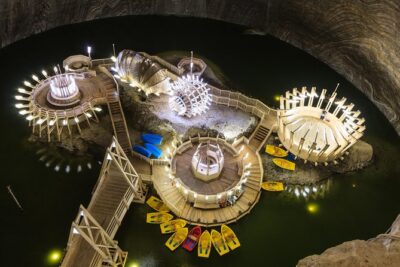
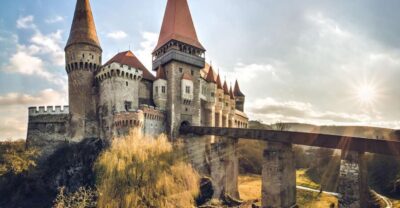
Turda Salt Mine, Corvin Castle, Alba Carolina Tour
Read our review →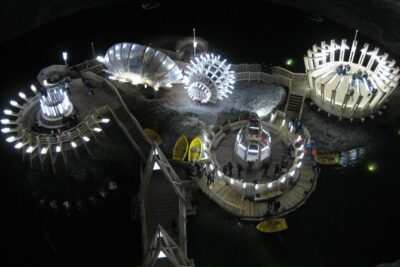
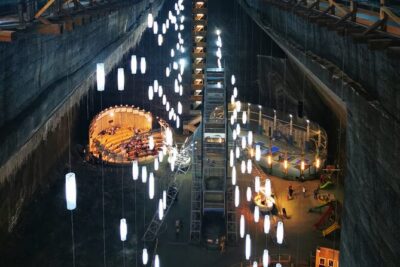
Turda Salt Mine, Corvin Castle and Alba Fortress from Cluj
Read our review →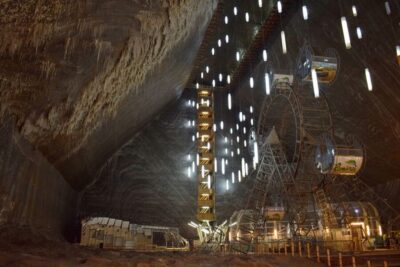
King Matia Secret Treasure Exploration Game in Cluj-Napoca
Read our review →Browse the lists this tour appears in