
Reviewed · CLUJ-NAPOCA TOURS
3 Day Tour of Maramures
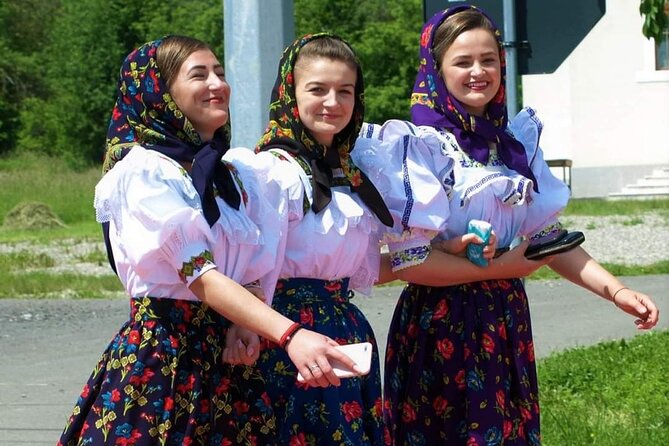
Maramures is one of Romania’s best places to see traditional village life as something living, not staged behind glass. This three-day private tour takes you from Merry Cemetery and Sighet’s former prison to homes and workshops in Botiza, Sacel, Breb, Sarbi, and Budesti.
I like the personal scale, especially the chance to meet weavers, potters, wood carvers, and farmers rather than simply photograph old buildings. I also like the guide-led access to local people. Teo, one guide associated with the tour, has earned the trust of residents and can translate conversations that would otherwise remain out of reach. The main drawback is the pace: three days cover a lot of ground, and the $763.34 per-person price is a serious outlay, especially since lunches, dinners, drinks, and snacks are extra.
Key points to know before you book
- Real village encounters: Visit working craftspeople, enter a century-old wooden house, and see local farm equipment still serving the community.
- A strong first day: Merry Cemetery, Sapanta-Peri Monastery, Sighet prison museum, and the Elie Wiesel Memorial House provide a full cultural and historical introduction.
- Private transportation: Your group travels together by private vehicle, with the tour beginning and ending at Piața Unirii 15 in Cluj-Napoca.
- Traditional skills still practiced: Botiza weaving, Sacel pottery, wool and sheepskin masks, wood carving, and Sarbi’s water-powered machines are central to the experience.
- Two nights included: The price covers 3-star accommodation, breakfast on both mornings, admission fees, taxes, transport, and a professional local guide.
- A moderate physical level helps: Expect several sightseeing stops each day, walking around outdoor sites, and a long return journey to Cluj-Napoca on the final day.
Why Maramures works best as a three-day trip
Maramures is not a place you understand from one church, one museum, or one scenic stop. Its appeal comes from the connection between buildings, crafts, family customs, and the people who still practice them. This tour gives you enough time to see all four.
The route is based in Cluj-Napoca, but the main sights lie farther north. Private transport matters here because the schedule links several villages and small museums that are not presented as one easy public transport circuit. You can focus on the guide and the view instead of working out each connection.
The private format also changes the feel of the trip. Only your group participates, so you can ask questions without holding up a large coach. The guide’s role is especially important when local conversations are part of the experience. If Teo is your guide, his relationship with residents and his translation skills can help turn a short visit into a real exchange.
The days begin at 9:30 a.m. and run to a full sightseeing schedule. You should have a moderate level of fitness. This is not an extreme walking tour, but it is not a sit-back-and-watch-the-window holiday either.
A few more Cluj Napoca day trips to weigh up
- 3-Day Medieval Transylvania Package Tour
★ 4.7 · 31 reviews - 3-Day Explore Transylvania from Bucharest
★ 5.0 · 17 reviews - 3-Day Tour of Transylvania’s Landmarks from Bucharest
★ 5.0 · 16 reviews
Day one: Săpânța crosses and Sighet’s difficult past
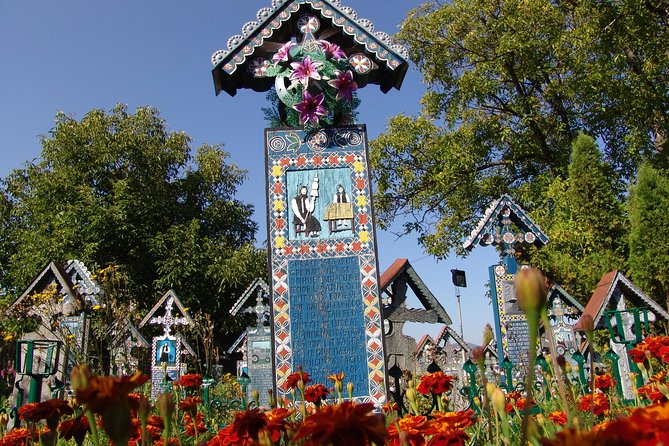
The first stop is the Merry Cemetery in Săpânța, with about an hour and a half to look around. The name sounds light, but the place is more thoughtful than comic. Its wooden crosses are painted in the area’s famous blue and carry carved scenes and verse about the people buried there.
Some epitaphs praise a person’s good qualities. Others admit faults with a sharp sense of humor. Together, the crosses create a record of village life told through faces, occupations, habits, family stories, virtues, and mistakes.
I like this stop because it gives you a direct way into local character. You are not just looking at decorative grave markers. You are reading how a community chose to remember its own people. The included admission keeps the visit simple, and the 90-minute stop gives you time to examine the carvings rather than rush through for a few photographs.
Next comes Sapanta-Peri Monastery, where a 75-meter wooden church rises in a peaceful setting. It is described as the tallest wooden church in the world, and its height makes it an impressive contrast to the smaller village buildings around it.
You get about 30 minutes here. That is enough for a focused visit, but not enough for a long, unhurried exploration. Treat it as a short architectural stop after the cemetery, not as the main event of the day.
The mood changes sharply at the Memorial of the Victims of Communism and of the Resistance in Sighet. The museum occupies a former prison, and the cells now hold exhibits about Romania from 1945 until the fall of the Berlin Wall in 1989.
This is one of the most serious parts of the tour. The building itself gives the subject weight, while the displays examine totalitarian rule and the nature of communism. You have about an hour and a half, which is useful because this is not a place to skim in ten minutes.
I would plan to slow down here. The cemetery is colorful and personal, but the Sighet memorial asks you to think about the political forces that shaped modern Romania. The two stops work well together: one records village memory through art and verse, while the other examines national memory through imprisonment and political repression.
The final stop is the Elie Wiesel Memorial House, also known as the Museum of Jewish Culture in Maramures. Wiesel, born in Sighet and later awarded the Nobel Peace Prize, wrote Night. The house now focuses much of its display on Jewish life and the Holocaust.
The scheduled visit lasts about 30 minutes. You may also have the option to see the Sephardic Synagogue, the Jewish Cemetery, and the Holocaust Monument. Since the additional sites are described as optional, ask the guide how they fit the day’s timing.
Day one is the most museum-heavy part of the tour. That is a strength if you want context, but it may feel intense if you came only for village scenery and handmade crafts. The mix gives Maramures more depth than a simple rural sightseeing route.
Day two: Wooden monasteries and working craftspeople
Day two begins at Barsana Monastery, a large wooden complex surrounded by flowers and open countryside. It is described as the most impressive monastery in Northern Transylvania, and the one-and-a-half-hour visit gives you time to appreciate the buildings as a group rather than treating the church as an isolated monument.
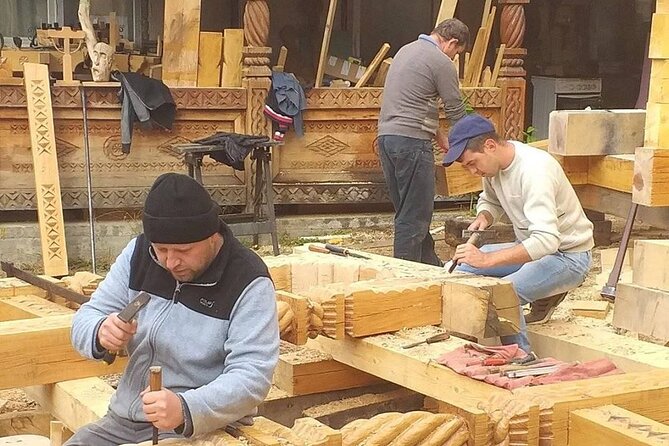
The monastery is also a good place to notice how wood shapes Maramures architecture. The complex connects religious buildings, local building skill, and the natural setting. In the same village, you visit the largest wood-carving workshop.
That pairing is useful. You first see finished wooden architecture on a grand scale, then watch the craft tradition in a workshop setting. Admission is included for the monastery, while the workshop visit is part of the arranged village experience.
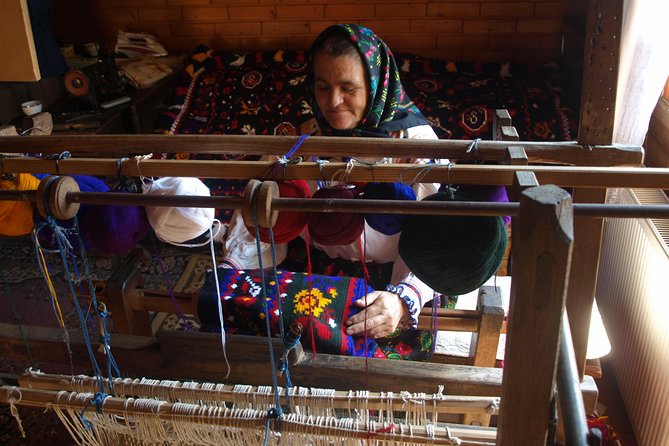
Botiza brings you closer to an everyday skill. Here, you meet a woman who weaves wool rugs using plant-based dyes and old motifs. Traditional wall-carpet craftsmanship in Maramures was added to UNESCO’s Representative List of the Intangible Cultural Heritage of Humanity in 2016.
The important point is that the craft is not presented only as a museum display. It is still practiced. You also see people working in the fields and visit a mineral spring. The stop lasts about an hour and has no separate admission charge.
This is one of my favorite kinds of sightseeing because the object on display is not merely an old rug. You see the person, the method, and the setting that keep the skill alive. The plant dyes and antique patterns also give the visit a clear sense of place.
Sacel continues the craft theme, but with a different material. You visit the only ceramist still making Dacian-style unglazed pottery. The pieces are not glossy or heavily decorated. Their appeal comes from the old form and the survival of a particular local technique.
If available, you may also meet someone who makes ritual masks from wool and sheepskin. The village visit can include a wood carver and a woman living in a 100-year-old wooden house. The wording matters here: some of these encounters depend on availability, so you should not treat every possible meeting as guaranteed.
You have about 90 minutes in Sacel. That sounds generous, but the stop contains several possible visits. Your guide will need to manage the timing, and your group may not see every element if a craftsperson is unavailable.
Day two is less formal than day one. You move through working villages and meet people connected to the land and to traditional materials. That makes the day rewarding, but also more dependent on personal interaction and local availability than on fixed museum opening hours.
Day three: Breb, Sarbi, and a practical return to Cluj

Breb is the first stop on the final day, with about 70 minutes to meet local residents, including the village poet, and visit a crafts workshop. The stop is short, so expect an introduction rather than a complete tour of village life.
Still, Breb gives you another chance to see how Maramures identity is expressed by people who live there now. The inclusion of a village poet adds a human touch that you would not get from a standard monument route. The workshop visit keeps the focus on making and doing.
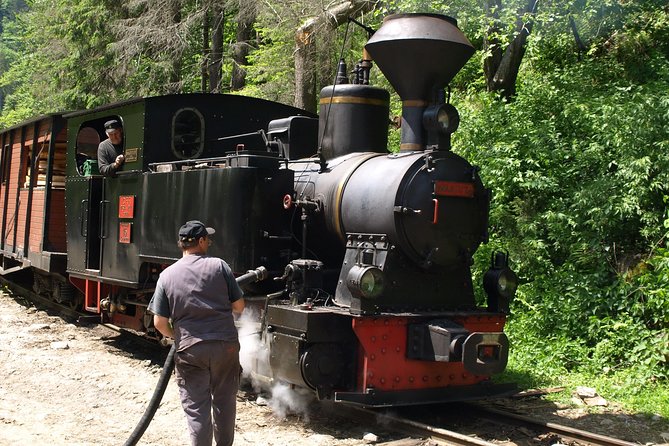
At Sarbi, the tour visits a group of water-powered farm machines that still operate for community needs. These include a fulling mill, a carding mill, a whirlpool, and an alcohol distillery.
This is a particularly useful stop for understanding local ingenuity. The machines show how water once powered practical work, and how some of that equipment remains useful rather than being preserved only as an old curiosity. You have about an hour, with no separate admission charge.
I would pay close attention here and ask the guide to explain what each machine does. Without that explanation, a fulling mill or carding mill can look like a pile of old wood and gears. With context, the stop becomes a clear lesson in local production.
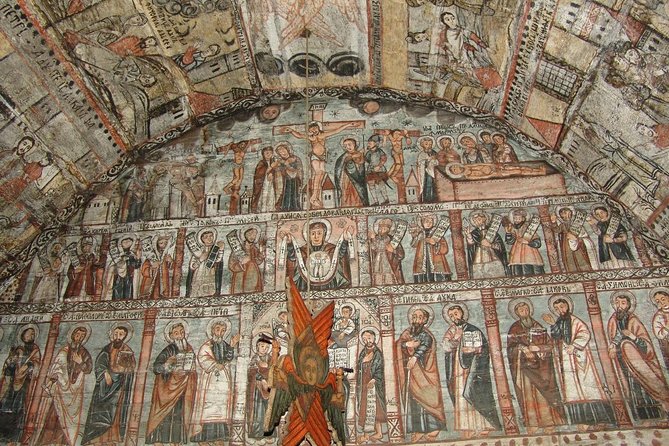
The last stop is Budesti, where you see Romania’s most unusual optical illusion and a fine medieval wooden church. The provided details do not explain the illusion, so let the guide reveal it rather than searching for an answer in advance.
The stop lasts about an hour before the return to Cluj-Napoca. This is a practical ending, but it also means the third day includes the journey back to the starting city. You should not expect a relaxed final afternoon in Budesti followed by a short transfer. The tour ends back at Piața Unirii 15.
Same corner of the country, a completely different day out:
- Curly Tour – Day trip from Cluj 🙂
★ 5.0 · 330 reviews - Cluj: Turda Salt Mine, Corvin Castle, Alba Carolina Tour
★ 4.8 · 184 reviews - Cluj-Napoca: 2.5-Hour Guided Walking Tour
★ 4.8 · 104 reviews - Turda salt mine 4h tour from Cluj
★ 5.0 · 73 reviews
What the $763.34 price covers
At $763.34 per person, this is not a budget bus excursion. The value depends on how much you want private transport, a local guide, organized access to village craftspeople, and overnight lodging in one package.
The price includes:
- Private transportation
- Two nights in 3-star accommodation
- Two breakfasts
- A professional local guide
- All entrance fees and taxes
You pay separately for meals other than the included breakfasts, along with drinks and snacks. Travel insurance, tips, souvenirs, and other personal expenses are also outside the price.
For a private three-day trip, the cost can make sense if you want the route arranged and do not want to coordinate several remote villages yourself. It is also more compelling if you value personal meetings and translation. If you mainly want a quick look at churches and scenery, the price may feel harder to justify.
Group discounts are offered, so check the total for your party before deciding. Since the activity is private, only your group takes part. That gives you a more personal format, although it does not mean the price automatically becomes low for a small party.
Who will enjoy this route most
You should consider this tour if you want to meet people connected to traditional work, not simply photograph old buildings. It suits you if museums, local history, religious architecture, and village customs all hold your interest.
It is also a good choice if you prefer a guide who can translate and build trust with local residents. The strongest feature of the trip is the human contact. The guide’s connection with the community can make the difference between looking at a workshop from the doorway and having a useful conversation with the person who works there.
You may want another type of trip if you dislike full sightseeing days, prefer free time, or want to choose your own restaurants and stops. Meals are not included, and the schedule links many places across three days. The route is focused and productive, but it is not loose or spontaneous.
I would also think carefully about the museums on day one. The Sighet prison memorial and Jewish cultural museum deal with communism, imprisonment, and the Holocaust. These are important places, but they bring a serious tone to a day that also includes the cheerful visual language of Merry Cemetery.
Practical details that affect the experience
The tour starts at 9:30 a.m. from Piața Unirii 15 in Cluj-Napoca, postal code 400394. It ends at the same meeting point after the Budesti visit and return drive.
You receive booking confirmation at the time of reservation in most cases. If you book within two days of departure, confirmation can take up to 48 hours and depends on availability.
Admission fees are included, which makes budgeting easier at the main paid stops. You still need money for meals, drinks, snacks, tips, souvenirs, and any other personal costs.
The cancellation rule is strict close to departure. You can receive a full refund if you cancel at least three full days before the start time. Cancellations or changes made later are not accepted for a refund, and the cut-off uses local time.
Should you book the Maramures tour?
Book it if you want a carefully arranged introduction to Maramures that balances memorable buildings with real encounters. The strongest reason to go is not simply the Merry Cemetery or the tall wooden churches. It is the chance to meet people who weave, carve, shape pottery, maintain old farm machines, and continue local customs in daily life.
The tour has earned a top rating from a small number of published reviews, and the clearest praise centers on the warmth of village meetings and the guide’s role in making them possible. If you are assigned Teo, his local relationships and translation skills may be a major asset.
Skip it if you want low-cost transport, lots of free time, or a light sightseeing schedule. At $763.34 per person, with most meals extra, you are paying for private organization and access, not just admission tickets.
For the right visitor, this is a strong three-day introduction to northern Romania. You return to Cluj with more than a list of monuments. You see how a place keeps its customs alive through work, memory, faith, and conversation.
FAQ
Where does the tour start?
It starts at Piața Unirii 15, Cluj-Napoca 400394, Romania.
What time does the tour begin?
The start time is 9:30 a.m.
Where does the tour end?
The tour ends back at the starting meeting point in Cluj-Napoca after the Budesti visit and return journey.
Is transportation included?
Yes. Private transportation is included.
Is this a private tour?
Yes. Only your group participates in the activity.
What accommodation is included?
The tour includes two nights in 3-star accommodation.
Are meals included?
Two breakfasts are included. Lunches, dinners, drinks, and snacks are not included.
Are admission fees included?
Yes. All fees and taxes are included, including admission for the listed paid attractions.
Just added around Cluj Napoca
- From Cluj-Napoca: Two Day Tour to Maramures★ 5.0 · 5 reviews
- 650cc Motorbike Rental from Turda★ 5.0 · 5 reviews
- CJ04 -Maramureș Adventure:Tradition, Folk Art &Scenic Beauty★ 5.0 · 5 reviews
- Maramures: 2 Days in Rural Romania★ 5.0 · 5 reviews
- Private tour to Turda Salt Mine, Rimetea and Alba Iulia★ 4.8 · 5 reviews
- Cluj-Napoca Walking City Tour★ 5.0 · 5 reviews
- Turda Salt Mine, Gorge & Rimetea Village (private from Cluj)★ 5.0 · 5 reviews
- Golden Circle of Transylvania★ 5.0 · 5 reviews
Cluj-Napoca Tours, compared.
Turda Salt Mine, Corvin Castle, Alba Carolina Tour
Read our review →
Turda Salt Mine, Corvin Castle and Alba Fortress from Cluj
Read our review →
Browse the lists this tour appears in