
Reviewed · COMMUNIST BUCHAREST TOURS
Bucharest: Communist Tour including Ceausescu Residence
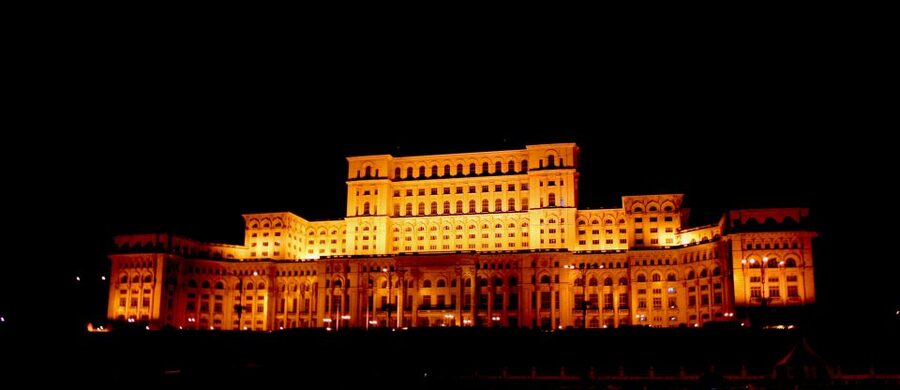
The most revealing part of this Bucharest tour may be the contrast between ordinary communist life and the Ceausescu family’s private world. You move from metro stations and a working-class neighborhood to the giant Palace of the Parliament, then finish inside the Spring Palace, where the ruling couple lived behind guarded doors.
I like the way the itinerary links buildings to daily life, rather than treating communism as a collection of grand monuments. I also like having a car or minibus, since Bucharest’s key sites are spread across the city. The main drawback is the price, $256 per person, and one important warning: a promised mansion bunker was not provided on one booking, so confirm exactly what is included before paying.
Key points
- Seven hours across Bucharest: The route connects metro stations, a workers’ neighborhood, Parliament, and the Spring Palace.
- A rare look at Ceausescu’s home: The Spring Palace shows how the dictator’s family lived away from public view.
- Daily life gets equal billing: The working-class district helps explain housing and routine under communism.
- Private transport saves time: A modern car, minibus, or coach handles the city’s wide gaps between stops.
- Guide quality matters: Claudia received special praise for clear English and strong knowledge of Bucharest and the Ceausescu period.
- Check special requests carefully: The standard experience includes the house, but not necessarily the bunker or photography at Parliament.
Bucharest’s communist story, told from street level
This is not just a tour of oversized government buildings. Its useful idea is simple: start with the city people used, then move toward the city Ceausescu wanted to display.
The first part usually takes you to communist-era metro stations. These are practical places, not polished museum rooms. They help you see how the regime reshaped movement around Bucharest and how public infrastructure fit into a larger plan for the capital.
From there, you head to a neighborhood built for the working class. This gives the tour a human scale. Apartment blocks, streets, and shared urban spaces say more about everyday life than a speech about ideology ever could. You get a sense of how housing was organized and how the state planned neighborhoods for workers.
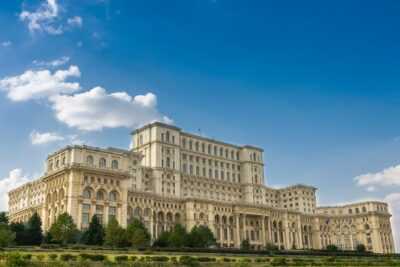
The route then turns toward the grandest symbol of Ceausescu’s rule, the Palace of the Parliament. Finally, the Spring Palace shows the private privileges of the family at the top. I like this progression because it gives you three views of the same era: public transport, ordinary housing, and elite domestic life.
More communist-era Bucharest walks:
- The Real tour of Communism
★ 5.0 · 666 reviews - Life under Communism
★ 5.0 · 358 reviews - 3-Hour Guided Tour of Communist Bucharest
★ 4.9 · 303 reviews
Metro stations built under Ceausescu
The metro stops are an early reminder that communist Bucharest was not frozen in the past. The regime built major infrastructure while also imposing severe limits on ordinary life. A station can look plain, functional, and slightly stark, but that is part of its value here.
Your guide can place the stations within the wider development of Bucharest. You are not simply checking off underground platforms. You are looking at how a government tried to modernize and control the capital at the same time.
The tour may include a ride on an older metro train associated with the Ceausescu period. That detail appeared in one account of the route, but the exact station sequence can vary. Ask your guide at pickup which stops are planned that day.
This part may be less dramatic than Parliament or the Spring Palace. It is also one of the more authentic sections, since you are seeing places built for use rather than display. Comfortable shoes matter, especially since the full day includes several visits and walking between vehicles, entrances, and buildings.
A working-class neighborhood and everyday life
The working-class district is the tour’s best counterweight to the grand central monuments. Ceausescu did not only rebuild showcase avenues. His urban plans also created large residential areas intended to house the labor force that kept the city operating.
As you pass through the neighborhood, pay attention to the scale and layout. The point is not to admire apartment blocks as architecture. It is to understand the practical side of state planning: where people lived, how districts were formed, and how daily routines were tied to the communist system.
Your guide is especially important here. A good explanation can connect the buildings to work, family life, and public services. Claudia was praised for her clear English and ability to explain both Bucharest and the Ceausescu era. Marcel was also singled out as a strong guide, while George was described as pleasant, even though a promised extra was missing from that booking.
The neighborhood stop also helps keep the tour from becoming a parade of dictator-related sights. You see the setting in which most people lived, not just the residences and offices of the ruling family.
The Palace of the Parliament and Project Bucharest
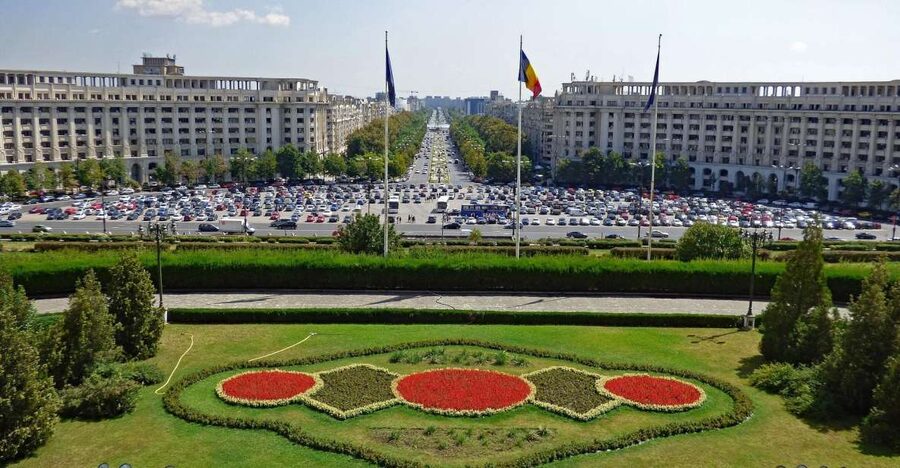
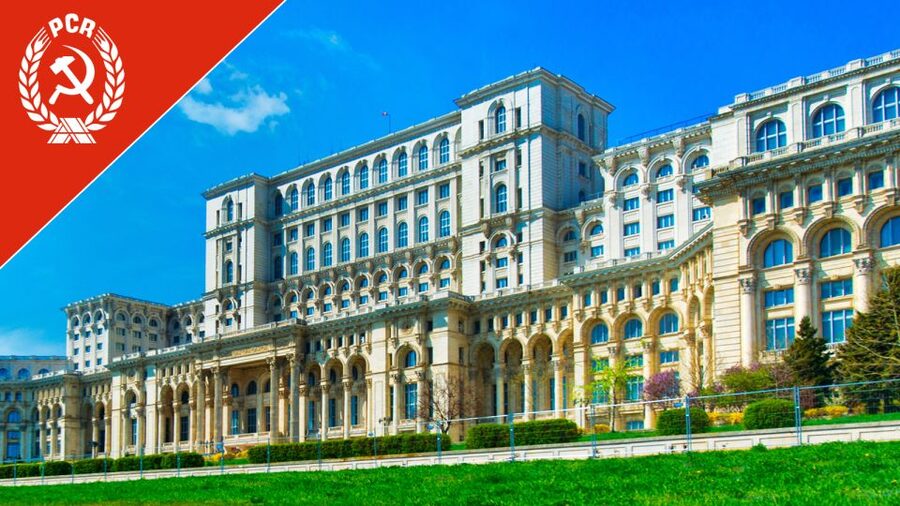
The Palace of the Parliament is the tour’s largest stop in every sense. Construction began as part of Ceausescu’s plan to rebuild Bucharest, known as Project Bucharest. The building was completed in 1997, after the end of communist rule, which adds another layer to its story.
Its scale is the point, but scale alone can become numbing. The guide’s job is to explain what the building meant politically and what its construction required from the city. The palace represents the desire to remake Bucharest around the image of the state and its leader.
Inside, you should expect a formal visit with a destination guide as well as your tour guide. One account specifically praised the guides at both Parliament and the Ceausescu house. That arrangement is useful because the local guide can frame the building within the city tour, while the official guide handles the site itself.
Allow extra patience here. One booking involved a wait of more than an hour despite a scheduled entry time. That may not happen on your visit, but it is a real planning risk. The seven-hour schedule is full, so a long delay could reduce time elsewhere.
The entrance fee is included, but the photography fee is not. If taking pictures inside matters to you, ask about the current charge before entering. Also bring your passport or ID card, as identification is listed among the required items.
The Parliament visit can be affected by official events. A past notice warned that access could be restricted during Romania’s presidency of the Council of the European Union. That specific period has passed, but the wider lesson remains: Parliament is a working state building, not a site with fully predictable access. Confirm availability when booking.
A few more Bucharest day trips to weigh up
- Bucharest: Dracula’s Castle, Peles Castle, & Brasov Old Town
★ 4.5 · 17,858 reviews - Bucharest: Dracula Castle, Peles Castle & Brasov Old Town
★ 4.6 · 10,891 reviews - Bucharest: Dracula’s Castle, Peleș Castle & Brașov Day Trip
★ 4.5 · 5,919 reviews - Bucharest: Palace of Parliament Tickets and Guide
★ 4.3 · 3,182 reviews
Spring Palace, the Ceausescu family home
The final stop, the Spring Palace, is the most intimate part of the day. Known in Romanian as Palatul Primaverii, it was the residence of the Ceausescu family.
This is where the tour shifts from public ambition to private comfort. The palace helps you examine the gap between the austerity experienced by much of the population and the protected household of the ruling couple. Rooms and domestic details can make that contrast easier to grasp than a political timeline.
The house is open Wednesday through Sunday, from 10:00 AM to 6:00 PM. That schedule matters. If your preferred day falls outside those hours, the final stop may not be possible, so check the calendar before reserving.
The standard inclusions list the entrance to Ceausescu House. They do not clearly promise access to a bunker. One person specifically booked a private tour with the bunker described as guaranteed, but it was not delivered and the experience received only a middling assessment. If the bunker is important to you, get written confirmation of access and any extra cost.
The Spring Palace is also a good reason to choose a tour rather than visit only Parliament. Parliament explains the state. The residence shows the family that directed it. Together, the two sites create a much clearer picture of power in communist Romania.
Other possible city stops
The exact route can include additional Bucharest sights, depending on the day and the time available. Stops mentioned in connection with the experience include Revolution Square, the North Railway Station, a Roma flower market, a synagogue viewed from outside, and a nature reserve on the edge of the city.
Do not treat every one of these as guaranteed parts of the advertised core itinerary. Ask for the planned route when the guide picks you up. That simple question helps you understand how much time will go to the four main sections and how much flexibility the driver has.
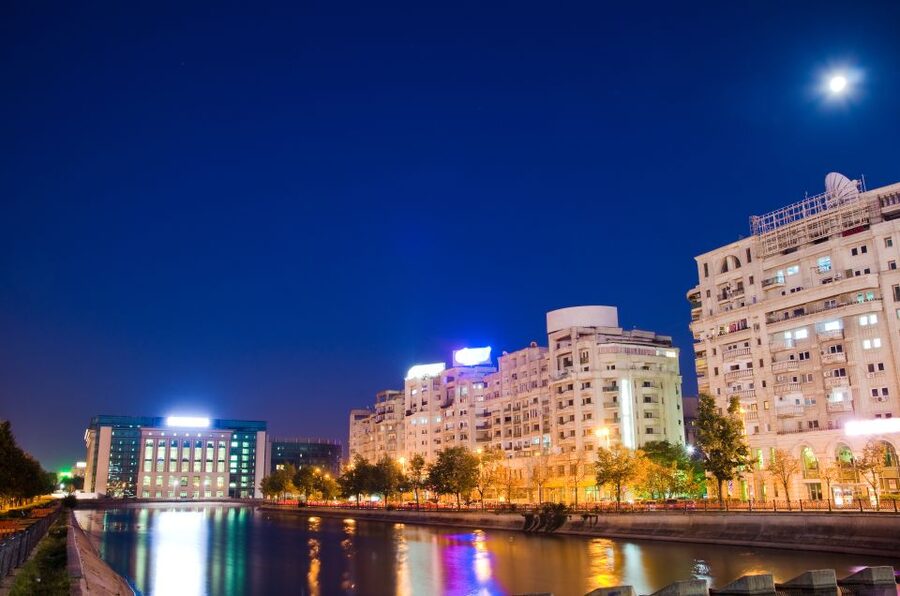
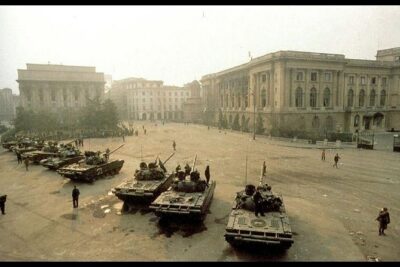
Revolution Square fits naturally into a communist history tour because it connects the city to the end of Ceausescu’s rule. The railway station and market offer more ordinary urban context. The synagogue and nature reserve broaden the picture beyond dictatorship, showing that Bucharest’s story includes many communities and settings.
One account noted that the nature reserve was viewed from a high-rise because of the weather. That is a useful reminder that side stops can change with conditions. The major paid sites are the reliable core; secondary views may depend on time and weather.
Transport, group size, and the seven-hour pace
Transport is provided in a modern, equipped car, minibus, or coach. That is a practical advantage in Bucharest, where the attractions are not all clustered together. You are collected from your hotel reception, which removes the need to find a meeting point at the start.
The experience is described as a private group, but group size can vary in practice. One booking had 26 people, and groups of more than 10 may receive special discounts. For shared trips, allow up to 30 minutes for a delay.
A large group can lower the per-person cost, but it also changes the feel of the day. With a small group, you can ask more questions and move faster. With a larger group, the guide must keep everyone together and waits at entrances can feel longer.
Seven hours is enough for a broad introduction, not a slow study of every location. You will cover a lot of ground in one day. That suits you if you want context quickly and prefer door-to-door transport. It may not suit you if you want long independent time inside each building.
The pace also depends on Parliament entry. A delay there can make the day feel rushed. I would ask at the beginning how much flexibility the guide has and which stops can be shortened if the palace schedule changes.
Guide quality can shape the whole experience
This tour depends heavily on the person in the front seat. The buildings are important, but their meaning is not always obvious. A guide who explains the political background and daily consequences of Ceausescu’s policies can turn a plain metro station or apartment district into a useful part of the story.
Claudia received especially strong praise for her historical knowledge and clear English. She led a route that included the Revolution Square, the Spring Palace, Parliament, the old metro, and other city sights. Marcel was also described as an excellent guide, and George was noted for being friendly.
Spanish, French, and German guides can be requested, while English is the listed live-tour language. Confirm the language you need before booking. If you have a particular interest, such as architecture, daily life, political history, or the 1989 revolution, tell the guide early so the explanations can match your priorities.
The official guides at Parliament and Spring Palace add another layer of information. Your main guide ties the stops together, while the site guides provide details inside the buildings. This is one reason the tour can work well for a larger group, though you should not expect every minute to be one-on-one conversation.
Is $256 per person fair value?
At $256 per person, this is not a cheap Bucharest sightseeing day. The value depends on what you would otherwise arrange yourself.
The price includes hotel pickup, transport, an English-speaking guide, and entrance fees to Parliament and Ceausescu House. You also get a route that links several locations that are awkward to combine by public transport in one day. For a small private group, that convenience may justify the cost.
The price is harder to defend if you are traveling alone, have a tight budget, or mainly want Parliament and Spring Palace. Lunch and personal expenses are not included, and Parliament photography costs extra. You are paying for the vehicle, planning, commentary, and time saved, not for meals or every optional feature.
A larger group may improve the value because discounts are available for groups over 10. I would also compare the cost with separate entry tickets and a normal city tour, but only if you are willing to handle transport and scheduling yourself.
The strongest value comes from the full story. If you want only famous buildings, the price may feel steep. If you want a guided explanation of how public works, workers’ housing, state power, and private privilege fit together, the day offers more than a basic monument visit.
Practical advice before you reserve
Bring a passport or ID card and wear comfortable shoes. Pets are not allowed, and the tour is not suitable for wheelchair users or people with mobility impairments.
Make the reservation at least 48 hours ahead. That advance notice is particularly important because the Spring Palace has fixed opening days and Parliament access can require careful scheduling.
Check the date for Spring Palace carefully. It opens Wednesday through Sunday, from 10:00 AM to 6:00 PM. Also confirm the exact pickup time, language, vehicle type, and group size.
If you care about photographs, ask about the Parliament photography fee. If you care about a bunker visit, ask specifically if it is included, rather than assuming the Spring Palace entry covers it.
Free cancellation is available up to 24 hours before the tour for a full refund, and you can reserve now and pay later. Those options help if your Bucharest plans are still shifting.
Who should book this Bucharest tour?
I would recommend this experience to you if you want a serious introduction to communist Bucharest in one day and prefer a guide to connect the sites. It is especially useful for first-time visitors who would not know how to combine metro stations, housing districts, Parliament, and Spring Palace efficiently.
It also suits families, private groups, and people who value hotel pickup. The car or minibus keeps the day manageable, and a larger group can receive a discount.
I would hesitate if you dislike structured sightseeing, need wheelchair access, or want a slow visit with lots of free time. I would also hesitate at the full $256 price unless the group size, transport, language, and special visits are clearly confirmed.
My call: book it if the communist period is a main reason for your Bucharest visit, but confirm the Spring Palace date, Parliament entry, photography rules, and any bunker request before you commit. The tour’s best feature is its contrast between ordinary city life and the Ceausescu family’s protected world. That is what turns a busy sightseeing schedule into a useful history lesson.
FAQ
How long does the Bucharest communist tour last?
The tour lasts seven hours.
Where does pickup take place?
Pickup is arranged from your hotel reception.
What transport is provided?
Transport is provided by a modern, well-equipped car, minibus, or coach.
What language is the tour conducted in?
English is the listed live-tour language. Spanish, French, and German guides can be requested.
Is the tour private?
The activity is listed as a private group experience. Shared trips may have delays of up to 30 minutes, and one recorded booking had a group of 26 people.
Which major attractions are included?
The route includes communist-era metro stations, a working-class neighborhood, the Palace of the Parliament, and Ceausescu’s Spring Palace, also called Palatul Primaverii.
Is lunch included?
No. Lunch and personal expenses are not included.
Are entrance fees included?
Entrance fees for the Palace of the Parliament and Ceausescu House are included. The photography fee at Parliament is excluded.
What should I bring?
Bring a passport or ID card and comfortable shoes.
Can I visit the Spring Palace every day?
No. The Spring Palace can be visited Wednesday through Sunday, from 10:00 AM to 6:00 PM.
Can wheelchair users join the tour?
The tour is not suitable for wheelchair users or people with mobility impairments.
Can I cancel for a refund?
You can cancel up to 24 hours in advance for a full refund. You can also reserve now and pay later.
Just added around Bucharest
- Private Full Day Tour of Bucharest★ 5.0 · 3 reviews
- Veliko Tarnovo and Medieval Bulgaria Private Day Trip from Bucharest★ 5.0 · 3 reviews
- Bucharest VIP Bar Crawl in Lipscani ‘Old Town’★ 5.0 · 3 reviews
- Bucharest Private City Tour★ 5.0 · 3 reviews
- Muddy Volcanoes and Salt Mine Private Tour★ 5.0 · 3 reviews
- Legends & Stories from Transylvania -2 Castles & Brasov Old Town★ 5.0 · 3 reviews
- Transfagarasan Private Tour from Bucharest – 2 Days★ 5.0 · 3 reviews
- 7-Day Dracula Tour in Romania from Bucharest including ‘The Ritual of Killing of a Living Dead’★ 5.0 · 3 reviews
Communist Bucharest Tours, compared.
Bucharest Essential Tour: Old Town, Calea Victoriei & Communism
Read our review →
Communism in Bucharest – Landmarks, Museum & Communist Appetizers
Read our review →
Browse the lists this tour appears in