
Reviewed · TIMIȘOARA TOURS
Timisoara Dream Tour in Elisabetin Neighborhood
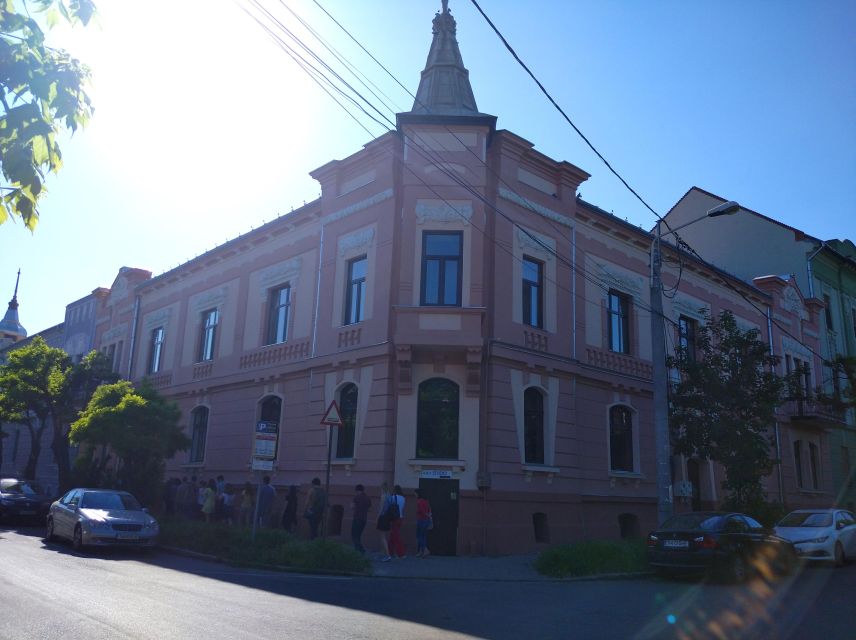
Elisabetin gives you a different Timișoara: quiet streets, refined old houses, Secession-style details, and stories tied to the city’s modern identity. The walk begins near Maria Square, close to where the 1989 Romanian Revolution started, then moves through a residential district many visitors could easily miss.
I like the clear architectural focus, especially the sequence from Plevnei Square to Gheorghe Doja Street and Carmen Sylva Park. I also like the historical range, from neighborhood life in the late 19th century to the work of architect László Székely and the events of 1989. The main consideration is simple: this is a 2.5-hour walk in all weather, with no food, drinks, or large bags included.
Key points
- Art Nouveau in everyday streets: See Secession-style façades across Elisabetin rather than only famous monuments.
- A direct link to the 1989 Revolution: Maria Square and the Protestant church area provide important modern Romanian history.
- A route through seven notable stops: The walk connects Mocioni Square, Plevnei Square, Carmen Sylva Park, Mihai Viteazu Boulevard, and Bălcescu Square.
- Architect László Székely’s legacy: Learn about the chief architect who helped shape modern Timișoara.
- A small-group walking price: At $30 per person, the tour offers 2.5 hours of guided context without extra admission charges.
- Three language choices: You can take the tour in Romanian, English, or French.
Why Elisabetin rewards a slower walk
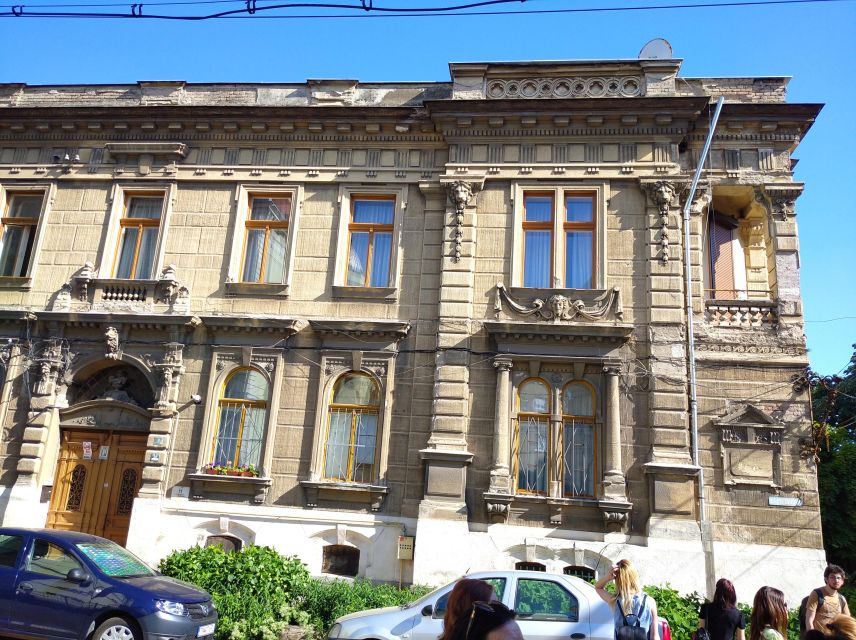
Timișoara’s central squares often get the first look, and rightly so. But Elisabetin shows how the city continues beyond its headline sights. This former residential area has a quieter rhythm, with older apartment buildings and villas carrying decorative details that are easy to miss if you simply pass through.
The value here is not one grand monument. It is the way the neighborhood works as a whole. A doorway, corner tower, curved balcony, or plaster ornament can tell you more about the tastes and ambitions of the city around 130 years ago.
The tour also gives you a useful time span. You hear about the neighborhood at the end of the 19th century, then move toward the architecture of the early modern city and the political events of 1989. That makes Elisabetin more than a pretty walk. It becomes a way to connect Timișoara’s buildings with the people and events that shaped them.
Expect a steady walking tour rather than a stop-and-snap outing. The supplied plan allows about 20 minutes at each major point, though the guide may adjust the pace according to the group and the amount of discussion.
A few more Timisoara day trips to weigh up
- The Classic Tour of Timisoara
★ 5.0 · 154 reviews - Weekly Guided Tour in English – Tuesday, Thursday, Saturday
★ 5.0 · 84 reviews - Timisoara All in One – Walking and Tram Tour
★ 5.0 · 72 reviews
Starting at Mocioni Square
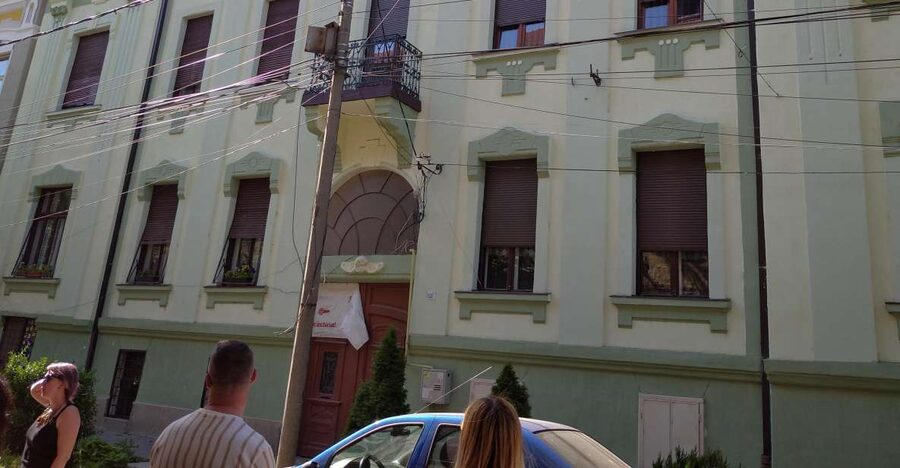
The meeting point is Mocioni Square, also known as Piața Alexandru Mocioni. Look for a guide wearing a red coat. That is the practical detail that should make the meeting easier, especially if the square is busy or you are arriving from another part of the city.
The square begins the tour in a sensible way. It places you in the Elisabetin area before the walk moves toward its best-known historical and architectural stops. Your guide provides flyers with useful information, so you have something to refer to during the walk or later when you are trying to remember the names of streets and buildings.
The first guided portion lasts about 20 minutes. I would use this time to settle into the walking pace and ask how the neighborhood developed. If you have an interest in architecture, tell the guide early. If your main interest is the Revolution, say so as well. The tour has enough historical material to serve both interests.
Maria Square and the beginning of the Revolution
The route continues to Piața Sfânta Maria, or Maria Square. This is one of the most important stops because the 1989 Romanian Revolution began nearby, close to the Protestant church.
The guide explains the events connected with the start of the protests and places them in the setting of the surrounding neighborhood. That setting matters. Political history can feel distant when you hear it only as a list of dates. Here, you are standing in the area where people gathered and where the first demonstrations began.
The stop also returns to daily life in Elisabetin at the end of the 19th century. This contrast is one of the tour’s strengths. You are not asked to look at old façades as decoration alone. You hear about how the district functioned, then move forward to the events that changed Romania nearly a century later.
Allow roughly 20 minutes here. The Protestant church is an important reference point, but the stop is not described as an interior visit. This is an outdoor walking tour, so plan to listen in the square and along the nearby streets rather than expect a church tour.
Plevnei Square and the Doja statue
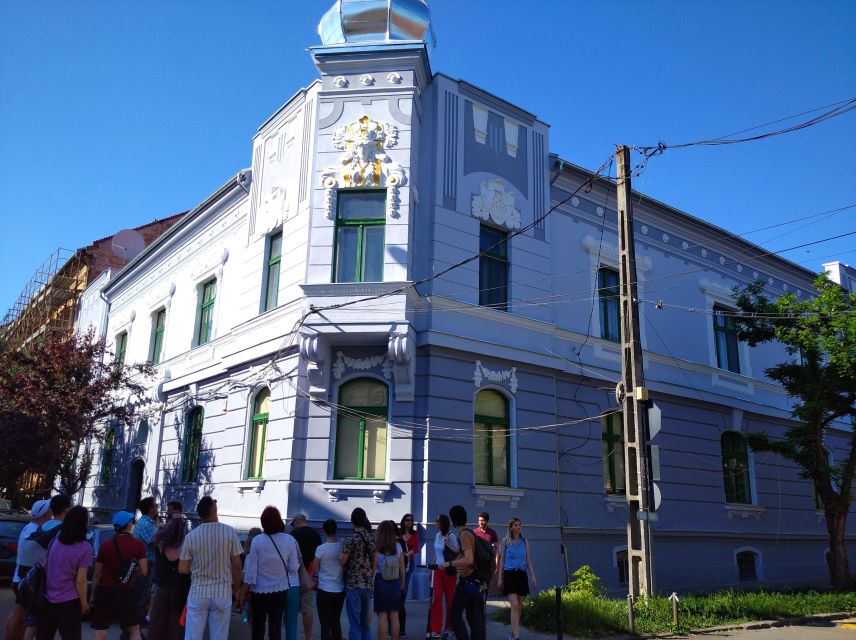
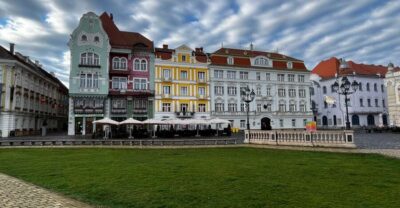
At Piața Plevnei, the architecture takes center stage again. Buildings around the square show Art Nouveau and Secession influences, with decorative details that reward a closer look.
The statue of Gheorghe Doja sits in the middle of the space. Its presence adds a historical focus to a square already shaped by architecture. Your guide can help you connect the public monument with the surrounding façades, rather than treating the statue and buildings as unrelated sights.
This is a good stop for anyone who likes urban design. You can compare how the buildings frame the open square and notice how ornament is used on residential architecture. I would avoid rushing here. The appeal is in looking upward and across the square, not just checking off the stop and moving on.
The route allocates about 20 minutes to Plevnei Square. Since the tour takes place rain or shine, weather may affect how comfortably you can study the details. Wear shoes suited to city walking and bring weather protection, even if the forecast looks uncertain.
Same corner of the country, a completely different day out:
- Timisoara: Guided Walking Tour
★ 4.9 · 38 reviews - Day trip to Corvin Castle and Sibiu (and back) from Timisoara
★ 5.0 · 30 reviews - Timișoara Highlights – Walking Tour
★ 5.0 · 28 reviews - Danube Gorge & Banat Waterfalls
★ 5.0 · 27 reviews
Gheorghe Doja Street and the main artery
The walk then follows Gheorghe Doja Street, one of the main arteries through this part of Elisabetin. The change from square to street is useful because it lets you see how the architectural style continues in a less formal setting.
Here, the guide points out interesting buildings along the route. The information provided does not identify every building by name, so you should expect a guided look at selected façades rather than a fixed list of interiors or monuments. That can be an advantage. The experience is about learning how to read the neighborhood, not only memorizing famous addresses.
I find this kind of street section valuable because it slows you down in a place you might otherwise cross without thought. Details that seem ordinary from a passing car become easier to spot on foot. The guide’s explanations give those details a place in the story of Timișoara.
This portion may be especially useful after the square. You have already seen a concentrated group of decorated buildings, and Gheorghe Doja Street shows how the style appears along a longer urban corridor.
Carmen Sylva Park and László Székely
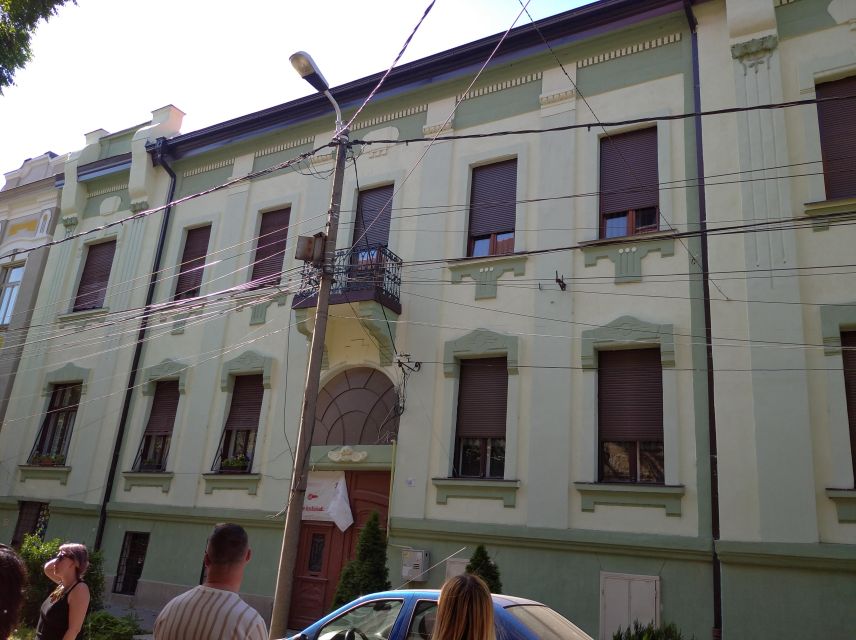
At Carmen Sylva Park, the tour shifts toward public space and civic architecture. A new Greek Catholic church was built here, giving the park a strong religious and architectural marker.
You also see a statue of László Székely, the chief architect associated with the creation of modern Timișoara. This is one of the most distinctive stops on the route because it gives you a person to associate with the city’s built character.
The tour does not present architecture as anonymous background. By introducing Székely, it gives you a way to think about the choices behind the façades, street lines, and public buildings. If you have already seen other parts of Timișoara, this stop may help you connect those places to the same period of urban growth.
The park is scheduled for about 20 minutes. It should provide a change from closely packed streets, though the tour remains focused on outdoor sights and explanation. The church is part of the visual route, but no interior admission is included.
Mihai Viteazu Boulevard and the Faculty of Mechanics
From Carmen Sylva Park, the route continues toward Mihai Viteazu Boulevard. This section brings more representative buildings into view, including the Faculty of Mechanics.
The boulevard helps broaden the tour beyond residential architecture. You see how Elisabetin and nearby areas combine homes, institutions, religious buildings, and public streets. That mix is important if you want to understand Timișoara as a functioning city rather than a collection of preserved façades.
The Faculty of Mechanics also adds an educational and institutional element to the route. The supplied details do not promise an interior visit, so plan to view the building from the outside while the guide explains its place among the area’s notable structures.
A 20-minute stop here keeps the walk moving. You get enough time to hear the key points and examine the building without turning the tour into a long architectural lecture. Still, anyone seeking extensive technical detail about construction methods or individual architects may want to ask questions directly.
Bălcescu Square and the Catholic church
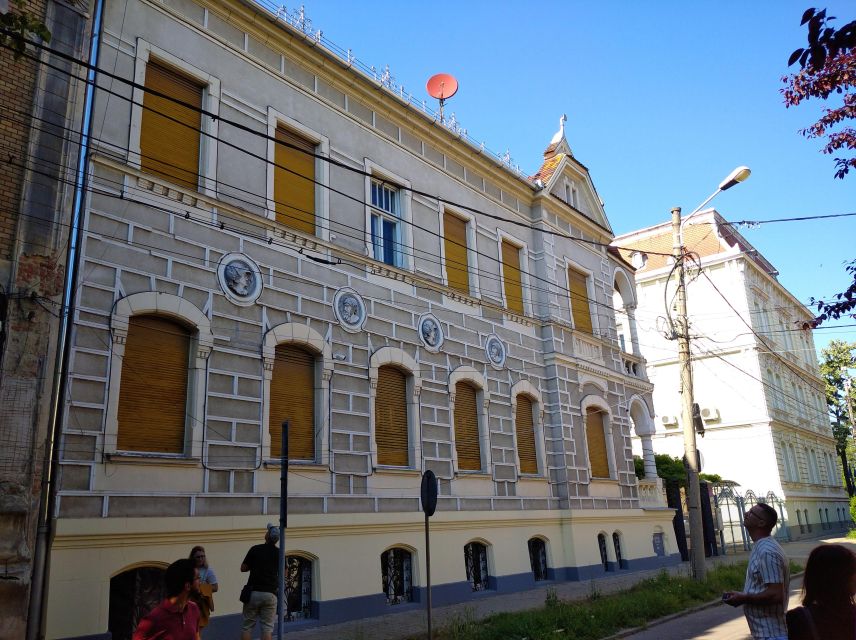
The final major stop is Piața Nicolae Bălcescu, also called Bălcescu Square. The tour ends here after visiting the Catholic church and the monastery building located around the square.
This is a fitting finish because the square gathers several of the tour’s themes in one place: religious architecture, urban design, and representative historic buildings. You also admire buildings on Mihai Viteazu Street and part of Tudor Vladimirescu Street before reaching the endpoint.
The Catholic church gives the final section a clear visual focus. The monastery building adds another layer, showing how religious institutions form part of the neighborhood’s architectural story. Again, this is primarily an exterior walking experience, so you should not book it expecting extended time inside the church or monastery.
Ending at Bălcescu Square is practical. You are not returned to Mocioni Square, so check your plans before starting. The route is linear, and the final location may be useful if you want to continue exploring on your own.
What $30 buys you
The price is $30 per person for 2.5 hours with a live guide. That works out to about $12 per hour, before considering the value of having the buildings and historical events explained as you walk.
There are no listed entrance fees or food stops. That keeps the price easy to understand, but it also means the value depends on the quality of the commentary and your interest in neighborhood architecture. This is not a package with tastings, museum tickets, or transport. It is a focused walking tour.
I think the price is fair if you want context that you would not get from looking at buildings alone. The route covers several squares, streets, public spaces, and religious buildings, so you receive a broad introduction to Elisabetin rather than a short stroll around one landmark.
The strongest value comes for first-time visitors to Timișoara who want a local district explained clearly. If you already know Elisabetin well, the price may feel less compelling unless you want the historical stories or a guide in Romanian, English, or French.
Practical details for a comfortable walk
The tour lasts 2.5 hours and takes place outdoors. Since it runs rain or shine, comfortable shoes and suitable clothing are essential. There is no promise of shelter during every explanation, so a raincoat or umbrella is sensible in uncertain weather.
Large bags and luggage are not allowed. Leave suitcases elsewhere before meeting the guide, and carry only what you need for a city walk. Food and drinks are not included, so bring water if you need it.
The guide speaks Romanian, English, or French. The live format matters here because the route contains several layers of history, and you can ask for clarification as the walk progresses. The guide wears a red coat, which should help you identify the meeting point at Mocioni Square.
You can cancel up to 24 hours before the tour for a full refund, and you can reserve now while paying later. Those terms are useful if your Timișoara schedule is still changing, but the main planning issue remains the weather and the linear finish at Bălcescu Square.
Who will appreciate this Elisabetin walk
I would choose this tour if you enjoy architecture, urban history, or seeing a city outside its central postcard spots. The route suits people who like to walk at a moderate pace and stop often for explanation.
It is also a good choice if you have already seen Timișoara’s central sights and want a second layer. Elisabetin gives you a residential setting, and the guide helps you notice details you might otherwise pass without understanding.
The tour may be less suitable if you want food, museum interiors, transport, or a very short introduction. It is also not the right pick if carrying luggage is unavoidable. The walk asks for 2.5 hours of attention, and its appeal depends on your willingness to look closely at streets and façades.
The available feedback is notably strong. The experience has a 5 out of 5 rating from three reviews, with particular praise for the guide’s ability to explain the town, its history, and an area people might not normally see. One verified booking specifically described the neighborhood as beautiful and unusually easy to miss without a guide.
Should you book the Timisoara Dream Tour?
Book it if you want to understand Timișoara through Elisabetin’s buildings and stories, not just its central attractions. The connection between Maria Square and the 1989 Revolution gives the tour real historical weight, while Plevnei Square, Carmen Sylva Park, and Bălcescu Square provide a strong run of architectural sights.
At $30, it is a sensible buy for a 2.5-hour guided walk, especially if you value explanation more than included extras. Skip it if you are looking for tastings, indoor visits, or a flexible route that ends where it starts.
For most visitors with an interest in Timișoara’s architecture and modern past, I would book it early in the trip. It gives you a useful map of Elisabetin, and you can return later to explore the streets at your own pace.
FAQ
Where does the tour start?
The tour starts at Mocioni Square, also called Piața Alexandru Mocioni.
Where does the tour finish?
The tour finishes at Piața Nicolae Bălcescu, also known as Bălcescu Square.
How long does the tour last?
The tour lasts 2.5 hours.
What languages are available?
The live guide can conduct the tour in Romanian, English, or French.
How do I identify the guide?
The guide will be wearing a red coat.
Is food or drink included?
No. Food and drinks are not included in the tour price.
Can I bring luggage or a large bag?
No. Luggage and large bags are not allowed.
Does the tour operate in bad weather?
Yes. The tour takes place rain or shine, so bring suitable clothing and footwear.
Just added around Timisoara
- Timisoara: Jewish Heritage Walking Tour★ 5.0 · 4 reviews
- Nera Gorge National Park – Private Day Tour from Timisoara★ 4.5 · 4 reviews
- Timisoara: Private Walking Tour with a Local Guide★ 4.5 · 5 reviews
- Timisoara Downtown Dream Tour★ 5.0 · 5 reviews
- The Jewish Heritage Tour of Timisoara★ 5.0 · 9 reviews
- Day Trip to Turda Salt Mine and Corvin Castle from Timisoara★ 5.0 · 10 reviews
- Timisoara Downtown Dream Tour★ 4.9 · 12 reviews
- Timisoara: Grand Communism Tour★ 4.9 · 13 reviews
Timișoara Tours, compared.

Weekly Guided Tour in English – Tuesday, Thursday, Saturday
Read our review →
Day trip to Corvin Castle and Sibiu (and back) from Timisoara
Read our review →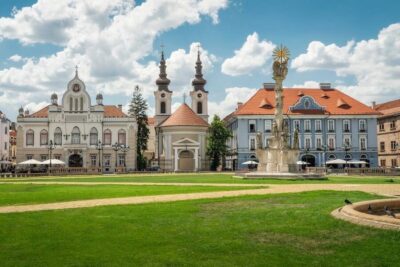

Browse the lists this tour appears in