
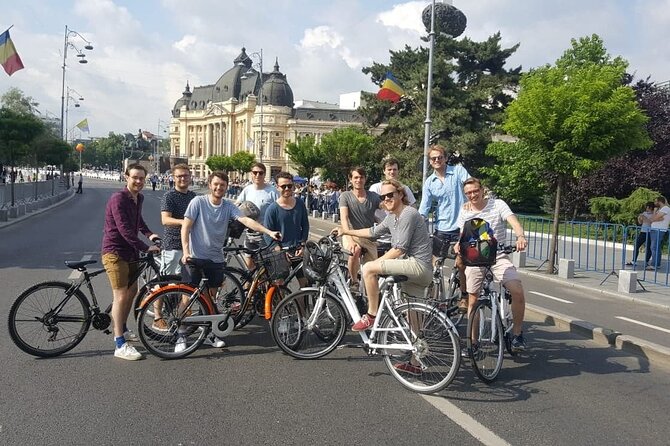
Reviewed · COMMUNIST BUCHAREST TOURS
Bucharest Communist Bike Tour
Bucharest’s communist past makes more sense when you move through the city in sequence: the old social order, the first communist ambitions, Ceausescu’s grand projects, and the regime’s fall. This four-hour bike tour links those chapters without making you walk long stretches between them.
I like the way the route pairs famous places with less familiar ones, especially Casa Radio, an unfinished project tied to an unrealized communist history museum. I also like the private format, since your own group can ask questions and set the pace within the planned stops. Guide Alex is described as both well informed and excited by Romania’s past, which matters on a subject that can quickly become a dry list of dates.
The main consideration is that the tour is built around outdoor explanations, and several stops are brief. At $54.13 per person, the value is strongest if you want context and conversation, not simply a bicycle ride past Bucharest’s sights. Check the bike arrangements when booking, since the listed inclusion names the local guide but does not spell out the equipment.
Key points to know before you book
- Casa Radio shows communist ambition left unfinished: You see how a plan for a huge museum never reached completion.
- The route connects seven major stops: The old center, Patriarchal Cathedral, Parliament, Bragadiru Palace, the National College of Defence, Casa Radio, and Revolution Square all fit into one outing.
- The story follows a clear timeline: The tour moves from pre-communist society to the rise, reach, and collapse of the regime.
- The private format suits question-askers: Only your group participates, so the guide can respond to your interests.
- You get a practical choice of timing: The experience is offered in morning or afternoon slots, with a listed start time of 9:30 a.m.
- The tour is history focused, not food focused: Food and drinks are not included, so plan those separately.
Why a bicycle works well for Bucharest’s communist story
Bucharest’s important political sites are spread across the center. A walking tour can cover some of them, but the bicycle format helps you shift from the old city to the monumental avenues and western projects without spending the whole morning on foot.
The bike also gives the tour a useful sense of scale. Communist planning was not only about buildings. It was about clearing areas, redirecting movement, creating grand approaches, and placing government power in full view. Moving between stops lets you see those choices as part of one city rather than as isolated sights.
You should expect the guide to stop, explain the setting, and then ride on. This is not presented as a fast cycling excursion or a technical bike tour. The listed times range from five minutes at Bragadiru Palace to 40 minutes at the CEC Palace area, so the emphasis is on short historical talks at a series of places.
The private setup is useful here. Communist history can raise questions about politics, memory, and daily life. With only your group participating, you can ask for clarification instead of waiting through a standard speech aimed at a large crowd.
More Bike Tours in Bucharest
- Bucharest: Half Day Bike Tour
★ 4.9 · 379 reviews - Bucharest Half a Day Bike Tour
★ 5.0 · 325 reviews - Bucharest: 2-Hour City Highlights Bike Tour
★ 4.8 · 269 reviews
Old Bucharest at the CEC Palace, 40 minutes
The tour begins around the CEC Palace in the Old City Center, where the guide sets up the story before communism took power. This is a smart starting point. You first see the society, institutions, and city that the new regime would later try to reshape.
The CEC Palace gives the opening section a strong visual anchor, but the point is larger than the building itself. The guide uses the old center to explain what Bucharest was like before the communist takeover and how social structures shaped the city.
At 40 minutes, this is the longest stop. That tells you something about the tour’s method. The guide is not rushing straight to the Palace of Parliament. You get a foundation first, which makes the later discussion of forced change easier to follow.
This stop should suit you if you want more than a list of communist landmarks. It may feel slow if you have already taken a detailed Old City tour and only want the Ceausescu-era material. Still, the opening context is valuable because the communist period did not appear from nowhere.
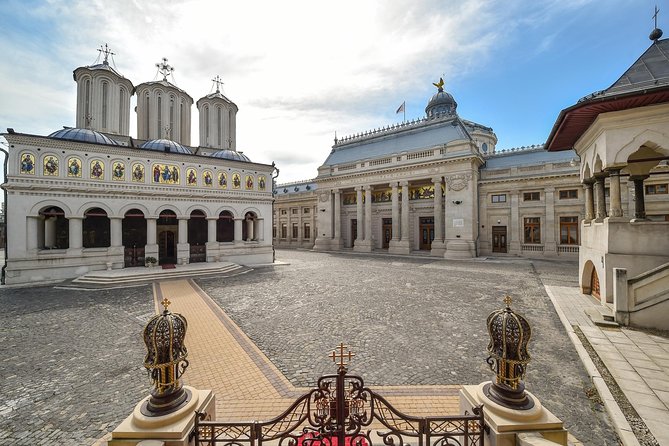
Patriarchal Cathedral and the first power struggle
The next stop is the Patriarchal Cathedral, visited for about 15 minutes. Here the focus shifts to the first Romanian Parliament and the first communist attempt to take power.
That pairing gives the tour an important political angle. The cathedral is not treated only as a religious sight. It becomes part of the story of Romanian government and the early contest for control.
Fifteen minutes is enough for an explanation and a look around, but not for a long visit. You should think of this as a focused history stop rather than a cathedral tour. The supplied details do not say that you enter the building, so expect the guide to use the location as a setting for the discussion.
The brief format keeps the bike route moving. It also means you should listen closely and ask questions while you have the guide nearby. If you want extensive time inside religious buildings, this tour may not give you enough of it.
The Palace of Parliament and communist megalomania
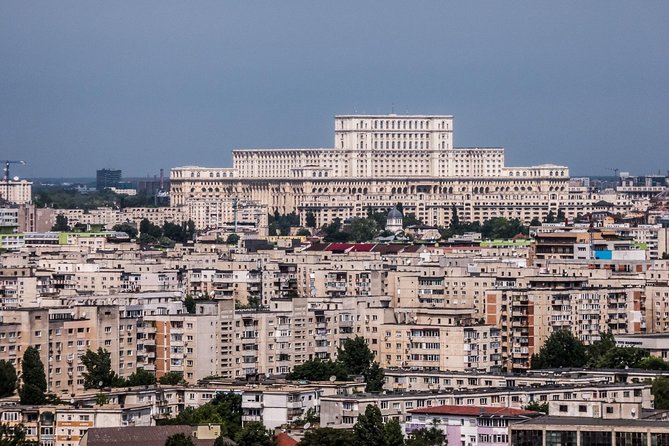
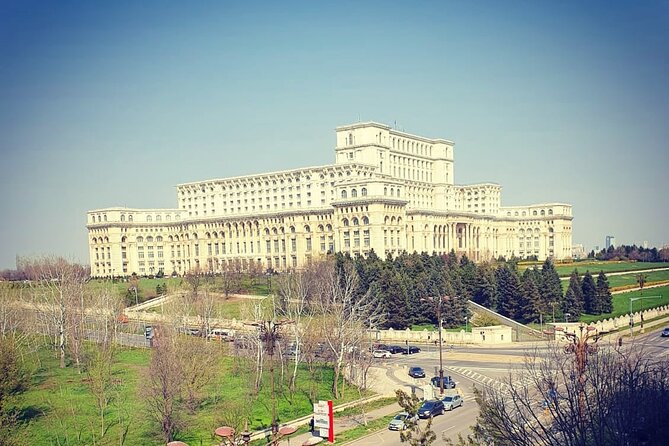
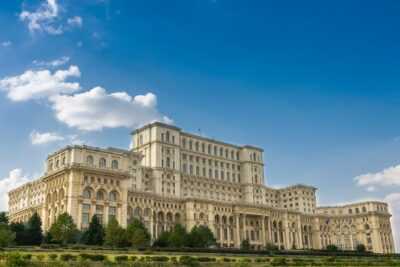
The Palace of Parliament is the route’s most obvious symbol of communist power. The stop lasts about 15 minutes and centers on what is described as the final megalomaniac communist project.
You do not need much imagination to understand why this building belongs on the route. Its size and political meaning make it a clear expression of Ceausescu’s vision. The important point here is not simply that the building is huge. It is what the project says about state power, priorities, and the cost of a leader’s grand plans.
The short visit appears designed for an outside explanation rather than a full interior tour. No entry ticket is listed, and the activity description does not promise an interior visit. If seeing the inside of the Palace of Parliament is a top priority, treat this bike tour as a historical introduction and arrange a separate visit if available.
I like having this stop in the middle of the route rather than using it as the whole story. Bucharest’s communist past was more than one giant building. The earlier stops explain the political shift, while the later ones show the regime’s wider reach and eventual collapse.
More communist-era Bucharest walks:
- The Real tour of Communism
★ 5.0 · 666 reviews - Life under Communism
★ 5.0 · 358 reviews - 3-Hour Guided Tour of Communist Bucharest
★ 4.9 · 303 reviews - Bucharest Essential Tour: Old Town, Calea Victoriei & Communism
★ 5.0 · 142 reviews
Bragadiru Palace and the contrast between two social orders
Bragadiru Palace receives only five minutes, making it the quickest stop. Its purpose is contrast: the old social order beside the new communist one.
Because the visit is so short, do not expect a detailed architectural examination. The value comes from the guide’s comparison. A historic palace can help you picture the class structure and urban culture that existed before communism, then consider how the regime tried to replace or suppress those patterns.
This is a good example of why the tour needs a guide. On your own, you might admire the building and move on. In the tour’s sequence, it becomes evidence in a larger argument about social change.
Five minutes may feel too brief if you want photographs or a proper look at the palace. The stop works best as a visual pause between the Parliament district and the next political chapter.
The National College of Defence and the Soviet role
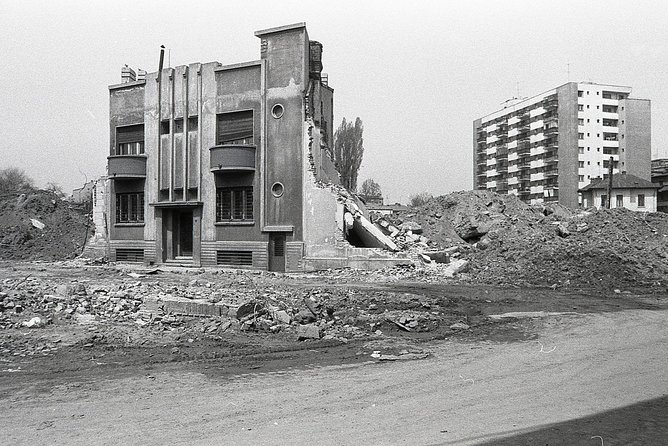
At the National College of Defence, the tour spends about 20 minutes on a more unusual subject: the counterfactual story of the Russian army and the communist movement being presented as liberators from a fascist government.
This stop appears to focus on political framing and competing versions of the past. The word counterfactual matters. You are not only hearing what happened. You are also considering how events could have been described differently, and how political movements used the language of liberation to gain support.
That makes this one of the more thought-provoking sections of the route. Communist governments did not rely only on buildings and police power. They also shaped public explanations of the past. The guide can connect military presence, political messaging, and the changing story told to the public.
Twenty minutes gives this topic more room than the five-minute Bragadiru stop. You may appreciate that extra time if you like political history. If you prefer a simple sightseeing ride, this section could feel dense. The private format helps, since you can ask the guide to explain terms or put the events in a clearer order.
Casa Radio, an unfinished museum of communist history
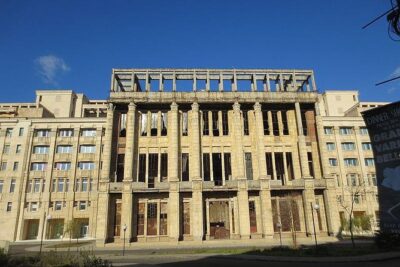
Casa Radio is one of the route’s most intriguing stops. The tour gives it 10 minutes and explains that the need for a historical background led to plans for the largest communist history museum in the world. The project remained unfinished.
An abandoned or incomplete building can sometimes tell you more than a polished monument. Casa Radio shows ambition without completion. It raises questions about what the regime wanted to preserve, how it wanted to explain its own story, and what happened when those plans outlasted the political system behind them.
The stop also keeps the tour from becoming a familiar parade of major landmarks. You get a less obvious piece of Bucharest’s communist story, one that is tied to propaganda, memory, and failed construction.
Ten minutes is enough to understand the basic idea, but not enough for a long architectural study. The interest lies in the project’s meaning. You should pay attention to the explanation rather than expect a formal museum visit. The supplied details do not indicate that Casa Radio operates as a visitor museum or that you go inside.
Revolution Square and the fall of Ceausescu
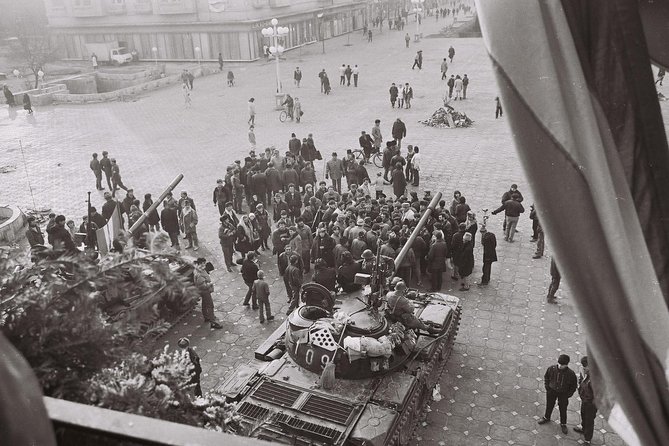
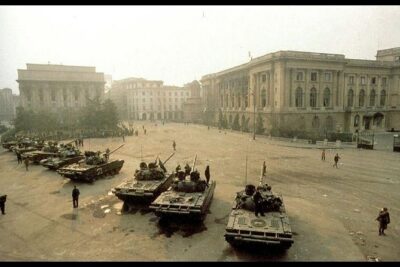
The final major stop is Revolution Square, where the tour spends about 30 minutes discussing the fall of the communist system and the end of Ceausescu’s rule.
This is a fitting close because the route has moved from the old society to the communist takeover, from ambitious state projects to the regime’s collapse. Revolution Square gives the ending a real place rather than leaving the story at the level of dates and names.
Thirty minutes allows the guide to explain the final events at a measured pace. The square’s importance comes from its connection to the end of the regime, so this is likely the point where the earlier stops come together.
It also gives you time to think about the contrast between official power and sudden political change. The tour’s strongest feature is this timeline. You are not simply checking off seven locations. You are following a rise and fall through Bucharest’s streets.
What the $54.13 price gets you
At $54.13 per person, this is not the cheapest way to see Bucharest. The price makes more sense if you place a high value on a private guide, a four-hour route, and historical explanation at each stop.
Admission is listed as free at the stops, and food and drinks are not included. You are paying mainly for the guide’s time, the organized route, and the ability to cover distant points by bike. Since only your group participates, the experience has a more personal feel than a large scheduled group tour.
The value depends on your interests. If you already know Romanian communist history and only want a cheap way to ride around, the price may seem high. If you are trying to understand why Bucharest looks the way it does, the guided context can justify the cost.
I would also confirm how the bicycle is supplied before paying. The experience is a bike tour, but the stated inclusions name only a local guide. That is a small but important practical point, especially if you are comparing this with other cycling activities.
Timing, pace, and who should book
The tour lasts about four hours and is offered in morning or afternoon versions. A 9:30 a.m. start is listed, so check the exact time shown for your chosen date. A morning ride can leave the rest of your day open for museums, cafes, or a separate Palace of Parliament visit.
Children must be accompanied by an adult. Most people can participate, and the meeting point is near public transportation at Strada Operetei 12 in Bucharest. The route returns to that same meeting point.
The tour is best for you if you:
- Want a clear introduction to Romania’s communist period
- Prefer moving between sights instead of walking the whole route
- Enjoy asking a guide questions
- Have four hours for a focused city experience
- Want both famous landmarks and less familiar places such as Casa Radio
It may not suit you if you want extensive interior visits, a food stop, or a relaxed sightseeing ride with little historical talk. The schedule has seven stops, so the pace includes regular movement and short explanations.
Free cancellation is available if you cancel at least 24 hours before the start time. Changes or cancellations inside that window are not accepted for a refund, and the activity requires a minimum number of participants. If the provider cancels because that minimum is not met, you are offered another date or experience, or a full refund.
Should you book the Bucharest Communist Bike Tour?
Book it if you want Bucharest’s communist period explained as a connected story rather than viewed through one famous building. The route handles the subject in a useful order, and the private format gives you room to ask questions. Guide Alex’s energetic approach, along with the shade break noted during the experience, suggests a thoughtful half-day outing rather than a rushed ride.
The best reason to choose it is the combination of context and range. You see the old city, political institutions, monumental construction, an unfinished museum plan, and the square tied to Ceausescu’s downfall. Just confirm the bike details and understand that the stops appear to focus on outside explanations, not admission to major buildings.
For a first look at communist Bucharest, I would book it. For a purely architectural tour or a full interior visit to the Palace of Parliament, choose another activity or add a separate visit.
FAQ
How long does the Bucharest Communist Bike Tour last?
The tour lasts approximately four hours.
Where does the tour start?
It starts at Strada Operetei 12, București 030167, Romania.
Where does the tour end?
The activity returns to the same meeting point where it began.
What time does the tour start?
A 9:30 a.m. start time is listed. The experience is also offered in morning or afternoon options, so confirm the selected time when booking.
Is the tour private?
Yes. Only your group participates in the activity.
Is food included?
No. Food and drinks are not included.
Can I cancel for a full refund?
Yes, if you cancel at least 24 hours before the experience start time. Cancellations or changes made less than 24 hours in advance are not accepted for a refund.
More Cycling Tours in Bucharest
- Bucharest Highlights Bike Tour
★ 5.0 · 102 reviews - From Bucharest: Forest and Hills ATV Quad Bike Tour
★ 4.7 · 34 reviews - Bike Rentals
★ 5.0 · 13 reviews - The wine route by bike
★ 5.0 · 8 reviews
Just added around Bucharest
- Private Full Day Tour of Bucharest★ 5.0 · 3 reviews
- Veliko Tarnovo and Medieval Bulgaria Private Day Trip from Bucharest★ 5.0 · 3 reviews
- Bucharest VIP Bar Crawl in Lipscani ‘Old Town’★ 5.0 · 3 reviews
- Muddy Volcanoes and Salt Mine Private Tour★ 5.0 · 3 reviews
- Bucharest Private City Tour★ 5.0 · 3 reviews
- Legends & Stories from Transylvania -2 Castles & Brasov Old Town★ 5.0 · 3 reviews
- 7-Day Dracula Tour in Romania from Bucharest including ‘The Ritual of Killing of a Living Dead’★ 5.0 · 3 reviews
- Transfagarasan Private Tour from Bucharest – 2 Days★ 5.0 · 3 reviews
Communist Bucharest Tours, compared.

Bucharest Essential Tour: Old Town, Calea Victoriei & Communism
Read our review →
Communism in Bucharest – Landmarks, Museum & Communist Appetizers
Read our review →

Browse the lists this tour appears in