
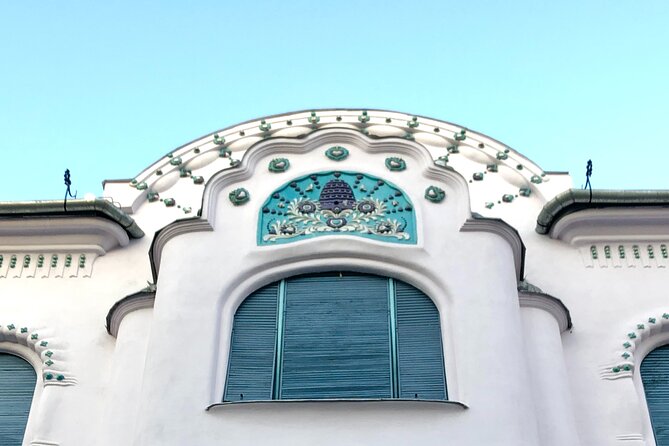
Reviewed · TIMIȘOARA TOURS
Timisoara All in One – Walking and Tram Tour
Timisoara’s story comes into focus as you move between its old squares and outer districts, using your feet where the details matter and private transport when the city spreads out. The tour connects Ottoman, Austrian, Baroque, and Art Nouveau Timisoara in one morning.
I like the private format, since your guide can slow down for photos or adjust the pace for a bad knee. I also like the range of subjects, from a vanished central mosque to the 1732 Maria Theresia Bastion. The main drawback is that the Banat Museum is currently closed, so you discuss the building rather than enter its exhibits.
Key points to know before booking
- Private transportation covers more ground: You are not limited to the central pedestrian streets.
- The tour lasts four to five hours: It gives you a strong introduction without taking the whole day.
- Ottoman Timisoara gets proper attention: Libertatii Square and Saint George’s Square reveal a city that once looked very different.
- The Banat Museum is closed for now: You see and discuss the castle that houses it, but admission is not included.
- The guide can adapt the pace: Umbrellas were provided during rain, and extra time was allowed for photography and mobility needs.
- The experience returns to the starting point: Meet at Strada Alba Iulia 2 at 9:00 a.m.
Why this private Timisoara tour works well
Timisoara can seem easy at first glance. The center is walkable, the main squares sit close together, and the architecture is pleasing without demanding much effort. But the city makes more sense when someone explains the layers underneath: Ottoman rule, Habsburg rebuilding, old defensive walls, changing religious communities, and the mix of Baroque and Art Nouveau façades.
That is the strength of this four-to-five-hour outing. It does not simply point out attractive buildings. It gives you a connected route through the city, then uses private transportation to reach places that are less convenient on foot. You get a city-center walk plus a broader look at Timisoara.
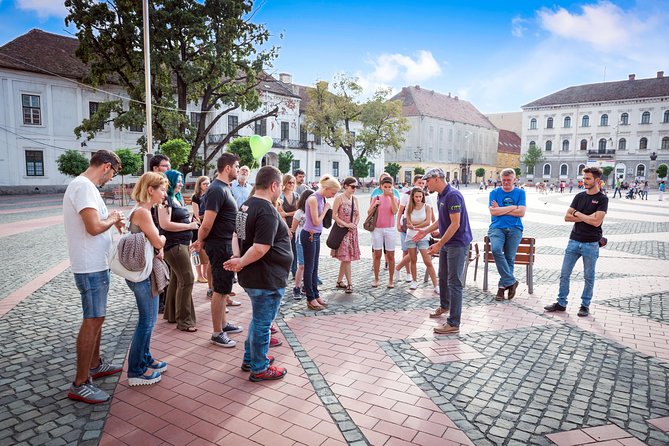
The private setup matters. Only your own group takes part, so you do not have to match the pace of strangers or wait while a large group gathers. If you want more time for photographs, need a slower walking rhythm, or have children with you, the format gives the guide room to adjust.
Guides named in the feedback include Sergiu and Ludovic. The English was praised, along with the careful explanations and patient approach. Ludovic also supplied umbrellas when rain appeared and helped a visitor with a bad knee. Those small details matter more than polished sightseeing language. Weather changes, knees ache, and photos take time.
More walking tours in Timisoara:
- Timisoara: Guided Walking Tour
★ 4.9 · 38 reviews - Timișoara Highlights – Walking Tour
★ 5.0 · 28 reviews - Timisoara: Classic Walking Tour
★ 5.0 · 26 reviews
Starting at Strada Alba Iulia 2
The tour begins at Strada Alba Iulia 2 at 9:00 a.m. You return to the same meeting point at the end, which keeps the morning simple for planning. You do not need to arrange a separate ride back from another part of the city.
Because the tour combines walking and private transport, wear comfortable shoes but do not assume you will be walking nonstop for five hours. The route includes several outdoor stops, and the amount of time at each place is fairly controlled. Still, bring weather protection. Umbrellas may be available, as they were for one rainy outing, but I would not rely on that alone.
Confirmation arrives within 48 hours, subject to availability. The tour is often booked about 23 days ahead, so I would reserve early if your Timisoara dates are fixed. Group discounts are available, although the supplied details do not state the discount amount.
The Banat Museum and its castle setting
The first stop is the Banat Museum. The museum itself is closed at present, and admission is not included, so you should not book this portion expecting an indoor museum visit. Instead, the guide talks about the castle that houses the museum.
That change makes this stop more architectural than museum-based. You hear about the building and its place in the city’s story, then continue. If the museum reopens before your visit, confirm the current situation before booking if the collection is important to you.
I see this as the least complete stop on the route right now. A closed museum naturally limits what you can experience. Still, the castle discussion gives the tour a useful opening, especially if you want context before entering the central squares.
Libertatii Square and the Ottoman chapter
At Libertatii Square, the guide spends about 20 minutes discussing Timisoara during the Ottoman occupation. This is one of the most useful stops because it reminds you that the city’s present appearance does not tell the whole story.
The square is not treated only as a photo stop. You get a sense of the political and cultural changes that shaped Timisoara before the Austrian period. That background helps explain why later Habsburg planning feels so different from the city that came before it.
Admission here is free. Since the stop is outdoors, your experience depends partly on the weather and on how much detail you want from the guide. The private format should help if you have questions about the Ottoman period or want to pause for photographs.
A few more Timisoara day trips to weigh up
- The Classic Tour of Timisoara
★ 5.0 · 154 reviews - Weekly Guided Tour in English – Tuesday, Thursday, Saturday
★ 5.0 · 84 reviews - Day trip to Corvin Castle and Sibiu (and back) from Timisoara
★ 5.0 · 30 reviews - Danube Gorge & Banat Waterfalls
★ 5.0 · 27 reviews
Saint George’s Square and a vanished mosque
The visit to Saint George’s Square lasts about 10 minutes. Here the focus is the Central Mosque that existed in the square roughly 400 years ago.
This is a short stop, but the subject is powerful. A building that no longer exists can be easy to miss when you walk through a modern city. The guide helps you picture an earlier Timisoara and understand how much the city changed over time.
Do not expect a long visit or a surviving mosque interior. The value is in the explanation and in the contrast between the square you see and the place it once was. If you enjoy urban history, this may be one of the most memorable moments of the morning because it makes absence part of the story.
Maria Theresia Bastion and Austrian defenses
The tour spends about 20 minutes at the Maria Theresia Bastion, built by the Austrians in 1732. This is the clearest physical reminder of Timisoara’s military past on the route.
A bastion is easier to understand when you are standing beside its thick defensive structure rather than reading about it in a guidebook. Your guide explains why it was built and how it fitted into the Austrian city. The stop also gives you time to look around rather than simply hear a date and move on.
Admission is free. The visit is outdoors, so comfortable shoes and weather-ready clothing remain useful. Twenty minutes is enough for a focused explanation and some photographs, though it is not an extended fortification visit.
This stop also shows why private transport helps. The tour is designed to connect several districts and historical points without asking you to make every transfer on foot. You spend your energy looking at the city, not only navigating it.
Unirii Square, Timisoara’s grand old center
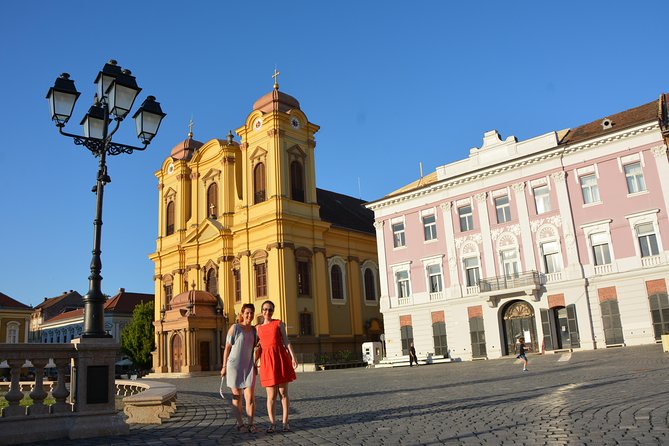
Unirii Square receives about 20 minutes and is likely the visual high point of the central walking portion. The guide discusses its role as the former city center and points out the square’s Baroque character alongside some of Timisoara’s finest Art Nouveau buildings.
This is where the city’s architectural mix becomes easy to read. Baroque planning gives the square a formal shape, while Art Nouveau details bring a different mood to the façades. You get more from the scene when someone shows you what to compare rather than leaving you to admire everything at once.
The square is free to visit, and the compact time works well for an introduction. You can listen, take photographs, and ask questions without turning the morning into a long architecture lecture. If you care about design, I would save some of your photo time here.
Unirii Square also ties together the earlier stops. The Ottoman discussion, the vanished mosque, and the Austrian bastion are not isolated facts. They are pieces of a city repeatedly reshaped by different rulers and planning styles. The square gives you the polished public face of that process.
Walking, private transport, and the city beyond the center
The title describes a walking and tram tour, while the listed inclusion is private transportation. The practical point is that this is not a walking-only experience. You combine time on foot in the historic core with transport between wider parts of Timisoara.
That makes the tour useful if you want more than the standard central-square circuit. The highlights are close enough to connect in a compact route, but important districts outside the center can take more effort to reach alone. Here, transport is built into the experience.
The exact vehicle and transport arrangements are not specified, so you should ask the provider if that detail matters to you. The key benefit is coverage: you can see more locations within one half-day outing without spending the entire time walking between them.
The guide’s role in making the tour personal
A private tour can be excellent or ordinary depending on the guide. Here, the strongest praise centers on clear English, patience, and a broad command of Timisoara’s past. One guide was described as speaking exceptionally good English, which is important when the subject includes changing rulers, vanished buildings, and unfamiliar architectural terms.
You should use the private format actively. Ask about the Ottoman period, the old mosque, the fortress system, or the differences between Baroque and Art Nouveau. If you want photographs, say so. One outing allowed as much time as needed for a visitor’s photography, and that kind of flexibility is a real advantage over a fixed large-group schedule.
Mobility is another reason to consider this format. Children must be accompanied by an adult, and most people can participate, but the supplied information does not promise full wheelchair accessibility. If you have limited mobility, contact Timisoara City Tours before booking and explain what you need.
Is $92.92 a fair price?
At $92.92 per person, this is not the cheapest way to see Timisoara’s center. You can walk through the main squares on your own for little or no admission cost. The price makes more sense when you are paying for private transportation, a dedicated English-speaking guide, broader city coverage, and the ability to set the pace for your own group.
For one or two people, the cost may feel high compared with a self-guided walk. For a family or small group, group discounts could improve the value, though the amount is not given. The private arrangement also means you are not paying simply for a crowded bus ride and a fixed script.
The closed Banat Museum weakens the value slightly because one stop currently offers an exterior discussion rather than an indoor visit. On the other hand, the tour still gives you five distinct historical points, free entry at the outdoor stops, and transport beyond the most central streets.
I would compare the price with your priorities. If you want the cheapest overview, use a map and walk Unirii Square, Libertatii Square, and Saint George’s Square yourself. If you want the city explained in English, need transport between districts, or prefer not to manage the route, the private price is easier to justify.
Who should book this experience?
I would recommend it to first-time visitors who have only half a day and want a structured introduction. It also suits families, small groups, and anyone who values a flexible pace over a large sightseeing group.
History-minded visitors should appreciate the unusual subjects. The tour does not stop at famous façades. It includes the Ottoman occupation, a mosque that disappeared centuries ago, and Austrian military construction. Those details give you a better sense of how Timisoara changed.
It is also a practical choice for visitors who have a bad knee or want help during wet weather. The private vehicle reduces the amount of walking between districts, and the guide has shown a willingness to help with mobility and rain.
I would hesitate if your main goal is a long indoor museum visit. The Banat Museum is closed for now, and the stops are timed introductions rather than extended explorations. I would also ask about transport details and accessibility before paying if either point is important to you.
Booking, cancellation, and simple planning
Free cancellation is allowed up to 24 hours before the 9:00 a.m. start time for a full refund. Changes or cancellations made less than 24 hours ahead are not accepted for a refund, and the cut-off follows local Timisoara time.
Food and drinks are not included. Since the outing lasts four to five hours, plan to eat before or after, or ask the provider whether a short break can fit your private schedule. No meal stop is listed.
The tour is offered in English. Confirmation is sent within 48 hours, subject to availability. Since the activity is commonly reserved several weeks ahead, booking around three weeks early is sensible, especially during a busy visit period.
Should you book the Timisoara All in One tour?
Book it if you want Timisoara explained, not just photographed. The combination of private transport, central walking stops, Ottoman and Austrian history, and a guide who can adjust for weather, photos, and mobility gives this outing real practical value.
Skip it if you prefer a low-cost self-guided walk or if the Banat Museum is the main reason you are interested. For most first-time visitors with four or five hours to spare, though, this is a well-focused way to see both the familiar squares and the less obvious historical layers beyond them.
FAQ
How long does the Timisoara All in One tour last?
The experience lasts approximately four to five hours.
Where does the tour begin?
It begins at Strada Alba Iulia 2, Timișoara 300077, Romania.
What time does the tour start?
The scheduled start time is 9:00 a.m.
Where does the tour end?
The activity ends back at the starting meeting point.
Is this a private tour?
Yes. Only your group participates in the activity.
Is transportation included?
Private transportation is included. The experience also includes walking stops in Timisoara.
Is the Banat Museum open during the tour?
The Banat Museum is currently closed. The guide discusses the castle that houses the museum, and admission is not included.
Are food and drinks included?
No. Food and drinks are not included.
Is the tour offered in English?
Yes. The tour is offered in English.
Can I cancel for a full refund?
Yes, if you cancel at least 24 hours before the experience start time. Cancellations made less than 24 hours in advance are not refunded.
Just added around Timisoara
- Timisoara Dream Tour in Elisabetin Neighborhood★ 5.0 · 3 reviews
- Timisoara: Jewish Heritage Walking Tour★ 5.0 · 4 reviews
- Nera Gorge National Park – Private Day Tour from Timisoara★ 4.5 · 4 reviews
- Timisoara: Private Walking Tour with a Local Guide★ 4.5 · 5 reviews
- Timisoara Downtown Dream Tour★ 5.0 · 5 reviews
- The Jewish Heritage Tour of Timisoara★ 5.0 · 9 reviews
- Day Trip to Turda Salt Mine and Corvin Castle from Timisoara★ 5.0 · 10 reviews
- Timisoara Downtown Dream Tour★ 4.9 · 12 reviews
Timișoara Tours, compared.
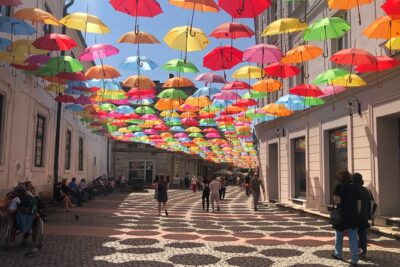
Weekly Guided Tour in English – Tuesday, Thursday, Saturday
Read our review →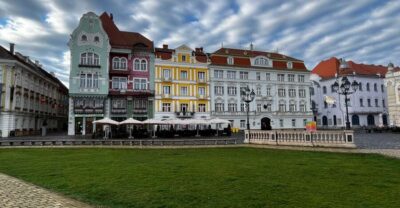
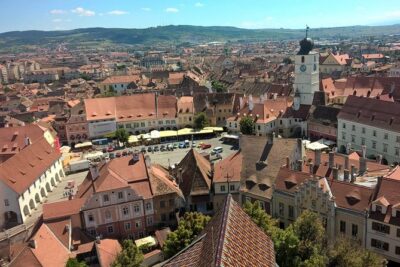
Day trip to Corvin Castle and Sibiu (and back) from Timisoara
Read our review →

Browse the lists this tour appears in