
Reviewed · COMMUNIST BUCHAREST TOURS
Bucharest: Dinner+Tour at Museum of Communism after closing
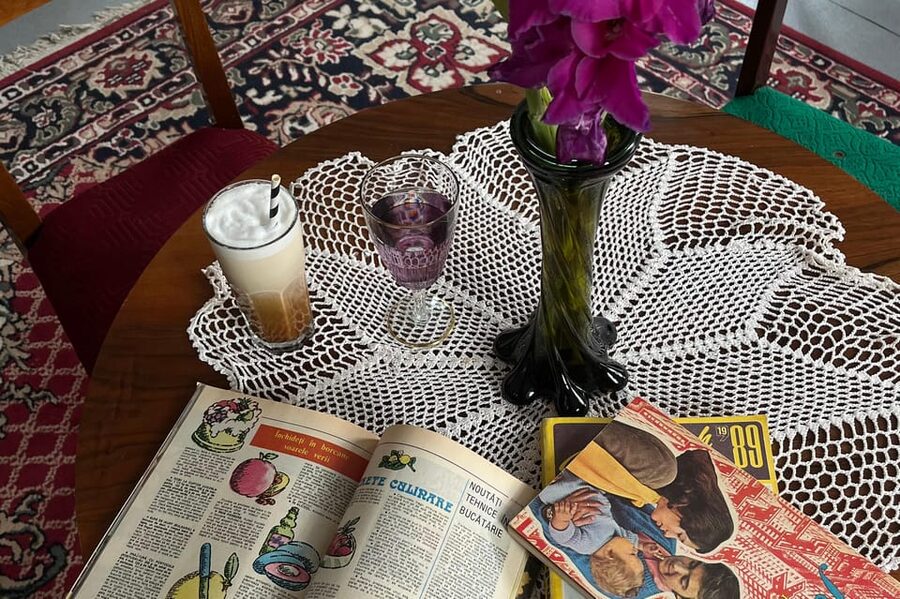
The unusual part comes first: after the museum closes, you sit down to eat inside it. This is not dinner near a museum, but a meal served on old communist-era plates and cups, surrounded by the furniture and household objects of a Romanian family home.
I like the personal storytelling, especially when guides such as Catalina, Katerina, Ana, or Ali connect political events with family memories. I also like the chance to handle the exhibits, play old music, try vintage clothes, and open secret drawers. The main consideration is access: this experience is not suitable for wheelchair users, and the menu can change with availability.
Key points at a glance
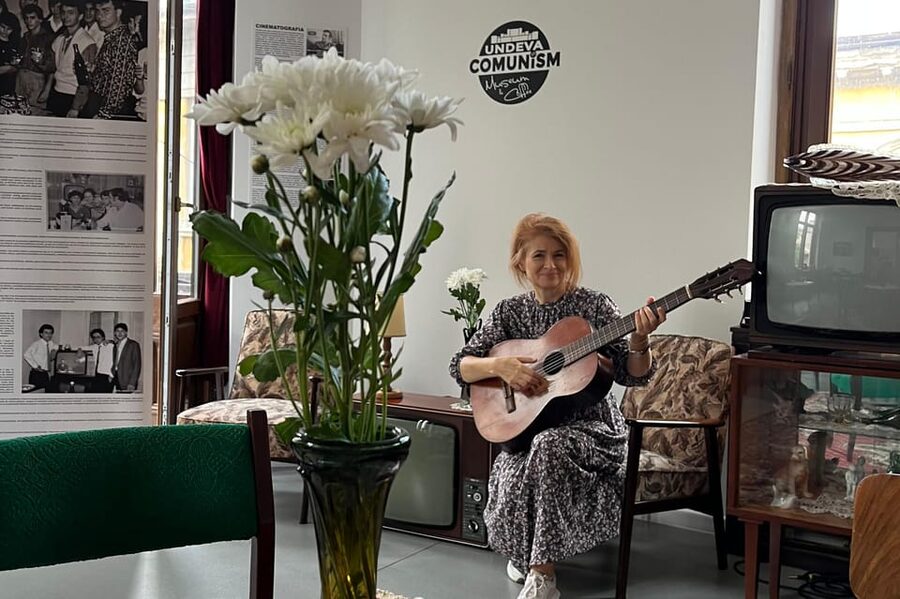
- Dinner in the museum living room: Eat traditional Romanian starters, a changing main dish, and homemade-style sweets among period furnishings.
- A guide-led account of communism: Learn the timeline and political setting alongside family anecdotes about everyday life and the 1989 revolution.
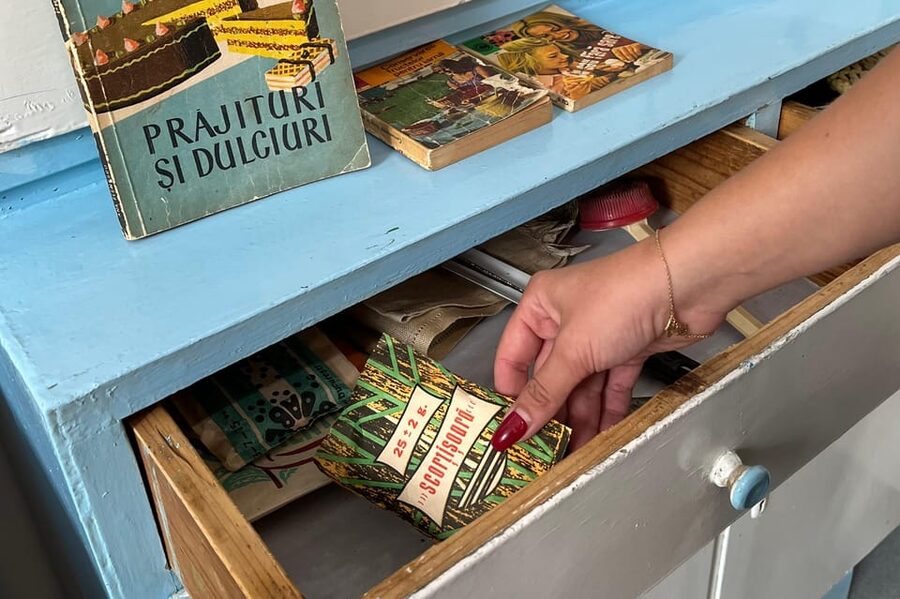
- Hands-on exhibits after closing: Try vintage clothing, listen to music on a record player and cassette deck, and explore hidden drawers.
- Romanian food as history: The meal explains how shortages, state control, and changing habits affected what families cooked.
- Drinks are part of the evening: The package includes a traditional liquor, a soft drink, and beer or wine.
- A small, conversational format: The 2.5-hour schedule leaves room for questions and discussion rather than rushing from display to display.
Why this Bucharest evening feels different
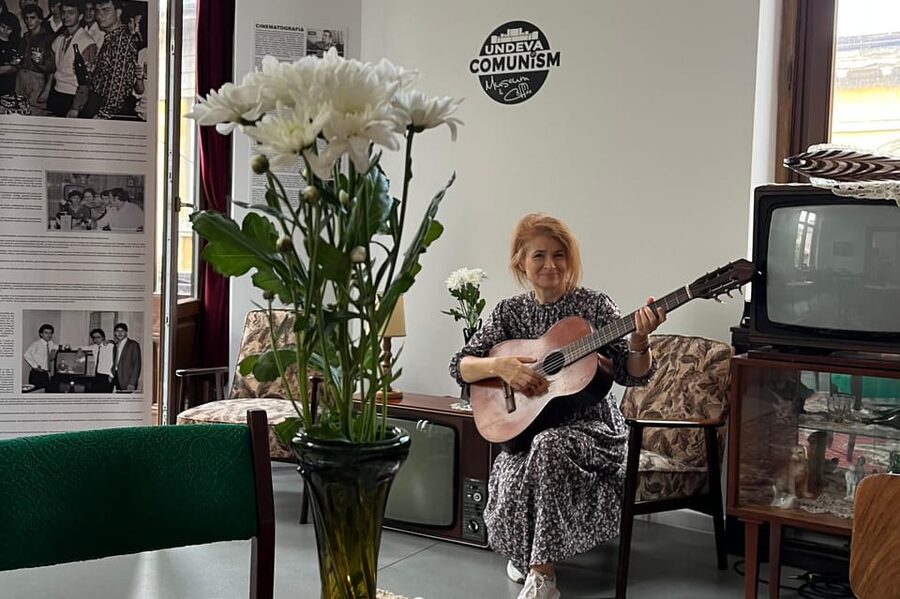
Bucharest has plenty of museums and plenty of restaurants. This experience joins the two in a way that makes the subject easier to understand. You do not simply look at objects behind glass, then read a label about life under communism. You sit in a recreated home, eat familiar food, and handle the kinds of objects that shaped daily routines.
That setting matters. Communism in Romania was not only a story of leaders, state institutions, and major events. It was also a story of waiting, adapting, making do, and finding ways to preserve family customs. A meal gives the guide a natural way to explain those smaller parts of the past.
The evening lasts about 2.5 hours and is conducted in English. It begins at the museum café-bar, continues with the main tour, and finishes with dinner and dessert in the museum living room. You have the whole interactive museum space available after closing, which gives the experience a more private feel than a standard daytime visit.
More communist-era Bucharest walks:
- The Real tour of Communism
★ 5.0 · 666 reviews - Life under Communism
★ 5.0 · 358 reviews - 3-Hour Guided Tour of Communist Bucharest
★ 4.9 · 303 reviews
Starting with palinka or cherry liqueur
You enter directly and tell the bar staff about your reservation. The evening starts with a glass of traditional palinka or cherry liqueur, plus water, soda, or espresso according to your preference.
Palinka is a strong fruit brandy, so choose it only if that style of drink suits you. The cherry liqueur is the gentler option. One soft drink and one traditional liquor are included, along with either a beer or a glass of wine. Additional drinks can be bought at the bar during the evening.
This opening drink is more than a quick welcome. It gives the guide a chance to introduce the tone of the evening and lets you begin asking questions before the formal tour starts. If you do not drink alcohol, the included soft drink, water, or espresso gives you an easy alternative, though the package still includes the traditional liquor and an alcoholic drink.
The opening: Romania before and during communism
The guide begins with the international setting that helped bring communism to Romania. You then receive a timeline and a broad explanation of the period before moving through the museum.
This introduction is useful because Romanian communism can be hard to place if you know only the most famous images of Nicolae Ceausescu and the 1989 revolution. The guide supplies the sequence of events and explains how political change affected ordinary households.
The strongest part of the tour is the blend of public facts and private memories. Guides have used family stories and anecdotes to explain how relatives experienced the period. Several guides, including Catalina and Katerina, have been praised for making the history personal without turning the tour into a dry lecture.
Your questions are welcome throughout. That makes a difference here because the displays may prompt very different questions from one person to another. You might be more interested in food shortages, family life, music, clothing, or the revolution. The guide can connect those subjects as the evening develops.
Exploring the museum after official closing
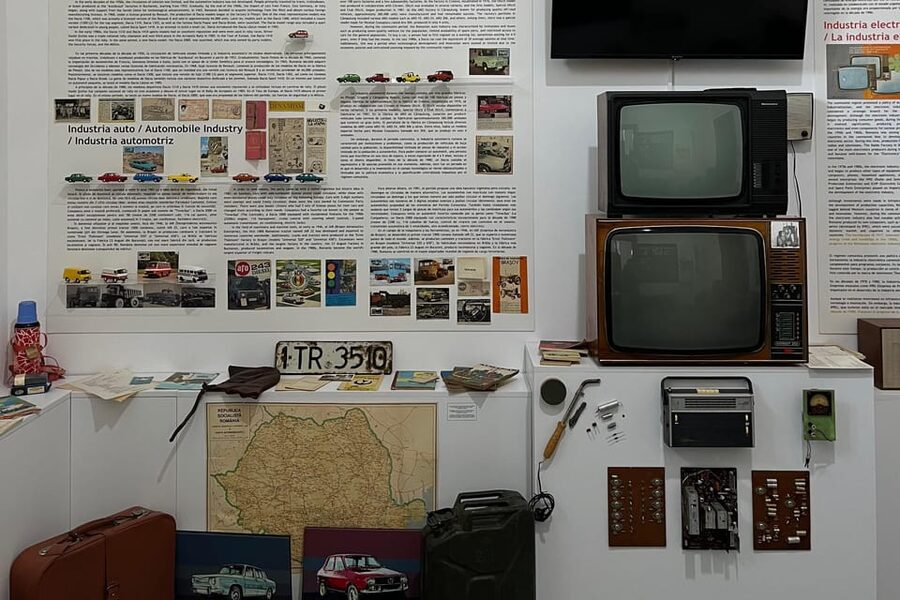
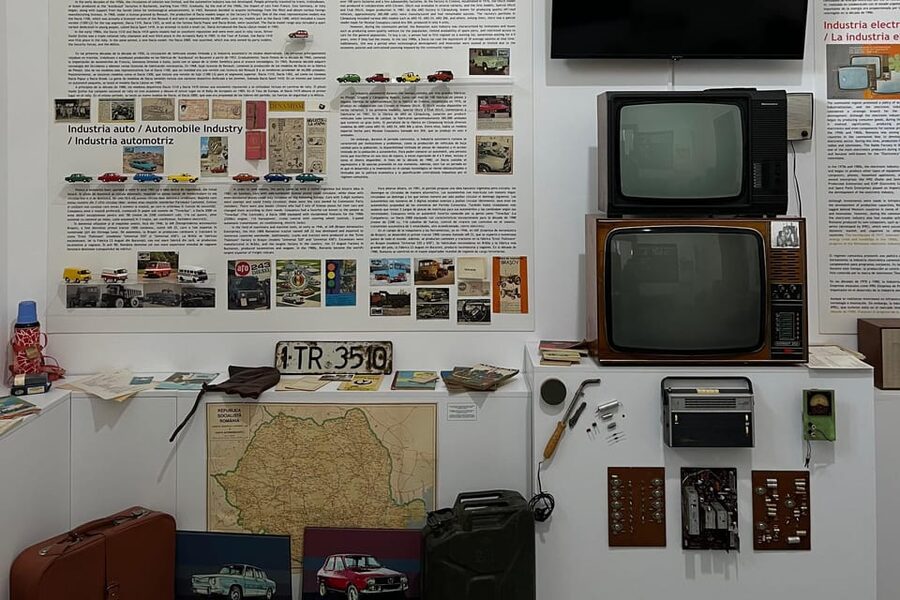
Once the main explanation is underway, you can interact with the displays. Try on vintage clothes, listen to music on a record player and cassette player, and open the museum’s secret drawers.
These details make the subject less distant. A record player or item of clothing can prompt a conversation about taste, status, family habits, or access to goods. The drawers add a playful note, but they also encourage you to look at the home as a working space rather than a static set.
This is not a formal museum visit where you are expected to keep your hands behind your back. The activity specifically gives you time to explore the objects first-hand. Still, follow the guide’s instructions with fragile pieces and ask before handling anything that is not clearly part of the interactive section.
The after-hours setting is another advantage. You are not sharing the space with the regular daytime crowd, and the tour can move at a more relaxed pace. The tradeoff is that the experience is less suited to someone who wants a quick, silent museum visit. Conversation and participation are central to the format.
A few more Bucharest day trips to weigh up
- Bucharest: Dinner at the Museum of Communism & tour after closing
★ 5.0 · 24 reviews - Bucharest Evening Tour and Traditional Dinner
★ 4.5 · 19 reviews - Bucharest Evening Tour and Traditional Dinner – 3 hours
★ 5.0 · 9 reviews - Bucharest: VIP Dining, Limo ride & Clubbing
★ 4.7 · 3 reviews
The communist-era kitchen and living room
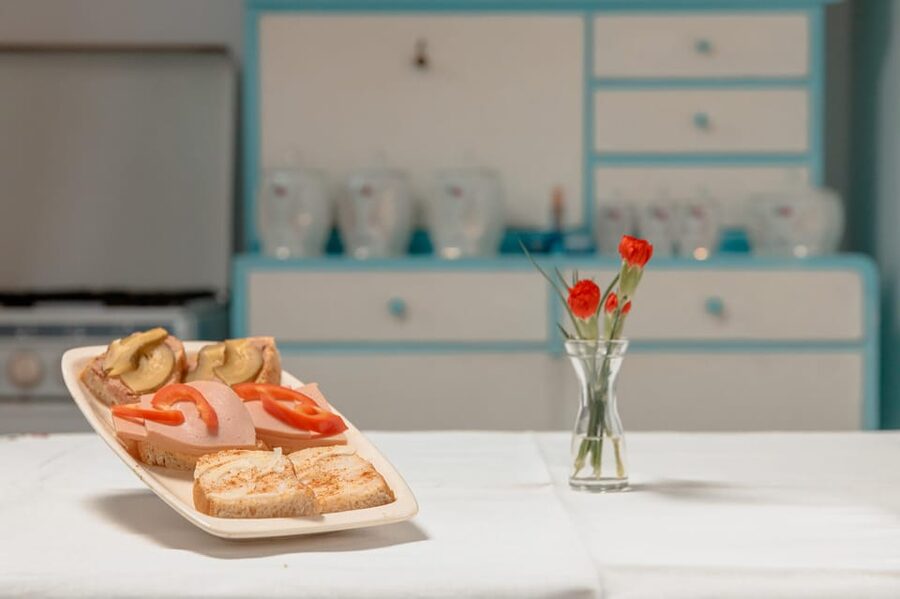
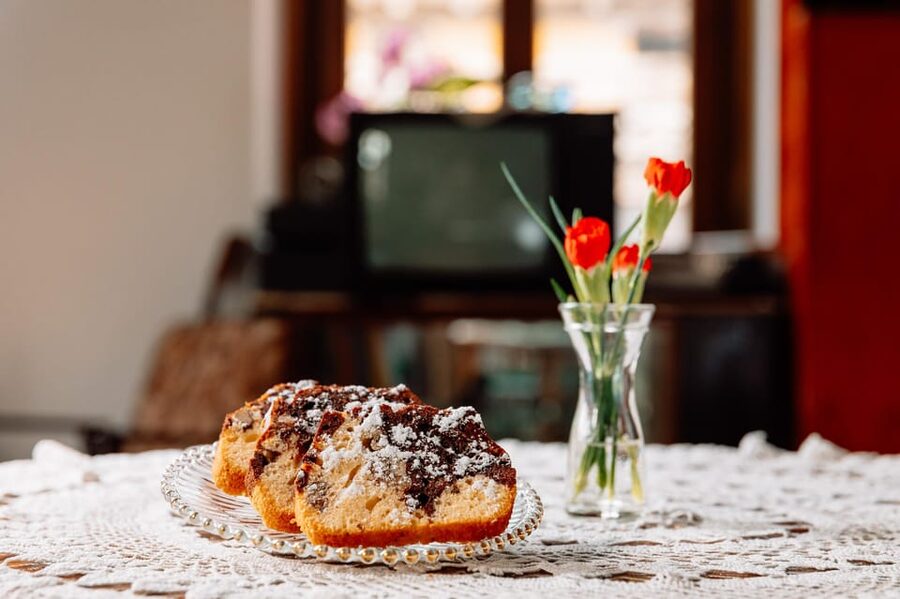
After the museum tour, dinner is served in a living-room setting designed to resemble an ordinary Romanian home from the 1980s. The meal uses old plates and cups from the communist period, so the table itself becomes part of the museum experience.
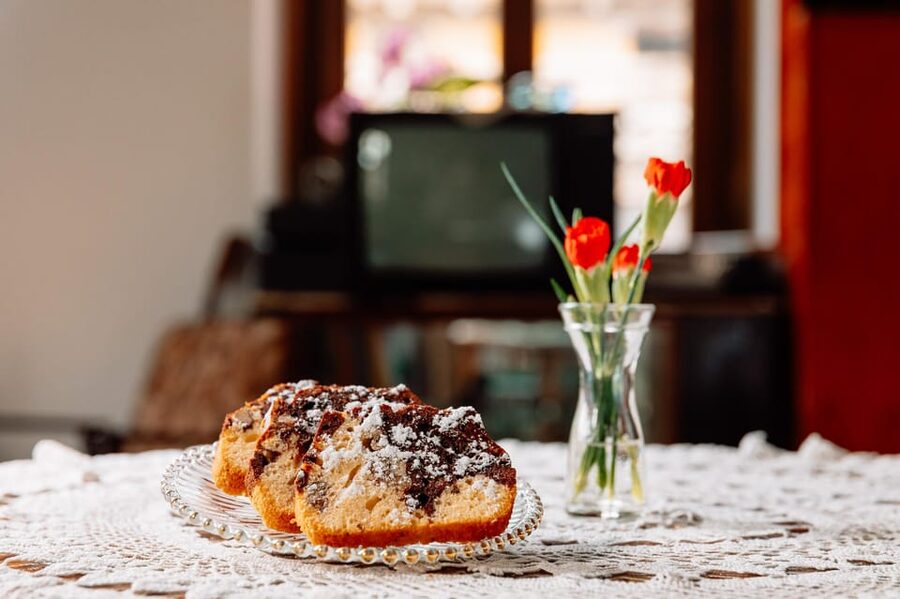
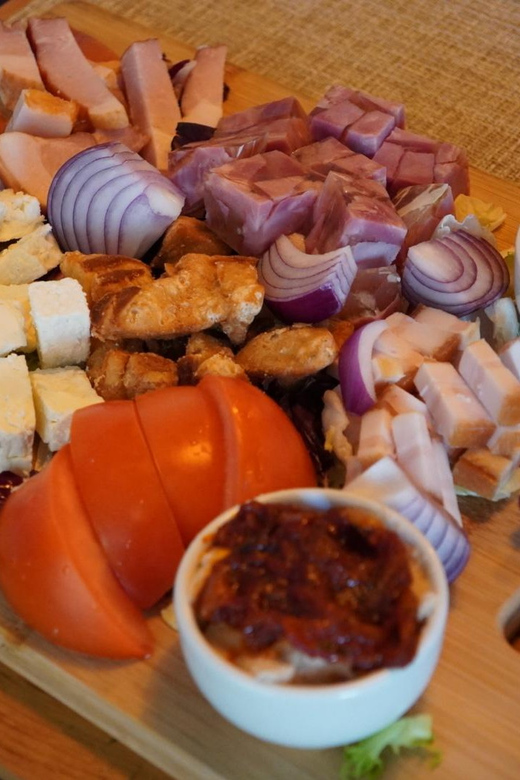
The dinner includes cold meats, cheese, and vegetable spreads for starters. The main dish varies depending on availability. Dessert consists of typical homemade-style sweets rather than polished restaurant pastries.
That distinction is important. You are not booking a high-end tasting menu. The food is intended to show what people cooked at home and what dishes remained part of Romanian family life. The guide explains where the food comes from and how it is traditionally prepared, giving the meal a second layer of context.
Portions have been described as plentiful, and the family-style presentation encourages conversation. The hosts’ family connection to the food is part of the appeal. One account specifically praised the home-cooked dinner prepared by the guide’s husband, while another thanked the guide’s mother for the food. You should think of this as a generous cultural meal, not a formal restaurant service.
The menu is not fixed. If you have allergies, dietary restrictions, or a special eating requirement, tell the provider in advance. Gluten-free options have been available, but you should not assume every restriction can be accommodated without prior notice.
How food explains life under communism
The guide uses the dinner to explain changes in Romanian gastronomy during the communist period. This can be one of the most valuable parts of the evening because food turns broad political ideas into something concrete.
A changing main dish can also illustrate a practical point: availability matters. The meal is shaped by what can be obtained, just as home cooking often was. Starters such as cold meats, cheese, and vegetable spreads let you sample familiar Romanian flavors while hearing how food traditions continued through a difficult political period.
The homemade sweets help keep the focus on family cooking. You are not simply told that people relied on home kitchens. You taste food presented in that spirit, in a room designed to recall domestic life.
Food will always be subjective, and this is worth keeping in mind. The menu is not designed around your personal preferences, and the main course varies. If you need a carefully controlled menu or prefer modern Romanian cuisine, a restaurant meal may suit you better. If you want food tied directly to social history, this format offers much more than a standard dinner.
The guide makes or breaks the evening
The guide is the key factor in this experience. The format depends on clear explanations, family anecdotes, and an open conversation over dinner.
Names associated with especially strong experiences include Catalina, Katerina, Ana, Ali, Octavia, and other English-speaking guides. Their approaches will naturally differ, but the best version of the tour combines a clear timeline with personal stories and leaves room for questions.
You should expect an engaging conversation rather than a memorized speech alone. Guides have explained both the history of communism and the way food changed during the period. Some have also discussed the contrast between growing up in Romania and life elsewhere, which can make the subject especially meaningful for visitors from Western Europe or North America.
The group setting can add to the evening. The meal gives solo visitors a natural chance to talk with other people, and one solo traveler described making new connections during dinner. Still, the provided details do not guarantee a private booking or a fixed group size, so check the available option when you reserve.
Is $55 a fair price?
At $55 per person, the cost covers the museum admission, an English-guided tour, several parts of a traditional meal, and three types of included drinks: one soft drink, one traditional liquor, and beer or wine.
I consider that a fair price if you want a cultural evening rather than a simple museum ticket. You are paying for the guide’s time, the after-hours access, the food, the drinks, and the setting. A separate museum visit and restaurant dinner might cost less or more depending on where you go, but they would not offer the same connection between objects, personal stories, and food.
The value is strongest for first-time visitors who want context. You leave with a better sense of how political systems affected ordinary homes, not just a list of dates and leaders.
The price is less attractive if you are mainly looking for a full restaurant meal, a large number of courses, or a polished culinary presentation. The menu changes, the dinner is home-style, and extra drinks cost more. In that case, book it for the history and setting first, with the food as an important part of the experience.
Practical details before you reserve
The activity runs for 2.5 hours, with starting times available according to the date. You skip the regular ticket line by joining the reserved experience, then enter directly and inform the bar about your booking.
The tour is conducted in English with a live guide. Mention dietary restrictions before you go. The experience is not suitable for wheelchair users, so check access needs carefully before booking.
Free cancellation is available up to 24 hours in advance for a full refund. You can also reserve and pay later, which is useful if your Bucharest schedule is still changing.
Because dinner and drinks are built into the timing, allow the full 2.5 hours. This is not an activity to squeeze between two tightly scheduled sights.
Who should book this experience?
I would recommend it to you if you enjoy history told through ordinary life. It suits people who like asking questions, trying local food, and handling museum objects instead of only reading displays.
It is also a strong choice for solo visitors. The meal creates an easy social setting, while the guide gives everyone a common subject to discuss. Couples and small groups will appreciate the relaxed pace and the chance to compare impressions over dinner.
Families with older children may also find it useful, especially if the children are interested in objects, music, or clothing. The subject includes difficult political history, so parents should decide if the tone is suitable for their children.
I would hesitate to recommend it if you need wheelchair access, have strict dietary requirements that were not cleared in advance, or want a quiet museum tour with no group discussion. It is also not the right pick if your main goal is a sophisticated meal.
Should you book the Museum of Communism dinner?
Book it if you want Bucharest history to feel human and specific. The combination of family stories, interactive objects, and Romanian home cooking gives you a clearer picture of daily life than a conventional display-only visit.
The best reason to go is the setting: you eat where the history is being explained, using period tableware and surrounded by a recreated home. The strongest guides, including Catalina, Katerina, Ana, and Ali, add the personal detail that makes the evening memorable.
At $55, the experience offers solid value for a 2.5-hour cultural night out. Just set your expectations correctly. This is an intimate, home-style dinner with a changing menu, not a restaurant tasting event. If that sounds like your kind of evening, it is one of the more distinctive ways to understand Bucharest’s recent past.
FAQ
How long does the experience last?
The activity lasts 2.5 hours.
What language is the tour conducted in?
The live guided tour is conducted in English.
Where does the activity begin?
Enter the Museum of Communism directly and inform the staff at the café-bar about your reservation.
What food is included?
The dinner includes traditional Romanian starters such as cold meats, cheese, and vegetable spreads, a main dish that varies with availability, and homemade-style sweets.
What drinks are included?
You receive one soft drink, one traditional liquor, and one alcoholic drink, either beer or a glass of wine. Other drinks can be purchased at the bar.
Can I mention dietary restrictions?
Yes. You should mention any dietary restrictions when booking. Gluten-free options have been available, but arrangements should be made in advance.
Can I interact with the museum exhibits?
Yes. During the after-hours experience, you can try vintage clothes, listen to music on a record player and cassette player, and explore secret drawers, following the guide’s instructions.
Is the experience wheelchair accessible?
No. The activity is not suitable for wheelchair users.
More Museums in Bucharest
- Bucharest: Museum of Senses Entry Ticket
★ 4.2 · 364 reviews - Communism in Bucharest – Landmarks, Museum & Communist Appetizers
★ 5.0 · 111 reviews - Bucharest: Entry ticket at the Museum of Communism
★ 4.6 · 57 reviews - Bucharest: Museum of Communism Ticket with Communist Coffee
★ 4.6 · 52 reviews
More Dining Experiences in Bucharest
- Probably the Best Restaurant and Wine Cellar near Bucharest
★ 4.5 · 3 reviews
Just added around Bucharest
- Private Full Day Tour of Bucharest★ 5.0 · 3 reviews
- Veliko Tarnovo and Medieval Bulgaria Private Day Trip from Bucharest★ 5.0 · 3 reviews
- Bucharest VIP Bar Crawl in Lipscani ‘Old Town’★ 5.0 · 3 reviews
- Muddy Volcanoes and Salt Mine Private Tour★ 5.0 · 3 reviews
- Bucharest Private City Tour★ 5.0 · 3 reviews
- Legends & Stories from Transylvania -2 Castles & Brasov Old Town★ 5.0 · 3 reviews
- 7-Day Dracula Tour in Romania from Bucharest including ‘The Ritual of Killing of a Living Dead’★ 5.0 · 3 reviews
- Transfagarasan Private Tour from Bucharest – 2 Days★ 5.0 · 3 reviews
Communist Bucharest Tours, compared.

Bucharest Essential Tour: Old Town, Calea Victoriei & Communism
Read our review →
Communism in Bucharest – Landmarks, Museum & Communist Appetizers
Read our review →

Browse the lists this tour appears in