

Reviewed · COMMUNIST BUCHAREST TOURS
Bucharest: Museum of Communism Ticket with Communist Coffee
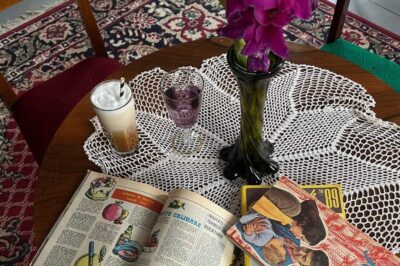
The most memorable part of this Bucharest museum visit is not a wall of dates. It is the odd little ritual at the end: sitting on a communist couch, drinking nechezol, a coffee substitute from the 1980s, from an old cup. Along the way, you can handle objects, type on a vintage machine, read original magazines, and try on period clothing.
I like the hands-on exhibits, which make recent Romanian history easier to picture, and I like having an English-speaking guide nearby for questions. The main caution is that the museum is small, and some displays rely heavily on reading. If you move quickly, you could finish in as little as 45 minutes.
Key points to know before you go
- Taste 1980s nechezol: Your ticket includes a cup of communist-era coffee substitute served in the museum living room.
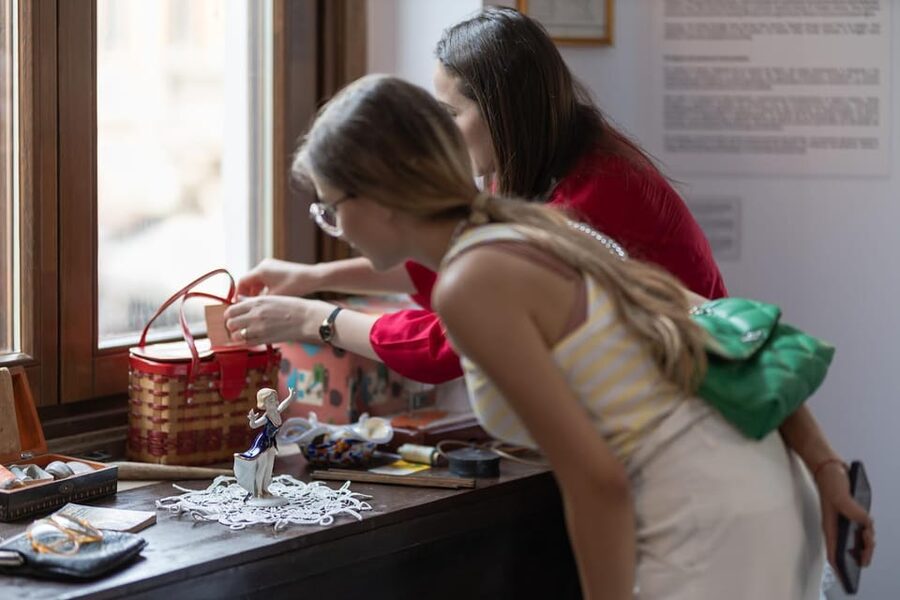
- Touch the collection: You can type on an old typewriter, handle magazines, and try on vintage clothing.
- Ask questions as you go: An English-speaking host or guide is available inside the museum.
- Plan a short stop: Allow roughly 45 minutes to an hour, though the ticket is valid for one day.
- Expect a small museum: It works best as a focused old-town stop, not as a full-day institution.
- Check access needs: The experience is not suitable for wheelchair users.
A small museum with a very hands-on idea
The Museum of Communism in Bucharest focuses on Romania’s recent past and the way communism affected daily life in Bucharest and across the country. Its approach is personal and physical. Instead of only looking at objects behind glass, you get permission to interact with much of what is on display.
That matters with a subject that can feel distant to younger visitors or to anyone who did not grow up in Eastern Europe. A typewriter is more useful here as something you can touch and try than as a label on a shelf. An old magazine gives you a sense of the printed material people actually encountered. Clothes help turn an abstract period into something you can picture on a person.
I especially like this format for families, students, and anyone who finds a standard museum of text panels tiring. You can ask questions while you move through the rooms, rather than saving every point for a formal tour.
Still, keep your expectations in check. This is a small private museum, not a major national archive or a scholarly survey of the communist period. Some of the information may feel simplified, and parts of the visit depend on reading posters. One visitor found the displays boring and felt that there were not enough objects to make the museum truly interactive. That criticism is useful: the hands-on elements are real, but they do not fill every room.
More communist-era Bucharest walks:
- The Real tour of Communism
★ 5.0 · 666 reviews - Life under Communism
★ 5.0 · 358 reviews - 3-Hour Guided Tour of Communist Bucharest
★ 4.9 · 303 reviews
What the visit feels like inside
You enter for a compact look at Romania’s communist era, with displays that connect national events to ordinary life. The material covers the impact of communism on Romanians and on Bucharest, while the objects give you a way to imagine how people read, dressed, worked, and spent time at home.
There is no detailed minute-by-minute route supplied for the museum, so your pace will shape the visit. If you read every poster, stop to inspect the objects, and ask the guide questions, you may spend close to an hour. If you skim the text and move straight through, the visit can be much shorter.
That difference is important when you plan your day. Treat the museum as a concentrated stop between other Bucharest sights. It fits easily into an old-town walk, and its small size means you are not committing half a day to a single subject.
The displays also offer photo opportunities, music, and dressing-up elements. These features can make the visit more social and playful, especially if you are with friends or family. Solo visitors may find the experience less rewarding if they are mainly looking for a quiet, object-heavy museum.
Type on the old machine and handle the past

The strongest idea here is the freedom to interact with the exhibits. You can type on an old typewriter, look through original magazines, and try on old clothes. These are simple activities, but they give the visit texture.
When a museum asks you not to touch anything, you tend to admire objects from a distance. Here, the point is to connect with them directly. You can notice how an object feels, how it works, or how it might have fitted into everyday life.
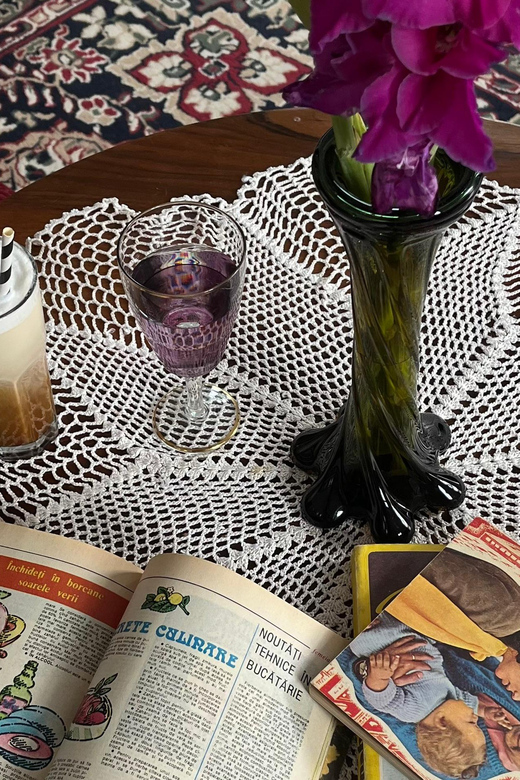
The original magazines are useful because they show the period’s printed culture rather than only explaining it in hindsight. The clothing offers another quick route into the subject. You do not need specialist knowledge to understand why handling familiar household and personal items can make political history feel more immediate.
The limits are just as clear. Interactive does not mean every display has a game, reconstruction, or activity. Large sections may still ask you to read. If you want a museum packed with rare artifacts, detailed captions, and a broad academic timeline, this may feel thin.
I would use the guide to fill that gap. The English-speaking staff can answer questions in the rooms, and that personal contact is one of the museum’s best assets. Visitors have found the young guides especially passionate and willing to help. No guide names are provided, so you should not book this expecting a particular named host. The useful point is that help is available in English as you look around.
The communist coffee ritual
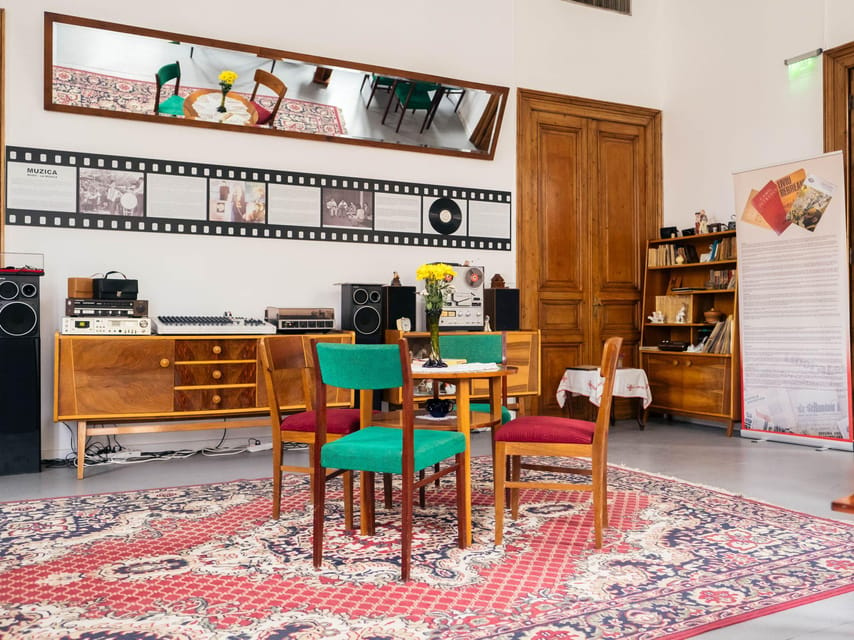
The ticket includes one cup of nechezol, a coffee substitute associated with the final years of communism in Romania. Coffee was imported in very small amounts during that period, so this substitute became part of the everyday story.
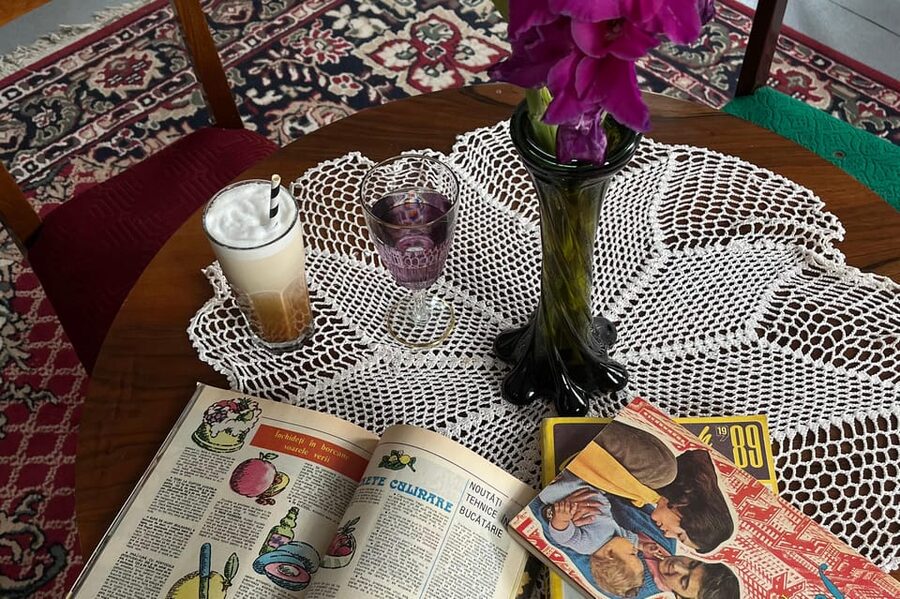
The museum does not simply hand you a modern drink at a counter and call it part of the admission. You drink it from an original old cup, seated on a communist couch in the museum’s living room. That setting gives the tasting a clear purpose. It connects a shortage and a household habit with a physical place.
I like this part because it is modest. You are not being promised a grand culinary event. You are getting a small taste of a difficult period, presented with a touch of humor. The coffee substitute has also proved surprisingly easy to drink. One person found it close enough to familiar instant coffee that the difference was hard to identify.
Do not come expecting a specialty coffee tasting. The value is in the story, the cup, and the room. The drink adds a memorable closing moment to a museum visit that might otherwise be mostly text and objects.
It is also a good point at which to ask the guide about shortages, imported goods, and daily life in the 1980s. The supplied information does not specify exactly what is in the drink, so anyone with dietary concerns should ask the museum staff before tasting it.
A few more Bucharest day trips to weigh up
- Brasov city of legends and good coffee
★ 4.0 · 4 reviews
How much time should you allow?
The practical estimate is 45 minutes to one hour. That is enough for a quick stop, especially if you read selectively and spend time with the interactive pieces.
You can stretch the visit by reading more carefully and asking questions. The ticket itself is valid for one day, but that does not mean the museum requires a full day. Think of the one-day validity as flexibility around your visit date and time, not as a promise of a day-long program.
This short length is a benefit if you are building a busy Bucharest itinerary. It also makes the $10 price easier to assess. You are paying for a small museum visit, a staff member available for questions, and the nechezol tasting. For a compact old-town activity, that is reasonable if you value the personal and interactive touches.
The value drops if you only want a quick look at objects and do not plan to read or ask anything. One person moved through the museum in about five minutes, while a more attentive visit lasted 45 minutes to an hour. Your interest level matters a lot here.
Who will get the most from this museum?
I would recommend this experience most strongly to:
- People curious about Romania’s communist period
- First-time visitors who want a short historical stop in Bucharest
- Families and groups who enjoy dressing up and taking photos
- Students who prefer objects and activities to long lectures
- Anyone interested in how political change affected ordinary home life
- Visitors who want to ask questions rather than only read labels
It is less suited to you if you want a large collection, a highly detailed academic treatment, or a full guided tour with a fixed lecture. It may also disappoint if you expect every room to be packed with interactive equipment.
The museum works particularly well when you approach it with a few questions. How did shortages affect daily routines? What did people read? How did imported goods become scarce? What did ordinary living rooms look like? The guide can help connect the objects to those larger issues.
If you are visiting with children, explain beforehand that some of the fun activities are ways to understand a serious period, not just photo props. The typewriter and clothing may catch their attention first, then the guide can help connect those objects to the people who used them.
The history is useful, but the presentation is selective
A museum about communism has a difficult job. It needs to explain a system that shaped work, politics, shopping, media, and family life, while still giving you enough personal detail to understand it.
This museum leans toward accessible storytelling. That makes the visit easy to approach, but some text can feel too simple. There is also a risk that ordinary items from the 1950s through the 1990s are presented as uniquely caused by communism, even when similar objects existed elsewhere during the same decades.
I would keep that limitation in mind rather than dismissing the museum. Use the displays as an introduction, then ask the guide for context. A thoughtful question can turn a basic caption into a more useful conversation.
The staff is a major part of the experience. English is available, and the guides are there to answer questions in the exhibition rooms. Their energy can make up for some of the lighter interpretation. If you want the most from your admission, do not rush past them.
Useful details for planning your stop
The experience is in Bucharest-Ilfov, in the old town area according to the available visitor information. That makes it convenient to combine with a day of central Bucharest sightseeing.
The listed price is $10 per person. Entry and one cup of nechezol are included. You do not need to pay separately for the coffee tasting.
The activity is conducted in English, with a host or greeter available. The exact starting times vary, so check availability when booking. You can reserve now and pay later, and cancellation is free up to 24 hours in advance.
The museum has clean toilet facilities and a small bar area. There is no gift shop. These are minor details, but they help set expectations: this is a compact, informal museum with a café-style corner, not a large cultural complex with extensive visitor services.
The experience is not suitable for wheelchair users. If access is important to your plans, confirm the current conditions before booking.
Is the $10 ticket worth it?
For the right visitor, yes. The price includes a focused museum visit and a distinctive tasting activity that you are unlikely to get from a standard history display. The ability to touch selected exhibits and speak with an English-speaking guide adds real value.
The ticket is less compelling if you measure value by the number of objects or hours inside. You could spend less than an hour here, and some rooms may feel text-heavy. A person who dislikes reading panels or wants a major collection should probably choose a different Bucharest museum.
I see the best value in the combination. The museum gives you a basic framework, the objects give you something physical to remember, the guide can add context, and the nechezol turns the end into a small lived moment rather than a final room of labels.
Should you book the Museum of Communism with coffee?
Book it if you want a short, approachable introduction to Romania’s recent past and like museums that let you handle selected objects. The old typewriter, magazines, clothing, music, photo opportunities, and communist living-room coffee make it more personal than a standard poster exhibition.
Skip it if you want a large collection or a fully academic account. Also skip it if you plan to spend only five minutes inside, since the museum’s value comes from reading, asking questions, and trying the interactive elements.
At $10, I would add it to a central Bucharest day when you have about an hour to spare. Go in ready to ask questions, take the displays as an introduction rather than the final word, and save time for the nechezol on the couch.
FAQ
What does the Museum of Communism ticket include?
The ticket includes entry to the Museum of Communism and one cup of nechezol coffee.
What is nechezol?
Nechezol is a coffee substitute associated with Romania’s final communist years, when coffee was imported in very small amounts.
How is the coffee served?
You can drink it from an original old cup while sitting on the communist couch in the museum’s living room.
How long does the museum visit take?
A visit can take about 45 minutes to one hour, depending on how much you read and how long you spend with the exhibits.
Is the experience conducted in English?
Yes. The listed language is English, and an English-speaking host or guide is available in the museum.
Can I touch the museum exhibits?
The experience allows you to interact with many exhibits. You can type on an old typewriter, read original magazines, and try on old clothes.
Is the museum suitable for wheelchair users?
No. The activity is listed as unsuitable for wheelchair users.
Can I cancel the booking?
Yes. You can cancel up to 24 hours in advance for a full refund. You can also reserve now and pay later.
More Museums in Bucharest
- Bucharest: Museum of Senses Entry Ticket
★ 4.2 · 364 reviews - Communism in Bucharest – Landmarks, Museum & Communist Appetizers
★ 5.0 · 111 reviews - Bucharest: Entry ticket at the Museum of Communism
★ 4.6 · 57 reviews - Bucharest: Dinner+Tour at Museum of Communism after closing
★ 4.9 · 46 reviews
Just added around Bucharest
- Private Full Day Tour of Bucharest★ 5.0 · 3 reviews
- Veliko Tarnovo and Medieval Bulgaria Private Day Trip from Bucharest★ 5.0 · 3 reviews
- Bucharest VIP Bar Crawl in Lipscani ‘Old Town’★ 5.0 · 3 reviews
- Muddy Volcanoes and Salt Mine Private Tour★ 5.0 · 3 reviews
- Bucharest Private City Tour★ 5.0 · 3 reviews
- Legends & Stories from Transylvania -2 Castles & Brasov Old Town★ 5.0 · 3 reviews
- 7-Day Dracula Tour in Romania from Bucharest including ‘The Ritual of Killing of a Living Dead’★ 5.0 · 3 reviews
- Transfagarasan Private Tour from Bucharest – 2 Days★ 5.0 · 3 reviews
Communist Bucharest Tours, compared.

Bucharest Essential Tour: Old Town, Calea Victoriei & Communism
Read our review →
Communism in Bucharest – Landmarks, Museum & Communist Appetizers
Read our review →

Browse the lists this tour appears in