
Reviewed · CLUJ-NAPOCA TOURS
From Cluj-Napoca: Two Day Tour to Maramures
Maramureș is the kind of place where a carved wooden gate can tell you as much as a museum. On this two-day trip from Cluj-Napoca, you enter local homes, eat food made from fresh farm products, meet craftspeople, and sleep in a traditional house in Breb. I like the direct contact with village life and the way the tour links daily customs with religion, woodwork, and local humor. The possible drawback is the price, $688 per person, which is a serious spend for two days and does not cover every meal or personal expense.
I also like that the guide is central to the experience. Florin is from Maramureș and can open doors to village life, while guides such as Ilona and Joseph have been praised for their history knowledge and warm attention. You should be ready for village roads, walking, and a fairly full schedule. The tour is not suitable for wheelchair users or people with mobility impairments.
Key details before you book
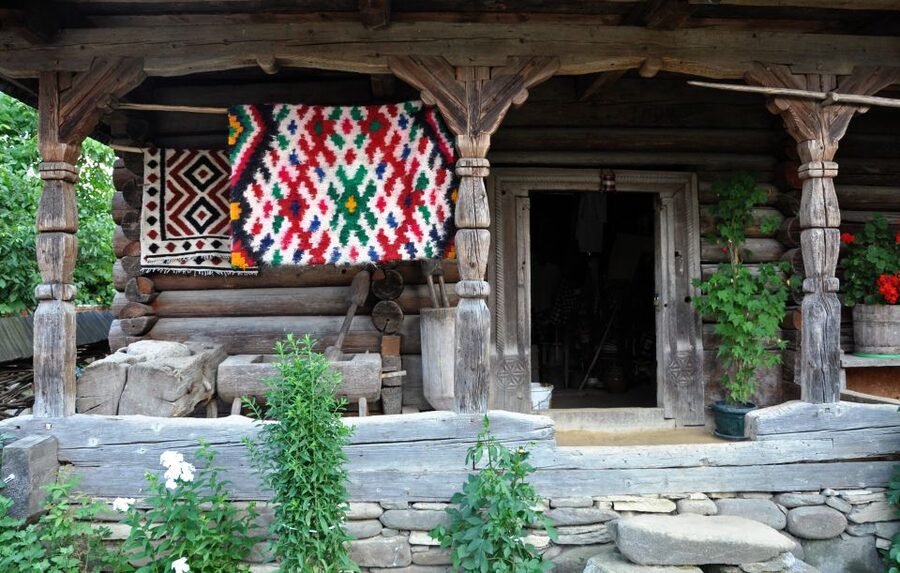
- A local home visit in Breb: Enter a traditional house, share a meal, meet local residents, and see how family life and customs center on the home.
- A night in a traditional house: Your accommodation is in Breb, with a warm and clean stay reported even during a below-zero night.
- The Merry Cemetery in Săpânța: See brightly painted grave markers and funny epitaphs that reveal the region’s unusual sense of humor.
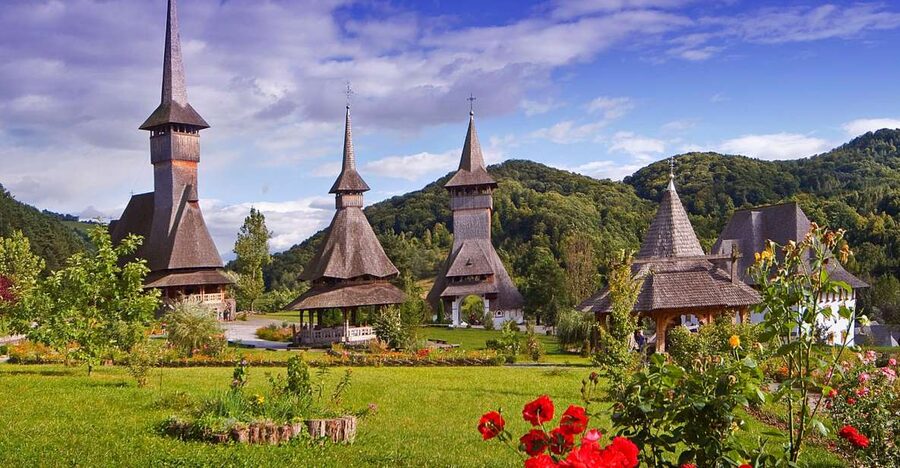
- Wooden churches and monasteries: Visit manually carved churches, including a UNESCO World Heritage site.
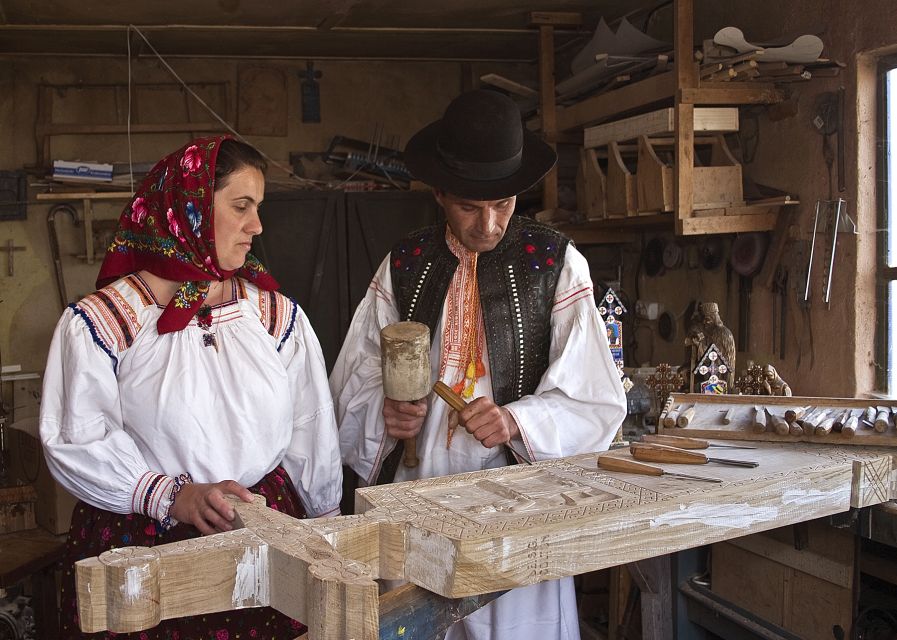
- Hands-on rural traditions: Watch wood carving, meet craftsmen, taste pălincă, and see old whirlpools used to wash wool rugs.
- Transport and meals included: A modern car, hotel pickup, entrance fees, bottled water, and one traditional lunch and dinner are included.
Why Maramureș feels different from a standard day trip
The road north from Cluj-Napoca takes you into a part of Romania known for old customs, wooden architecture, handmade clothing, and a strong village identity. Maramureș was first mentioned in documents in 1199, but the appeal here is not simply age. It is the way old practices still fit into ordinary life.
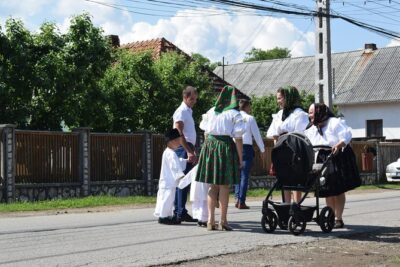
You see people wearing handmade traditional costumes with pride. You pass villages where woodworkers still make useful and decorative objects. You visit churches built by local craftsmen rather than grand stone architects. The effect is personal and practical, not theatrical.
The tour suits you best if you want culture through conversation, food, and homes rather than through a long list of formal sights. Your guide helps explain what you are seeing, but the most useful moments may come at a kitchen table or beside a carving bench.
The setting adds another layer. Hills rise above fields dotted with haycocks, and the forests include trees of many ages. The region is described as home to some of Europe’s last untouched forests, with brown bears, wolves, deer, and thousands of other animal species. This is sightseeing rather than a wildlife trip, so you should not expect a bear encounter. You will, however, get a sense of why the area has such a strong connection to wood, farming, and seasonal work.
A few more Cluj Napoca day trips to weigh up
- Two days tour to Maramures: local experiences and culture
★ 5.0 · 9 reviews - Maramures: 2 Days in Rural Romania
★ 5.0 · 5 reviews - 2-Day Medieval Transylvania with Brasov,Sibiu and Sighisoara Tour from Bucharest
★ 4.5 · 145 reviews
The road from Cluj to Breb
Pickup from your hotel in Cluj-Napoca keeps the morning simple. You travel in a modern, well-equipped car with an English-speaking guide. German and French can be requested, though the activity information lists English as the operating language.
The drive is part of the experience. You leave the city and move toward smaller villages, wooded hills, and open fields. The guide can add the history and local context that turns a long drive into useful orientation. Previous guides have included Florin, Ilona, and Joseph, and their different strengths matter. Florin, a local man from Maramureș, offers particularly close ties to the area and its residents. Ilona has been praised for her kind attention and good conversation. Joseph has been noted for explaining both Romanian history and the specific story of Maramureș.
Because the trip covers a large rural area in only two days, expect time on the road. That is the tradeoff for seeing several villages, churches, craft sites, and natural viewpoints without arranging separate transport.
Breb and the meaning of a carved gate
Breb is the main base for the first day and the overnight stay. The entrance through a handmade carved gate is more than a pretty arrival. Its details carry cultural meaning, and your guide can help you read the symbols and design.
The local home visit is one of the strongest parts of the trip. A house in Maramureș is not just a place to sleep. It is the center of family life, customs, work, and hospitality. By entering one, you get a better sense of how traditions survive in practice.
You can expect a traditional lunch made with fresh products. The food is served in abundance, and the local saying that you never leave Maramureș hungry seems useful advice here. The activity includes one traditional lunch and one traditional dinner served in Breb, but other meals are not included. Ask your guide what is planned for the remaining eating time, and budget for drinks and extra food.
The meal is also a chance to talk. You can meet local residents, discuss village life, taste pălincă, and watch or learn about craft work. Pălincă is a strong local fruit brandy, so take a small taste rather than treating it like a soft drink. The point is the conversation and custom, not the quantity.
Sleeping in a traditional house
Your overnight stay is in a traditional house in Breb. The accommodation is described as comfortable, clean, modern, and warm, even during a night below freezing. That is useful context because the building may look old or historic from the outside, but you are not being asked to sacrifice basic comfort for atmosphere.
The exact room setup is not specified, so you should not assume hotel-style facilities or a particular room type. If you need a specific sleeping arrangement, ask before booking. Still, the available information suggests that the overnight stay is a genuine part of the visit, not simply a nearby hotel chosen for convenience.
A night in the village gives the trip a better rhythm than a quick stop. You are not rushing through Breb, taking a photograph, and leaving before the place has settled into evening. The stay helps connect the food, house, gate, clothing, and craft traditions into one experience.
Same corner of the country, a completely different day out:
- Curly Tour – Day trip from Cluj 🙂
★ 5.0 · 330 reviews - Cluj: Turda Salt Mine, Corvin Castle, Alba Carolina Tour
★ 4.8 · 184 reviews - Cluj-Napoca: 2.5-Hour Guided Walking Tour
★ 4.8 · 104 reviews - Turda salt mine 4h tour from Cluj
★ 5.0 · 73 reviews
Wood carving, wool washing, and living skills
Maramureș is famous for woodwork, and the tour takes you to local craftsmen and demonstrations. You may see carved objects being made and learn how practical skills are passed along. The emphasis is on real work, not a staged folk show described in broad terms.
One of the more unusual stops involves the natural whirlpools once used to wash wool rugs. These are ingenious washing machines powered by moving water. Women used the swirling force to clean heavy wool textiles, turning the local river system into a useful tool.
This stop helps you understand the resourcefulness of rural life. Wood, water, wool, and food all come from the surrounding area, and local customs grew from making the most of what was available. If you like architecture, traditional tools, and craft, these visits may be more rewarding than a string of viewpoints.
The schedule may not allow long browsing at every craft stop. You should think of the demonstrations as an introduction to the work, with the added benefit of meeting people who still practice it.
The Merry Cemetery and Maramureș humor
At Săpânța, the Merry Cemetery offers one of Romania’s most distinctive cultural sights. The grave markers are brightly painted and decorated with scenes and epitaphs that often use humor to describe the dead.
The tone can surprise you. Cemeteries are usually quiet, solemn places, but this one reflects a local willingness to discuss personality, work, mistakes, and family life with a sharp sense of humor. The funny epitaphs are not just a novelty. They show how the community remembers people as individuals.
Your guide is important here. Translations and local context help you understand the jokes and the meaning behind the images. If you only walk through and look at the colors, you miss much of the point.
The site is a good match for you if you enjoy social history and local character. It may be less appealing if you prefer quiet religious sites with no playful edge. Either way, it is a memorable contrast to the wooden churches and monasteries visited elsewhere on the trip.
Wooden churches and the spiritual side of the region
Religion is another key to understanding Maramureș. The tour visits monasteries and wooden churches, including a UNESCO World Heritage site. These buildings were manually carved by local craftsmen, and their design reflects both religious belief and the materials available in the region.
The churches are valuable for their construction as much as for worship. Wood gives them a human scale and a close link to the forest. Tall forms, carved details, and careful joinery show the skill of the builders. Your guide can explain how these churches fit into local life and why they matter beyond their appearance.
The exact churches and monasteries visited can vary, so you should check the current route when booking. The tour description promises several important religious sites and a UNESCO-listed wooden church, but it does not provide a fixed list of names or visiting hours.
Dress and behave respectfully at religious sites. Comfortable shoes are required for the trip, and modest clothing is sensible when entering churches or monasteries. The tour combines spiritual places with homes, workshops, food, and humor, giving you a fuller picture of local life than a church-only route would provide.
Hill villages, haycocks, and old forests
Several scenic stops are designed to make you feel as if you have entered a storybook setting. You climb to higher ground for views over hill villages and fields where haycocks dry in the sun.
These are not just postcard stops. The haycocks show how farming still shapes the countryside, and the hill villages reveal how homes, fields, roads, and churches fit together. Bring your camera, but also allow time to look beyond the nearest viewpoint.
The region’s forests provide a slower, more natural counterpoint to the villages. The forest description focuses on old trees, young growth, and the cycle in which fallen wood returns to the soil. You are not visiting a national park on a wildlife safari, and the tour does not promise animal sightings. The value is in seeing a part of Europe where the forest remains closely tied to local life.
Weather will affect this part of the itinerary. A warm jacket and sturdy, comfortable shoes make sense, particularly outside the summer season. The only listed item you must bring is comfortable footwear, but rural paths and high viewpoints make that advice worth taking seriously.
What the $688 price really covers
At $688 per person, this is an expensive two-day excursion. The price makes more sense if you value private-style transport, a professional guide, entrance fees, a traditional overnight stay, and access to local homes and craft activities.
Included are transport in a modern car, hotel pickup, an English-speaking guide, entrance fees, bottled water, accommodation in a traditional house, and one traditional lunch and dinner in Breb. German and French guide service may be available on request.
The price does not include travel insurance, meals beyond the included lunch and dinner, drinks, personal calls, souvenirs, or photography fees. Those extras may not ruin the budget, but you should count them before comparing this tour with a cheaper group trip.
You are paying for access and organization as much as for transport. Visiting homes and meeting local people is difficult to arrange independently, especially when you do not speak the language or know which villages to approach. A local guide such as Florin can also provide context and personal connections that a self-guided drive may lack.
If your main goal is simply to see wooden churches at the lowest possible cost, the price may feel high. If you want a carefully arranged cultural visit with meals, a village overnight stay, and a guide who can explain the region, the package has a stronger case.
Who should book this two-day trip
I would recommend this experience to you if you enjoy:
- Traditional architecture and handmade crafts
- Rural food and local hospitality
- Religious history and wooden churches
- Conversations with residents
- Scenic walks and hill viewpoints
- A slower overnight stay instead of a quick day trip
It is especially useful for first-time visitors to northern Romania who want someone else to handle the driving and route planning. The guide’s local background can make the difference between seeing a carved gate and understanding why it was made that way.
I would be more cautious if you need step-free access, dislike road time, or want a fixed schedule with every stop listed in advance. The tour is not suitable for people with mobility impairments or wheelchair users. Pets are not allowed.
You should also think about the season. One account describes a below-zero night, with the accommodation still warm and comfortable. That suggests the house can handle cold weather, but you should pack for changing conditions and not expect a mild rural climate outside summer.
Free cancellation is available up to 24 hours before departure, and you can reserve now and pay later. Pickup from your Cluj hotel is included. Check availability for the starting time, since a specific departure hour is not provided.
Should you book the Maramureș tour?
Book it if you want the human side of Romania: a meal in a village home, a strong local brandy shared in conversation, woodworkers at their craft, funny cemetery epitaphs, and churches shaped by local hands. Those details give the trip its value.
The strongest reason to choose it is the guide. Florin’s local roots, Ilona’s considerate approach, and Joseph’s broad explanations show how much the experience depends on who leads it. Ask who your guide will be if that matters to you.
Skip it if $688 feels too high for two days, if you want a low-cost sightseeing transfer, or if rural walking and an active schedule would be difficult. For the right person, though, this is a focused introduction to a part of Romania where tradition is still part of ordinary life.
FAQ
Where does the tour begin?
The tour begins in Cluj-Napoca, with pickup from your hotel.
How long does the experience last?
The tour lasts two days and includes one overnight stay in a traditional house in Breb.
What language is the tour conducted in?
The live tour guide speaks English. German and French can be requested.
What meals are included?
The experience includes one traditional lunch and one traditional dinner served in Breb. Other meals, beverages, and personal food expenses are not included.
Is accommodation included?
Yes. Accommodation in a traditional house is included, with the overnight stay taking place in Breb.
Does the tour visit the Merry Cemetery?
Yes. The route includes the Merry Cemetery in Săpânța, known for its painted grave markers and humorous epitaphs.
Are entrance fees included?
Yes. Entrance fees are included in the tour price. Photography fees are not included.
Is the tour suitable for wheelchair users?
No. The tour is not suitable for wheelchair users or people with mobility impairments. Comfortable shoes are recommended, and pets are not allowed.
Just added around Cluj Napoca
- 3 Day Tour of Maramures★ 5.0 · 4 reviews
- 650cc Motorbike Rental from Turda★ 5.0 · 5 reviews
- CJ04 -Maramureș Adventure:Tradition, Folk Art &Scenic Beauty★ 5.0 · 5 reviews
- Maramures: 2 Days in Rural Romania★ 5.0 · 5 reviews
- Private tour to Turda Salt Mine, Rimetea and Alba Iulia★ 4.8 · 5 reviews
- Cluj-Napoca Walking City Tour★ 5.0 · 5 reviews
- Turda Salt Mine, Gorge & Rimetea Village (private from Cluj)★ 5.0 · 5 reviews
- Golden Circle of Transylvania★ 5.0 · 5 reviews
Cluj-Napoca Tours, compared.
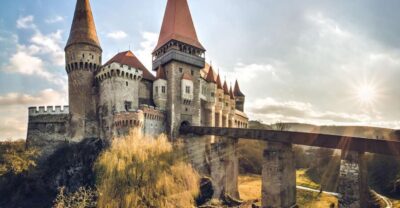
Turda Salt Mine, Corvin Castle, Alba Carolina Tour
Read our review →
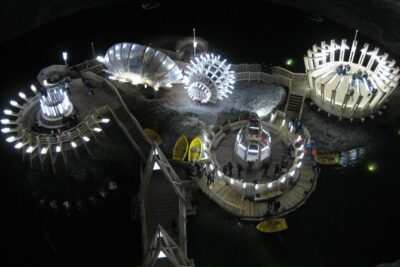
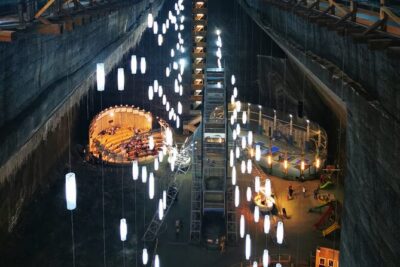
Turda Salt Mine, Corvin Castle and Alba Fortress from Cluj
Read our review →
Browse the lists this tour appears in