
Reviewed · TRANSYLVANIA DAY TRIPS
Golden Circle of Transylvania
The most unusual moment comes early: you descend 120 meters into Salina Turda, a salt mine turned science-fiction-style underground park. Later, the route shifts from medieval citadels to a high Carpathian lake, a bear sanctuary, Saxon villages, and Dracula’s castle. This is Transylvania in broad strokes, packed into four busy days.
I like the private format, since Tudor can shape the pace around your group rather than moving everyone on a fixed bus schedule. I also like the mix of famous sights and less expected stops, especially canoeing on the underground lake, hiking Turda Gorges, and visiting traditional villages.
The main consideration is physical effort. A nine-kilometer gorge hike and a mountain walk with a 300-meter climb require a moderate fitness level, while the long driving days leave little room for wandering slowly. At $1,156.82 per person, the value depends heavily on your group size and how much you value a private guide, included meals, transport, and planning.
Key points at a glance
- An underground salt mine with a canoe ride: Salina Turda is more than a standard mine visit, with a large subterranean park and an underground lake.
- Four UNESCO-linked stops: You visit Sighisoara, Viscri, and Biertan, plus Alba Iulia’s impressive citadel.
- Private touring with Tudor: The guide can adapt the route to your needs, including food preferences such as vegetarian meals.
- A real mix of activity levels: Expect a nine-kilometer hike at Turda Gorges and a mountain trail rising to 2,311 meters.
- A direct look at bear conservation: Libearty Bear Sanctuary protects about 120 bears and includes a guided visit.
- Breakfasts and lunches are included: That removes some daily planning, though you should confirm exactly what is covered when booking.
What this four-day route is really designed to do
The Golden Circle is not a single attraction. It is a road trip through central Romania, linking major sights that are spread across Transylvania. You get castles, medieval streets, fortified churches, mountain scenery, village life, and wildlife conservation in one continuous trip.
That breadth is the appeal. If you are starting in Cluj-Napoca and want to see far more than the city and nearby Turda, this route saves you from piecing together trains, buses, hotels, tickets, and local guides. You also avoid the limits of a large coach group.
The tradeoff is that this is an active sightseeing tour, not a relaxed country retreat. You change accommodation, cover long distances, and often have a full day of stops. I would choose it for variety and convenience, not for sleeping late or spending half a day at one castle.
The tour is private, so only your group participates. Tudor is the named guide associated with the experience, and the feedback supplied about him is especially strong. He is described as flexible with dietary needs, including finding vegetarian choices, and able to combine history, city sightseeing, and hiking for families with older teenagers and young adults.
More Transylvania day trips:
- Transylvania Gems: Sighisoara, Medias, Biertan & Gypsy life
★ 4.9 · 29 reviews - Transylvania: Dracula’s Castle and Birthplace Tour
★ 4.5 · 28 reviews - Sighisoara and Biertan: UNESCO in Transylvania
★ 5.0 · 27 reviews
Day one: Turda Salt Mine, underground water, and Coltesti
Pickup is scheduled from your accommodation in Cluj-Napoca, with the first day described as beginning at 9 a.m. The meeting information also gives an 8 a.m. start time, so confirm the exact pickup hour before you set your alarm. That small check matters on a route where every morning feeds into a long chain of stops.
Salina Turda at 120 meters below ground
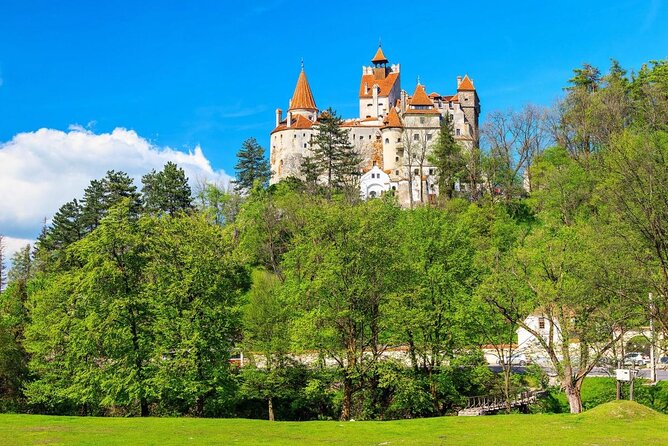
Salina Turda is the day’s most distinctive stop. You go 120 meters underground into Rudolf Mine, where the salt formations and modern attractions create an odd but memorable setting. The mine is not presented as a bare industrial tunnel. It has been developed as a science-fiction-themed park, with salt stalactites and a subterranean lake.
The included visit lasts about two hours. A particularly unusual feature is the canoeing boat ride on the underground water. That gives the stop a sense of adventure that ordinary mine tours lack, though you should remember that this is still a tourist attraction rather than a remote wilderness outing.
Your Curly Guide is set to explain the mine’s past as you move through it. That matters here because the scale and design can distract from the original purpose of the place. A guide helps connect the dramatic rooms and salt formations to the mine’s working history.
Turda Gorges and a nine-kilometer walk
Next comes Cheile Turzii, or Turda Gorges, with about three hours allocated for a hike through and above the gorge. The route is described as nine kilometers, so take that figure seriously. This is not a brief viewpoint stop where you step out, take a picture, and return to the vehicle.
The reward is a closer look at Transylvania’s rocky terrain, plant life, and local wildlife. The trail gives you a physical counterpoint to the enclosed salt mine, with open views and changing ground underfoot.
Good walking shoes are a sensible choice. The tour requires moderate fitness, and the first day already combines a long walk with several more stops. If your group includes anyone who finds a nine-kilometer route difficult, ask Tudor how the timing can be adjusted before booking.
A few more Cluj Napoca day trips to weigh up
- Curly Tour – Day trip from Cluj 🙂
★ 5.0 · 330 reviews - Cluj: Turda Salt Mine, Corvin Castle, Alba Carolina Tour
★ 4.8 · 184 reviews - Cluj-Napoca: 2.5-Hour Guided Walking Tour
★ 4.8 · 104 reviews - Turda salt mine 4h tour from Cluj
★ 5.0 · 73 reviews
Village food and the Coltesti ruins
After the gorge, the tour turns toward a Transylvanian village and lunch. This is one of the places where the private arrangement can add real value. Instead of treating the countryside as scenery between major attractions, you get time for a village visit and a traditional meal.
Lunches and breakfasts are included in the tour price, which is useful on a route with few spare hours for restaurant research. The supplied information does not specify every restaurant or menu, but the guide has accommodated vegetarian needs in the past. Tell Tudor about dietary requirements before the trip.
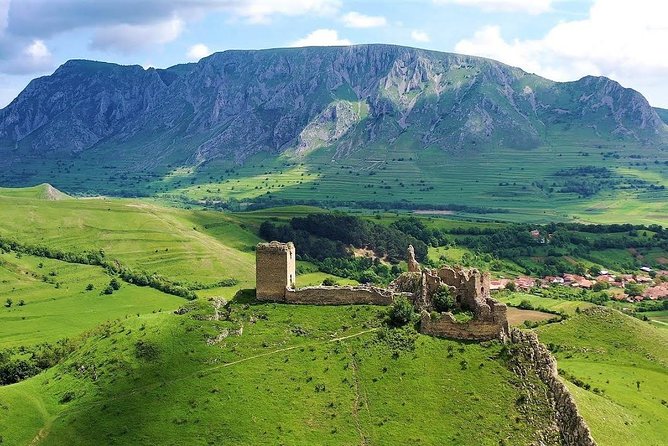
The final stop is Coltesti Fortress, also known as the Coltesti Castle ruins. You have about an hour there before continuing to accommodation in Alba Iulia. The ruins add a rougher, less polished historical stop after the highly developed salt mine and marked hiking route.
Day two: Alba Carolina and the Transfagarasan high road
Day two begins with Alba Iulia, then shifts into a mountain journey toward Balea Waterfall and Balea Lake before finishing in Brasov. It is one of the most scenic days, but it is also one of the longest.
Alba Iulia’s Vauban-style citadel
The Alba Carolina Citadel is allotted two hours. Its Vauban style gives the visit a clear architectural identity, with planned defensive design rather than the irregular form of a hilltop ruin.
This is a useful stop early in the day because it gives you historical context before the route heads into the mountains. You can focus on the walls, layout, and stories tied to the citadel without trying to squeeze it into a short photo break.
The visit is listed as free of admission charges. The time is enough for a solid introduction, though not an exhaustive study of every corner.
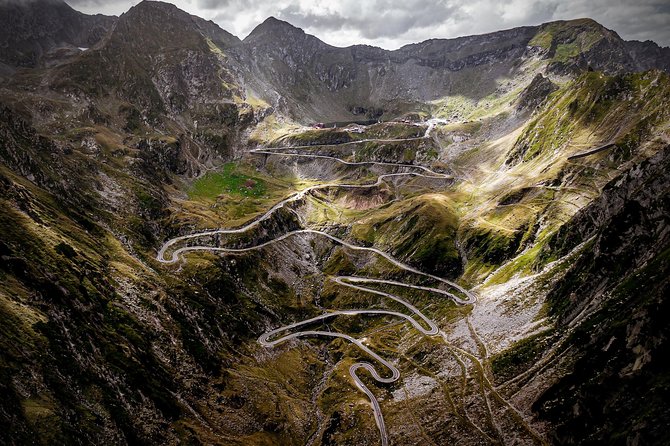
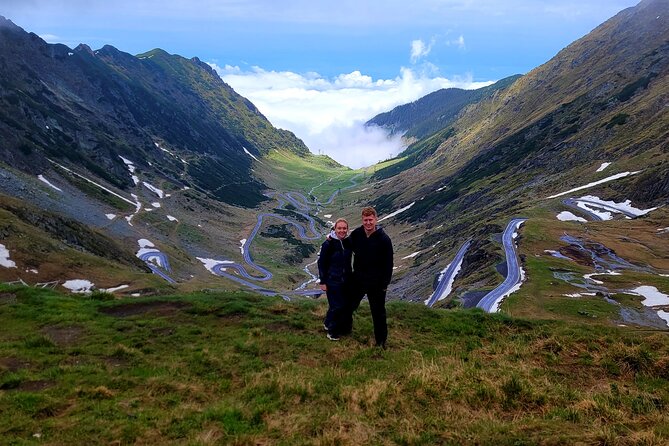
The Transfagarasan and Balea Lake
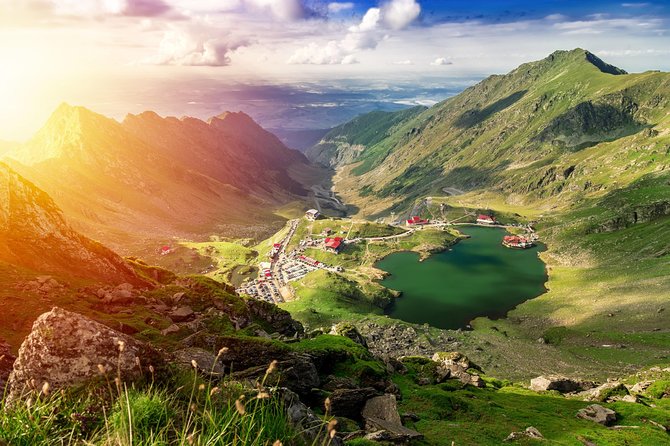
The road then climbs along the Transfagarasan toward Balea Waterfall. A cable car ride takes you higher, opening views toward Balea Lake, described as Romania’s most beautiful glacial lake. The exact mountain conditions can vary, and the experience requires good weather. If weather causes the tour to be canceled, you are offered another date or a full refund.
The walk near Balea Lake reaches 2,311 meters and includes about 300 meters of elevation gain. It is classified as a medium-level hike. That combination of altitude and climbing makes this more demanding than a casual lakeside stroll, even if the walking time is listed at roughly two hours.
You are also promised a picnic with mountain views. I like this part of the plan because it lets the scenery become the main event. Still, mountain weather can change quickly, and the tour’s weather requirement is a reminder that this section is not guaranteed under all conditions.
Brasov after a full day outside
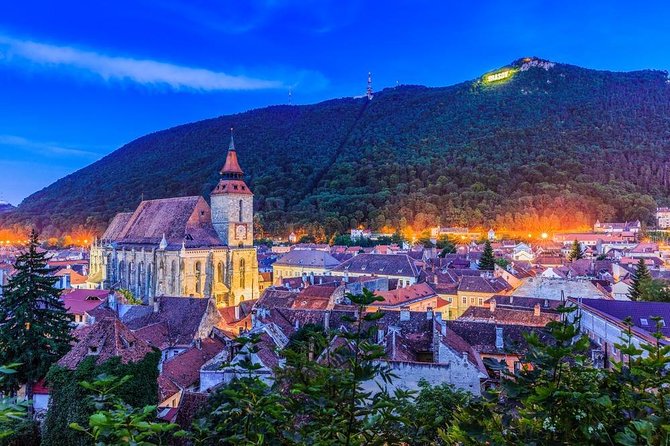
The route continues to Brasov, with up to ten hours allocated for the city portion of the day. You explore the main attractions and cobbled streets of this medieval city before dinner.
Brasov works well here because it gives you an urban evening after the mountain hike. You can shift from open peaks to historic streets without changing the overall Transylvanian theme.
This is also a demanding day. Alba Iulia, the mountain road, cable car, hike, and Brasov add up quickly. If you prefer extended museum visits or long café breaks, the schedule may feel tight. If you like seeing many different sides of a region in one day, it delivers.
Day three: rescued bears, Bran Castle, and volcanic ground
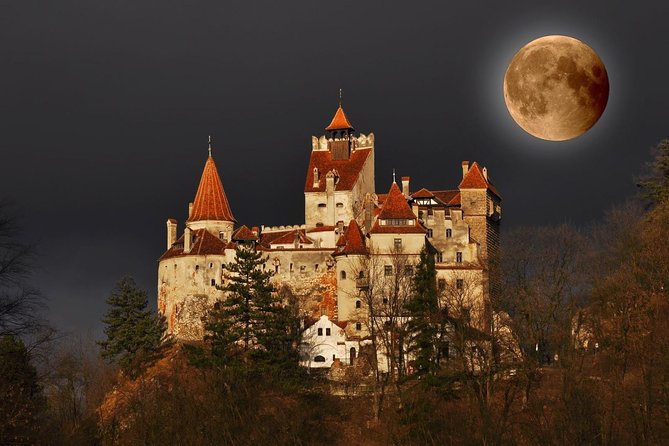
The third day puts conservation and folklore side by side. You begin with bears, visit Romania’s most famous castle, see a cave, hike around Racos Volcano, and end in the Saxon village of Crit.
Libearty Bear Sanctuary in Zarnesti
After breakfast, you visit Libearty Bear Sanctuary, a protected home for about 120 bears. A local guide leads the two-hour visit and explains the animals’ lives and the conservation work behind the sanctuary.
This is a valuable stop because it presents bears as living animals rather than simply as symbols on a souvenir. The focus is protection and care, which gives the visit more weight than a quick wildlife sighting.
The sanctuary also adds a practical conservation angle to a tour otherwise filled with castles and old towns. I would give this stop your full attention rather than treating it as filler before Bran.
Bran Castle and the Dracula connection
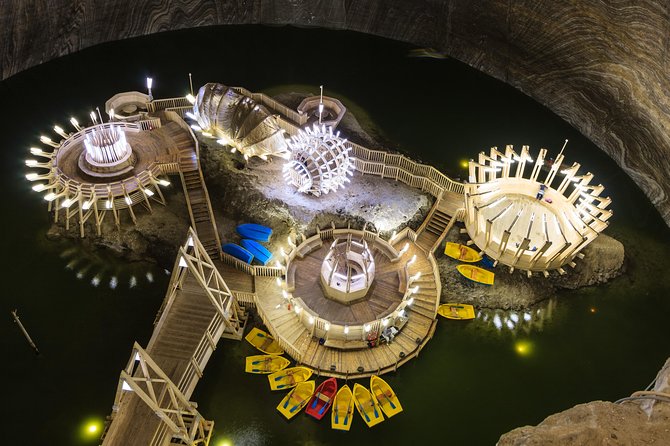
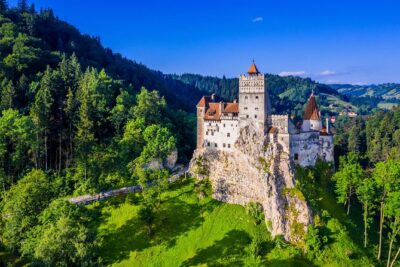
Bran Castle receives about three hours, giving you time to explore the famous fortress and its connection to Dracula. The visit also covers Count Vlad the Emperor and the Romanian Royal Family.
The castle’s fame comes from its association with Dracula, but the tour description points to a wider story. You should expect both folklore and royal history, not a pure horror attraction. That balance is important if you want to understand why Bran became so famous while still seeing the building as a historic fortress.
Three hours is generous compared with a brief roadside visit. Even so, the castle is one of the route’s most popular sights, so private transport will not remove the fact that it is a major attraction. The advantage is control over your day, not an empty castle.
Valea Cetatii Cave and Racos Volcano
The day continues to Valea Cetatii Cave for about an hour. This short visit breaks up the castle portion with another natural feature.
Afterward comes a hike through the rugged area around Racos Volcano. The itinerary does not give a trail length or exact elevation gain for this walk, so ask Tudor about the expected effort before setting out. The appeal is the visible evidence of ancient volcanic activity and the broad views along the route.
This is another reason to bring proper walking footwear. Day three combines a sanctuary walk, castle sightseeing, a cave, and uneven volcanic ground. It is varied, but not effortless.
Evening in Crit
Accommodation is in Crit, a Saxon village founded in 1267 by a Flemish community serving the medieval Hungarian Kingdom. The village kept its Saxon identity, and its dialect is linked in the description to one found today only in Luxembourg.
That detail gives the overnight stop unusual cultural value. Crit is not simply a convenient bed between attractions. It helps you see how different communities shaped Transylvania over centuries.
The day is described as lasting about eight hours at Crit, though actual time on the road and at the separate stops will depend on the group and conditions. A village stay also changes the tone of the tour. After the crowds and fame attached to Bran, you finish among older local traditions.
Day four: Saxon villages and three UNESCO World Heritage sites
The final day focuses on fortified settlements and churches. It is less physically demanding than the mountain sections, but the sights reward patience and attention to detail.
Viscri and traditions brought back to life
Viscri is described as a Saxon village where old traditions have returned. It is a UNESCO World Heritage Site, and the scheduled visit lasts about two hours.
The key value here is the setting. Viscri lets you see a historic village as a living place rather than a single monument. The visit is a good chance to slow down, notice the village layout, and ask Tudor how Saxon culture fits into the wider story of Transylvania.
Sighisoara’s inhabited medieval citadel
Sighisoara is one of the route’s major highlights. It is UNESCO-listed, associated with the birthplace of Vlad Dracula, and described as one of Europe’s last inhabited medieval citadels.
Two hours gives you a focused introduction to the old town. You can walk the streets, see the fortified character, and connect the Dracula story to a real medieval town rather than to a castle alone.
The limited time is the main drawback. Sighisoara has enough character to reward a longer stay, especially if you enjoy wandering without a fixed plan. Here, you get a useful snapshot as part of a larger route.
Biertan’s fortified church
The final listed stop is Biertan Fortified Church, another UNESCO World Heritage Site, with about an hour allocated. Its inclusion strengthens the cultural side of the tour and gives you a final look at the defensive church tradition found in Transylvanian Saxon communities.
Biertan works well after Viscri and Sighisoara because the three stops show different forms of medieval settlement. You see a village, a citadel town, and a fortified church, rather than repeating the same type of attraction.
Price, meals, and the value of a private vehicle
At $1,156.82 per person, this is a serious purchase. The price makes more sense for a group that wants one private itinerary, a dedicated guide, accommodation planning, included breakfasts and lunches, and admission to several paid sights.
You are paying for more than entry tickets. The route covers a wide section of Transylvania, and arranging it independently would mean working out transport between rural villages, mountain areas, castles, caves, and cities. The guide also handles the daily sequence, which is valuable when the stops are spread far apart.
The value drops if you only want the headline sights. Someone interested mainly in Bran Castle and Brasov could spend less by arranging a shorter trip. This four-day option earns its price through variety, private service, and the number of places covered.
Group discounts are available, but the supplied details do not state the discount amount. Ask for the total cost for your exact party before booking. Since the tour is private, the per-person figure may be easier to justify for several people sharing the experience than for a solo visitor.
Who will enjoy this trip most
I would recommend the tour to you if you want history and outdoor activity in equal measure. It suits adults, families with older children, and groups with enough fitness for the gorge and mountain walks.
It is also a strong fit if you dislike spending weeks on route planning. Tudor’s flexibility is useful for dietary needs and personal preferences, and the private format gives your group more control than a large coach tour.
You may want a different style of trip if you need guaranteed sunshine, short walking distances, or long unstructured afternoons. The weather-sensitive mountain section can change the plan, and the schedule is full enough that you should expect early starts and sustained attention.
The experience received five excellent ratings from five submitted reviews, with repeated praise for Tudor’s guidance, flexibility, and ability to combine city sights, history, and hiking. That is the clearest strength of the tour. You are not simply being driven from one famous stop to another. The guide is central to making the route useful.
Cancellation is flexible up to three full days before the start time for a full refund. Inside that window, changes and refunds are not accepted. Because the mountain portion requires good weather, check the forecast and keep your plans flexible.
Should you book the Golden Circle of Transylvania?
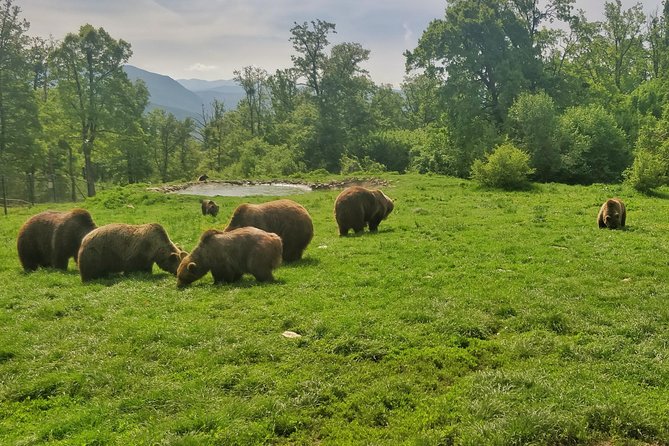
Book it if you want a big first look at Transylvania and prefer a private guide to independent logistics. The strongest reasons are the unusual Salina Turda canoe ride, Libearty Bear Sanctuary, the Transfagarasan and Balea Lake, Bran Castle, and the sequence of UNESCO sites.
Think twice if you want a slow, single-base holiday or if long hikes are not appealing. At this price, the tour should be chosen for its full range, not for one or two attractions.
For an active group that values local context, flexible meals, and a well-planned route, Curly Guide Tours offers a practical way to see the region’s best-known sights alongside quieter village and nature stops. Confirm the pickup time, meal details, and expected walking conditions, then decide if four busy days match your travel style.
FAQ
Where does the Golden Circle of Transylvania tour begin?
The tour begins with pickup from your accommodation in Cluj-Napoca.
How long does the tour last?
The experience lasts approximately four days.
Is this a private tour?
Yes. Only your group participates in the activity.
Who is the guide?
The guide associated with the tour is Tudor, from Curly Guide Tours.
Are breakfasts and lunches included?
Yes. The tour includes breakfasts and lunches.
Does the tour include admission tickets?
Admission is included for several listed stops, including Salina Turda, Turda Gorges, Balea Lake, Libearty Bear Sanctuary, Bran Castle, and Valea Cetatii Cave.
How demanding are the walks?
You should have a moderate level of physical fitness. The route includes a nine-kilometer hike at Turda Gorges and a medium-level hike near Balea Lake with a 300-meter elevation gain, reaching 2,311 meters.
Which UNESCO sites are included?
The route includes Viscri, Sighisoara, and Biertan, all identified as UNESCO World Heritage Sites.
What happens if the weather is poor?
The experience requires good weather. If it is canceled because of poor conditions, you are offered a different date or a full refund.
How late can I cancel for a full refund?
You must cancel at least three full days before the experience start time for a full refund. Cancellations or changes made less than three full days in advance are not accepted.
Just added around Cluj Napoca
- Maramures: 2 Days in Rural Romania★ 5.0 · 5 reviews
- Private tour to Turda Salt Mine, Rimetea and Alba Iulia★ 4.8 · 5 reviews
- Cluj-Napoca Walking City Tour★ 5.0 · 5 reviews
- Turda Salt Mine, Gorge & Rimetea Village (private from Cluj)★ 5.0 · 5 reviews
- CJ03 – Day trip to Maramures Mocanita Train from Cluj Napoca★ 3.6 · 5 reviews
- From Cluj: Winter Walking Trip on the Great Mountain★ 5.0 · 5 reviews
- Pub Crawl in Cluj★ 4.5 · 6 reviews
- Saxon Heritage in Transylvania: Day Trip from Cluj-Napoca★ 4.5 · 6 reviews
Transylvania Day Trips, compared.
Transylvania and Dracula Castle Full Day Tour from Bucharest
Read our review →
Castles of Transylvania: Private Day Trip from Bucharest
Read our review →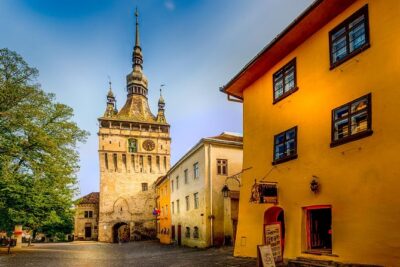
2-Day Medieval Transylvania with Brasov,Sibiu and Sighisoara Tour from Bucharest
Read our review →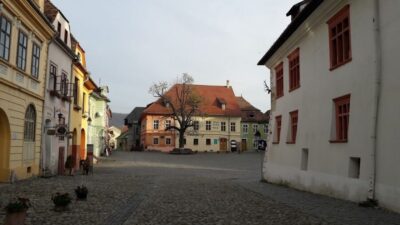
SB01 – City Tour Sibiu: Exploring the Heart of Transylvania
Read our review →
Day trips and excursions in nature, cities in Transylvania, Brasov!
Read our review →
2-Day Transylvania from Bucharest: Brasov, Bran, Sighisoara
Read our review →
Browse the lists this tour appears in