
Reviewed · COMMUNIST BUCHAREST TOURS
Private Walking Tour of Communist Bucharest
The most striking part of this private Bucharest tour is the way it connects grand buildings with painful recent events. You’ll move from the enormous Palace of Parliament to Revolution Square, then see churches that survived Nicolae Ceausescu’s demolition plans. The story is political, personal, and very visible in the city streets.
I like the private format, which lets you ask questions and adjust the day to your interests. I also like the guide-led focus: Laura and Diana are named guides who have earned praise for clear explanations, helpful advice, and a friendly manner. The main consideration is the long seven-hour schedule, with walking, transport, and several admission costs not included.
Key points at a glance
- A full day on communist Bucharest: The route covers revolution sites, Ceausescu’s home, the Palace of Parliament, and the old communist civic center.
- Private guidance with room to adjust: Only your group takes part, so you can ask for more political context or focus more on architecture and city life.
- The Palace of Parliament is the centerpiece: Plan on 90 minutes here, with entry fees separate from the tour price.
- Two churches show what was nearly lost: Antim Monastery and Mihai Voda Monastery survived communist demolition through relocation.
- Hotel pickup has a limit: Pickup is included for groups of up to three people, while larger groups should confirm meeting details.
- Strong guide feedback: Laura and Diana are specifically praised for informative, professional, and helpful touring.
Bucharest’s communist story in one long day
At about seven hours, this is not a quick city orientation. I would choose it when you want Bucharest explained through the rise and fall of the Communist Party, rather than simply photographed from a car window.
The tour begins at 8:30 am in Bucharest. You’ll use a private vehicle for some portions, which matters because the stops are spread across the city. You still need a moderate level of fitness, since the day includes walking and time on foot around large public squares and historic buildings.
The guide’s academic background in political science and tourism is a useful match for the subject. This is a tour where dates, power struggles, and urban planning matter. Guides such as Laura and Diana have been praised for knowing the city well and making a long day feel useful rather than mechanical.
The price is $92.19 per person. For a private seven-hour experience, that can be fair value if you are traveling with one or two companions and want a focused day with a local guide. It is less simple to judge for larger groups because the advertised hotel pickup applies to a maximum of three people, and entrance fees, lunch, drinks, and taxes are extra.
More Walking Tours in Bucharest
- Bucharest: City Highlights Guided Walking Tour
★ 4.9 · 1,482 reviews - Bucharest Highlights Walking Tour
★ 5.0 · 469 reviews - Bucharest: Ghost Stories & Romanian Mythology Walking Tour
★ 4.9 · 287 reviews
University’s Square and the first break with communism
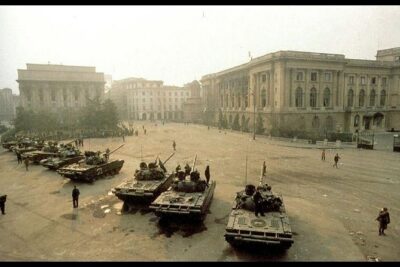
University’s Square is one of the places where the events of December 1989 become easier to picture. Along with Revolution Square, it was a memorial space connected to the violent uprising that ended communist rule in Romania.
You’ll spend about 30 minutes here. That is enough time for the guide to set the political scene and explain why this part of central Bucharest matters. I like beginning here because it gives the tour a human scale before the buildings become gigantic.
The stop is free, but the subject is not light. Expect a discussion of protest, repression, and the collapse of a political system. If you prefer tours that avoid difficult recent history, this day may feel heavy. If you want to understand how Romania changed, this is an effective opening.
Revolution Square, where two Bucharests meet
Revolution Square brings several layers of Romania together in one place. The square links the royal past with the communist dictatorship and the revolution that ended it. That clash is one of the tour’s central ideas: Bucharest is not divided into neat historical chapters. Different eras sit beside one another.
The visit lasts around 30 minutes and has no admission fee. Your guide can help you read the space as more than a collection of buildings. Here, political power, public memory, and architecture all share the same address.
This is also a good place to ask questions. Since the tour is private, you can slow down if you want more detail about the revolution or move on when you have the main picture. That flexibility is much harder to get on a large group outing.
The Romanian Athenaeum adds a royal and cultural note
The Romanian Athenaeum gives the day a welcome change of pace. This 19th-century concert hall reflects Bucharest’s cultural and royal-era ambitions, not the stark scale of Ceausescu’s civic projects.
You’ll have about 30 minutes here. The building is known for its concert hall and an impressive 75-meter fresco. The admission ticket is not included, so check the cost before booking if you want to go inside rather than view the building from outside.
I like this stop because it prevents the tour from treating Bucharest as only a communist city. The Athenaeum helps you see what came before the dictatorship and why the communist project felt so disruptive. It also gives your eyes a rest from concrete, broad avenues, and monumental government buildings.
More communist-era Bucharest walks:
- The Real tour of Communism
★ 5.0 · 666 reviews - Life under Communism
★ 5.0 · 358 reviews - 3-Hour Guided Tour of Communist Bucharest
★ 4.9 · 303 reviews - Bucharest Essential Tour: Old Town, Calea Victoriei & Communism
★ 5.0 · 142 reviews
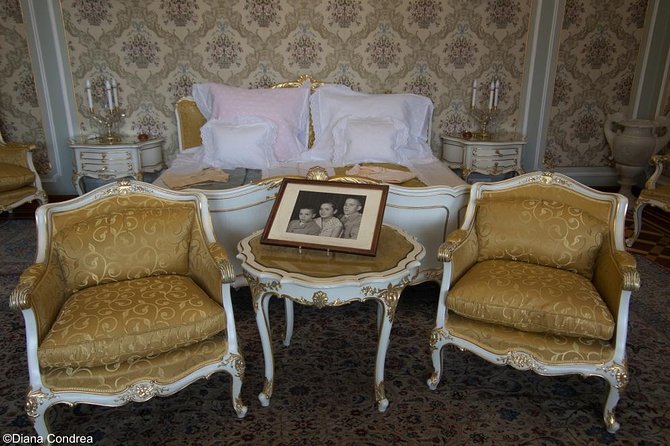
Ceausescu Mansion and the dictator’s private world
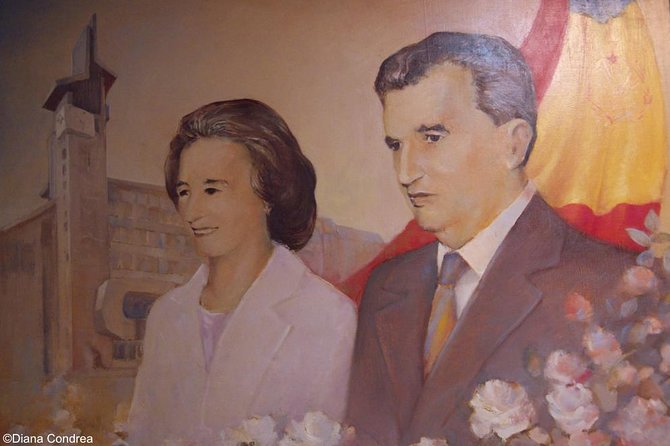
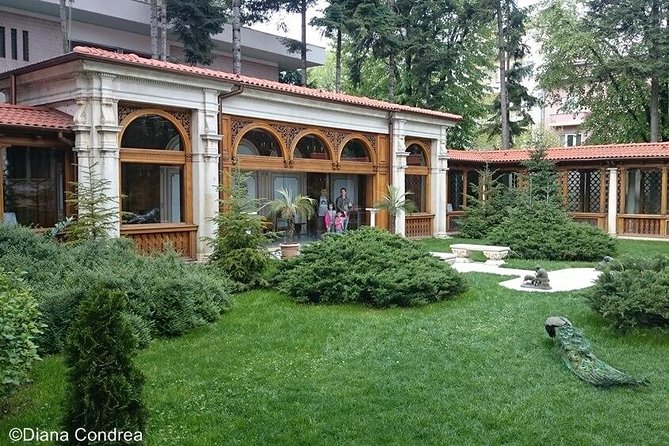
The former Ceausescu residence offers a more intimate look at communist power. After seeing public squares and state projects, you’ll visit the home of Nicolae Ceausescu, the dictator who shaped so much of Bucharest’s modern form.
The stop lasts about an hour and is listed with no admission cost, though the tour’s general terms say that fees and taxes are not included. I would confirm the exact entry arrangement when booking, since the Palace of Parliament and the Athenaeum clearly have separate admission costs.
The mansion matters because it shifts the focus from public ideology to private life. The Palace of Parliament was built to impress the nation and the world. The mansion shows where the ruling family lived. Together, the two stops help you compare official grandeur with domestic power.
This is a good place to ask your guide about Ceausescu as a political figure, not just as a name attached to a building. The supplied guide information points to a tour shaped by political science, so you can expect more than a list of rooms and dates.
The Palace of Parliament requires time and patience
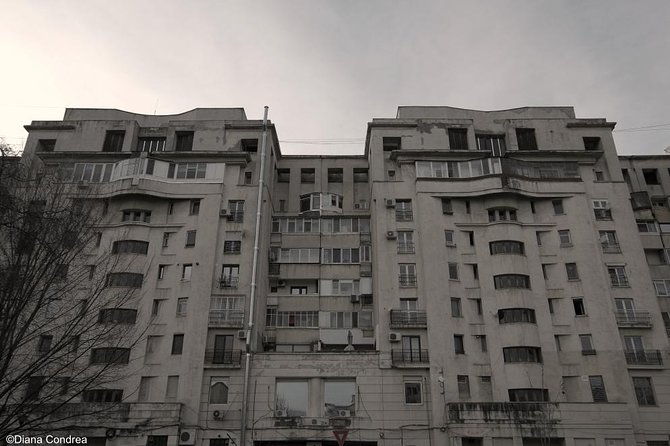
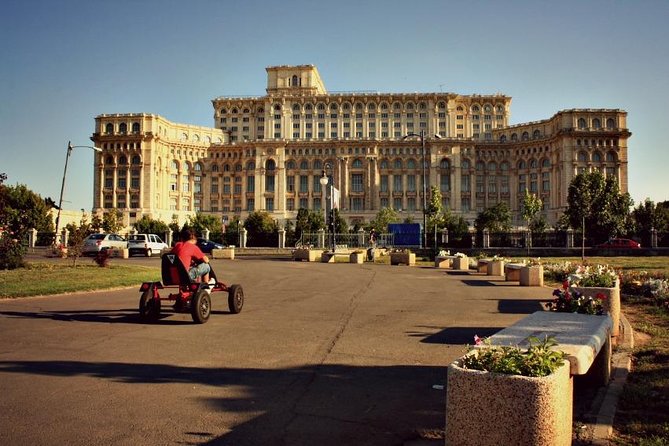
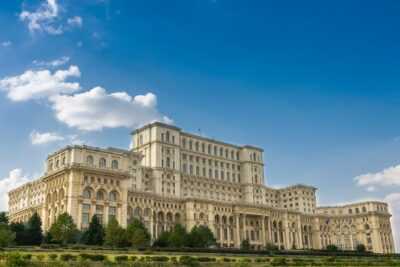
The Palace of Parliament, also called the House of the People, is the day’s largest subject and its biggest visual shock. It is described as the most famous landmark of Romania’s communist period and the second-largest administrative building in the world.
You’ll spend about 90 minutes here. The building contains more than 1,000 rooms, with handmade decoration and costly materials. The figures are staggering: around one million cubic meters of marble and 3.5 tonnes of crystal are associated with its construction.
The scale is the point, but it is also the problem. A building this large can overwhelm the human story behind it. I would listen closely when the guide connects the construction to Ceausescu’s rule and the reshaping of Bucharest. Otherwise, you may remember only enormous halls and polished surfaces.
Admission is not included, and this is one of the practical details that affects the real cost of the day. The tour price covers the professional guide and private transport on parts of the route, not every entrance. Ask about current Palace of Parliament entry arrangements before you commit.
The private format helps here. You can ask why the building was created, how it changed the city, and what its size meant politically. A guide who knows both tourism and political science can put the marble and crystal into context.
Constitution Square and the communist civic center
After the Palace of Parliament, the group moves to Constitution Square for about 20 minutes. This was the heart of the communist civic center, so it helps you understand the building as part of a much larger urban plan.
The square is broad and formal. Its importance comes from its relationship to the Palace and the former ambitions of the regime. Your guide can explain how a civic center designed around state power changed the shape of Bucharest.
This is a short stop, but it gives you time to look back at the Palace from the outside. I would use it to notice scale and distance. Large open spaces can make the individual feel very small, which was hardly an accidental effect in a capital built around one-party rule.
Two rescued monasteries and the cost of demolition
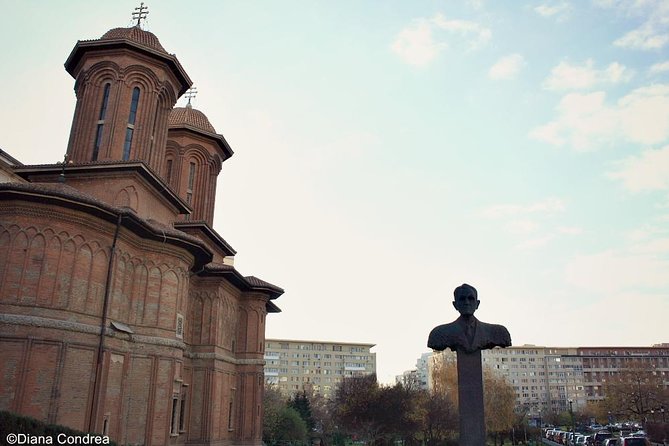
Antim Monastery and Mihai Voda Monastery are among the most distinctive stops because they show what communist modernization threatened. Both churches were saved from demolition after being moved from their original locations.
You’ll spend about 20 minutes at each monastery. These visits are brief, but they add an important religious and architectural layer to the day. The story is not only about what the regime built. It is also about what it tried to remove.
I find these stops especially valuable after the Palace of Parliament. The contrast is sharp: one part of the city was cleared for a monumental civic center, while historic churches were physically relocated to survive. That tension says a great deal about the priorities of the period.
Do not expect a long religious tour at either monastery. The schedule allows a short visit and explanation, not an extended interior study. Still, these stops make the day feel less like a parade of government buildings.
Lunch and the rhythm of a seven-hour outing
A midday lunch break at a city-center restaurant is part of the plan, but food and drinks are not included. That gives you control over spending and choice, though you should budget for lunch in addition to the tour price.
The break also matters physically. Seven hours is a long time for a history-focused city tour, especially with several walking stops. I would welcome the pause and use it to ask the guide about anything that felt unclear earlier in the day.
The tour combines private vehicle transport with walking. That is more practical than attempting this route entirely on foot, but you should still wear comfortable shoes and plan for a moderate level of activity. The route includes public squares, monuments, and religious sites rather than one compact pedestrian district.
What the private format adds
A private tour is most useful when your group has a shared interest in the subject. You can ask for more detail about the revolution, focus on Ceausescu’s urban plans, or spend less time on a stop that does not appeal to you.
The guide can also adjust the itinerary to your preferences. That does not mean every entrance or timing detail is automatically changeable, but it does give the day a personal feel that a fixed group schedule cannot match.
The named guides, Laura and Diana, have been praised for being informative, helpful, friendly, and professional. One particularly warm account described a guide who gave so much assistance that the group felt treated more like friends than customers, and who declined a tip at the end. That is not a guarantee of your exact experience, but it signals the service style you may encounter.
Hotel pickup is included for groups of up to three people. The tour begins and ends in Bucharest, and the meeting area is near public transportation. If your group is larger, confirm where you should meet rather than assuming hotel pickup applies.
Who should book this Bucharest tour?
I would recommend this experience to first-time visitors who want political context, architecture, and recent Romanian history in one organized day. It also suits couples or small groups who value a private guide and want to ask plenty of questions.
It is a strong choice if the Palace of Parliament is high on your list. The building is difficult to understand from a quick outside visit, and the 90-minute stop gives it the attention it deserves.
You may want something else if you prefer a relaxed food tour, a short walking route, or a broad introduction to Bucharest’s cafés and neighborhoods. This day is focused on communism and its physical mark on the city. It is not designed as a general sightseeing tour.
The price makes the most sense for a small private group. Add the Palace and Athenaeum admission costs, lunch, drinks, and any applicable taxes when calculating your total. Free cancellation is available if you cancel at least 24 hours before the 8:30 am start time, but late changes are not accepted.
Should you book it?
Book this tour if you want Bucharest explained through power, protest, and architecture, and if you appreciate having a local guide to connect the sites. The route is unusually focused, and the private setup gives you useful freedom during a long day.
Skip it if the subject of dictatorship and revolution feels too narrow or serious for your holiday. For the right reader, though, this is a worthwhile way to see why Bucharest looks the way it does today, from the Palace of Parliament’s excess to the monasteries that survived around it.
FAQ
How long is the Private Walking Tour of Communist Bucharest?
The tour lasts approximately seven hours.
What time does the tour begin?
The stated start time is 8:30 am.
Where does the tour start and finish?
It starts in Bucharest and ends back at the meeting point.
Is hotel pickup available?
Hotel pickup is included for groups of up to three people.
Is this a private tour?
Yes. Only your group participates in the activity.
Is transport included?
Transport by private vehicle is included for some parts of the itinerary.
Is lunch included in the price?
No. Food and drinks are not included. The itinerary includes a midday break at a city-center restaurant.
Are entrance fees included?
No. The Romanian Athenaeum and Palace of Parliament list admission tickets as not included. The tour terms also exclude all fees and taxes.
Do I need a passport?
Yes. A current valid passport is required on the day of travel.
Can I cancel for a full refund?
Yes, if you cancel at least 24 hours before the experience start time. Cancellations made less than 24 hours before the start are not refunded, and late changes are not accepted.
Just added around Bucharest
- Private Full Day Tour of Bucharest★ 5.0 · 3 reviews
- Veliko Tarnovo and Medieval Bulgaria Private Day Trip from Bucharest★ 5.0 · 3 reviews
- Bucharest VIP Bar Crawl in Lipscani ‘Old Town’★ 5.0 · 3 reviews
- Muddy Volcanoes and Salt Mine Private Tour★ 5.0 · 3 reviews
- Bucharest Private City Tour★ 5.0 · 3 reviews
- Legends & Stories from Transylvania -2 Castles & Brasov Old Town★ 5.0 · 3 reviews
- 7-Day Dracula Tour in Romania from Bucharest including ‘The Ritual of Killing of a Living Dead’★ 5.0 · 3 reviews
- Transfagarasan Private Tour from Bucharest – 2 Days★ 5.0 · 3 reviews
Communist Bucharest Tours, compared.
Bucharest Essential Tour: Old Town, Calea Victoriei & Communism
Read our review →
Communism in Bucharest – Landmarks, Museum & Communist Appetizers
Read our review →
Browse the lists this tour appears in