
Reviewed · COMMUNIST BUCHAREST TOURS
3-Hour Guided Tour of Communist Bucharest
Bucharest’s communist past is easiest to understand on foot, where grand boulevards, demolished neighborhoods, and surviving inter-war streets tell the story side by side. This tour links the Palace of Parliament, Ceausescu’s vast symbol of power, with the personal stories and political events that brought his regime down.
I like the contrast between major landmarks and lesser-known streets, and I like that guides such as Cristina use old photographs, family memories, and even a period snack to make recent history feel real. The main consideration is physical: you will be outside and standing for much of the three hours, so bring water, wear comfortable shoes, and expect hot weather to make the walk harder.
Key points to know before you book
- See the Palace of Parliament from the outside: Learn why Ceausescu ordered this enormous building and what its construction meant for Bucharest.
- Walk through the Uranus area: See traces of a neighborhood largely erased for communist redevelopment.
- Connect history with daily life: Hear about shortages, housing, nationalization, and the pressure of living under dictatorship.
- Visit 1989 Revolution sites: Understand how protest spread and how Romania’s communist government collapsed violently.
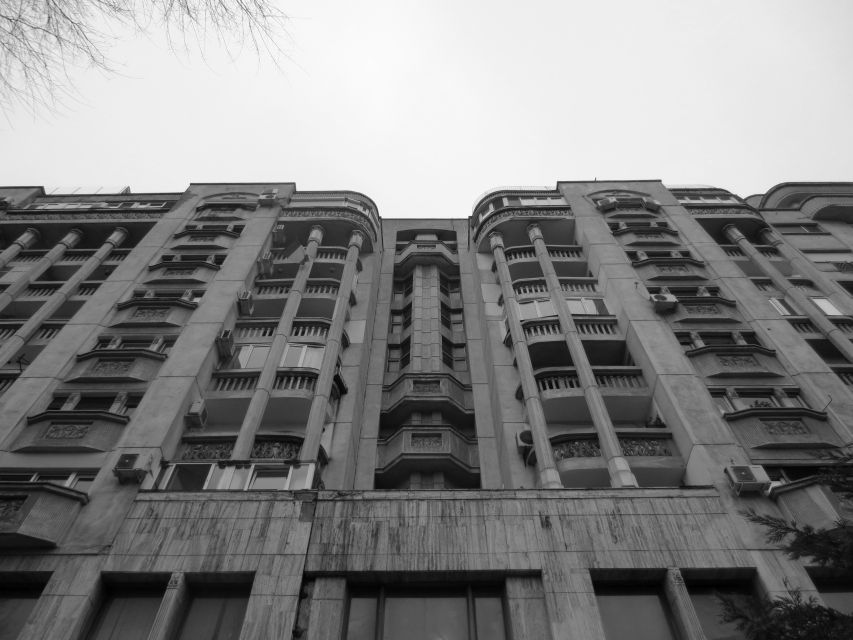
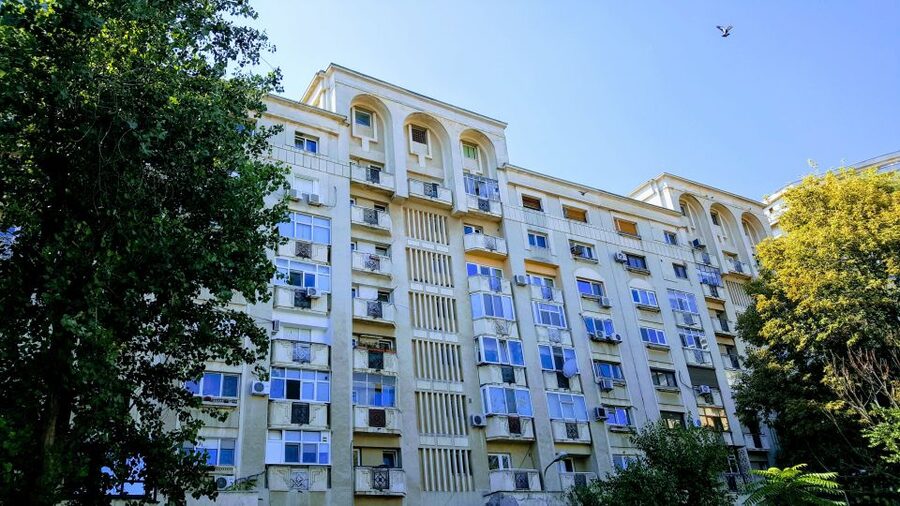
- Compare two Bucharests: Find surviving inter-war districts alongside communist blocks and monumental avenues.
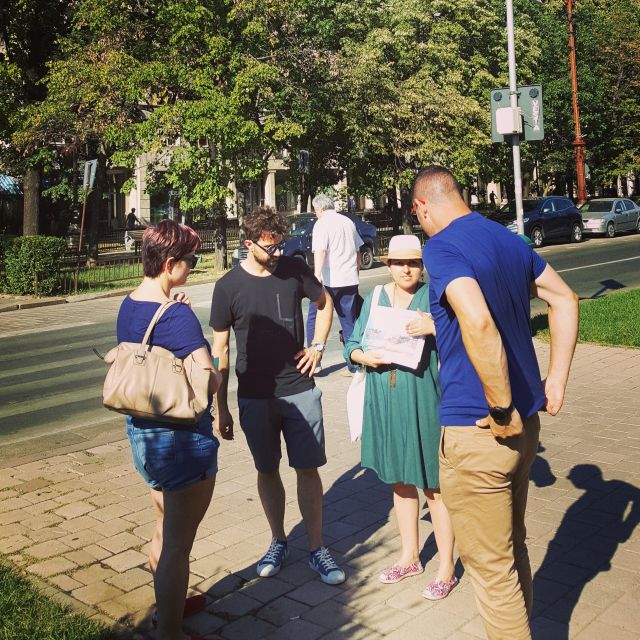
- Plan for a walking tour: The meeting point is near the red-brick bell tower of the Patriarchy, close to Piata Unirii.
Why communist Bucharest makes sense on foot
Bucharest can seem visually confusing at first. An ornate nineteenth-century building may sit beside a concrete apartment block, while a broad ceremonial avenue cuts through an older residential quarter. This is not random. It is the physical record of several political eras competing for space.
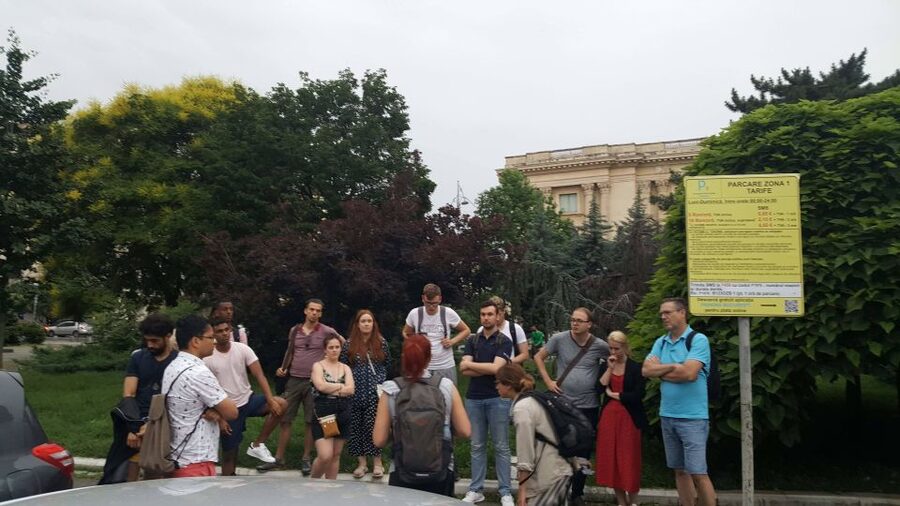
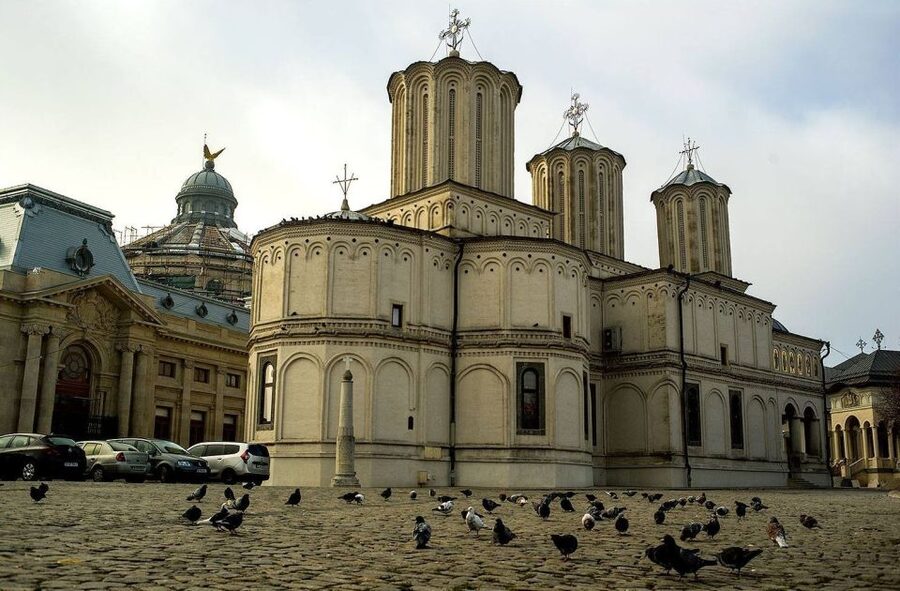
The tour begins near the Patriarchy, reached on foot from Piata Unirii. That starting point is useful because the area puts older religious and civic Bucharest close to the planned, forceful city created under communism. From here, you begin to see how much of the capital was changed not by slow growth, but by political orders.
I find this setting valuable because the tour does not treat communism as a list of dates. It asks you to look at the city and consider who lived in the homes that disappeared, who benefited from the new boulevards, and how ordinary people adapted to a system built around state control.
The walking format also gives you time to notice scale. A photograph can show the Palace of Parliament, but standing near it gives you a clearer sense of how its size dominates the surrounding area. The route is designed around stops where the guide can explain the next part of the story without rushing from one sight to another.
More communist-era Bucharest walks:
- The Real tour of Communism
★ 5.0 · 666 reviews - Life under Communism
★ 5.0 · 358 reviews - Bucharest Essential Tour: Old Town, Calea Victoriei & Communism
★ 5.0 · 142 reviews
Ceausescu’s rise and the violent birth of the regime
The tour sets Ceausescu’s dictatorship within the wider story of Romanian communism. You learn about the regime’s violent beginnings, the takeover of property, and the nationalization of homes and businesses. That background matters because Ceausescu did not create the system from nothing. His rule grew from an earlier political structure that had already changed daily life across Romania.
A strong guide makes this period understandable without reducing it to a simple good-versus-bad tale. Guides on this experience have been praised for presenting several perspectives, including the difference between official promises and lived reality. That approach is useful when discussing a period that still affects Romanian families and public debate.
You will also hear about the inter-war period, when Bucharest was more prosperous and culturally open than the city later presented by communist propaganda. The comparison helps explain why the capital feels like two cities pressed together. The old neighborhoods are not just pretty scenery. They show what survived the regime’s plan to remake the capital.
Cristina, one of the guides frequently leading this tour, is especially effective at connecting national events to family memories. Other guides have included Elena, Andreea, Flori, Ene, and Stefan. The exact guide depends on the date, but the experience is conducted in English, and the teaching style is personal rather than stiff.
The Palace of Parliament and the price of grand ambition
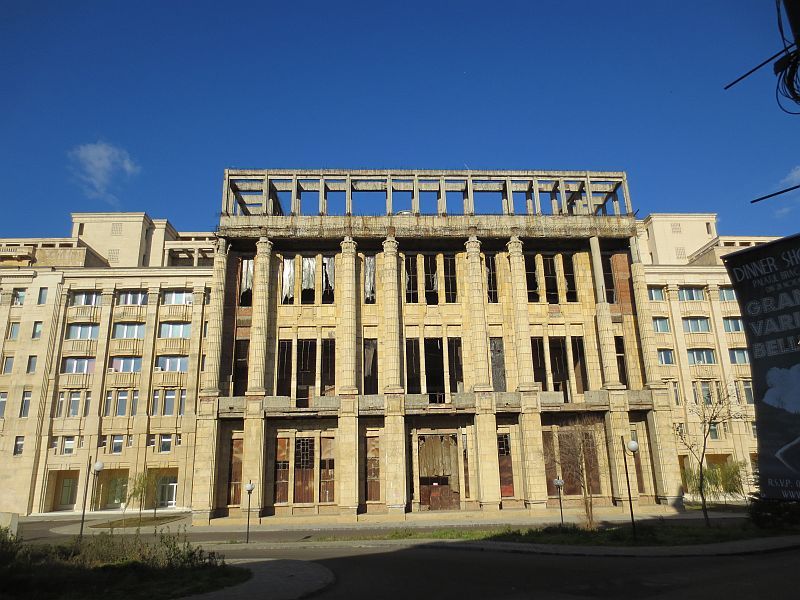
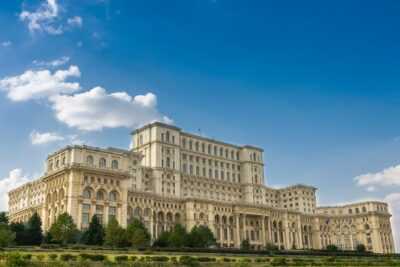
The Palace of Parliament is the tour’s biggest visual stop. You see the exterior and learn about Ceausescu, his family, and the political purpose behind the building. An interior visit is not included, so you should not book this walk expecting a museum tour inside the palace.
Even from outside, the building is hard to ignore. Its scale reflects a government that wanted architecture to display obedience, wealth, and control. At the same time, the structure carries the cost of the city’s transformation. Entire areas were cleared, homes were demolished, and residents were forced to move so that the new political center could be built.
That tension is what makes the stop worthwhile. The Palace is impressive as a piece of construction, but the guide encourages you to consider the human cost behind the stone. I appreciate that the tour does not ask you to admire the building without asking why it exists.
The building also helps explain Ceausescu’s personality cult. You learn about the dictator’s family and the way power was concentrated around them. The story is not only about one huge building. It is about a government using streets, monuments, and public space to make its authority feel permanent.
Uranus and the neighborhoods that vanished
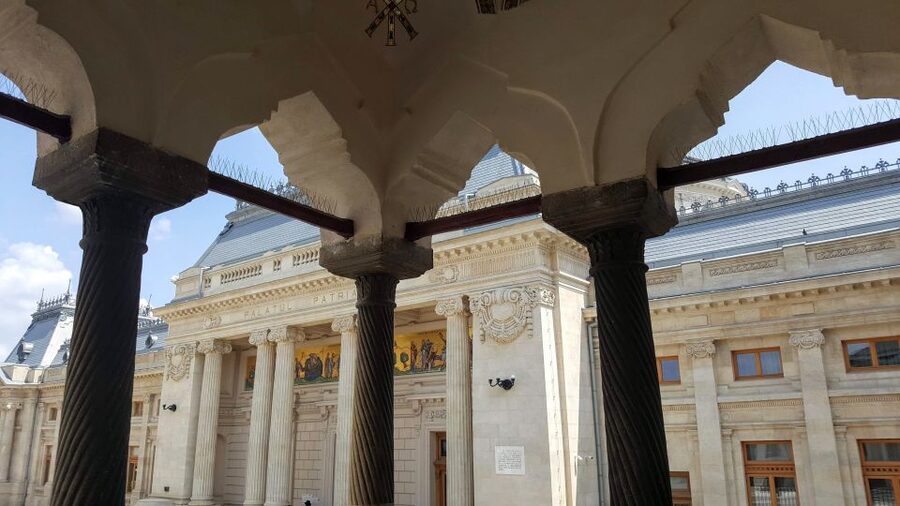
The remains of the Uranus neighborhood provide one of the tour’s most affecting stops. This area was changed by communist urban planning, and what remains offers a sharper sense of loss than a broad historical explanation can provide.
The value of seeing Uranus is that you encounter the absence directly. A demolished home does not leave a full building to study, but the altered streets and surviving fragments can suggest what was removed. The guide explains the forced demolition of homes and places those decisions in the wider plan for a new political district.
You might find this part of the walk more moving than the major monuments. The Palace of Parliament is the obvious symbol, but Uranus shows what the symbol displaced. It gives the tour a human scale and keeps the story from becoming only an architectural lesson.
The contrast with saved inter-war neighborhoods is also important. Some charming districts escaped the worst of the communist remodelling. Walking through these areas, you can compare their smaller streets and older buildings with the oversized avenues and blocks built under the regime.
I like this part of the route because it asks you to read Bucharest as evidence. You are not simply told that the city changed. You see the difference between what survived and what was cleared away.
A few more Bucharest day trips to weigh up
- Bucharest: 3-Hour Dark History Tour with a Local
★ 4.9 · 301 reviews - Bucharest: Alternative Sightseeing 2.5-3h-Hour Guided Tour
★ 4.9 · 80 reviews - Bucharest: 3-Hour Walking Tour
★ 4.9 · 77 reviews - Bucharest: Relics of Communism 3-Hour Walking Tour
★ 4.9 · 77 reviews
Daily life under communism
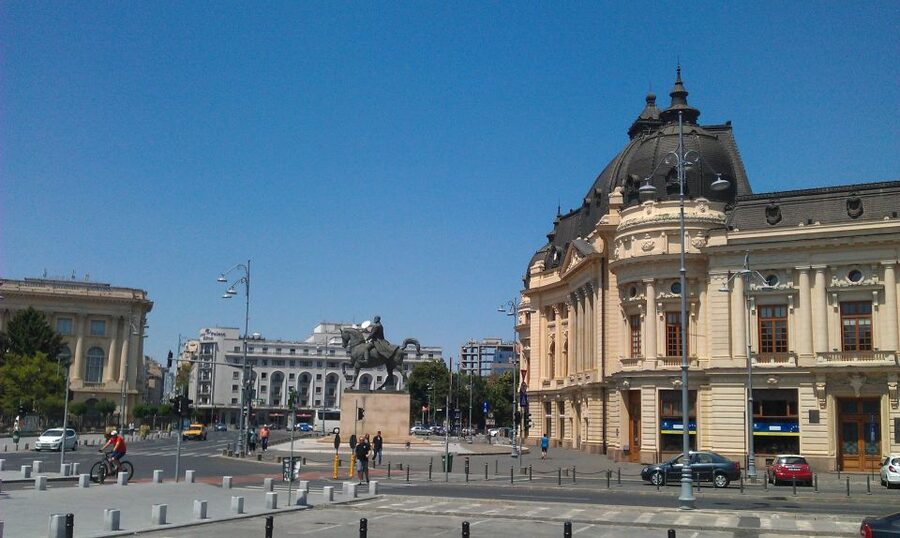
The tour spends time on ordinary life, not just political leaders and buildings. You learn about what it meant to live under communist rule, including the effects of nationalization, state control, and limited personal choice.
Personal anecdotes make this section especially useful. Cristina has used family stories to explain how official policy reached the kitchen table and the apartment building. Those details help you picture the period beyond the familiar images of Ceausescu giving speeches.
The guide may also use a binder of historical photographs to show how places looked before and during communism. This is a practical aid for a walking tour because present-day Bucharest can hide the earlier city. A photograph lets you compare the street in front of you with the buildings and neighborhoods that once occupied it.
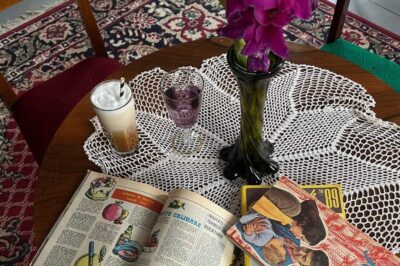
A small traditional or period snack has also been brought for the group on some tours. Small snacks are included, but drinks and café food are not. The mid-tour café stop gives you a chance to buy coffee, water, or something to eat at your own expense.
Do not expect a full food experience. The break is mainly practical and social. It interrupts the standing and gives you time to ask questions, which is welcome during a subject this dense. I would still carry water from the start, especially in summer. One past participant specifically found the heat and prolonged standing tiring, and another advised bringing water even though the café stop is available.
The 1989 Revolution and the fall of Ceausescu
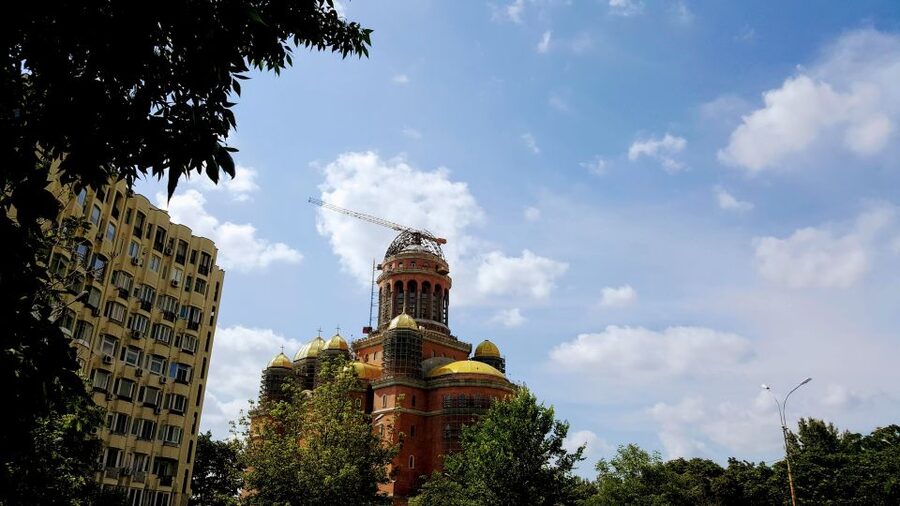
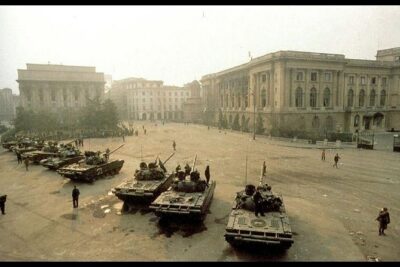
The final part of the story turns to the anti-communist revolution of 1989. You visit political memorials and places linked to the events that brought down Ceausescu, then learn how the Iron Curtain began to fall across Eastern Europe.
Romania’s transition was especially violent. The tour explains the protests, the government response, and the bloody end of the dictatorship. The subject can be difficult, but the guide’s job is to give the events a clear order and show how political tension became open revolt.
This section benefits from being tied to actual places. It is one thing to hear about a revolution in a classroom. It is another to stand in the city where people gathered, resisted, and faced armed force. The tour does not turn the events into a theatrical story. It gives you the political setting and the human consequences.
I also like that the tour connects 1989 with post-communist Bucharest. The city did not become entirely new overnight. Buildings, habits, inequalities, and memories continued into the next period. Understanding that helps you read modern Bucharest with more care.
Because the guide welcomes questions, you can spend more time on points that interest you. Several guides have adjusted the pace between stops and stayed with questions rather than forcing the group through a fixed script. That flexibility is useful when the history raises issues you did not expect.
The guides make or break this history walk
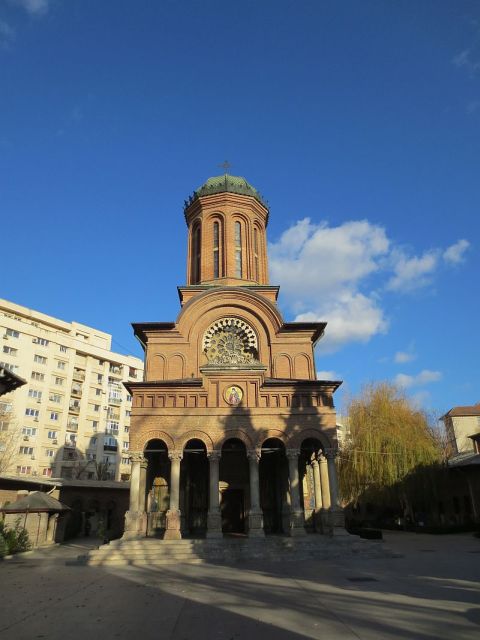
This is a guide-led experience, so the quality of the explanation matters more than the number of sights. The strongest descriptions of the tour focus on the guide’s warmth, clear storytelling, preparation, and willingness to answer questions.
Cristina is repeatedly singled out for an engaging style, strong command of Romanian history, and personal family anecdotes. She has used photographs, adjusted the pace to the group, found shade on hot days, and brought an old snack for everyone to try. Those touches matter because three hours of political history could otherwise feel heavy.
Other guides have also received praise for making complex material easy to follow. Andreea has been described as energetic and passionate, while Flori has adjusted the route to group preferences and offered suggestions for other places to visit in Bucharest. Elena has used her own family stories to put the period into context.
One useful detail is that the tour can remain worthwhile even with difficult conditions. In one case, a participant continued in bad weather and received a thorough tour. Another guide explained the material in nearly perfect Spanish for a member of a group who did not speak English, but the advertised tour language is English, so you should not count on another language being available.
The overall rating is 4.9 from 303 ratings, and the repeated praise centers on the guides rather than on a single monument. That tells me to book this for the human interpretation, not simply to tick off the Palace of Parliament.
Is three hours enough?
Three hours gives you a useful introduction without taking up a full day. The route covers communist landmarks, surviving inter-war streets, Uranus, political memorials, and revolution sites, with time for explanation at each stop.
You will not get every detail of Romanian twentieth-century history. You also will not have time to visit museums during the walk. Museum admission is not included, and the Palace of Parliament interior is not part of this experience.
That limit is a strength for many visitors. I would choose this tour early in a Bucharest stay because it gives you a framework for the city. Afterward, the mix of apartment blocks, old villas, monumental buildings, and empty spaces will make more sense.
The pace is generally comfortable, but it is still a walking tour with periods of standing. Comfortable shoes are essential. In hot weather, water, a hat, and a willingness to use the café break sensibly will make the afternoon easier, although only comfortable shoes are specifically required.
The $29 price and who gets the most from it
At $29 per person, I consider this good value if you want context rather than independent sightseeing alone. The price covers three hours with a live English-speaking guide, historical explanation, small snacks, and a carefully connected route through several parts of central Bucharest.
It does not cover café drinks or food, museum fees, or entry to the Palace of Parliament. That keeps the basic price low, but you should allow a little extra for the break and any separate museum visits you choose.
I would recommend it most to:
- First-time visitors who want Bucharest’s buildings to make sense.
- People interested in twentieth-century European history and the Cold War.
- Anyone curious about ordinary life under dictatorship, not just famous leaders.
- Visitors who prefer local explanation and conversation to a self-guided route.
- Families with older children who can manage three hours of walking and standing.
I would hesitate if you want to spend most of your time indoors, dislike political history, or need a fully seated activity. The experience is also less suitable on an extremely hot day unless you prepare for the weather.
Booking can remain flexible because cancellation is free up to 24 hours before the start, and you can reserve now and pay later. Starting times vary, so check availability for your chosen date.
Should you book the Communist Bucharest tour?
I would book this tour if you want to understand why Bucharest looks the way it does. The Palace of Parliament is worth seeing, but the real value comes from linking it to demolished homes, surviving inter-war streets, daily shortages and restrictions, and the violence of 1989.
Choose it early in your visit, wear comfortable shoes, and carry water. If you get Cristina, expect a warm, personal presentation supported by photographs and family stories. If another guide leads the walk, the experience still suits anyone seeking a clear, thoughtful introduction to Romania’s communist period.
At $29, it offers more than a quick monument stop. It gives you a way to read the city, and that is the kind of historical tour that stays useful after the walking ends.
FAQ
Where does the tour meet?
The meeting point is near the red-brick bell tower of the Patriarchy at Aleea Dealul Mitropoliei 19, București 030167, Romania. It is within walking distance of Piata Unirii.
How long does the tour last?
The guided walking tour lasts three hours. Starting times vary, so check availability for your selected date.
What language is the tour conducted in?
The advertised tour language is English, with a live English-speaking guide.
Is entry inside the Palace of Parliament included?
No. The tour includes seeing the Palace of Parliament and learning about it, but it does not include an interior visit.
Are food and drinks included?
Small snacks are included. Drinks and snacks purchased at the café stop are at your own expense.
What should I bring?
Bring comfortable shoes because the experience involves walking and standing. Water is also a sensible choice, especially on sunny or hot days.
Just added around Bucharest
- Private Full Day Tour of Bucharest★ 5.0 · 3 reviews
- Veliko Tarnovo and Medieval Bulgaria Private Day Trip from Bucharest★ 5.0 · 3 reviews
- Bucharest VIP Bar Crawl in Lipscani ‘Old Town’★ 5.0 · 3 reviews
- Muddy Volcanoes and Salt Mine Private Tour★ 5.0 · 3 reviews
- Bucharest Private City Tour★ 5.0 · 3 reviews
- Legends & Stories from Transylvania -2 Castles & Brasov Old Town★ 5.0 · 3 reviews
- 7-Day Dracula Tour in Romania from Bucharest including ‘The Ritual of Killing of a Living Dead’★ 5.0 · 3 reviews
- Transfagarasan Private Tour from Bucharest – 2 Days★ 5.0 · 3 reviews
Communist Bucharest Tours, compared.
Bucharest Essential Tour: Old Town, Calea Victoriei & Communism
Read our review →
Communism in Bucharest – Landmarks, Museum & Communist Appetizers
Read our review →

Museum of Communism Ticket with Communist Coffee
Read our review →Browse the lists this tour appears in